

Every night, you embark on a journey without leaving your bed. You travel through surreal landscapes, interact with people who may or may not exist, and experience emotions that feel remarkably real. When morning comes, some of these adventures fade like mist, while others linger with surprising clarity. For decades, scientists dismissed dreams as meaningless mental static, random firings of neurons with no real purpose. That perspective is changing dramatically.
Recent breakthroughs in neuroscience are revealing something extraordinary. Your dreams aren’t just bizarre nighttime entertainment. They’re actually windows into some of the most fundamental processes happening inside your brain, offering insights into how memories form, how emotions get processed, and even how consciousness itself works. What researchers are discovering might just change everything we thought we knew about the sleeping mind.
Dreams as Memory Architects

Your brain is busy during sleep conducting a complex process of memory consolidation, strengthening neural traces of recent events and integrating new experiences with older memories and previously stored knowledge. Think of it like a librarian working the night shift, organizing the day’s scattered notes into a coherent filing system. Studies now show that dreaming about newly learned information is robustly associated with improved memory for that information following sleep.
Research has found that people who report dreaming show greater emotional memory processing, suggesting dreams help process emotional experiences. What’s truly fascinating is that this isn’t just about remembering facts. There’s a trade-off where emotionally charged memories are prioritized, though their severity is diminished. Your brain seems to be editing the day’s emotional footage, keeping the important scenes while softening the harshest moments.
The Brain’s Nightly Theater Has Real Actors

Learning-related brain activity patterns are replayed during sleep, and crucially, when learning conditions are manifest in neural activity, they also emerge in dreams. Let’s be real, this is mind-blowing stuff. Scientists can now track specific content from your waking hours showing up in your dreams by monitoring brain activity.
Audiobook content studied before sleep was reinstated at the neural level in brain recordings, with brain activity during REM sleep carrying information about the material and simultaneously benefitting memory retention. Blind raters could judge with better than chance accuracy which audiobook participants had listened to before sleep based solely on dream reports. It’s hard to say for sure, but this suggests your dreams are far more connected to your waking life than you might realize.
REM Sleep’s Unique Consciousness Laboratory
Dreams show that your brain, disconnected from the environment, can generate by itself an entire world of conscious experiences. During REM sleep, something peculiar happens in your neural architecture. The contents of consciousness during REM sleep reflect internally generated sensory activity, particularly visual, producing a hallucinosis that manifests as dreaming.
Several brain structures enhance their activity during REM sleep compared to waking, including the pontine tegmentum, thalamus, amygdala, hippocampus, and anterior cingulate cortex, while others like the dorsolateral prefrontal cortex decrease. This segregated pattern is remarkable. A functional dissociation between sensorimotor areas and systems that monitor them might explain why dream narratives evolve outside the dreamer’s sense of agency, without voluntary planning or coherent organization. You’re the author and audience of a story you can’t control.
Posterior Brain Regions Hold the Dream Key
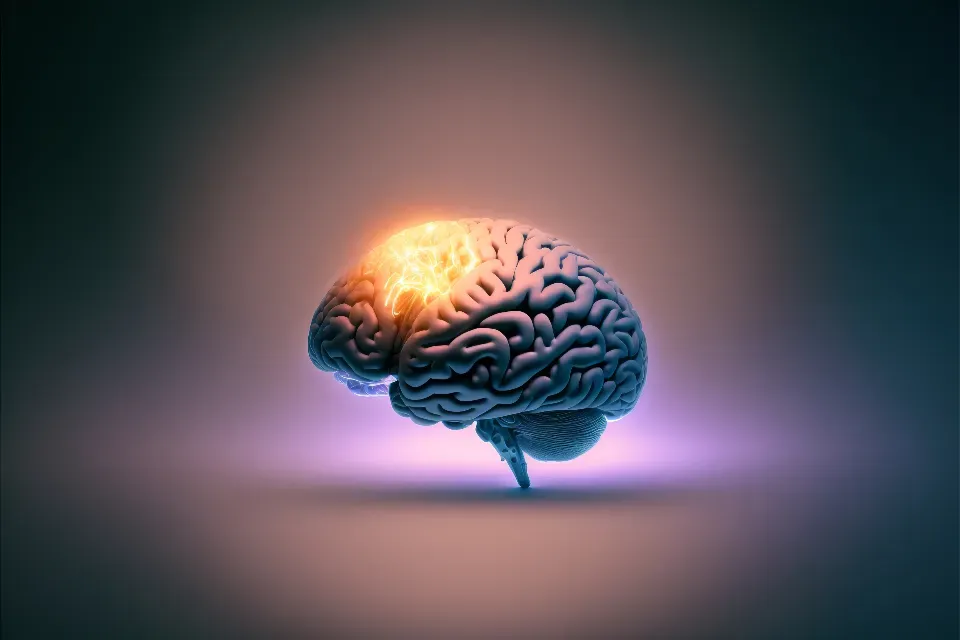
Here’s where things get really interesting. Reports of dream experience were associated with a local decrease in low-frequency activity in posterior cortical regions, with high-frequency activity within these regions correlating with specific dream contents. Scientists have identified what they call a posterior “hot zone” in the brain.
Specific dream contents like thoughts, perceptions, faces, places, movement, and speech are associated with increased high-frequency activity in specific cortical areas that correspond closely to those engaged during waking perception of the same contents. Honestly, it’s like your brain is using the same hardware for dreaming that it uses when you’re awake and actually seeing things. Visual dream contents are represented by discriminative brain activity patterns similar to perception in the visual cortex.
The Heart-Brain Connection During Dreams

Most people don’t realize that dreaming involves your entire body, not just your brain. A brain-body network drives conscious dreaming experience with specific interactions and time delays, sustained by blood pressure dynamics and increasing functional information transfer from neural heartbeat regulation to the brain, with bodily changes playing a crucial and causative role.
Your cardiovascular system isn’t just along for the ride during dreams. Comprehensive analysis of physiological signals during REM sleep included high-density electroencephalography along with peripheral dynamics including electrocardiography and blood pressure. The researchers found these peripheral signals weren’t merely responding to brain activity. They were actually influencing the dreaming experience itself, creating a feedback loop between body and mind that shapes your nocturnal narratives.
New Technologies Decode Dreams in Real Time
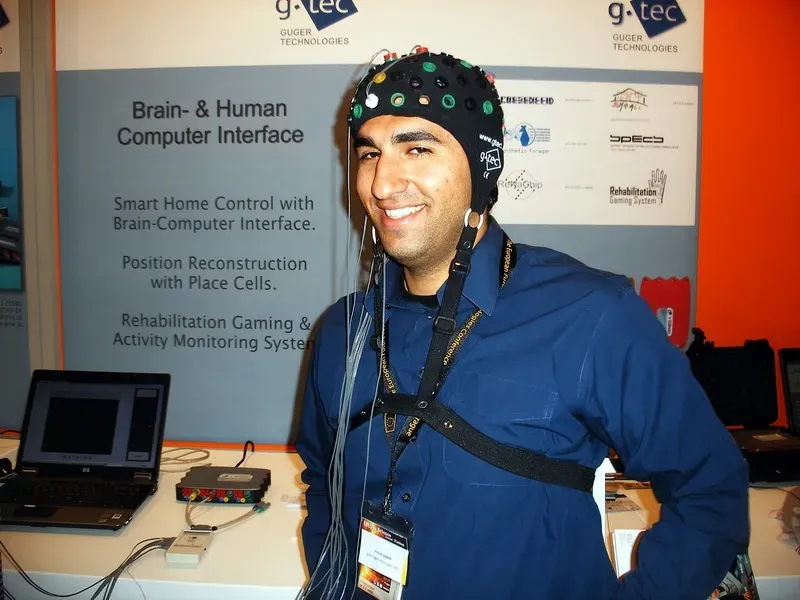
Neural decoding and real-time reporting offer more direct measures of dream content, targeted stimulation and lucidity provide routes to experimentally manipulate dream content, and large dream-report databases offer powerful avenues to identify patterns. We’re entering an era where scientists can actually communicate with people while they’re dreaming.
Researchers have independently demonstrated two-way communication with people as they are lucidly dreaming during REM sleep. A sleeping research subject in a neuroscience laboratory answered a mathematical question, creating a dialogue between two people where one was asleep and dreaming. The Dream2Image dataset combines EEG signals, dream transcriptions, and AI-generated images based on brain activity recordings, offering a novel resource for studying neural correlates of dreaming.
Dream Manipulation Opens Clinical Possibilities
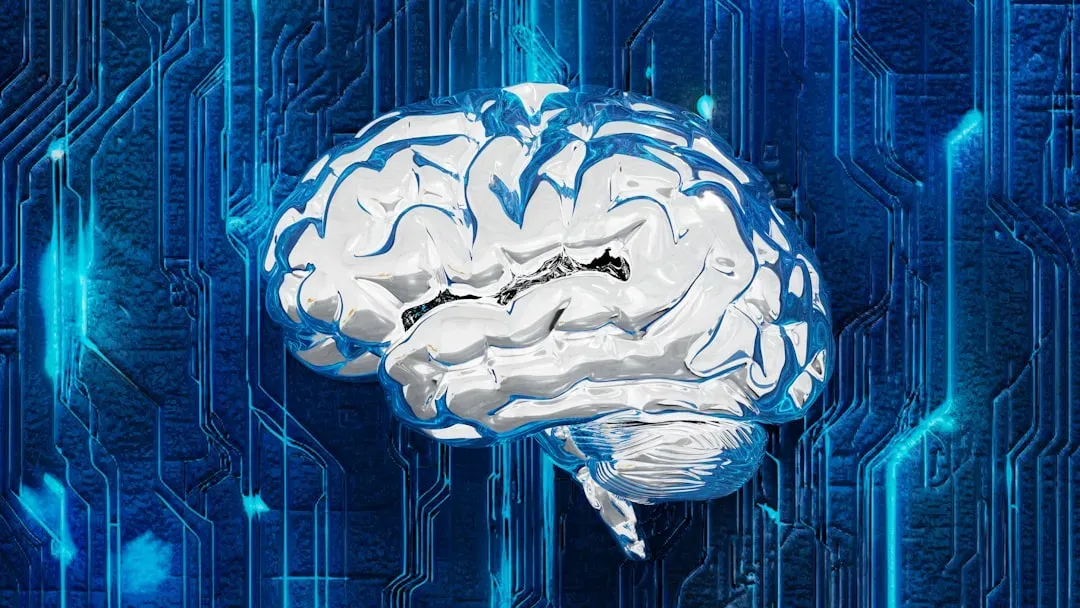
Dreams occurring during REM sleep can be influenced and manipulated to aid in creative solutions to dilemmas faced during waking hours. Scientists at Northwestern University demonstrated this through targeted memory reactivation. The method involves presenting auditory cues to sleeping participants, specifically reminders associated with puzzles they previously attempted to solve, with verification that participants remain in REM phase while sounds are played.
The implications extend far beyond puzzle-solving. Nightmares are incredibly frustrating for various clinical populations, and understanding how dreams are formed and how to change them is laying paths forward for efficient nightmare reduction protocols. Researchers are exploring therapeutic potential of dream engineering through sound stimulation, sensory cues, and VR training to help individuals direct their dreams in ways that foster emotional healing or problem-solving.
Consciousness Without the Usual Constraints

Lucid dreaming is associated with widespread communication across different brain regions. During lucid dreaming, there’s increased communication between the prefrontal cortex and parietal and temporal structures associated with high-level cognition. Lucid dreaming happens when your capacity for metacognition comes back online, allowing you to examine your beliefs in the moment and assess whether conclusions you’re drawing jibe with reality.
As databases grow, fundamental questions emerge about why we’re sometimes conscious during sleep and sometimes not, why some people remember dreams every night while others rarely do, and why some sleepers have lucid dreams they can sometimes control at will. Exploring these questions gradually brings us closer to understanding brain mechanisms underlying conscious experience itself. These aren’t just curiosities for sleep researchers. They’re questions that strike at the heart of what consciousness actually is.
Conclusion: A New Era of Dream Science
With the development of advanced neuroscientific techniques, increasing evidence has been found that dreams have underlying physiological correlates. What once seemed like the most private and ephemeral of human experiences is now yielding its secrets to scientific inquiry. By enabling researchers to systematically observe, engineer, and analyze dreams, these innovations herald a new era in dream science.
The journey into understanding dreams is revealing something profound about human nature itself. Your nightly adventures aren’t just random neural noise or mystical messages. They’re the visible surface of incredibly sophisticated brain processes that consolidate memories, regulate emotions, and maintain the very fabric of your consciousness. Far from being meaningless distractions, dreams may reflect an adaptive process by which new learning is stabilized and integrated with existing knowledge, with dream content providing an important source of information about functions of the sleeping mind and brain.
Here’s the thing: every time you close your eyes to sleep, your brain is conducting an extraordinary experiment in consciousness, memory, and emotion. Scientists are now finally equipped with tools sophisticated enough to peer into that process. What do you think your dreams might be telling you about how your brain works? The answers might surprise you more than the dreams themselves.
Hi, I’m Andrew, and I come from India. Experienced content specialist with a passion for writing. My forte includes health and wellness, Travel, Animals, and Nature. A nature nomad, I am obsessed with mountains and love high-altitude trekking. I have been on several Himalayan treks in India including the Everest Base Camp in Nepal, a profound experience.


