

Every night, your brain spins entire worlds out of thin air: flooded cities, impossible exams, lost loved ones suddenly alive again. For generations, dreams were treated as either mystical messages or random mental noise, an unruly sideshow to waking life. Now, neuroscience is quietly rewriting that script, revealing dreams as deeply wired into memory, emotion, and even our sense of self. New brain-imaging tools, sleep-lab experiments, and large-scale tracking apps are turning the messy theater of the night into hard data. What they’re finding is surprisingly clear: dreams are not background static – they’re active work.
The Hidden Clues Inside a Sleeping Brain
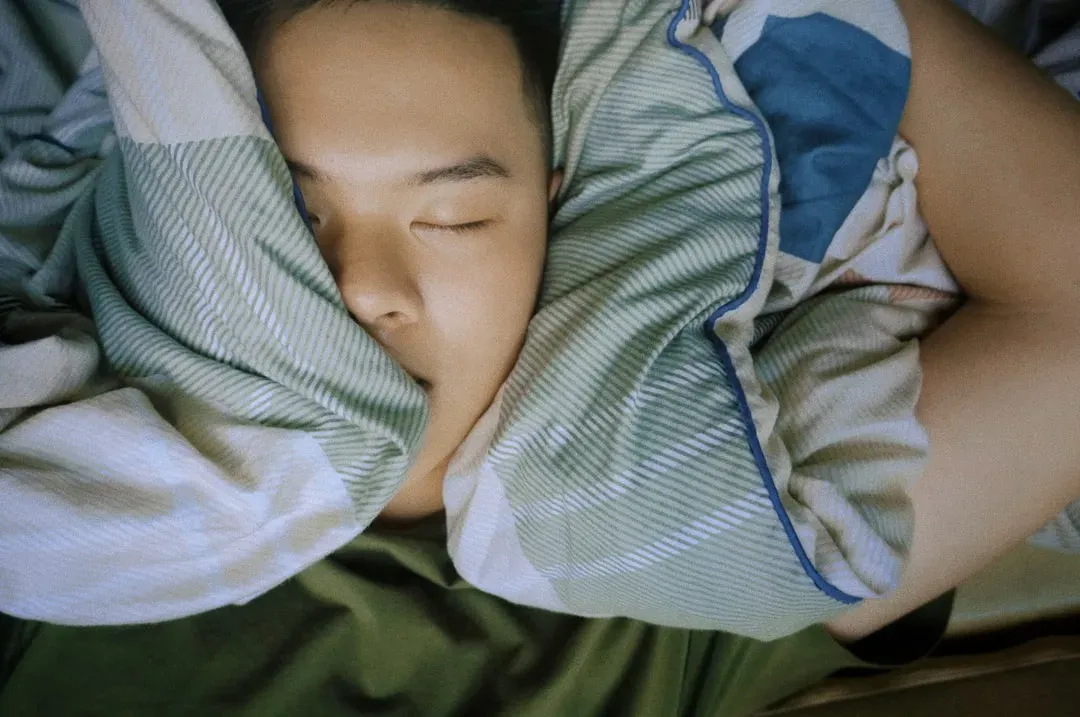
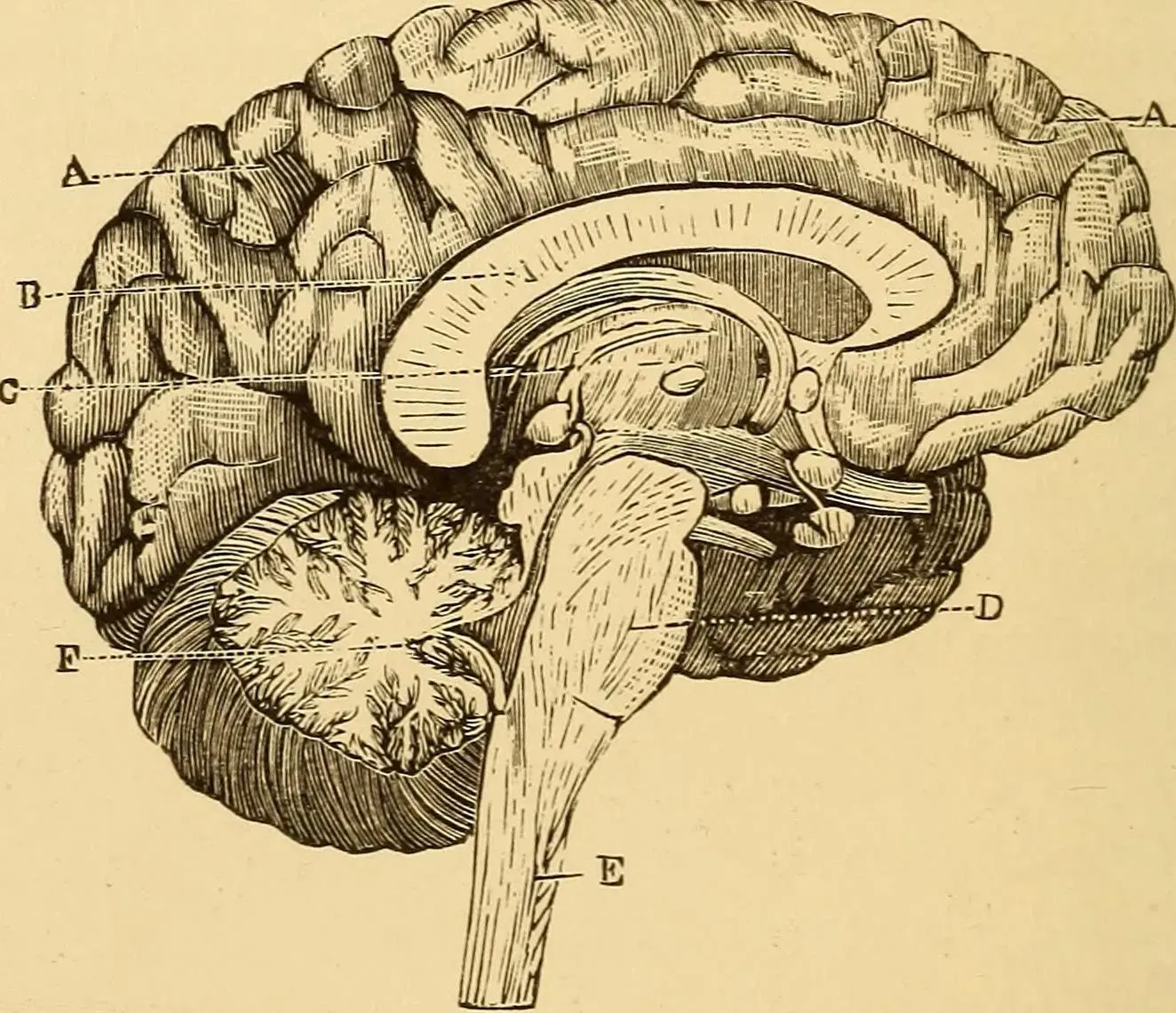
It’s tempting to dismiss dreams as chaotic nonsense, but your brain during dreaming sleep is anything but idle. When you enter rapid eye movement, or REM sleep, the visual cortex, emotional circuits like the amygdala, and memory hubs in the hippocampus light up with activity. It looks less like a system shutting down and more like a network in full-on simulation mode, remixing experiences, fears, and desires into narrative form. Meanwhile, regions involved in logical control and self-monitoring, especially in the prefrontal cortex, quiet down, which helps explain why flying through your old high school can feel perfectly reasonable at the time.
Those patterns are a crucial clue: the very areas that help encode memories and process feelings are also busy when we dream. Many sleep scientists see this as evidence that dreams are a by-product, or perhaps a tool, of overnight brain maintenance. Instead of thinking of dreams as a separate “feature,” it may be more accurate to see them as the visible surface of invisible housekeeping processes – like getting to watch the brain take inventory of the day. That strange scene where your boss morphs into a childhood friend may signal your mind sorting emotional associations you weren’t consciously aware of. The chaos feels random, but underneath it is a system doing quiet, structured work.
From Ancient Omens to MRI Scanners
Humans have always cared about dreams; we just kept changing the tools we used to study them. Ancient cultures carved dream reports into clay tablets and built temples where people slept in hopes of receiving guidance. For centuries, dreams were framed as omens, prophecies, or divine messages, carrying weight not because of biology but because of belief. In the nineteenth and early twentieth centuries, the conversation shifted again, with psychoanalytic theories casting dreams as disguised reflections of hidden desires or unresolved conflicts.
The modern turn came with the discovery of REM sleep in the mid-twentieth century, when scientists first linked specific eye-movement patterns to vivid, story-like dreams. That single connection opened the door to controlled experiments: wake sleepers at precise stages, ask for reports, and match those narratives to brain states. Today, sleep labs can pair that approach with functional MRI and high-density EEG, letting researchers watch how neural activity evolves across the night. Over the last two decades, teams in Japan, Europe, and the United States have even used machine learning to decode the broad categories of dream imagery – such as faces, buildings, or text – from brain signals alone. What started as mythology and metaphor now lives inside scan data and code.
Dreams as the Brain’s Overnight Editing Room

One of the strongest scientific threads tying dreams to real function is memory consolidation. Studies consistently find that people who get a full night’s sleep, especially with plentiful REM, do better on tasks that require flexible thinking, pattern recognition, and emotional learning. In some experiments, participants exposed to a particular maze, sound, or virtual environment later reported dream fragments that resembled the task – and those dreamers often improved the most by morning. It’s as if the brain is re-running the day’s footage and experimenting with alternative cuts.
The editing-room analogy goes further when you look at what kinds of memories show up most often. Emotional experiences – embarrassing moments, arguments, near misses on the highway – tend to be overrepresented in dreams compared with mundane details like what you ate for lunch. That fits neatly with what we know about how the amygdala flags certain memories as important for future survival or social navigation. By replaying and reshaping emotionally loaded scenarios, dreams may help you update your internal rulebook: who can be trusted, what is dangerous, what counts as a win or a threat. You wake up with the same life story, but the narrative emphasis has quietly shifted.
Emotional First Aid While You Sleep

If memory consolidation is one pillar of dream science, emotional regulation is the other. During REM sleep, the brain states that support intense feeling are active, yet the stress hormone systems that drive physical panic are dialed down. This unusual combination – high emotion, low bodily stress – is like practicing scary scenes on a safe stage. When people dream repeatedly about a breakup, a lost parent, or a traumatic event, the content can be painful, but over time the emotional charge often fades slightly, as if the psyche is sanding down the sharpest edges.
There’s growing evidence that when this process breaks down, mental health suffers. People with post-traumatic stress disorder frequently report recurrent nightmares that feel stuck, replaying the same scene without resolution. Their REM patterns are often disrupted, suggesting that the usual emotional “reconsolidation” is not completing. On the flip side, therapies that deliberately rewrite nightmares – by rehearsing new dream endings while awake – can reduce both the bad dreams and daytime anxiety. It’s an uncomfortable idea, but a powerful one: our dreams may be one of the brain’s oldest mental health tools, and when it’s compromised, we feel it.
The Strange Science of Lucid and Shared Dreams

Not all dreams follow the same rules, and some of the most intriguing research now digs into the edge cases. Lucid dreaming, where you become aware you’re dreaming and sometimes control the plot, has shifted from fringe curiosity to legitimate lab topic. Researchers have trained experienced lucid dreamers to signal from within a dream using prearranged eye-movement patterns, confirming that conscious awareness can arise in the middle of REM. In carefully designed experiments, dreamers have even answered simple math questions or followed prompts delivered through sounds while still asleep.
Then there are the reports of shared or overlapping dream themes among close partners, twins, or families, which sound tailor-made for supernatural explanations. Most scientists interpret these overlaps in light of shared experiences, emotional climates, and cultural scripts, rather than literal mind-to-mind connections. Yet the social dimension of dreaming is very real: for many people, talking about dreams deepens intimacy, surfaces unspoken fears, or sparks creative ideas. Artists, inventors, and scientists alike have traced flashes of insight back to bizarre midnight scenes. Whether or not we ever “meet” each other in dreams, what happens in that inner theater can ripple through entire communities when we wake.
Why Our Dreams Matter More Than We Think

For a long time, mainstream neuroscience tried to push dreams to the margins, treating them as noisy side effects of more serious sleep processes. That view is changing, not because dreams have become more poetic, but because empirical evidence keeps tying them to functions we care about: learning, mental health, creativity, and resilience. If sleep is the brain’s maintenance window, dreams may be the user-facing interface that occasionally leaks through. Ignoring them altogether is like ignoring the dashboard lights on your car – they may not tell the whole story, but they’re rarely meaningless.
This matters for how we think about both pathology and potential. Conditions like chronic insomnia, PTSD, and depression are now understood to involve not just a lack of sleep, but distorted patterns of dream-rich REM stages. On the other hand, people who report more frequent, vivid dreams often score higher on measures of emotional awareness and imaginative thinking, though cause and effect are still up for debate. The big shift is conceptual: instead of asking whether dreams predict lottery numbers or carry secret codes, scientists are asking how they fit into the broader ecosystem of brain function. In that frame, dreams become less of a superstition and more of a frontier.
The Next Wave: Tech, Tracking, and Ethical Nightmares

As sleep technology races ahead, our dreams are becoming data whether we like it or not. Consumer wearables and smartphone apps already track rough sleep stages and sometimes nudge users to record dreams right after waking, creating vast databases of nighttime narratives. In research settings, machine learning models are getting better at linking brain-activity patterns with broad dream categories, such as whether you saw people, places, or motion. It’s still crude compared with science-fiction “mind reading,” but the trajectory is clear: as the tools sharpen, decoding dreams will move from novelty to applied science.
With that comes a tangle of questions. Could dream decoding help diagnose early signs of neurodegenerative disease or mood disorders, by revealing subtle changes in sleep-stage dynamics or emotional content? Possibly. Could the same tools be misused by employers, insurers, or governments to pry into one of the last private corners of human experience? That risk is harder to ignore. Some researchers now argue that we need a kind of “mental privacy” framework that explicitly covers dreams, not just waking thoughts. The future of dream science will be defined as much by ethics and law as by scanners and algorithms.
How to Become an Ally to Your Own Dreams
Engaging with your dreams doesn’t require a lab, a therapist, or a gadget; it starts with paying attention. Keeping a notebook or notes app by your bed and jotting down even a single image or moment right after waking can dramatically increase recall over a few weeks. Patterns often emerge: recurring places, emotional tones, or themes like being late, unprepared, or lost. You do not need to decode every symbol to get value out of this; simply noticing how your inner stories shift with stress, big life events, or physical health can be eye-opening. It’s like watching daily weather reports for your emotional climate.
There are also small, science-aligned habits that support the kind of sleep where dreams can do their best work. A consistent sleep schedule, dimmer lighting and fewer screens before bed, and moderating late-night alcohol – which tends to fragment REM – can all help. When nightmares repeat or become distressing, validated treatments such as imagery rehearsal therapy, delivered by trained clinicians, can teach you to reshape them in safer directions. And if you’re simply curious, gentle lucid-dream techniques combined with healthy sleep hygiene can let you explore that inner world without chasing extremes. Our dreams may be more than just stories, but we are not powerless spectators; with a bit of respect and attention, we can become collaborators.
Suhail Ahmed is a passionate digital professional and nature enthusiast with over 8 years of experience in content strategy, SEO, web development, and digital operations. Alongside his freelance journey, Suhail actively contributes to nature and wildlife platforms like Discover Wildlife, where he channels his curiosity for the planet into engaging, educational storytelling.
With a strong background in managing digital ecosystems — from ecommerce stores and WordPress websites to social media and automation — Suhail merges technical precision with creative insight. His content reflects a rare balance: SEO-friendly yet deeply human, data-informed yet emotionally resonant.
Driven by a love for discovery and storytelling, Suhail believes in using digital platforms to amplify causes that matter — especially those protecting Earth’s biodiversity and inspiring sustainable living. Whether he’s managing online projects or crafting wildlife content, his goal remains the same: to inform, inspire, and leave a positive digital footprint.