
Death has always looked like a hard stop: the lights go out, and whatever we are simply vanishes. Yet a growing number of physicists, neuroscientists, and philosophers are quietly challenging that assumption, arguing that consciousness might be more than a fragile spark inside the brain. Instead, they suggest, it could be something woven into the fabric of the universe itself, temporarily “hosted” by our bodies but not created by them in the way a lightbulb creates light. This is not reincarnation in the religious sense, and it is not a Hollywood-style ghost story. It is a scientific attempt – still controversial and incomplete – to explain the eerie data emerging from brain research, quantum physics, and near-death studies. If they are right, our last breath might not be the end of the story, but a change in where and how that story is written.
The Hidden Clues: Strange Experiences at the Edge of Death
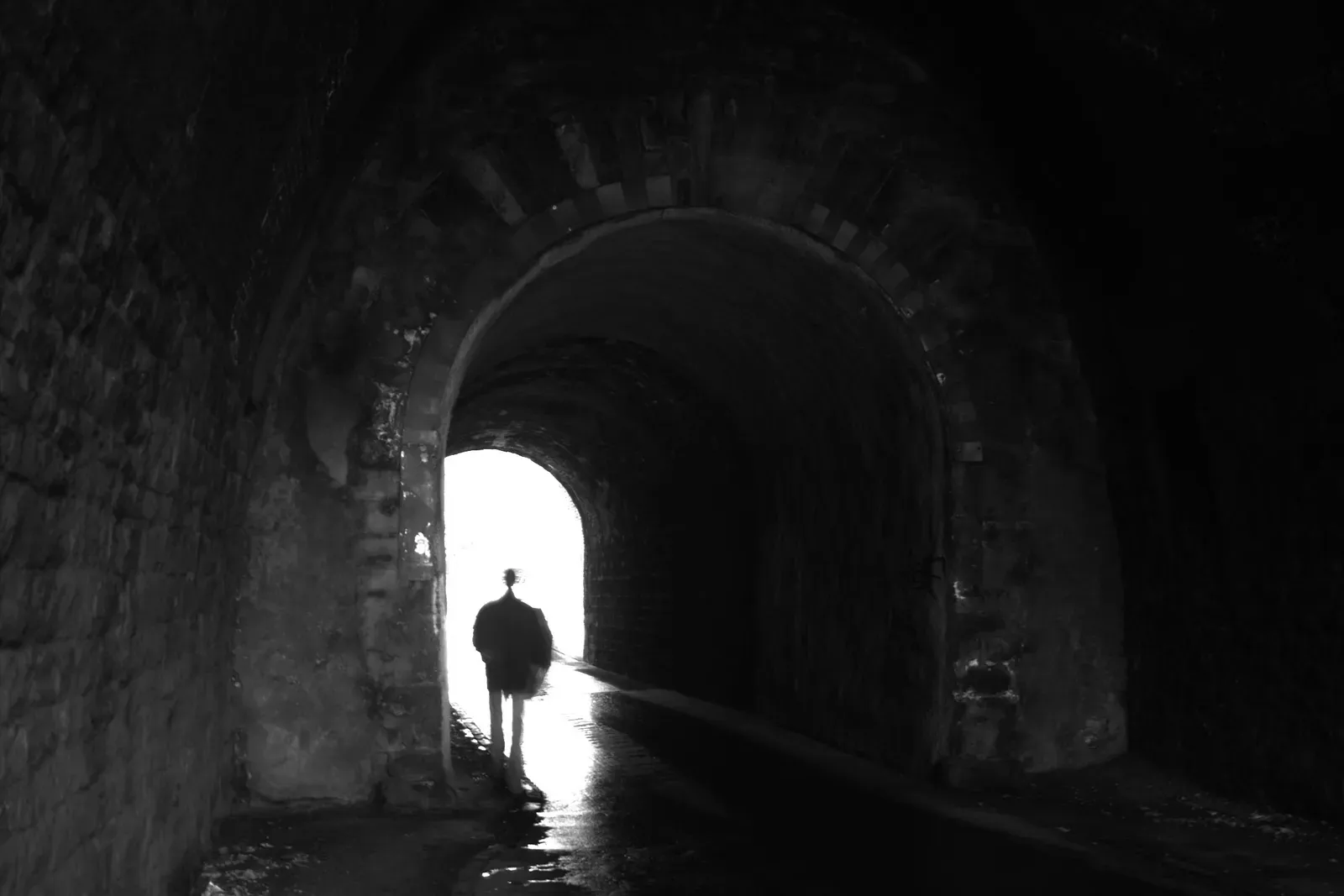
Ask emergency-room doctors off the record, and many will admit they have seen things that do not fit neatly into our standard brain-as-computer model. Patients whose hearts have stopped for several minutes later describe vivid scenes from the operating room, including conversations that occurred while they were clinically dead and showed no measurable brain activity. Others report moving through a tunnel, feeling overwhelming peace, or experiencing a kind of panoramic life review that compresses decades into seconds. These stories used to be dismissed as hallucinations, the desperate flares of a dying brain starved of oxygen.
But over the past two decades, carefully designed studies have complicated that comforting explanation. In several large hospital-based projects, researchers tracked cardiac arrest patients, monitored their brains, and in some cases placed hidden images where only an out-of-body vantage point could see them. A small portion of survivors reported structured, detailed experiences that began after the point when brain activity had largely flatlined, raising the unnerving possibility that conscious awareness can briefly persist without its usual neural scaffolding. The data is messy, the numbers are small, and skeptics rightly point out the limits. Still, these edge-of-death narratives function like hairline cracks in a theory we once thought was rock solid.
From Ancient Questions to Modern Science: What Is Consciousness, Really?
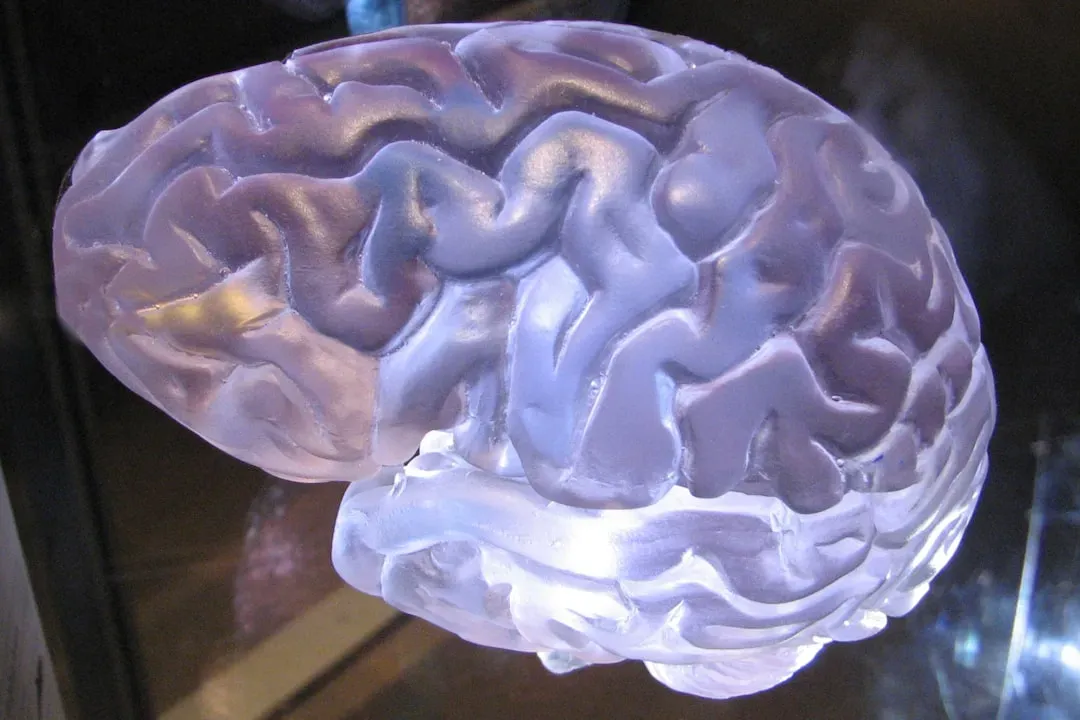
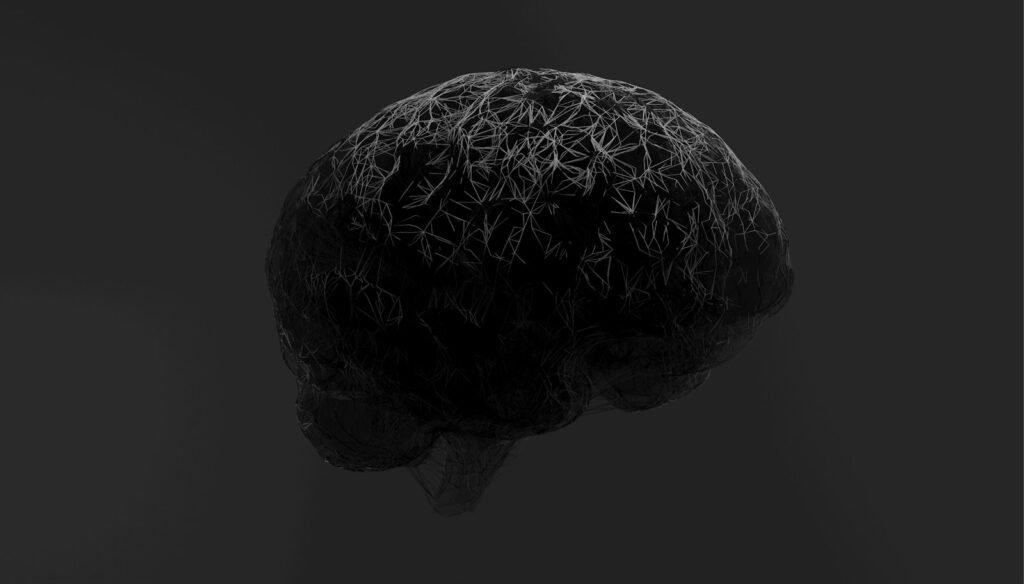
For most of scientific history, consciousness was treated as an awkward side effect, like the squeak of a machine that otherwise runs on physical gears. The prevailing view in neuroscience has been straightforward: the brain generates experience the way a processor runs software, and when the hardware fails, the program ends. That materialist perspective has powered huge advances in brain imaging, psychiatry, and artificial intelligence, giving us concrete ways to link activity in specific regions to emotions, memories, and decisions. When you see a loved one’s face, for instance, we can watch particular clusters of neurons fire in patterns that correlate with recognition and warmth.
Yet even as brain scans become more detailed, a deeper puzzle refuses to go away. How does electrical activity in gray tissue create the feeling of redness, the taste of coffee, or the ache of grief? Neuroscientists can map the correlates of these experiences, but the leap from firing neurons to the raw “what it feels like” of being you remains mysterious. Philosophers call this the hard problem of consciousness, and it has led some researchers to question whether we have framed the issue backwards. Maybe the brain does not produce consciousness from nothing. Maybe it filters, shapes, and localizes something more fundamental that already exists.
Consciousness and the Universe: Radical Theories on the Table
This is where some of the most fascinating and controversial ideas begin. One camp, drawing on a view called panpsychism, proposes that some rudimentary form of experience might be a basic property of matter, like mass or charge. In this picture, electrons and atoms are not little minds, but they possess the faintest glimmer of “being,” which combines in unimaginably complex ways as systems grow more organized. Human consciousness would then be the highly structured expression of something that is present, in very simple form, everywhere. Instead of asking how matter suddenly produces mind, we ask how simple forms of proto-experience become the rich inner lives we know.
Another line of thought comes from certain interpretations of quantum mechanics, where observation and measurement seem to play a nontrivial role in how reality behaves at microscopic scales. A few theorists speculate that consciousness and the underlying quantum fabric might be entangled in ways we do not yet grasp, with the brain acting as a kind of biological interface to deeper informational layers of the universe. These ideas are highly debated, and many physicists argue that consciousness is being stitched onto quantum theory where it does not belong. Still, they help fuel a growing sense that mind and cosmos may be more tightly intertwined than standard textbooks suggest, leaving open the possibility that when the brain fails, the underlying field of consciousness does not simply blink out.
Memory, Information, and the Possibility of Survival
If consciousness has some kind of existence beyond the brain, a natural question follows: what, if anything, survives death? Most scientists entertaining these theories are careful here, because they are not claiming that your personality floats off intact like a digital backup. Instead, they turn to the language of information. In physics, information is surprisingly hard to destroy; even in black holes, where matter vanishes behind an event horizon, researchers now argue that information is conserved in subtle ways. Some consciousness researchers wonder if something analogous might be true for the patterns that make up a human mind.
In this view, your life is a complex, ever-changing structure of relationships – between neurons, memories, emotions, and experiences – that can be thought of as an information pattern. When you die, the biological machinery that maintains that pattern breaks down. But the question is whether the informational imprint, the abstract shape of your mind, is erased entirely or in some way encoded in the broader universe. This is not conventional afterlife doctrine; it is more like asking whether a wave’s form is in some sense preserved after it crashes back into the ocean. The metaphor is imperfect, but it points to a deeper intuition: that what we are might be less like an object and more like a dynamic pattern briefly held in place by the living brain.
Why It Matters: Rethinking Death, Meaning, and What We Value

At first glance, these debates might sound like academic wordplay far removed from daily life, but they cut straight into how we think about meaning, ethics, and even medicine. If consciousness is nothing more than neural activity, then death is a clean erasure, and questions about dignity at the end of life revolve mostly around pain, autonomy, and quality of remaining years. If, however, there is even a small chance that our conscious awareness is more like a traveling wave on a deeper sea, suddenly the stakes feel different. We start to wonder whether our choices leave imprints beyond the narrow frame of this life, not in a moralistic way, but in terms of how patterns of kindness, cruelty, or creativity might echo in others.
There is also a more grounded, practical dimension. Research on near-death experiences has already influenced how some hospitals approach cardiac arrest, resuscitation, and communication with patients who come back reporting profound encounters. Palliative care teams increasingly recognize that people’s beliefs about what, if anything, comes after death strongly shape their anxiety, decisions, and final wishes. Even if the boldest theories about consciousness never pan out, the process of investigating them forces medicine and science to take inner experience seriously, not just as a byproduct but as a core part of what it means to be human.
Between Skepticism and Wonder: The Scientific Debate
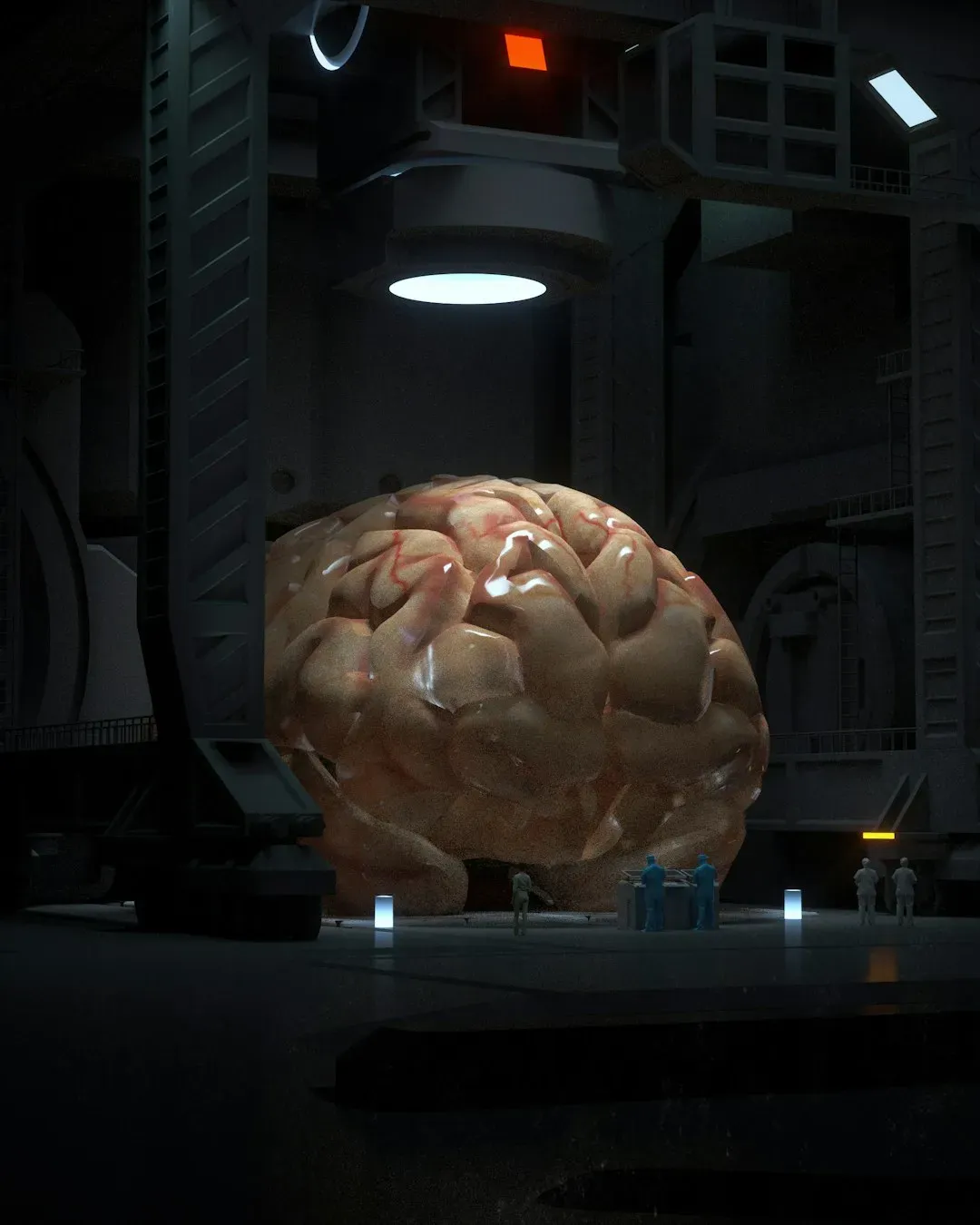
It is important to emphasize that the mainstream scientific community remains divided, and in many cases deeply skeptical, about claims that consciousness survives death in any meaningful sense. Most neuroscientists continue to argue that experiences reported after cardiac arrest can be explained by brief surges of brain activity, memory reconstruction, or psychological factors that kick in as the system collapses. They point out that measuring brain activity is incredibly challenging in emergency situations, and that even very low-level signals might be enough to support vivid experiences. For them, the burden of proof lies squarely with those proposing extra-brain explanations.
On the other side, a smaller but vocal group of researchers insists that some data simply does not fit the standard narrative. They argue that verifiable perceptions during apparent flatline states, the consistency of certain near-death motifs across cultures, and the sheer intensity of reported transformations afterward hint at something more than chemistry. The conversation can get heated, in part because both sides fear misuse: skeptics worry about pseudoscience and exploitation, while proponents worry that fear of being labeled unscientific is shutting down lines of inquiry. In that tension, though, there is a healthy reminder that science advances not by certainty but by wrestling with uncomfortable evidence and refusing easy answers.
- Many large-scale near-death studies involve hundreds or even thousands of patients across multiple hospitals.
- Only a relatively small fraction report structured, detailed conscious experiences, but their accounts often share striking patterns.
- Most researchers on all sides agree that clearer brain monitoring during cardiac arrest will be crucial for future progress.
Future Horizons: How Technology Could Probe Consciousness After Death
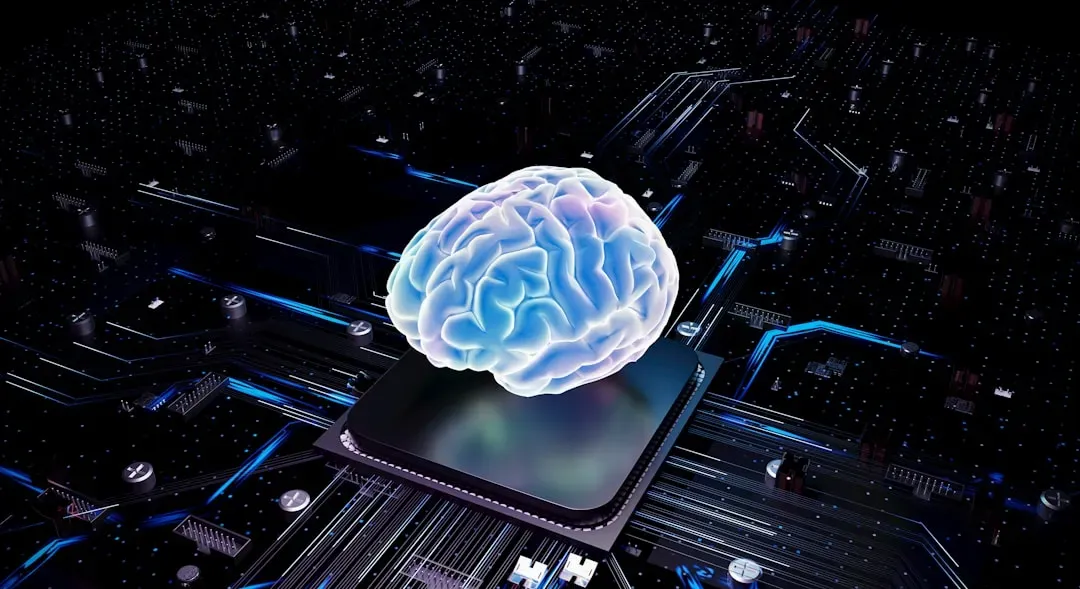
Looking ahead, the question of whether consciousness can survive bodily death will move from philosophical speculation to experimental testing in more sophisticated ways. Advances in brain imaging are already allowing scientists to monitor neural activity at finer scales, even during extreme medical crises. Future intensive care units may routinely use high-density EEG and other tools during cardiac arrest, generating data-rich snapshots of the dying and, occasionally, reviving brain. At the same time, computational models of consciousness are becoming more detailed, giving researchers virtual laboratories to explore what kinds of systems can support something like inner experience.
Parallel to this, emerging fields like quantum biology and information theory are probing how life and mind interact with the physical world at deeper levels. New experiments could test whether certain signatures of consciousness – integrated information, for example – can exist independently of classical neural structures. There are also speculative proposals for digital “mind uploading,” which force us to ask whether copying patterns of brain activity into a machine would transfer conscious awareness or merely simulate it. None of this guarantees we will answer the survival question anytime soon, and there is a real risk of overpromising. Still, each technological leap gives us sharper tools to separate comforting stories from testable possibilities.
Call to Action: Staying Curious in the Face of the Ultimate Question
Most of us will not spend our lives running cardiac arrest studies or building quantum models of consciousness, but that does not mean we are mere spectators in this debate. The way we talk about death with our families, the questions we ask our doctors, and the stories we choose to share all shape the cultural climate in which this research unfolds. We can support rigorous, open-minded science by resisting both easy dismissal and uncritical belief, holding space for uncertainty while insisting on solid evidence. Even small steps – reading beyond headlines, discussing end-of-life wishes early, or attending public talks on brain and mind – help normalize conversations that many people still avoid until it is too late.
There are also concrete ways to get involved. Some hospitals and universities welcome volunteers for longitudinal studies on consciousness, brain health, and near-death experiences. Ethical, well-designed research needs participants who understand that not every experiment will yield dramatic results, but all contribute tiny pieces to a larger puzzle. By staying curious and engaged, we honor both our scientific instincts and our very human need to make sense of what may lie beyond the edge of the known. In the end, whether consciousness survives death or not, the seriousness with which we approach the question says something important about who we are.
Suhail Ahmed is a passionate digital professional and nature enthusiast with over 8 years of experience in content strategy, SEO, web development, and digital operations. Alongside his freelance journey, Suhail actively contributes to nature and wildlife platforms like Discover Wildlife, where he channels his curiosity for the planet into engaging, educational storytelling.
With a strong background in managing digital ecosystems — from ecommerce stores and WordPress websites to social media and automation — Suhail merges technical precision with creative insight. His content reflects a rare balance: SEO-friendly yet deeply human, data-informed yet emotionally resonant.
Driven by a love for discovery and storytelling, Suhail believes in using digital platforms to amplify causes that matter — especially those protecting Earth’s biodiversity and inspiring sustainable living. Whether he’s managing online projects or crafting wildlife content, his goal remains the same: to inform, inspire, and leave a positive digital footprint.