
Ever stared at the night sky and wondered what makes you, well, you? What creates that inner sense of awareness, that feeling of being alive inside your head? For centuries, consciousness has been one of the great mysteries. Scientists have studied the brain, mapped neurons, and traced electrical signals. Yet somehow, they still can’t quite explain how a bunch of cells talking to each other creates your experience of being.
Now there’s a fascinating new angle gaining traction. Researchers are proposing that consciousness might not just be neurons firing in patterns. Instead, it could be rooted in something far stranger and more fundamental. Think quantum mechanics, the weird science that governs the tiniest particles in existence. Let’s dive in.
The Quantum Brain Connection
Recent research suggests that conscious states may arise from the brain’s capacity to resonate with the quantum vacuum – the zero-point field that permeates all of space, with macroscopic quantum effects potentially at play inside your head, involving the brain’s basic functional building blocks coupling directly to this field. This isn’t some sci-fi fantasy. Real physicists are running actual experiments to test these ideas.
The intriguing part is that quantum coherence might be surprisingly stable in the warm, noisy brain, protected by energy gaps within coherence domains. For years, skeptics dismissed quantum effects in biological systems, arguing the brain was too hot and messy for delicate quantum processes. That objection has started crumbling.
Microtubules and the Mystery of Awareness
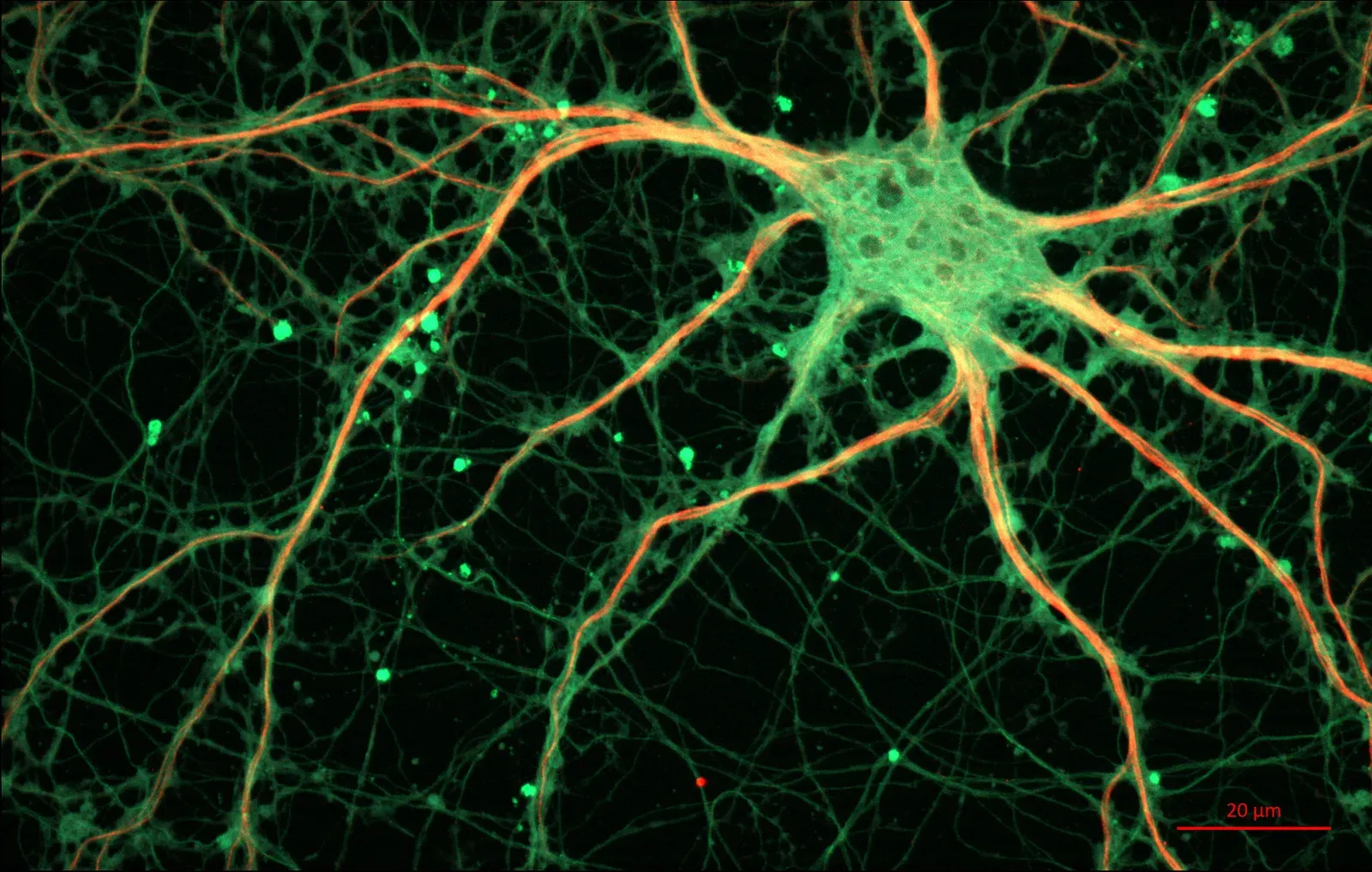
Here’s where it gets really interesting. Experimental evidence now points to intraneuronal microtubules as a functional target of inhalational anesthetics, consistent with the hypothesis that consciousness is a collective quantum state of microtubules. Microtubules are tiny structures inside your brain cells, part of the cellular scaffolding.
Think of them as the skeleton within neurons. The recent discovery of quantum vibrations in microtubules inside brain neurons corroborates theories linking consciousness to these deeper level activities, according to researchers including Stuart Hameroff and Sir Roger Penrose. When scientists tested this with anesthesia, something remarkable happened. When rats received a drug that binds to microtubules, it took them significantly longer to fall unconscious under anesthetic gas, suggesting the anesthetic acts on microtubules to cause unconsciousness.
The Penrose-Hameroff Orchestrated Reduction Theory
The theory called orchestrated objective reduction, first put forward by mathematical physicist Sir Roger Penrose and anesthesiologist Stuart Hameroff, suggests quantum vibrational computations in microtubules are orchestrated by synaptic inputs and memory stored there. I know it sounds complex, but bear with me.
Essentially, they’re proposing that consciousness emerges when quantum states in microtubules reach a certain threshold and collapse into a definite state. This self-tuning process they call Orch OR provides a connection among pre-conscious to conscious transition, fundamental space-time notions, non-computability, and binding of various reductions into an instantaneous event. It’s one of the most comprehensive theories attempting to bridge quantum physics and conscious experience.
Entangling Your Brain With Quantum Computers
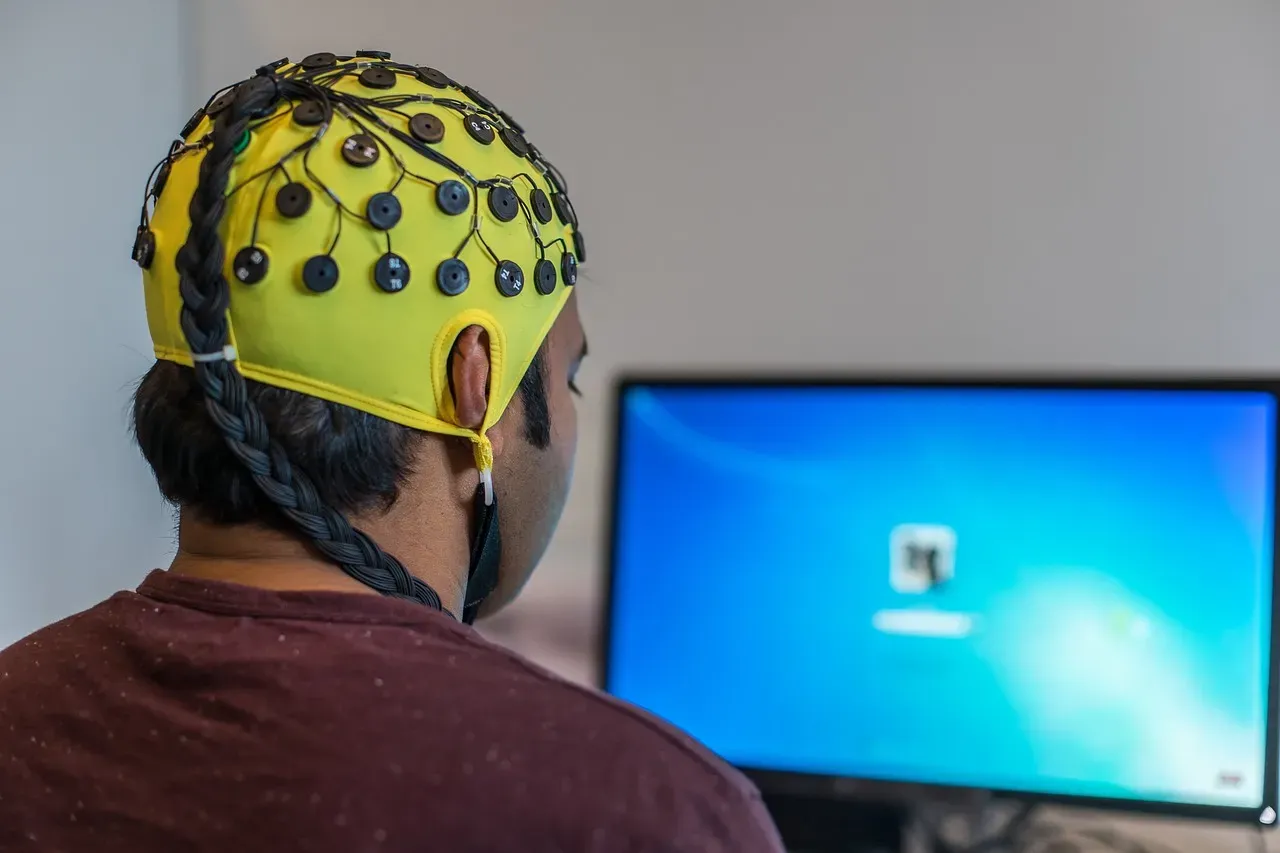
Let’s be real, this next part sounds like something out of a science fiction novel. Researchers propose experimental setups that combine human brains and quantum computers, including entangling a person’s brain with qubits in a quantum processor to determine whether participants report richer or altered conscious experiences.
This expansion protocol hypothesizes that entanglement might temporarily enhance conscious awareness by increasing the informational complexity available to the brain. Scientists at Google’s Quantum AI lab are seriously exploring this possibility. Imagine expanding your consciousness by linking with a quantum system. It’s hard to wrap your mind around, yet the experiments are being designed right now.
Evidence From Anesthesia Research

One of the strongest pieces of evidence comes from an unexpected source. In a study, researchers explored how four forms of xenon, chemically identical but differing in their quantum spin property, affected consciousness, observing different anesthetic effects in mice. That’s wild when you think about it. Same chemical, different quantum properties, different effects on consciousness.
The finding suggested a link between quantum processes and the modulation of consciousness, with the hypothesis that the xenon form with larger spin value might create larger superpositions, correlating with more complex conscious experiences and counteracting anesthetic effects. If quantum states influence how you lose and regain consciousness, that’s a smoking gun pointing toward quantum involvement in awareness itself.
Direct Evidence of Quantum Effects in Living Brains
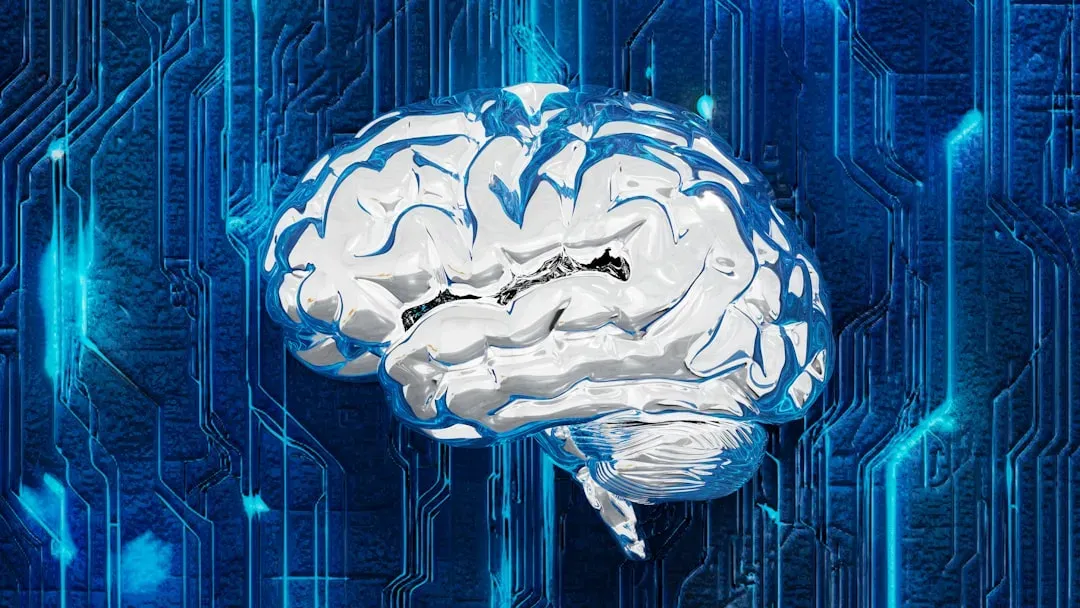
Evidence shows that functionally relevant quantum effects occur in microtubules at room temperature, with direct physical evidence of a macroscopic quantum entangled state in the living human brain correlated with the conscious state and working memory performance. Scientists have actually detected these quantum signatures in living, functioning brains. Not in a petri dish or computer simulation, but in actual human brains.
The observed signal implied an entangled brain state capable of coupling with nuclear spins in water molecules, with the fidelity of this signal correlating with short-term memory performance and the presence or absence of the conscious state itself in sleep versus waking. This research is groundbreaking because it connects quantum phenomena directly to measurable aspects of consciousness and cognitive function.
The Zero-Point Field and Your Conscious Experience
There’s an even more mind-bending proposal making waves in the scientific community. According to quantum electrodynamics, the vacuum is not empty but filled with a fluctuating ocean of energy known as the electromagnetic zero-point field, and calculations demonstrate that specific frequencies of this field can resonate with glutamate, the brain’s most abundant neurotransmitter.
If this model proves correct, consciousness arises not merely from electrochemical signaling but from a bottom-up orchestration involving the brain’s resonant coupling to the zero-point field, with awareness tied to the selective excitation of these modes. This suggests your consciousness might literally be connected to the fabric of the universe itself. It’s a radical idea that blurs the line between mind and cosmos.
What This Means for Understanding Ourselves
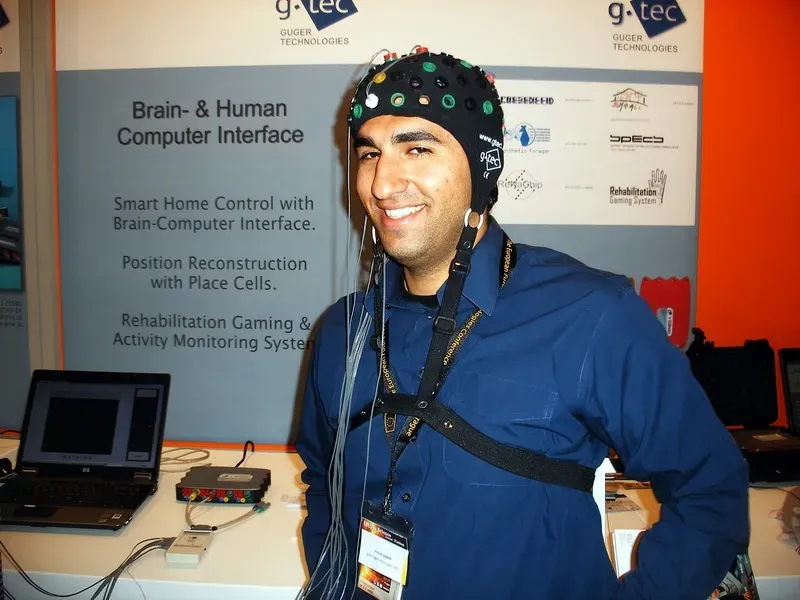
The classical versus quantum debate about consciousness is profoundly significant, with the acceptance that mind is a quantum phenomenon potentially ushering in a new era in understanding what we are. This isn’t just abstract philosophy. It could reshape how we think about mental illness, coma patients, animal consciousness, and even artificial intelligence.
This quantum perspective could revolutionize our understanding of consciousness and its broader implications, potentially impacting the treatment of mental illnesses and our understanding of human connection to the universe. Honestly, the implications are staggering. If consciousness operates on quantum principles, it opens doors we didn’t even know existed. It challenges the notion that we’re just biological machines and suggests something far more mysterious is happening inside your skull.
The research continues, experiments are being designed, and scientists are pushing the boundaries of what we thought possible. Whether consciousness is fundamentally quantum remains an open question, but the evidence is mounting in intriguing ways. Did you expect that your awareness might be linked to the quantum fabric of reality itself? What do you think about it? Tell us in the comments.