
Two people can stand in the same room, at the same moment, looking at the same thing – and experience it completely differently. Not because one of them is wrong, but because the brain you carry inside your skull is unlike any brain that has ever existed. It is shaped by everything you have lived through, every fear you’ve felt, every color you’ve ever named, every memory you’ve filed away since the day you were born.
The idea that we all share one unified, objective reality is, honestly, one of the most convincing illusions the brain ever pulls off. Neuroscience has been slowly, methodically dismantling that illusion for decades. What’s left in its place is something far more remarkable. Let’s dive in.
Your Brain Is Not a Camera – It’s a Storyteller
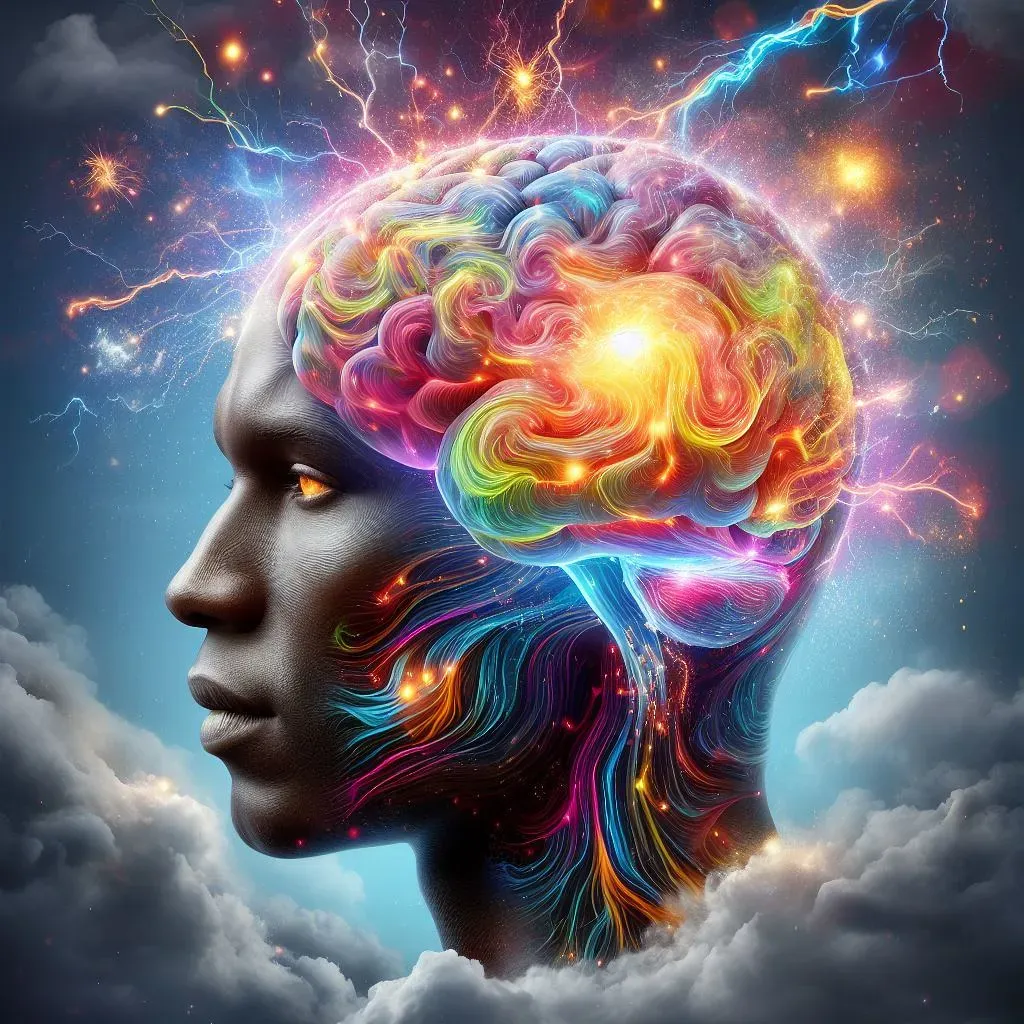
The deeper truth is that perception is never a direct window onto an objective reality. All our perceptions are active constructions, brain-based best guesses at the nature of a world that is forever obscured behind a sensory veil. Think of it like this: your brain is not recording what’s out there. It’s writing a screenplay about it.
As neuroscientist Patrick Cavanagh, a research professor at Dartmouth College, puts it, “It’s really important to understand we’re not seeing reality. We’re seeing a story that’s being created for us.” Most of the time, the story your brain generates matches the real, physical world – but not always. The truly unsettling part? You’d never know the difference.
The Sensory Veil: How Little You Actually Perceive
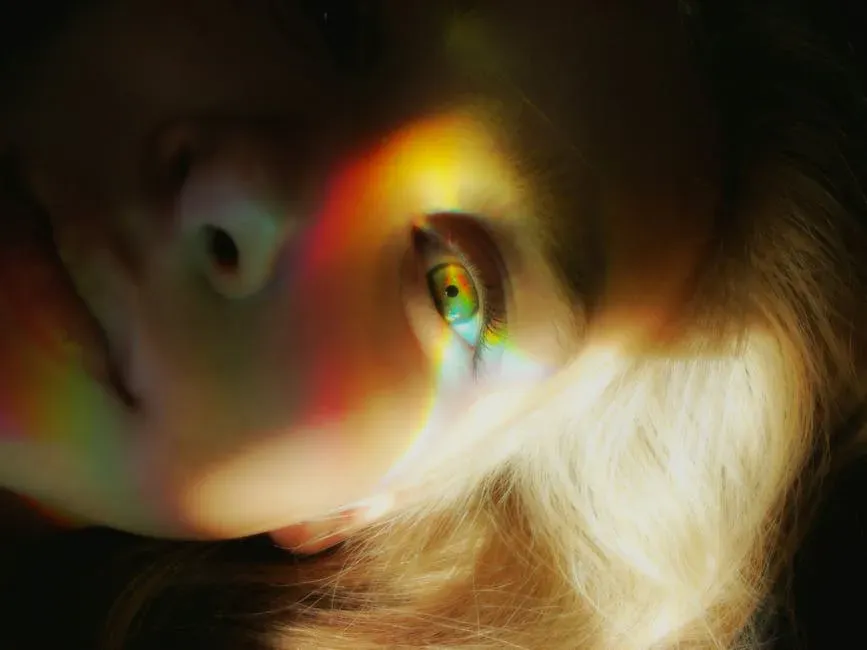
We have known since Isaac Newton that colors do not exist out there in the world. Instead, they are cooked up by the brain from mixtures of different wavelengths of colorless electromagnetic radiation. That vivid red apple sitting on your kitchen counter is, in a very real sense, a color your brain invented.
Colors are a clever trick that evolution hit on to help the brain keep track of surfaces under changing lighting conditions. Humans can sense only a tiny slice of the full electromagnetic spectrum, nestled between the lows of infrared and the highs of ultraviolet. Every color you perceive, every part of the totality of your visual world, comes from this thin slice of reality. When you consider just how narrow that window is, the mystery deepens fast.
The Prediction Machine Inside Your Skull
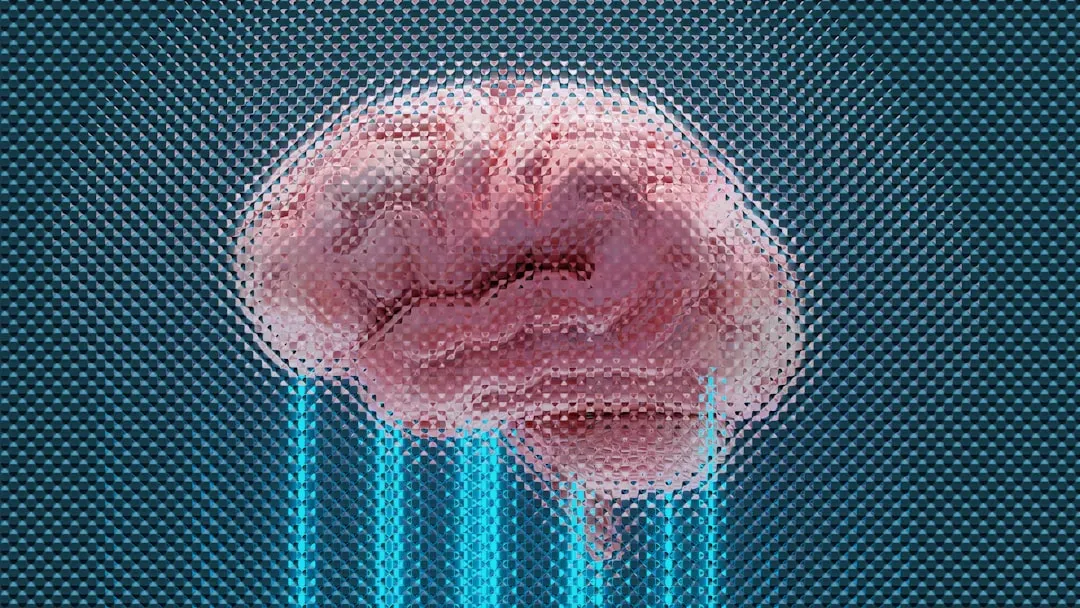
In neuroscience, predictive coding is a theory of brain function which postulates that the brain is constantly generating and updating a “mental model” of the environment. According to the theory, such a mental model is used to predict input signals from the senses that are then compared with the actual input signals from those senses. Your brain isn’t waiting for information to arrive – it’s already written the next scene before your eyes even process the image.
Predictive coding is a theory that the brain works by constantly generating predictions about incoming sensory data, then updating only when those predictions fail. Instead of passively processing inputs from the bottom up, the brain actively predicts from the top down – and only the prediction errors travel upward. Perception is mostly prediction corrected by reality. It’s a breathtakingly efficient system. And it’s also the reason two people can hear the same sentence and understand something completely different.
How Your Personal History Rewires What You See
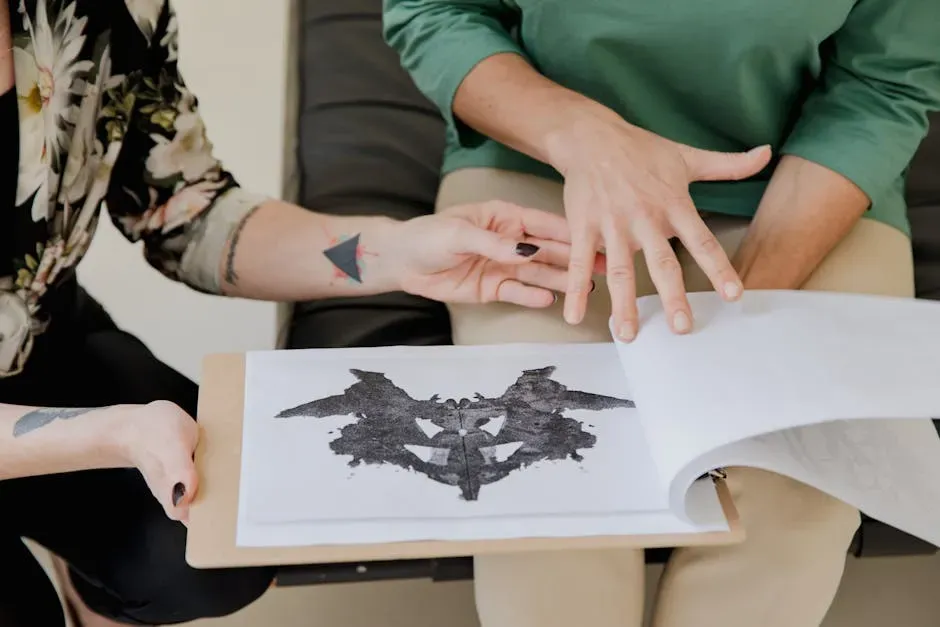
For decades, research has shown that our perception of the world is influenced by our expectations. These expectations, also called “prior beliefs,” help us make sense of what we are perceiving in the present, based on similar past experiences. Consider a seasoned physician and a first-year medical student looking at the same X-ray. A shadow easily missed by a less experienced intern jumps out at the seasoned physician. The physician’s prior experience helps her arrive at the most probable interpretation of a weak signal.
Memory is not a simple, unchanging repository of past experiences. Rather, it is an active, malleable system that continuously interacts with our perceptions, emotions, and sense of self. Memory serves as the foundation upon which we build our understanding of the world, influencing everything from our daily decisions to our long-term beliefs and attitudes. In other words, your past literally restructures your present. Every. Single. Day.
When the Brain Gets It Wrong – and Doesn’t Know It
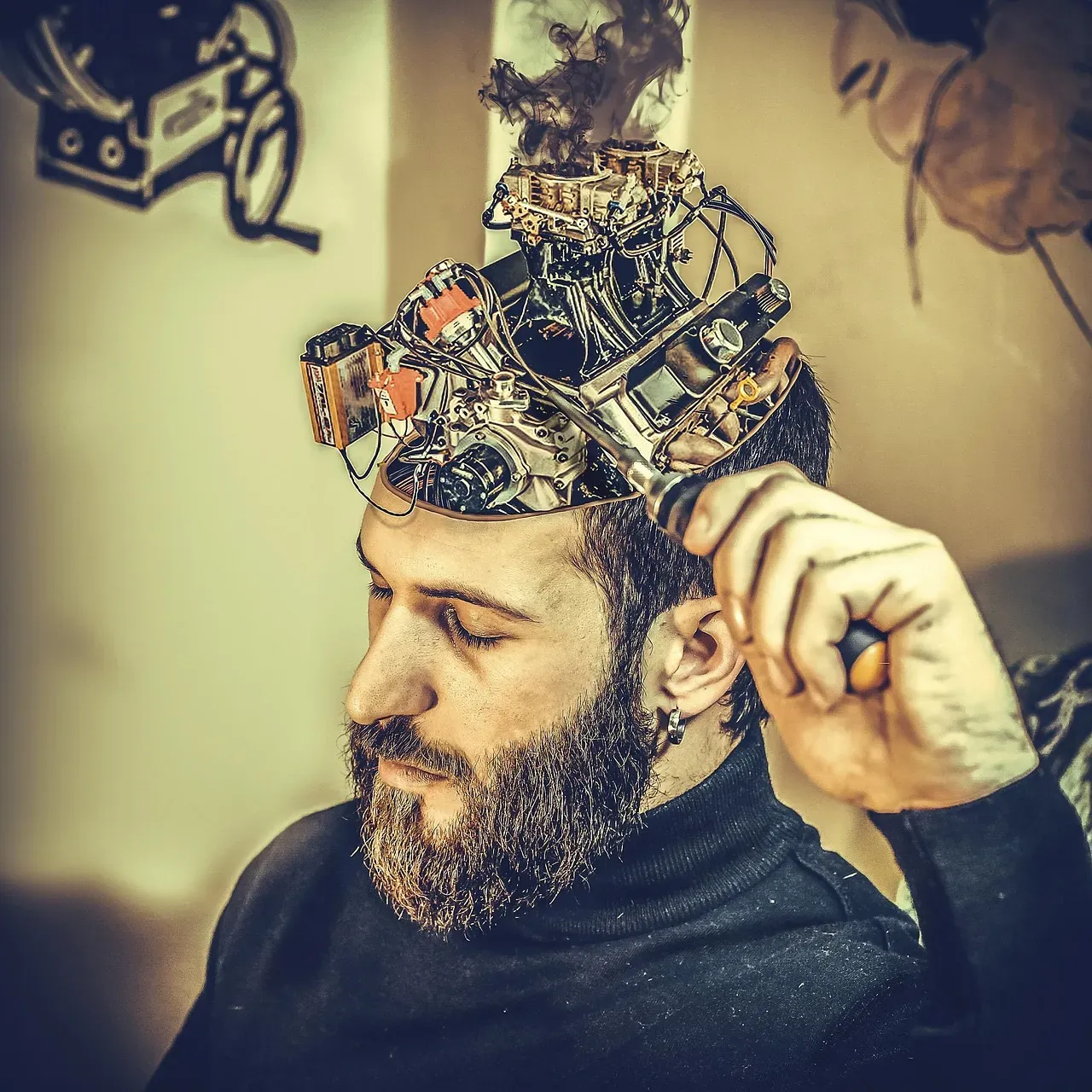
Your brain also unconsciously bends your perception of reality to meet your desires or expectations. It fills in gaps using your past experiences. All of this can bias you. Here’s the thing – this isn’t a flaw in the system. It’s the system working exactly as designed.
Confirmation bias can cause you to remember information that aligns with your existing beliefs while forgetting or distorting information that contradicts them. Similarly, reconstructive memory suggests that when you recall an event, your brain fills in gaps with plausible details, which may or may not be accurate. This can result in a memory that feels vivid and real, but may not be entirely faithful to the actual event. So even the past you remember is, to some degree, a story your brain polished up for you. Uncomfortable? A little. Fascinating? Absolutely.
Your Brain Is Always Living Slightly in the Past and the Future Simultaneously
The esteemed neuroscientist Gerald Edelman described daily experience as “the remembered present.” You might feel like you simply react to events that happen around you, but in fact, your brain constantly and invisibly guesses what to do next and what you will experience next, based on memories that are similar to the present moment. It’s hard to fully absorb this, but your brain is essentially always operating on a slight delay, patching in its best predictions to make the flow of experience feel seamless.
Conscious perception, remembering, and imagining may not be separate mental acts. Instead, they may reflect a single process in which the brain builds and updates a working model of reality over time. Scientists from Boston University, Queensland University of Technology, and the University of Toronto have proposed that the same brain systems used to remember the past also shape conscious experience of the present and expectations of the future. Past, present, and future aren’t as separate as you think inside that three-pound organ.
Why No Two Realities Are Ever the Same
The brain of some individuals constructs reality in a very different way than others. From experiencing phenomena like tasting numbers to not recognizing something as common as an apple, reality is not the same for everyone. These aren’t extreme edge cases – they’re vivid demonstrations of just how far individual brain differences can go. I think they should make all of us pause before insisting someone else “just isn’t seeing things clearly.”
Research highlights that the highly dynamic nature of aperiodic brain activity may form unique connectivity patterns for each individual, which act as a “brain fingerprint” reflecting subjective conscious experiences. Your brain doesn’t just process the world differently from mine – it has a literal neural signature that belongs to you alone. The reality you experience, the way things seem, is not a direct reflection of what is actually out there. It is a clever construction by the brain, for the brain. If your brain is different from another person’s brain, your reality may be different from theirs, too.
Conclusion: Seven Billion Worlds, One Planet
Let’s be real for a moment: the idea that we each walk around inside a reality uniquely constructed by our own brains is both humbling and quietly thrilling. It explains so much – why two people can share the same experience and describe it in entirely different emotional terms, why arguments about what “really” happened are often impossible to resolve, and why empathy is both so necessary and so genuinely difficult.
Understanding the constructive, creative mechanisms of perception has unexpected social relevance. Perhaps once we can appreciate the diversity of experienced realities scattered among the billions of perceiving brains on this planet, we will find new platforms on which to build a shared understanding and a better future. That’s not just a scientific insight. That’s a call for radical curiosity about other people’s inner worlds.
Your brain has been writing your personal reality since the moment you were born, stitching together a seamless narrative from fragments of sensation, memory, prediction, and feeling. It does this so convincingly that you’ve probably never once doubted that the world you see is the world that’s there. Now that you know otherwise – does that change anything about how you’ll listen to the person next to you today?