
Most of us go through life assuming our brains are pretty much finished products. Fixed. Set. Done developing somewhere around our mid-twenties. Honestly, that idea is understandable, but it turns out to be wonderfully, fascinatingly wrong.
We are living in a remarkable scientific moment. Neuroscientists, physicists, philosophers, and even AI researchers are converging on a series of discoveries that suggest the human brain is not just still evolving, it may be right on the edge of its next great leap. A leap not measured in millions of years, but perhaps in decades. Let’s dive in.
The Ancient Blueprint, Still Being Rewritten
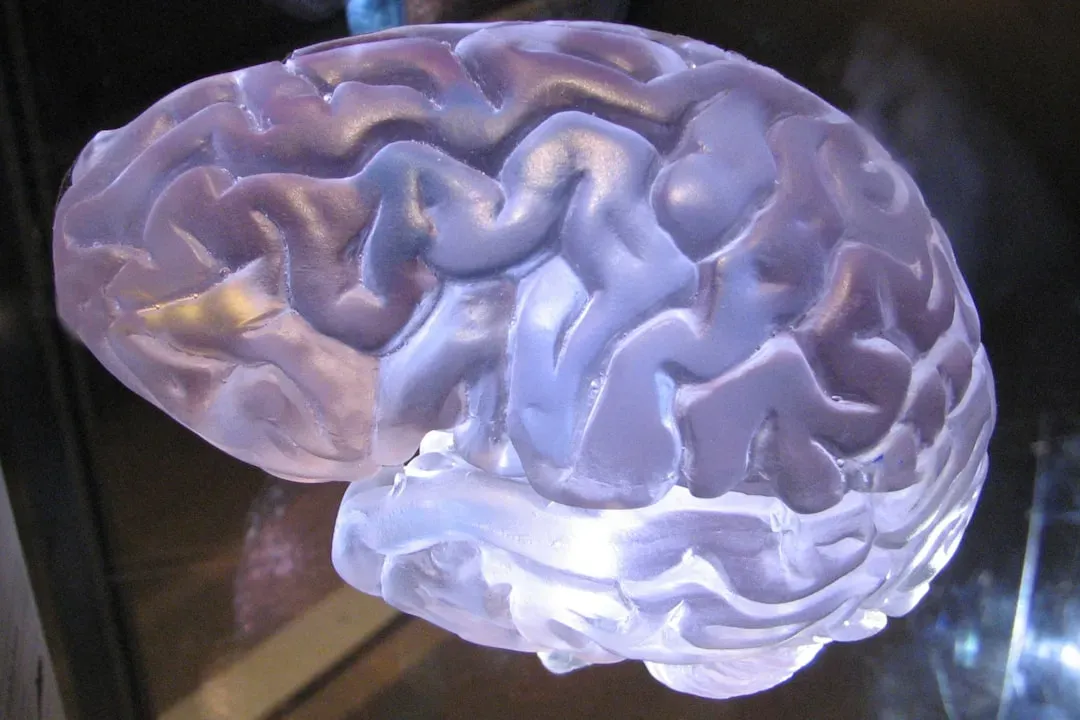
Your brain is not a finished masterpiece. It is a work in progress that evolution has been editing for roughly two million years. Cranial capacity data from nearly 200 hominin fossils spanning the last seven million years, combined with cultural artefacts of increasing complexity in the archaeological record, reveal a clear concordant progression of brain size and cognitive development, showing several distinct quantum leaps along the timeline. Think of it like successive software upgrades on the same basic hardware, each one unlocking entirely new capabilities that the previous version couldn’t imagine.
At first, humans left the canonical evolutionary pathway by enhancing their fitness using sophisticated tools and fire, then turned into a symbolic species, and now humanity faces a new challenge described as “intentional evolution.” That last stage, the one we are currently living through, may be the most dramatic shift of all. We are no longer passively waiting for nature to nudge us forward. We are beginning to actively steer.
You Are Growing New Brain Cells Right Now
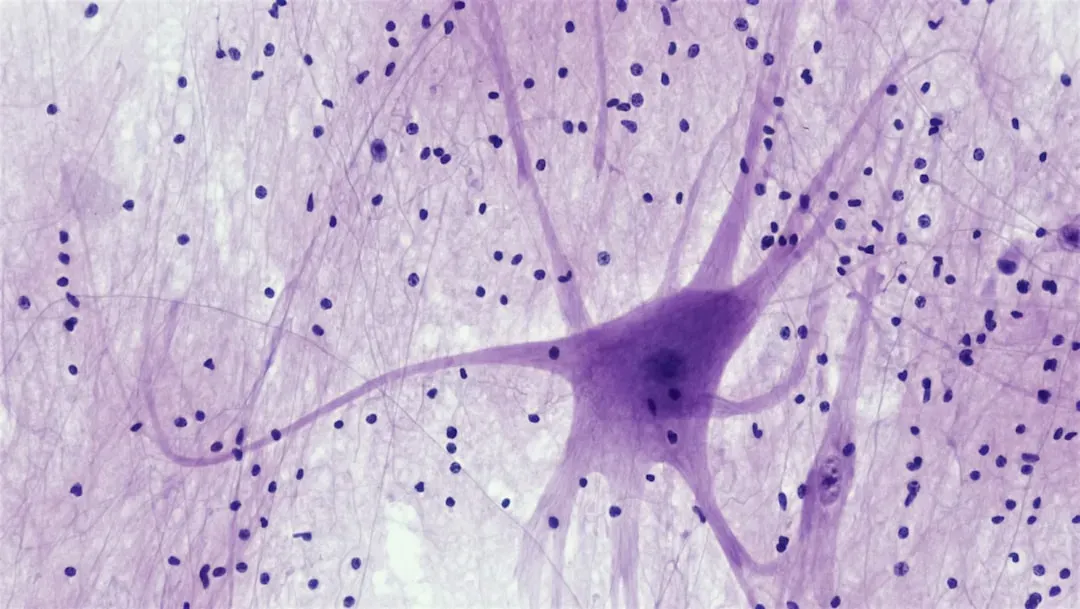
Here’s the thing that genuinely shocked the neuroscience world. For most of the twentieth century, scientists believed you were born with all the neurons you would ever have. That idea has now been completely overturned. Researchers from Sweden discovered that the human brain continues to grow new cells in the memory region called the hippocampus even into old age. Using advanced tools to examine brain samples from people of all ages, the team identified the early-stage cells that eventually become neurons, confirming that our brains remain more adaptable than previously believed.
Jonas Frisén, Professor of Stem Cell Research at Karolinska Institutet, confirmed that ongoing formation of neurons is taking place in the hippocampus of the adult brain. Interestingly, there were large variations between individuals, with some adult humans having many neural progenitor cells while others had hardly any at all, giving researchers an important piece of the puzzle in understanding how the human brain works and changes during life. In short, your neurological potential is not cast in stone at birth. The door stays open far longer than anyone ever thought.
Neuroplasticity: The Brain’s Secret Superpower
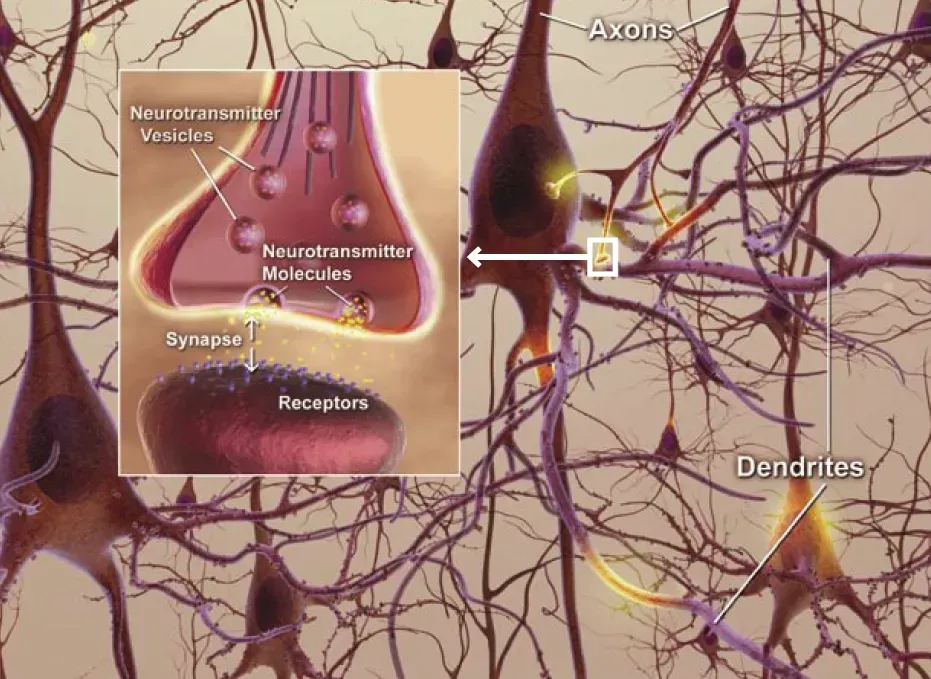
Scientists used to think the brain stopped growing after childhood, but now we know the brain keeps changing throughout adulthood, though younger brains change more easily than adult ones. This capacity, called neuroplasticity, is essentially your brain’s ability to physically rewire itself in response to experience. It is like having internal construction crews who never fully clock out. The brain can strengthen connections between neurons, create new neurons, and rebuild its circuits.
Elevated neurogenesis, supported by exercise and enriched environments, correlates with improved mood and memory. Exercise particularly has a significant effect on hippocampal neuroplasticity and neurogenesis, with regular physical activity enhancing the synthesis of brain-derived neurotrophic factor, an essential neurotrophin that promotes neuronal survival and the development of new synapses and neurons. Put simply, every time you go for a run, learn a language, or even just engage deeply with a new idea, you are literally reshaping your brain’s physical structure.
The Hard Problem: What Consciousness Actually Is
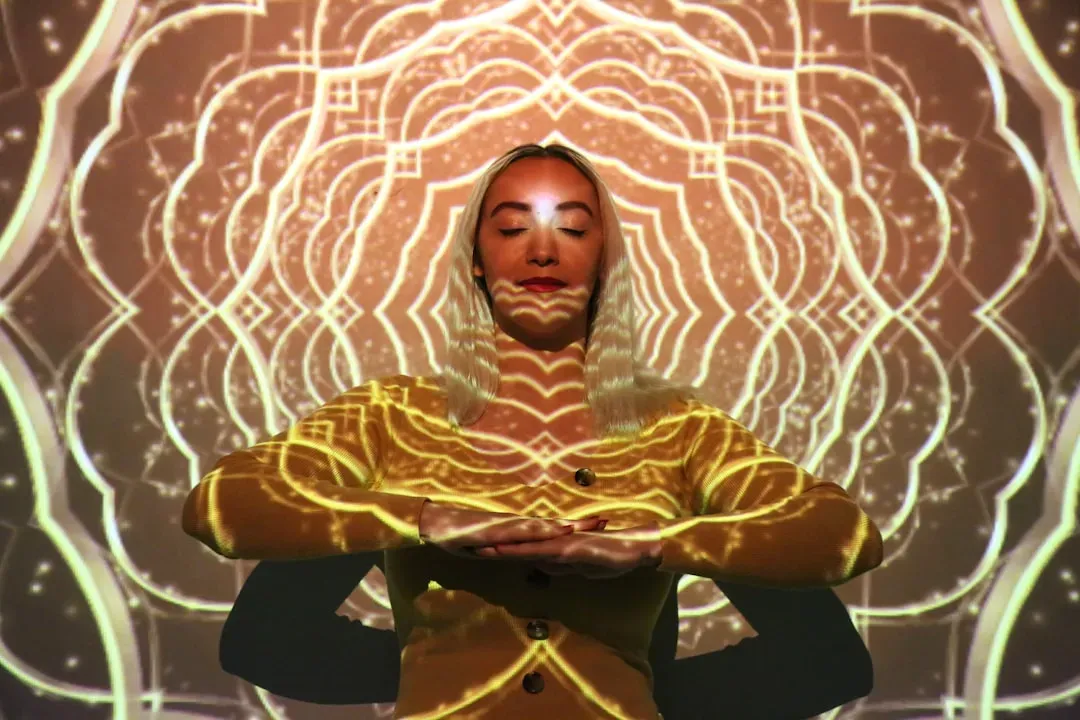
Forget about where consciousness lives for a moment. The deeper, more mind-bending question is what it actually is. The greatest mystery about the brain is how it creates consciousness, specifically how the activity of tens of billions of neurons creates your experience of the world. I know it sounds crazy, but despite centuries of philosophy and decades of neuroscience, there is no agreed answer. Scientists have many theories of consciousness, and two recently went head-to-head in a scientific face-off, with the results being extremely mixed, challenging some of the central tenets of both theories and highlighting just how much mystery remains.
One compelling new framework proposes biological computationalism, the idea that brains compute, but not in the abstract symbol-shuffling way we usually imagine. Instead, computation is inseparable from the brain’s physical structure, energy constraints, and continuous dynamics, reframing consciousness as something that emerges from a special kind of computing matter, not from running the right program. The analogy that sticks with me: consciousness isn’t the music playing on a speaker, it is the vibration of the speaker itself.
Consciousness May Have Quantum Roots
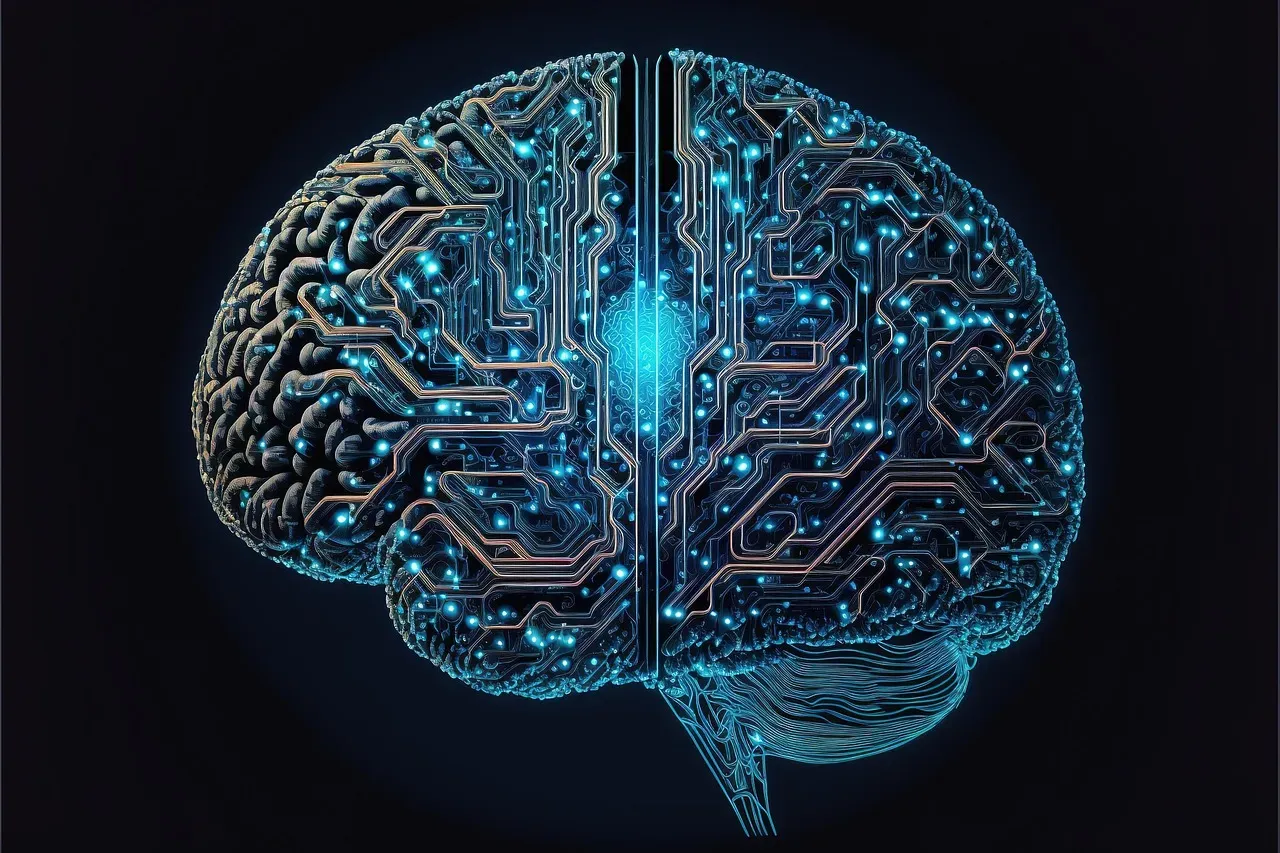
This is where things get genuinely wild. Some researchers are now proposing that the origin of consciousness may reach beyond the realm of neurons and synapses entirely. New evidence published in Frontiers in Human Neuroscience indicates that conscious states may arise from the brain’s capacity to resonate with the quantum vacuum, the zero-point field that permeates all of space, suggesting that macroscopic quantum effects are at play inside our heads. That is not a fringe claim. It is a peer-reviewed hypothesis generating serious scientific attention in 2025 and 2026.
This synthesis suggests that the brain’s basic functional building blocks, cortical microcolumns, couple directly to the zero-point field, igniting the complex dynamics characteristic of conscious processes, with neuroscientists having long observed that conscious states are linked to synchronized brain activity in the beta and gamma ranges. It is hard to say for sure whether this will eventually be confirmed, but the idea that your awareness might be entangled with the fundamental fabric of the universe is the kind of thought that warrants a very long pause.
Tools That Could Unlock the Mystery of the Mind
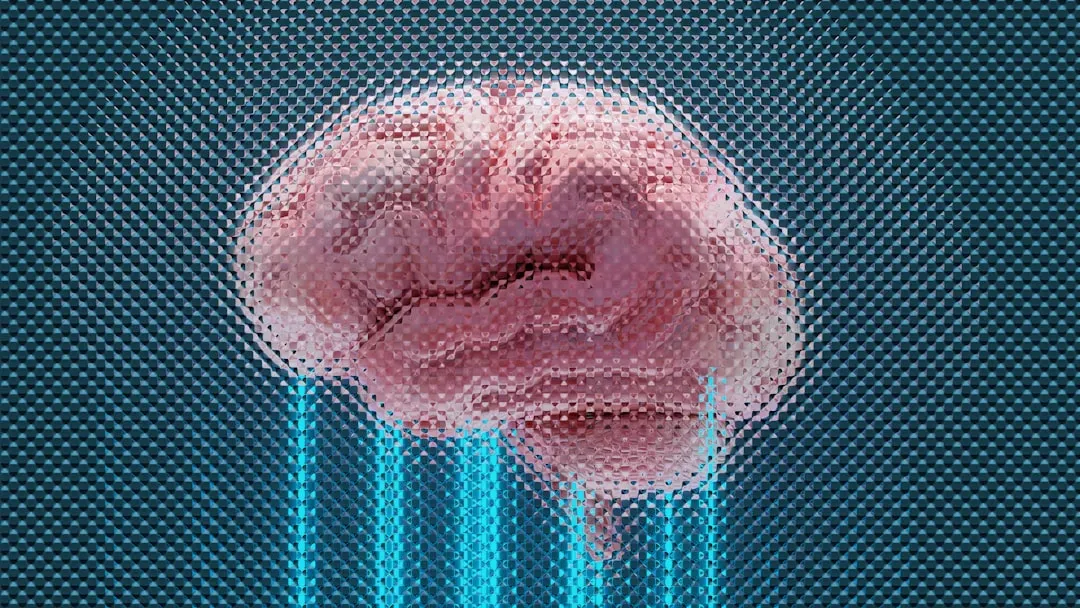
Science only moves as fast as its tools allow. That is why a new technique being developed at MIT is generating so much excitement. Two researchers at MIT are preparing new experiments using transcranial focused ultrasound and have published a detailed “roadmap” for applying it to the study of consciousness, with the technique allowing stimulation of different parts of the brain in healthy subjects in ways not previously possible. Unlike older brain stimulation methods, this approach does not require surgery or electrodes, making it a genuinely powerful new lens on the mind.
Consciousness science could benefit greatly from the development of new experimental methods, just as neuroscience has previously benefited from functional brain imaging, with one promising arena being the opportunity to study consciousness in less constrained, more naturalistic environments. Recently, research has been conducted in more real-world settings using state-of-the-art technologies, with studies using virtual and augmented reality suggesting new ways to study consciousness, potentially in tandem with wearable brain imaging technologies. The lab is, slowly but surely, catching up with the complexity of lived experience.
Meditation and Psychedelics: Accelerating the Leap
There is growing scientific consensus that certain practices and substances can fundamentally alter brain connectivity in measurable, lasting ways. Psychedelics likely enhance creativity by altering brain function, notably the activity of the Default Mode Network, which leads to changes in cognition, potentially reducing latent inhibition, increasing divergent thinking, and promoting implicit learning. Think of the Default Mode Network as your brain’s autopilot. Psychedelics essentially switch it off, forcing entirely new patterns of thought to emerge. Psychedelics also increase connectivity between different brain regions, which is thought to disrupt rigid patterns of thinking and behavior, allowing for more flexible and creative problem-solving as well as the integration of new perspectives and insights.
Enhanced mood and social skills as well as increased brain plasticity, as indicated by increased levels of brain-derived neurotrophic factor, were commonly found in both meditation practitioners and in individuals after the administration of psychedelics. Psychedelics may prompt substantial therapeutic experiences but are limited in sustaining therapeutic change, whereas meditation requires extensive engagement but provides increasingly sustainable benefits over time, suggesting that the two approaches are complementary. In other words, you don’t have to choose between them. They each seem to offer a different key to the same fascinating door.
The Collective Brain: Evolution Goes Global
Perhaps the most audacious idea in current consciousness research is the possibility that evolution is now operating not just on individual brains, but on connected networks of billions of them. The internet, social media, and global connectivity might be fostering a new form of collective consciousness, where humanity acts more as a single organism. Consider that metaphor carefully. Seven billion interconnected minds sharing information in real time could, from an evolutionary perspective, function like one vast neural network learning at an unprecedented scale.
Consciousness evolved as part of the episodic memory system, likely to enable a flexible recombining of information, and was subsequently co-opted to produce other functions such as problem-solving, abstract thinking, and language. Now imagine that same evolutionary logic applied to a globally networked species. The core value of technologies like brain-computer interfaces lies in their ability to break through the informational barriers between the brain and the external world, endowing humans with novel capabilities for information interaction, with their applications set to profoundly influence our understanding of cognition, consciousness, and even self-existence. We may be the first generation to witness, and participate in, an evolutionary transition that our descendants will look back on the way we look back at the development of language.
Conclusion: You Are the Transition
The science is clear on one thing: the brain you were born with is not the brain you have today, and it will not be the brain you carry into the future. You are not a static entity waiting for evolution to act on your distant descendants. You are the current frontier. The fact that new neurons are forming in your hippocampus, that your neural pathways physically reshape with experience, and that researchers are only now beginning to decode what consciousness truly is, all of this points toward something extraordinary.
We stand, as a species, at the threshold of what may be the most significant cognitive transformation in human history. Not because some external force is pushing us there, but because our brains, still evolving, still reaching, are doing what they have always done: finding the next edge and quietly, relentlessly growing toward it.
So here is a thought to sit with: if evolution gave your ancestors fire, language, and abstract thought, what might it be quietly growing inside you right now that you haven’t yet learned to see? What do you think? Share your perspective in the comments below.