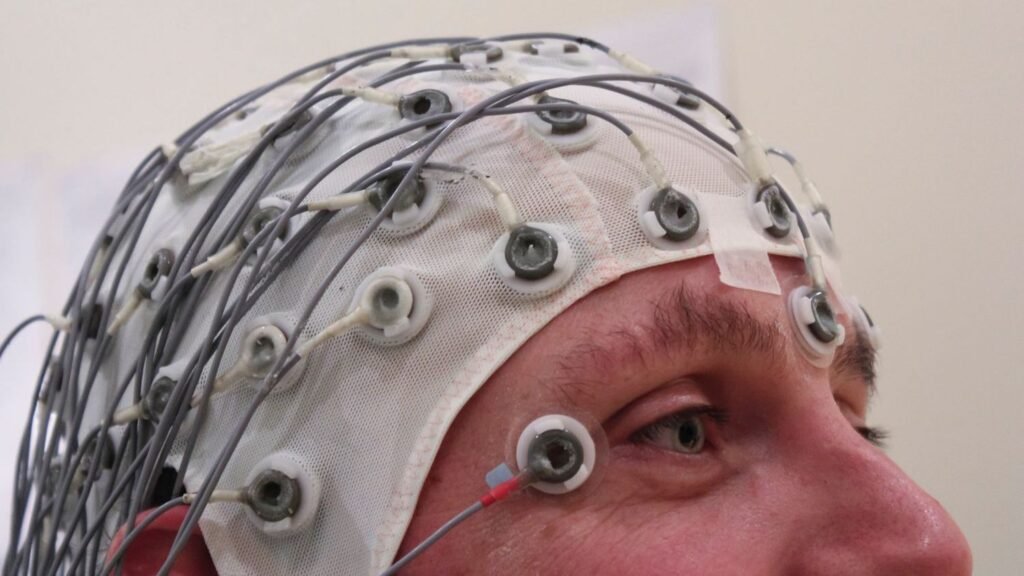

Think about this for a second: the same three pounds of tissue that let you fall in love, remember your first day at school, and worry about the future is still, in many ways, a mystery to science. Neuroscientists can track individual neurons firing and even map entire networks in astonishing detail, yet they still can’t fully explain how those electrical storms become a feeling like “hope” or a memory of your grandmother’s voice. The closer we look, the stranger and more beautiful the brain seems.
In the last few years, advances in brain imaging, genetics, artificial intelligence, and even tiny implanted devices have started to pull back the curtain on what’s going on inside our heads. We’re discovering that the brain is far more flexible, surprising, and hackable than we ever imagined – yet also more fragile and complex than any machine we’ve ever built. What scientists are uncovering now could change how we treat mental illness, recover from injury, learn new skills, and even how we understand who we are.
The Brain’s Hidden Landscapes: Mapping the Mind in Unprecedented Detail
Not long ago, brain scans were fuzzy color blobs that showed which region “lit up” during a task. Now, ultra-high‑resolution MRI, advanced microscopy, and massive brain-mapping projects are revealing something closer to a living atlas of highways, back roads, and tiny side streets inside your head. Instead of just saying “this is the vision area,” scientists can track specific networks that handle edges, motion, faces, or even the emotional importance of an image. It’s like going from a sketchy tourist map to a full 3D street view of an entire continent.
Large-scale efforts that reconstruct the connections between neurons are showing that the brain isn’t neatly divided into little labeled boxes. Instead, networks overlap and talk to each other constantly, like an enormous city where every neighborhood has side deals with every other one. Emotional circuits interact with memory and decision-making, movement regions blend into planning systems, and even “resting” brain networks quietly shape our sense of self. The more precisely we map these internal landscapes, the more we realize how wrong the old simple diagrams were.
Plasticity: Your Brain Is Constantly Rewriting Itself
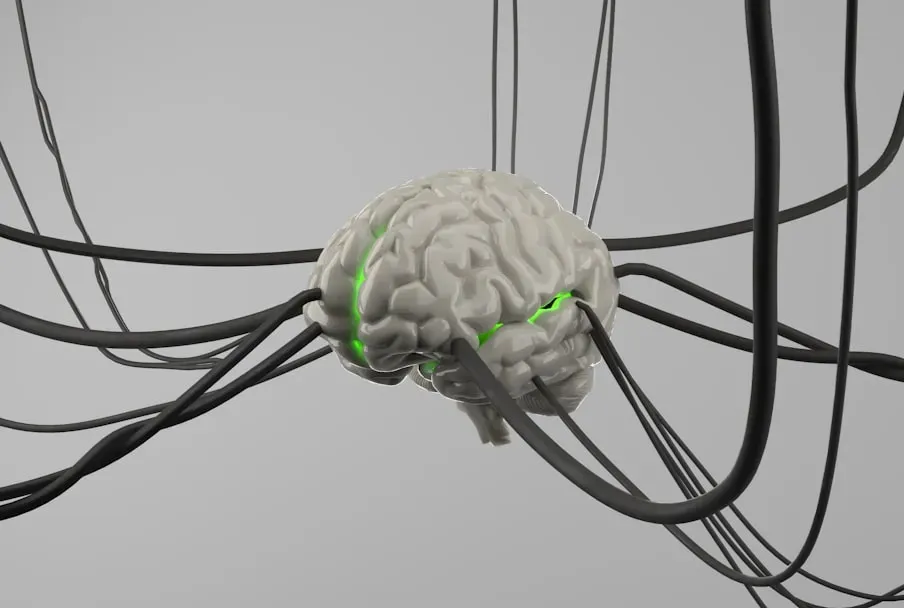
For decades, people were told that the brain more or less “set” in adulthood and then slowly declined, like a machine that wears out. Modern neuroscience has torn that idea to shreds. We now know that the brain rewires itself constantly in response to what you do, what you feel, and even what you pay attention to. Neurons strengthen connections that get used frequently and weaken ones that are ignored, like well-trodden paths in a forest compared to trails that slowly vanish when nobody walks them.
This plasticity shows up in dramatic ways. Stroke patients can relearn to move a paralyzed limb by training undamaged brain regions to take over lost functions. People who lose a sense, like vision or hearing, often develop heightened abilities in other senses because their cortex adapts. Even everyday habits – learning a language, picking up a new sport, practicing meditation – leave measurable fingerprints in the brain’s structure and connectivity. It’s both inspiring and uncomfortable: your brain is not fixed, and who you become is partly a result of how you “train” it, intentionally or not.
Memories Are Not Files: How the Brain Rebuilds the Past
Most of us imagine memory like a mental filing cabinet: you store an event once and then pull it out later. Neuroscience has largely demolished that metaphor. Memories are patterns spread across many brain regions, and every time you recall one, your brain actively reconstructs it rather than simply “playing it back.” During this reconstruction, details can be nudged, edited, or even rewritten, especially if strong emotions or new information get mixed in. Remembering is less like watching a recording and more like retelling a favorite story that slowly changes over the years.
Researchers have also found that memories are surprisingly fragile just after they’re recalled. When a memory is reactivated, it briefly enters a flexible state where it can be altered before being saved again, a process called reconsolidation. This is both scary and hopeful. On the one hand, it means our cherished memories are less trustworthy than we think. On the other hand, it opens the door to new therapies, where painful or traumatic memories might be safely reshaped so they no longer have the same grip on a person’s life. The brain, it turns out, treats the past as negotiable.
Consciousness: The Everyday Miracle We Still Can’t Explain

You can point to the brain circuits that control your heartbeat, your breathing, or your reflex to pull your hand away from a hot stove. But how do you point to the part that makes you feel like “you”? Consciousness – the simple fact that you experience the world instead of just reacting to it – is one of the deepest puzzles in science. We know that certain brain networks are particularly active when people report being aware of something, and that when these networks are disrupted by injury, anesthesia, or disease, awareness can vanish or fragment.
Yet nobody has a complete explanation of how electricity and chemistry in a lump of tissue produce the feeling of a sunset, the taste of coffee, or the ache of heartbreak. Competing theories argue about whether consciousness depends on specific regions, global information sharing, or even special patterns of complexity across the whole brain. What we do know is that by studying patients in comas, dream states, or under anesthesia – and by using increasingly sensitive brain measurements – scientists are inching closer to reliable “signatures” of conscious awareness. The fact that we use a conscious mind to investigate consciousness itself makes the whole thing feel like a hall of mirrors.
The Brain–Body Conversation: How Feelings Live in Our Nerves

For a long time, it was common to talk about the mind and body as if they were separate worlds, with the brain somehow floating above the rest. Modern neuroscience and physiology have shredded that illusion. Your brain is constantly chatting with your heart, your gut, your immune system, and your hormones, taking in signals and sending commands in a never‑ending feedback loop. Emotions are not just “in your head”; they’re full‑body events involving changes in heart rate, breathing, posture, and even the community of microbes living in your intestines.
Researchers are finding that this two‑way conversation can influence conditions like anxiety, depression, and chronic pain. The way your brain interprets bodily sensations can shift your mental state, and your mental state can reshape how your body reacts to stress or illness. That’s one reason practices like exercise, slow breathing, and mindfulness can have such wide‑ranging effects: they tug on the nervous system from the bottom up as well as the top down. The line between “psychological” and “physical” turns out to be much blurrier than doctors once believed.
Decoding Thought: Brain–Computer Interfaces and the New Frontier
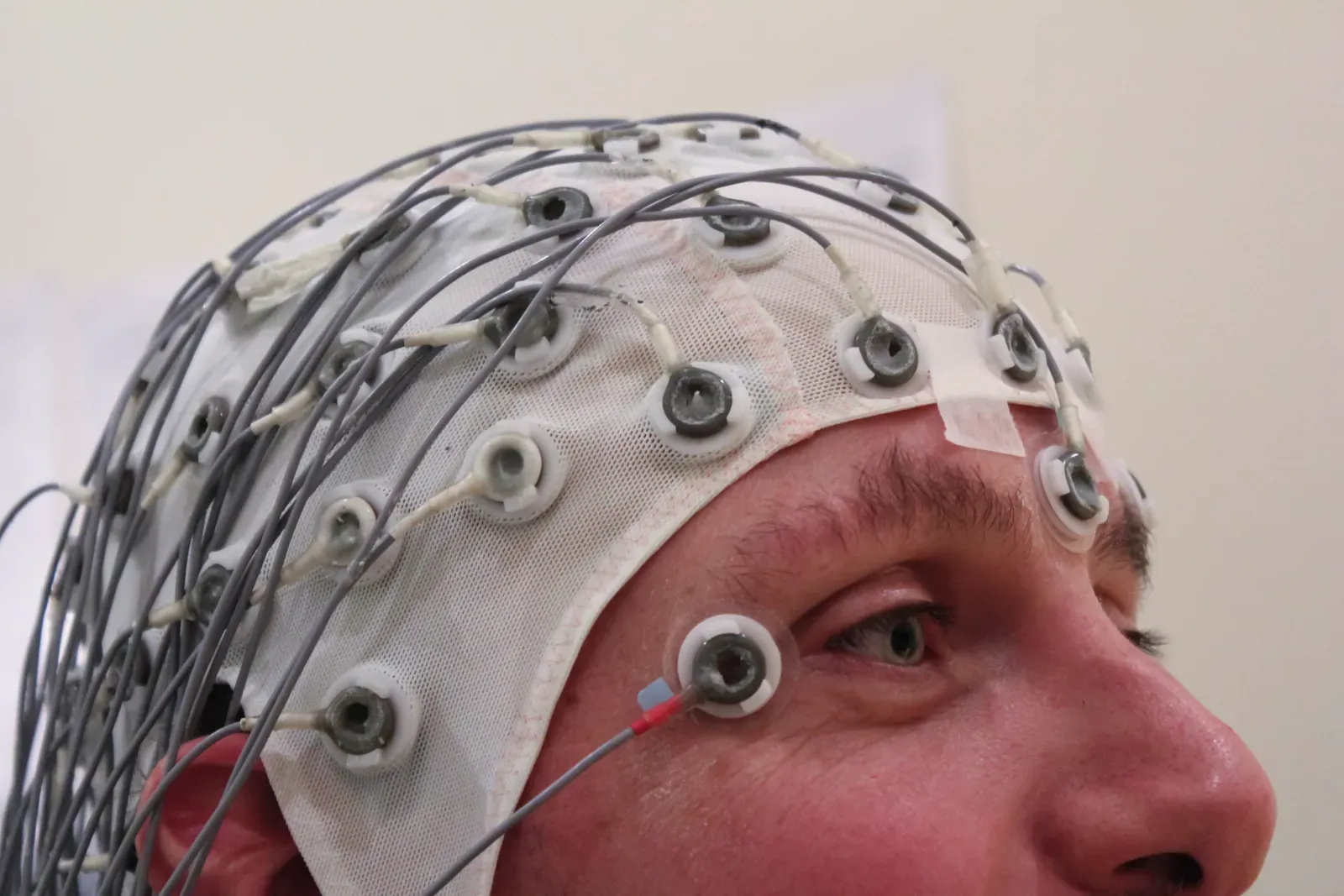
One of the most astonishing developments of the last decade is the rise of brain–computer interfaces (BCIs), systems that let people control computers or devices using signals directly from their brains. In clinical trials, people who are paralyzed have been able to move robotic arms, type messages, and even attempt to walk again using implanted electrodes that pick up neural activity. It sounds like science fiction, but real patients are already benefiting from these technologies, even if the devices are still experimental and far from perfect.
Researchers are also learning to decode more subtle patterns, like the intention to speak or the rhythm of imagined handwriting, turning them into text in real time. At the same time, noninvasive approaches that use caps or headsets to read electrical or blood‑flow signals are being refined for potential everyday use. These advances raise enormous ethical questions: Who owns your neural data? How do we protect mental privacy? Where is the line between therapy and enhancement? As we start listening more closely to the brain, we also have to decide how far we actually want to go.
Mental Health, Trauma, and the Brain’s Capacity to Heal

Perhaps the most emotional and urgent frontier in brain science is mental health. Conditions like depression, post‑traumatic stress, anxiety, and addiction are no longer viewed as mysterious personal failings or purely “psychological” problems. Brain imaging, genetics, and careful clinical research have shown that they involve disruptions in specific networks and chemical systems, often shaped by a mix of life experiences and biological vulnerability. Trauma, especially in childhood, can leave deep marks on stress circuits and emotion‑regulation systems that echo across a lifetime.
The hopeful side is that we’re beginning to develop treatments that are more precise and powerful. Tailored talk therapies, new medications, brain stimulation techniques, and carefully controlled use of substances that temporarily open up rigid patterns of thought are all being studied and refined. Combined with growing awareness and reduced stigma, this shift in understanding offers a more compassionate and realistic view: people are not broken beyond repair, and the brain is capable of remarkable recovery given the right support and tools. Our growing grasp of the brain’s secrets is slowly rewriting what is possible for healing and change.
Where We Go From Here: Living With a Mysterious Brain
Even with all these breakthroughs, it’s striking how much we still don’t know. We can map networks, tweak chemicals, record signals, and build devices that listen to neural chatter, yet the full picture of how all this becomes a single, continuous life from the inside remains out of reach. That’s both frustrating and strangely comforting. The brain you carry around all day is at once a product of evolution, a record of your experiences, and an ongoing experiment you’re running on yourself without fully understanding the rules.
If there’s one practical lesson from modern brain science, it’s that what you do with your attention, your habits, your relationships, and your body matters more than you think. You’re not just a passenger in your brain; you’re also, to some extent, its gardener, shaping and pruning it over time. As science continues to unlock new layers of this organ’s secrets, we’re going to face choices about how we use that knowledge – whether to heal, to help, to push limits, or to blur lines we once considered fixed. Knowing what you know now, how will you decide to treat your own brain?