
You are, right now, living inside a world built entirely by your brain. The colors you see, the sounds you hear, the texture of the chair beneath you – none of it reaches your awareness as raw physical reality. Instead, your brain is quietly translating streams of invisible electrical signals into the vivid, breathing, emotionally charged experience you call life. Honestly, when you stop and think about it, that’s one of the most mind-bending facts in all of science.
What makes this even more extraordinary is just how seamlessly it happens. You don’t notice the mechanics. You don’t feel your neurons firing, your synapses negotiating, or your brain waves shifting frequency. It all unfolds in the dark, silently constructing your reality millisecond by millisecond. So, let’s dive in – because what’s happening inside your skull is far stranger and more spectacular than most people ever realize.
Your Neurons: The Tiny Architects of Everything You Experience
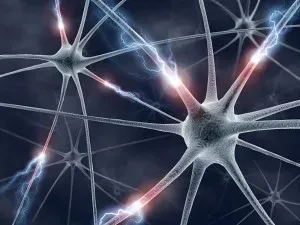
Think of your neurons as the world’s most intricate electrical relay system, except instead of powering a city, they power your entire existence. Brain cells function using rapid electrical impulses, a process that underlies your thoughts, behavior, and perception of the world. Every single thing you have ever felt, feared, loved, or imagined was born from that process – a cascade of electrochemical events so fast it makes your fastest computer look sluggish.
Neurons are the fundamental units of the nervous system, and their ability to generate electrical impulses is what powers brain function. Each neuron has a cell body, dendrites that receive signals, and an axon that transmits signals to other neurons – a process that enables communication between different regions of the brain and the rest of the body. It’s like a biological postal system, except the letters travel at speeds that defy intuition, and billions of them are sent simultaneously, every second of your waking life.
How Electrical Signals Actually Travel Through Your Brain
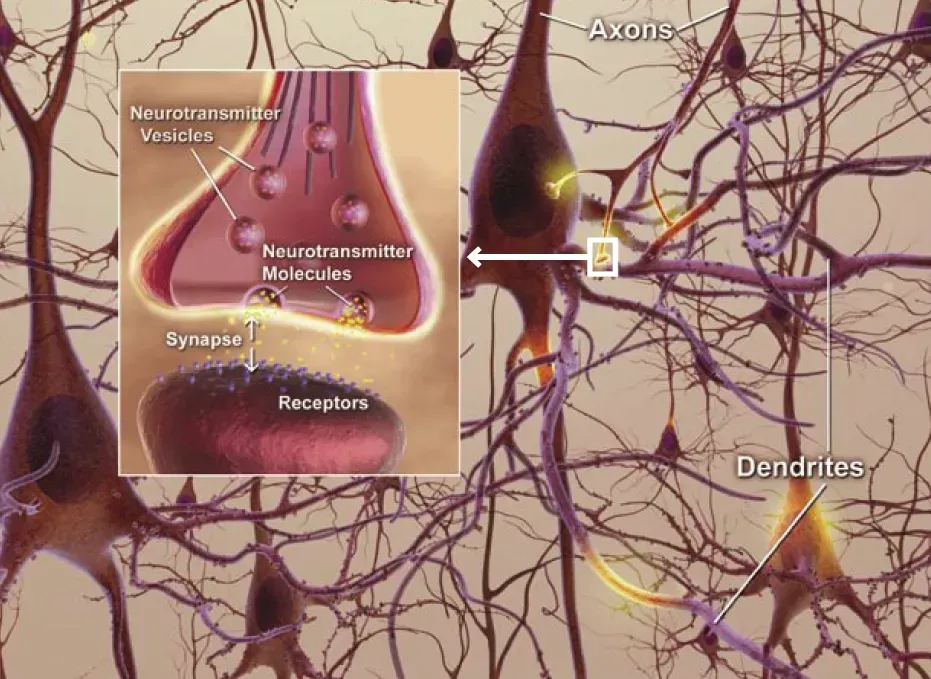
Neurons send messages through electrical impulses known as action potentials. These occur when ions – charged particles – move in and out of the neuron’s membrane, creating a voltage change. This electrical activity allows neurons to communicate quickly and efficiently, making it possible for you to think, move, and feel sensations almost instantly. It’s a little like a row of dominoes falling, except the dominoes reset themselves in milliseconds and can fall in trillions of different patterns.
A synapse releases chemical signals called neurotransmitters, which then travel to another neuron to create a new electrical wave in that cell. Some of these neurotransmitters are excitatory – they cause the next neuron to become more likely to initiate a nerve impulse. Others are inhibitory – they cause the neuron to become less likely to generate one. This excitatory and inhibitory push-and-pull is precisely how your brain filters, processes, and prioritizes the reality it builds for you.
Your Senses Are Not Windows. They Are Translators.
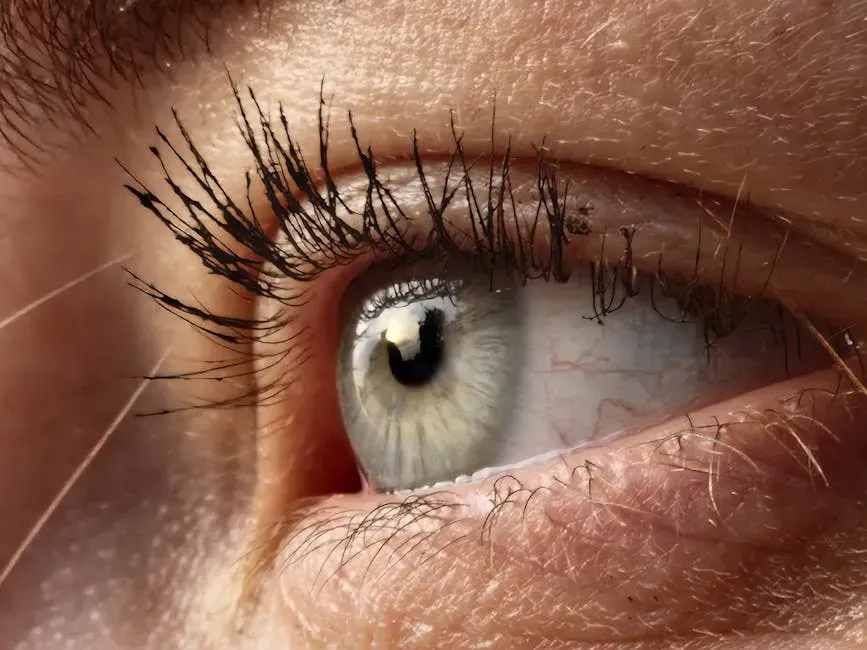
Here’s the thing: you never actually experience the world directly. Your eyes don’t see light. Your ears don’t hear sound. Your senses detect the world around you and transduce the many external forms of energy – light, sound, movement – into electrical messages in your neurons. What feels like seeing a sunset is actually your brain receiving an encoded electrical report about wavelengths of light and constructing a vivid visual experience from it.
Light, sound, and odors, for example, are transformed by your sensory organs into a code made of series of electrical impulses that travel along neurons from the body to the brain. Information about the onset and the intensity of a stimulus is thought to be sent to the brain by the timing and frequency of these electrical impulses. So the difference between a whisper and a shout, or between a candle flame and a bonfire, is ultimately a matter of signal frequency. Your brain reads those frequencies and constructs your reality accordingly.
The Brain’s Division of Labor – An Orchestra, Not a Solo
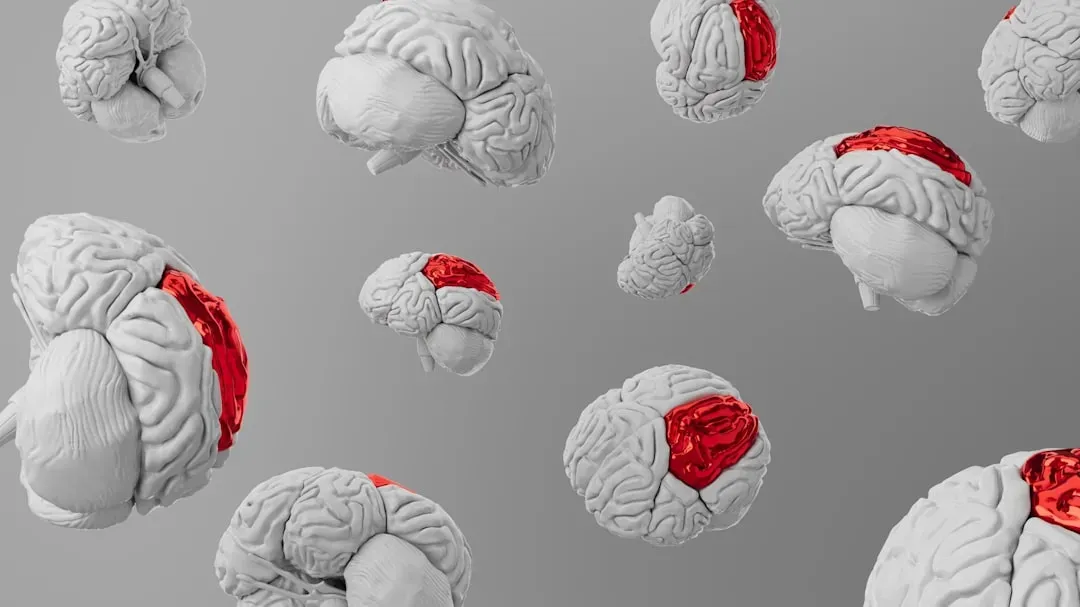
Your brain doesn’t process experience as one unified blob of activity. Different neurons in the brain are dedicated to respond to specific portions of the information. Think of it as a symphony orchestra – every instrument plays its own part, and together they produce the rich, layered performance you experience as everyday life. Remove a single section and the music changes profoundly.
Visual, tactile, and auditory information needs to be synchronized. If it were not, then one might perceive someone’s lips move before hearing the words being spoken – like a badly dubbed foreign film. In the brain, signals are received in categories. The processing of sensory input begins with specific regions in the brain separately deciphering each message. Subsequently, multiple types of sensory input are integrated, allowing the mass of information to be interpreted into an appropriate response. The fact that your world feels seamless and coherent is, in itself, a staggering achievement of neural engineering.
Brain Waves: The Electrical Rhythms That Define Your State of Mind
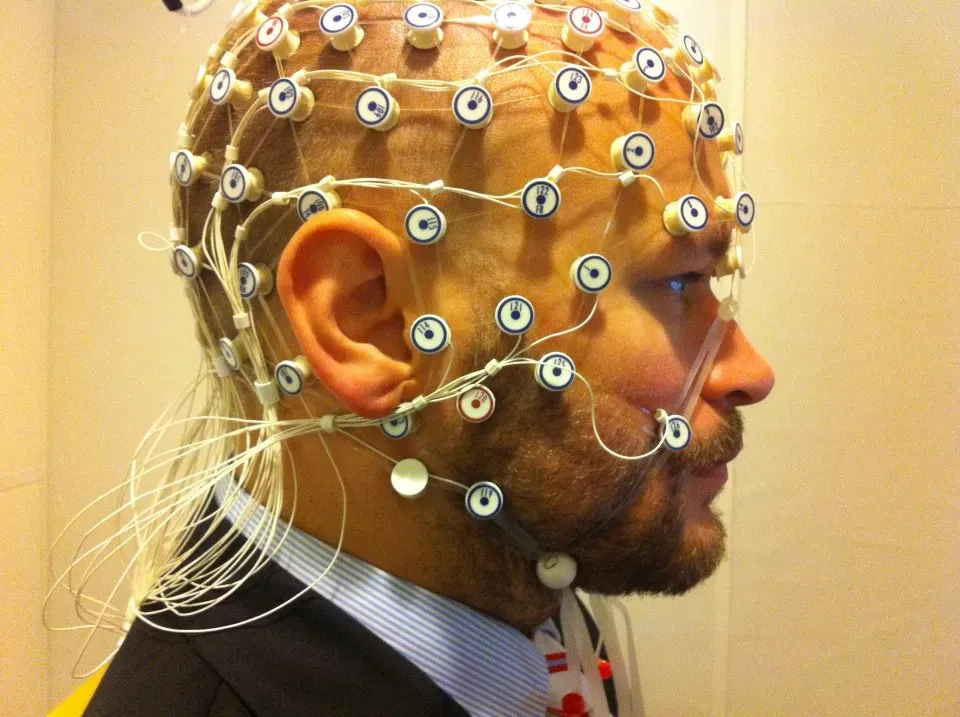
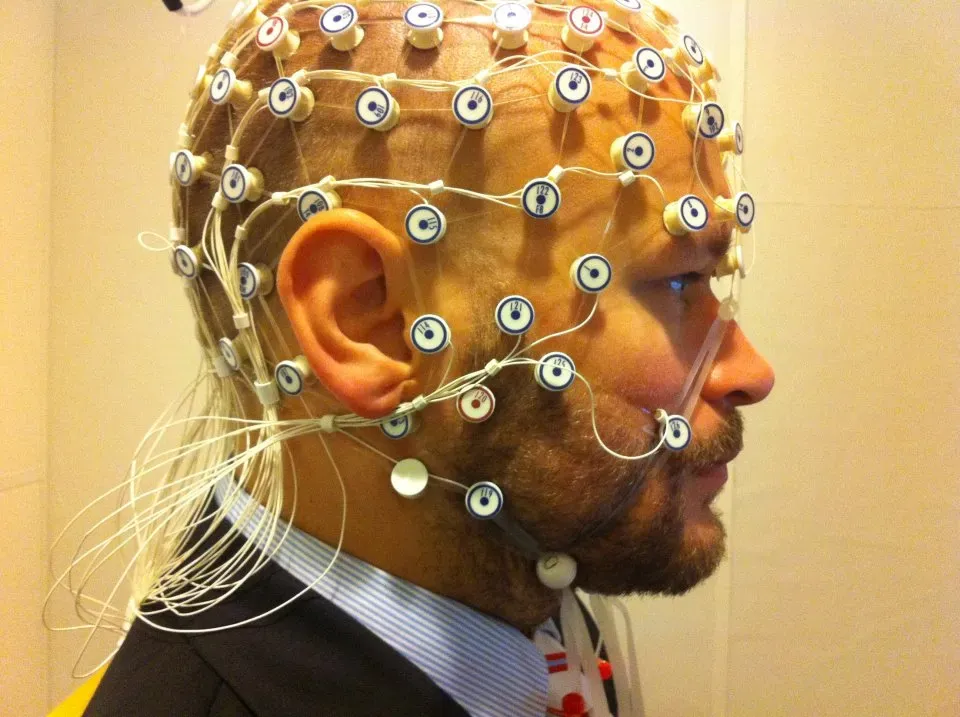
You have probably heard the term “brain waves,” but let’s be real – most people don’t fully appreciate what they represent. The collective activity of billions of neurons produces brain waves, which can be detected using electroencephalography, or EEG. These waves aren’t metaphors. They are literal oscillating electrical fields generated by your brain, and they shift depending on what you are doing, feeling, or experiencing at any given moment.
The level of wakefulness and consciousness can be shown through the frequency of brain’s electrical activity – high levels of consciousness are recorded as rapid waves, especially the beta rhythm, while slow waves such as theta and delta can be recorded during sleep and low brain activity. Studies have shown that gamma waves, the fastest type of brain waves, are linked to higher consciousness and deep thinking. So the next time you feel “in the zone,” that electric feeling is quite literally electric – a measurable surge in your brain’s oscillatory activity.
The Thalamus: Your Brain’s Gatekeeper of Conscious Awareness
![The Thalamus: Your Brain's Gatekeeper of Conscious Awareness (from Anatomography[3] website maintained by Life Science Databases(LSDB).
You can get this image through this URL[4].次のアドレスからこの画像を取得できます[5]。, CC BY-SA 2.1 jp)](https://nvmwebsites-budwg5g9avh3epea.z03.azurefd.net/dws/5c19eb2bae3e100bcf60f5b990b01b59.webp)
You can get this image through this URL[4].
次のアドレスからこの画像を取得できます[5]。, CC BY-SA 2.1 jp)
Not everything your senses detect makes it into your conscious experience. Your brain filters relentlessly, and one structure sits right at the heart of that process. You are constantly bombarded with sights, sounds, touch, and other sensations. Only some stimuli reach your awareness. Others are discarded by a web of neural networks long before you perceive them. In other words, the brain filters signals from the outside world and only brings a sliver of them into conscious perception.
Research has pinpointed the thalamus as a central player in this gatekeeping role. Often dubbed the brain’s Grand Central Station, the thalamus is a complex structure housing multiple neural “train tracks” originating from different locations. Each track routes and ferries a unique combination of incoming sensations to other brain regions for further processing. Transient thalamofrontal neural synchrony and cross-frequency coupling are both driven by the activity of intralaminar and medial nuclei during conscious perception – these nuclei play a gate role to drive the activity of the prefrontal cortex during the emergence of conscious perception. Remarkable – your awareness is essentially a guarded door, and the thalamus holds the key.
Neuroplasticity: How Electrical Activity Literally Rewires Your Brain
Perhaps the most empowering truth about your brain is this: it is not fixed. Every time you learn something, every time you practice a skill, every time you form a new habit, your brain physically changes. Neuroplasticity – the brain’s capacity to reorganize itself by forming new neural connections – is central to modern neuroscience. Once believed to occur only during early development, research now shows that plasticity continues throughout the lifespan, supporting learning, memory, and recovery from injury or disease.
When you learn something, you have electrical activity going through different circuits. Those electrical impulses change the strength of specific connections, making them either stronger or weaker. For example, if you learn that “hola” means “hello” in Spanish, certain synapses will become stronger. Synaptic plasticity is the ability of synapses to strengthen or weaken over time in response to increases or decreases in their activity. Since memories are postulated to be represented by vastly interconnected neural circuits in the brain, synaptic plasticity is one of the important neurochemical foundations of learning and memory. Your brain is essentially reshaping itself around your experiences – a living, responsive sculpture.
Sleep, Dreams, and the Brain’s Electrical Night Shift

You might think your brain takes a break when you sleep. It absolutely does not. Sleep is not a uniform state of being. Instead, sleep is composed of several different stages that can be differentiated from one another by the patterns of brain wave activity that occur during each stage. During REM sleep especially, your brain generates electrical patterns startlingly similar to those of full wakefulness – all while your body lies perfectly still. That is where dreams are born.
Some neuroscientists suggest that dreaming may represent a state of protoconsciousness – that dreaming involves constructing a virtual reality in your head that you might use to help you during wakefulness. All information that enters your brain comes with an emotion attached, something that grabbed the brain’s attention in the first place. The brain then assesses how those emotions fit in memory consolidation. Sleep, it turns out, isn’t downtime – it’s your brain’s most important editorial meeting, sorting, strengthening, and emotionally recalibrating everything you encountered during the day.
Conclusion: You Are the Universe Experiencing Itself Through Electricity
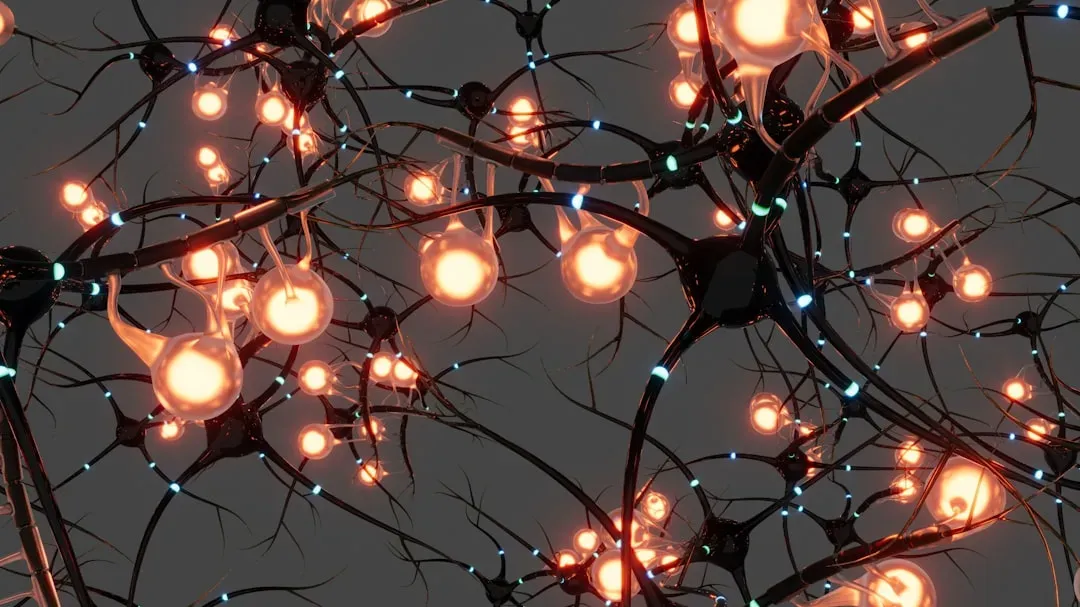
It’s hard to say for sure where neuroscience will take us in the coming decades, but one thing is already clear: the reality you inhabit is not a passive recording of the external world. It is an active construction – assembled, filtered, and continuously updated by billions of neurons firing in precisely orchestrated electrical patterns. The brain relies on electrical activity to process sensory input, allowing you to see, hear, touch, and feel emotions. Each sensory experience is translated into electrical signals that travel through neural pathways, creating your perception of reality.
What makes this all so quietly staggering is that this process never stops. Sensory inputs enter a constantly active brain, whose state is always changing from one moment to the next. Every thought you just had while reading this article, every flicker of curiosity or surprise – all of it was electricity. Your brain didn’t just read these words. It built them into experience. So here’s a thought worth sitting with: if your brain is the author of your reality, how much of what you believe to be true about the world is actually just a very convincing story it’s telling you? What do you think – and does knowing the mechanics of it change how it feels?