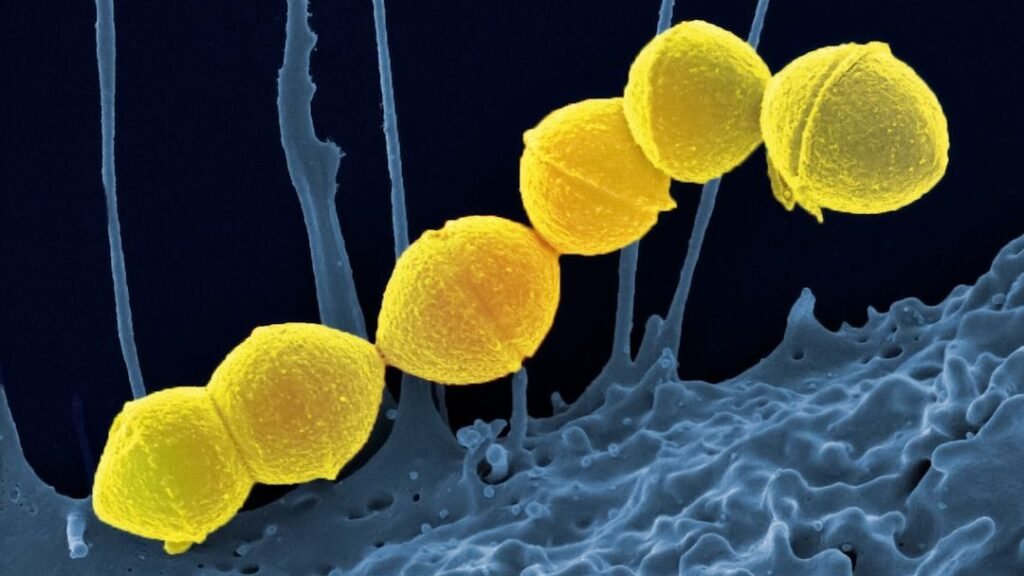

Imagine carrying an entire civilization inside you, one that hums with activity day and night, shaping your emotions, steering your decisions, and even whispering to your brain without you ever knowing. It sounds like science fiction, but it is your everyday biological reality. The trillions of microorganisms living inside your body, primarily in your gut, are far more than passive passengers along for the ride.
We are only beginning to crack open the door to understanding just how deeply these microscopic communities are woven into the fabric of who we are. What researchers have uncovered in the last few years is nothing short of mind-bending, and honestly, a little unsettling. So let’s dive in.
You Are More Microbe Than Human: The Scale of Your Inner Universe
Trillions of bacteria, viruses, yeasts, protozoa, and fungi, at least as many as the number of human cells in your body and weighing approximately four pounds, inhabit your intestinal tract. Think about that for a second. You are not just a person. You are a walking, breathing ecosystem. Your gut alone hosts an almost incomprehensible diversity of life, and every single one of those organisms plays a role in your survival.
The gut microbiome is a complex ecosystem comprising trillions of microorganisms, including bacteria, viruses, fungi, and archaea, and this intricate microbial community plays crucial roles in digestion, nutrient synthesis, and immune system modulation. The gut microbiome alone is composed of over 1,500 species, with just two major groups, Firmicutes and Bacteroidetes, accounting for over nine tenths of the total microbial population. In many ways, your microbiome is its own genome, its own intelligence, its own version of self.
The Gut-Brain Highway: How Your Belly Talks to Your Brain
![The Gut-Brain Highway: How Your Belly Talks to Your Brain ([1] doi:10.3389/fendo.2019.00009, CC BY-SA 4.0)](https://nvmwebsites-budwg5g9avh3epea.z03.azurefd.net/dws/278bbddb9321eb9b3ced7e8d5a197fa0.webp)
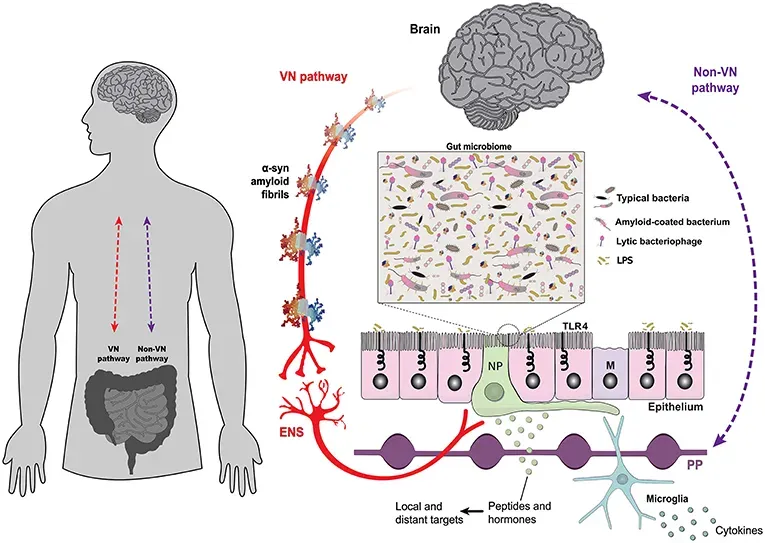
The gut forms a complex, bidirectional link with the central nervous system, known as the gut-brain axis, active in both health and illness. This interaction enables gut sensory impulses, transmitted via the vagus nerve, to impact CNS activity, controlling reflexes and modulating mood. The brain then uses these signals to alter gut physiology as well as other functions. It is like a telephone line that never stops ringing, in both directions at once.
If you have ever “gone with your gut” to make a decision or felt “butterflies in your stomach” when nervous, you are likely getting signals from an unexpected source: your second brain. Hidden in the walls of the digestive system, this “brain in your gut” is revolutionizing medicine’s understanding of the links between digestion, mood, health, and even the way you think. Scientists call this little brain the enteric nervous system. The enteric nervous system is two thin layers of more than 100 million nerve cells lining your gastrointestinal tract from esophagus to rectum. Now that is a staggering number for something most of us barely think about.
Microbes as Mood Makers: The Chemical Language of Feelings
Your gut microbiome communicates by creating and consuming the majority of your body’s neurotransmitters. You know serotonin, your “happy” neurotransmitter? Over ninety percent of your body’s serotonin is made by your gut microbiome. Let that sink in. The chemical most associated with feeling content, calm, and joyful is primarily manufactured not in your skull, but deep in your digestive tract. Your mood is, in very real ways, a product of your gut garden.
Short-chain fatty acids like butyrate and propionate, produced through microbial fermentation, not only maintain gut integrity but also influence brain functions such as mood regulation and cognitive processes. These compounds cross the blood-brain barrier and interact with specific receptors, modulating neuroinflammation and neurotransmitter release. A reduction in serotonin-producing microbes can negatively impact mood regulation, potentially contributing to the onset of depressive and anxious symptoms. Your next wave of sadness or anxiety might actually have its roots somewhere far south of your skull.
Gut Microbes and Your Decisions: The Bacteria Behind Your Choices
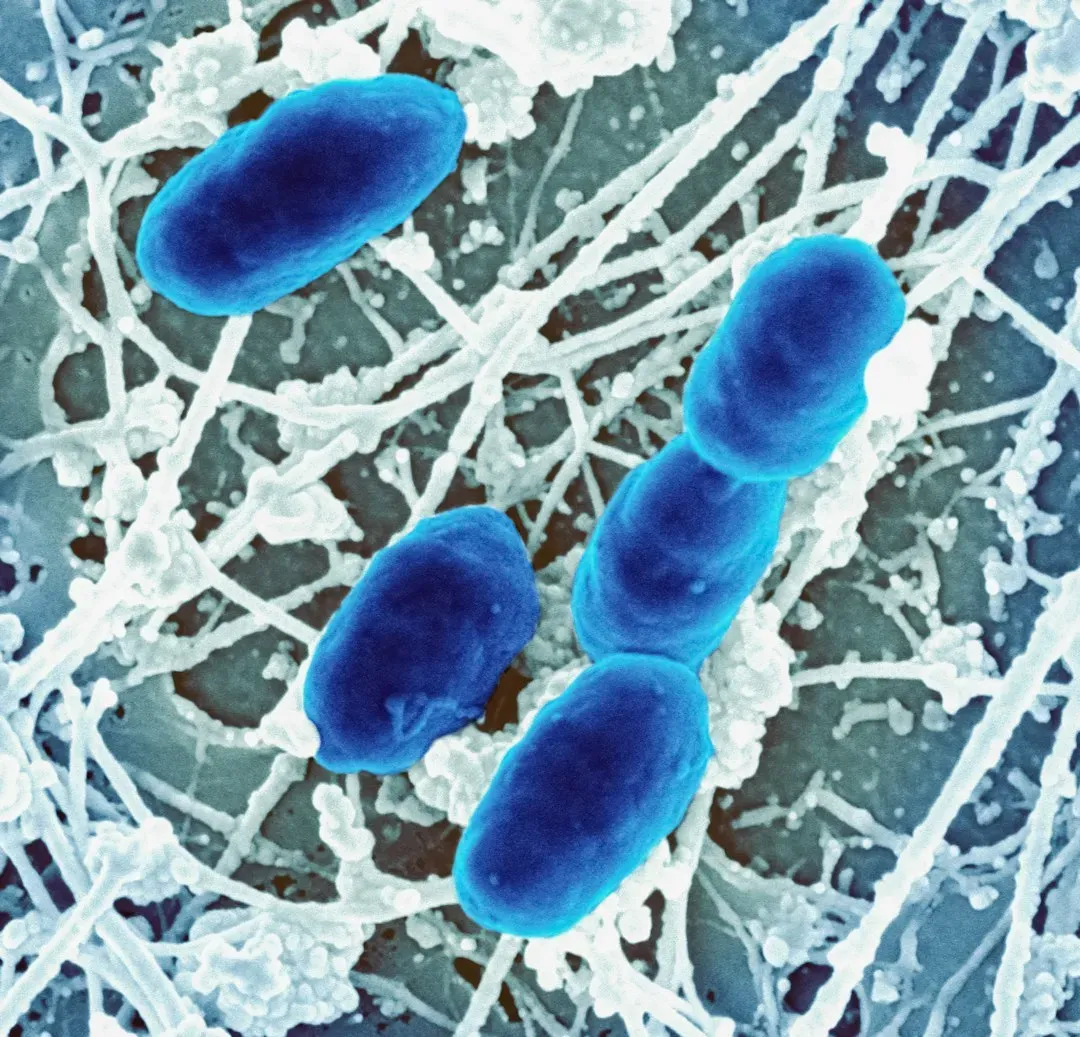
Several studies have highlighted the potential impact of the gut microbiome on cognitive functions, decision-making, and impulsive behaviors. The gut microbiome has been shown to influence various aspects of behavior, including impulsivity, attention, reward-learning, and locomotor response to novelty. Here is the thing that most people never consider: when you make a choice, something as simple as reaching for a piece of cake or snapping at a loved one, your gut bacteria may well have had a vote in that moment.
Research has indicated that the gut microbiome may covary with the processing in frontoparietal circuits associated with cognitive control and self-regulation, which are essential for regulating impulsive behaviors. The available data suggests that the intestinal ecosystem communicates with the central nervous system via various pathways, including the vagus nerve. It might also use biochemical signals that trigger the release of neurotransmitters, such as dopamine and serotonin, which are essential for proper brain function. Your gut is not just a passenger. It is, in a very real sense, a co-pilot.
Dysbiosis: When the Inner Universe Falls Out of Balance
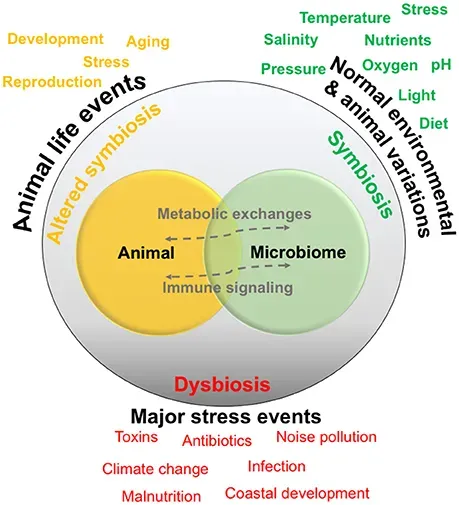
Imbalances in microbiota composition, known as dysbiosis, can have systemic effects, contributing to inflammatory, metabolic, and psychiatric disorders. Think of your microbiome like a thriving coral reef. When the environment shifts, when pollution arrives, the entire ecosystem can collapse rapidly. Dysbiosis has been associated with neuropsychiatric disorders such as depression, anxiety, impulsivity, cognitive decline, and addiction. The ripple effects are enormous and deeply personal.
Changes in gut microbiota can lead to neurotransmitter imbalances, oxidative stress, and neuroinflammation. Gut dysbiosis may contribute to the development of diseases such as depression, autism, schizophrenia, bipolar disorder, Parkinson’s disease, Alzheimer’s disease, dementia, multiple sclerosis, epilepsy, and anxiety. Lifestyle choices such as smoking, alcohol consumption, stress, sleep, and exercise heavily influence the gut microbiome. In other words, what you do every single day is literally reshaping the population of organisms that run your mind.
The Aging Gut: How Your Microbial Universe Changes Over a Lifetime
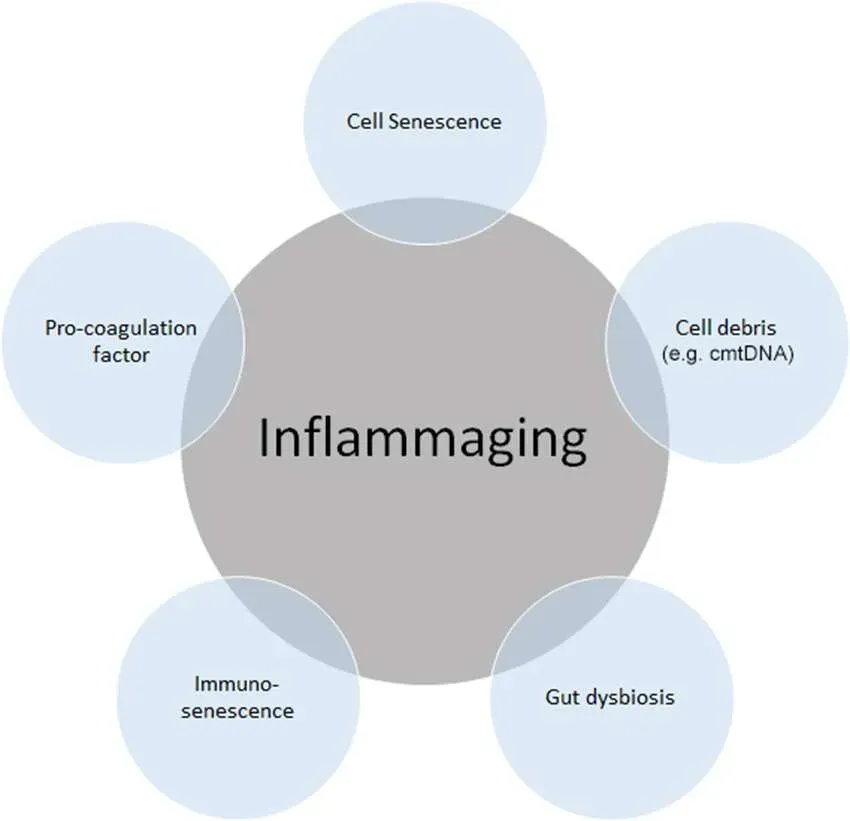
As individuals age, the gut microbiome undergoes significant compositional and functional changes, often leading to dysbiosis. The phenomenon of inflammaging, characterized by chronic low-grade inflammation, is closely linked to gut microbial alterations and contributes to neurodegenerative diseases, cardiovascular conditions, and metabolic disorders such as obesity and diabetes. It is hard to say for sure exactly when these changes start becoming harmful, but the evidence is pointing increasingly to the fact that your microbiome ages alongside you, sometimes badly.
Populations of beneficial bacteria such as Bifidobacteria and Lactobacilli often decrease with age, while opportunistic pathogens, including Enterobacter, Clostridium perfringens, and Clostridium difficile, may proliferate. An independent systematic review of 27 studies focusing on older populations concluded that longevity is associated with increased microbiome stability and resilience. The authors suggested that healthy aging depends on maintaining anti-inflammatory activity, facilitated by a high level of short-chain fatty acid-producing gut bacteria, despite the age-related predisposition to an increase of pro-inflammatory cytokines. Essentially, a diverse gut may be one of your best bets for living a long, sharp life.
Rewiring the Inner Universe: Therapies That Target the Microbiome
Psychobiotics, initially defined as probiotics that specifically target mental health via gut-brain interactions, improve mood, cognition, and stress responses. Lactobacillus and Bifidobacterium have shown promise in improving mood, anxiety, and depression scores in both preclinical models and human studies. I think this is one of the most exciting frontiers in modern medicine. The idea that you can swallow a capsule and shift your mental state by rebalancing your gut is both thrilling and still a little unpredictable.
Modulating gut microbiota through probiotics, prebiotics, diet, and fecal microbiota transplantation is emerging as a potential therapeutic strategy for mental health conditions. Several clinical studies suggest that interventions targeting gut microbiota may alleviate symptoms of depression and anxiety, highlighting the potential for microbiome-based treatments in psychiatric care. Recent advancements in personalized precision fecal microbiota transplantation have introduced the potential of artificial intelligence-driven donor-recipient matching, which can significantly optimize the treatment process by tailoring the procedure to the unique microbiota profiles of both the donor and recipient. The future of brain health might literally be delivered from one person’s gut to another.
Conclusion
There is something genuinely humbling about realizing that your mood, your memory, your impulses, and perhaps even the core of your personality, are all tangled up with trillions of microorganisms you cannot see. Your body is not a solo act. It is a collaboration, a negotiation, a symphony performed by species that evolved alongside you over millions of years.
The science is still unfolding, and there is much we do not yet fully understand. Yet the evidence is already compelling enough to make you reconsider almost everything you thought you knew about the self. Take care of your gut, and you may just be taking care of your mind. What part of this invisible universe inside you surprises you the most? Share your thoughts in the comments below.