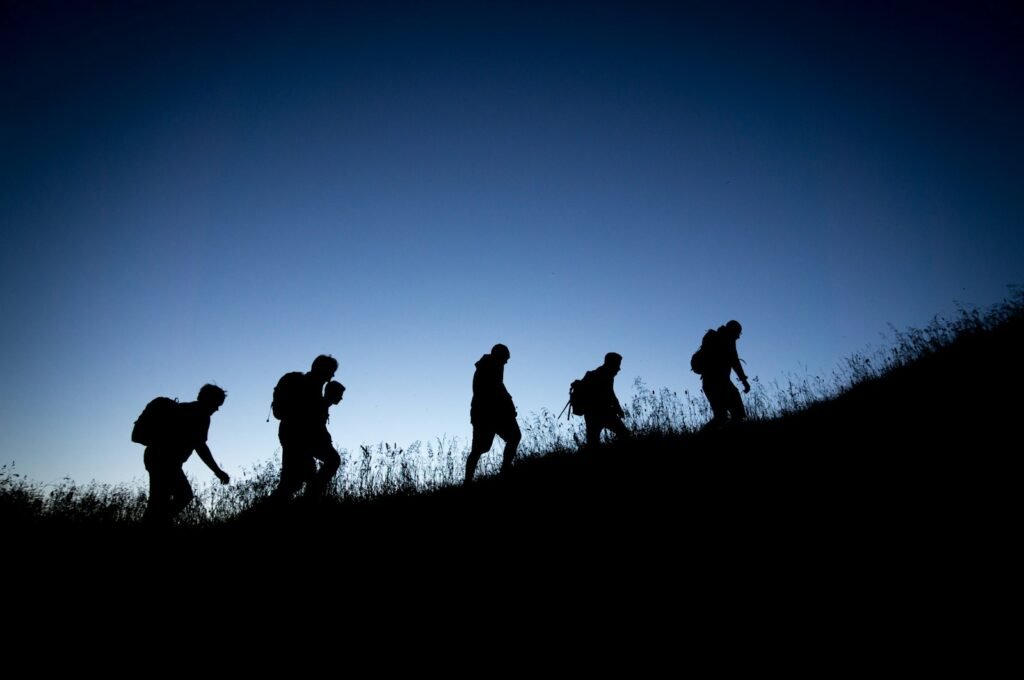

Somewhere in your body, in every cell you carry, is a record of one of the greatest journeys in history: the slow, risky, improvised expansion of our species across the planet. For most of human existence, no one wrote these stories down, and for a long time scientists could only guess how we got from small bands in Africa to eight billion people scattered from the Arctic to Polynesian atolls. Now, a flood of new genetic data, archaeological discoveries, and even ancient DNA from long-buried bones is turning those guesses into vivid, testable narratives. The emerging picture is not a straight line of progress, but a tangled web of movements, encounters, extinctions, and surprising returns. As researchers piece together this global detective story, they are also revealing something profound: underneath our passports and borders, we share a far older identity as the descendants of restless travelers.
The Hidden Clues Written in Our DNA
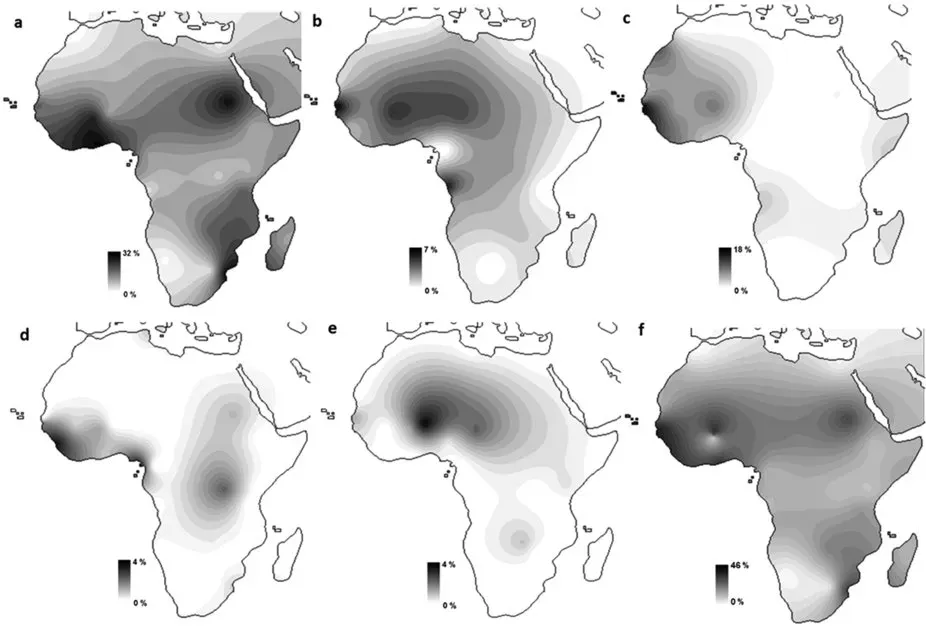
It is shocking to realize that a simple cheek swab can reveal echoes of journeys taken tens of thousands of years ago. Human DNA mutates slowly over generations, leaving tiny changes that act like timestamps and route markers for population movements. By comparing these markers in people from different parts of the world, geneticists can reconstruct who moved where, when, and in what rough sequence. This is how scientists have traced all living humans back to ancestral populations in Africa, with one major wave of people leaving the continent roughly between sixty thousand and seventy thousand years ago. That exodus did not happen overnight; it probably involved small groups following coastlines, river valleys, and animal herds, inching into unfamiliar landscapes.
These genetic signals are not just broad arrows on a map; they can sometimes capture intimate encounters. Many people have low levels of Neanderthal DNA, a biological reminder that when early modern humans met other hominins in Eurasia, they did more than just compete. Other groups, especially in parts of Oceania, carry traces of Denisovan ancestry, another now-extinct human relative identified through DNA before its fossil record was even clear. When you read that you might have a small fraction of Neanderthal or Denisovan heritage, you are seeing the legacy of ancient meetings, relationships, and children who survived long enough to pass on their genes. Our genomes, in that sense, are not just instruction manuals for building a body; they are migrant diaries written in code.
From Stone Tools to Genomes: How the Story Was Rewritten
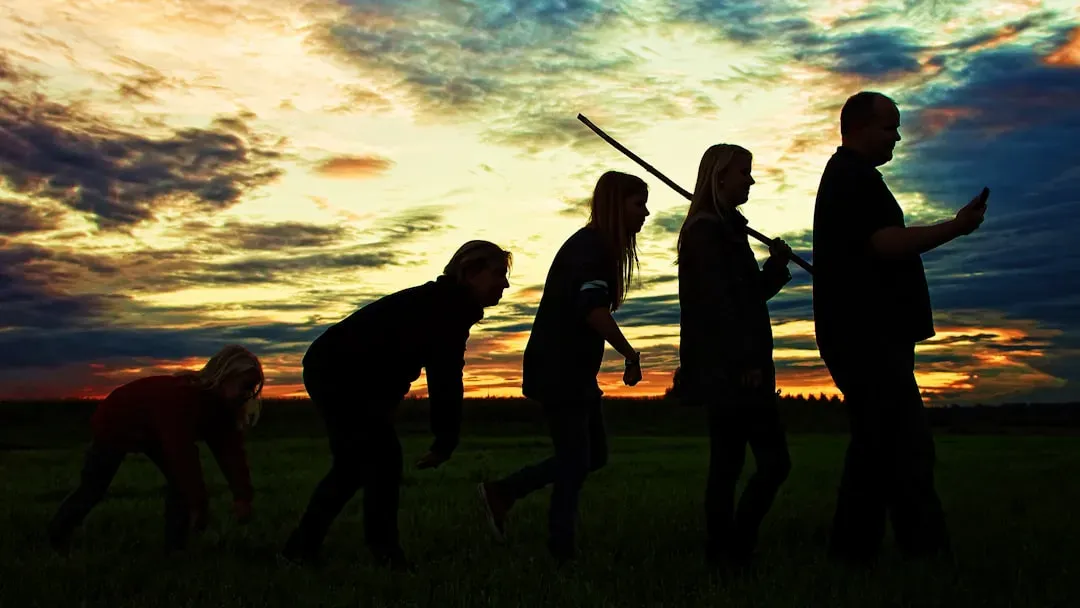
For most of the twentieth century, the story of human migration was told almost entirely through bones and tools. Archaeologists mapped the spread of stone tool styles, cave art, and skeletal remains, inferring migration routes from where and when these traces appeared. That approach produced some powerful insights but also left room for big errors; a tool style can spread without people moving, and human bones are rare, patchy evidence at best. When genetic methods arrived in the late twentieth century, they seemed at first like a supporting act, a way to confirm or tweak what archaeologists already suspected.
Instead, genetics has occasionally flipped the script. For example, DNA evidence from Europe revealed that early farmers moving from the Near East did not simply share their techniques with local hunter-gatherers; they actually replaced much of the local population, later mixing with incoming groups from the Eurasian steppe. In the Americas, ancient DNA from remains thousands of years old has shown that early settlements were more complex than a single, clean wave of people crossing the Bering land bridge. Today, the most convincing narratives come when archaeology, genetics, linguistics, and climate science are forced into the same room and asked to agree. The story is messier than the neat arrows on old textbook maps, but it is also more human.
Out of Africa and Into the World
Every origin story needs a beginning, and for our species, that beginning is in Africa. Fossil and genetic evidence converge on the idea that anatomically modern humans emerged there more than two hundred thousand years ago, living in diverse populations across different regions. For a long time, some of those early humans left Africa but either died out or were absorbed without leaving much trace in today’s genomes. The major, lasting dispersal appears to have happened later, when a subset of African populations expanded into the Middle East and beyond.
From there, the pace of movement was astonishing when viewed on an evolutionary timescale. Within what amounts to a few thousand generations, humans reached Australia, filtered through South and Southeast Asia, and eventually spread across Europe and deep into Siberia. Later, as ice sheets retreated and new corridors opened, some of their descendants crossed into the Americas, likely following game along exposed land or using coastal routes. Each step brought people into landscapes with unfamiliar animals, climates, and diseases, demanding new tools, strategies, and stories to survive. When you look at a world map today, what you are really seeing is the end stage – so far – of those long, uncertain experiments in moving outward.
Encounters, Extinctions, and the Ghosts in Our Genes
It is tempting to picture early humans as lone pioneers entering empty lands, but the world they walked into was already occupied by other human species. Neanderthals dominated parts of Europe and western Asia, Denisovans lived somewhere in Asia, and there may have been additional, still-mysterious groups in parts of Africa and Southeast Asia. When our ancestors encountered them, the outcomes were mixed: sometimes competition, sometimes coexistence, and sometimes intimate contact that led to children and blended lineages. Over time, most of these other hominin populations vanished, leaving behind fossils and, in some cases, tiny fragments of their DNA in us.
Those fragments matter more than you might think. Certain Neanderthal-derived variants have been linked to immune responses, skin traits, and even how our bodies handle fats and sugars. Denisovan ancestry appears to have contributed to high-altitude adaptations in some Himalayan and Tibetan populations, helping them thrive where oxygen is scarce. These are not simple stories of “superior” humans replacing “inferior” ones, but of different human groups mixing, adapting, and sometimes failing under shifting climates and ecological pressures. In our genomes, these past lives are like faint fingerprints on a much newer windowpane, visible only when light hits them just right.
Why It Matters: A Shared Past in a Divided World
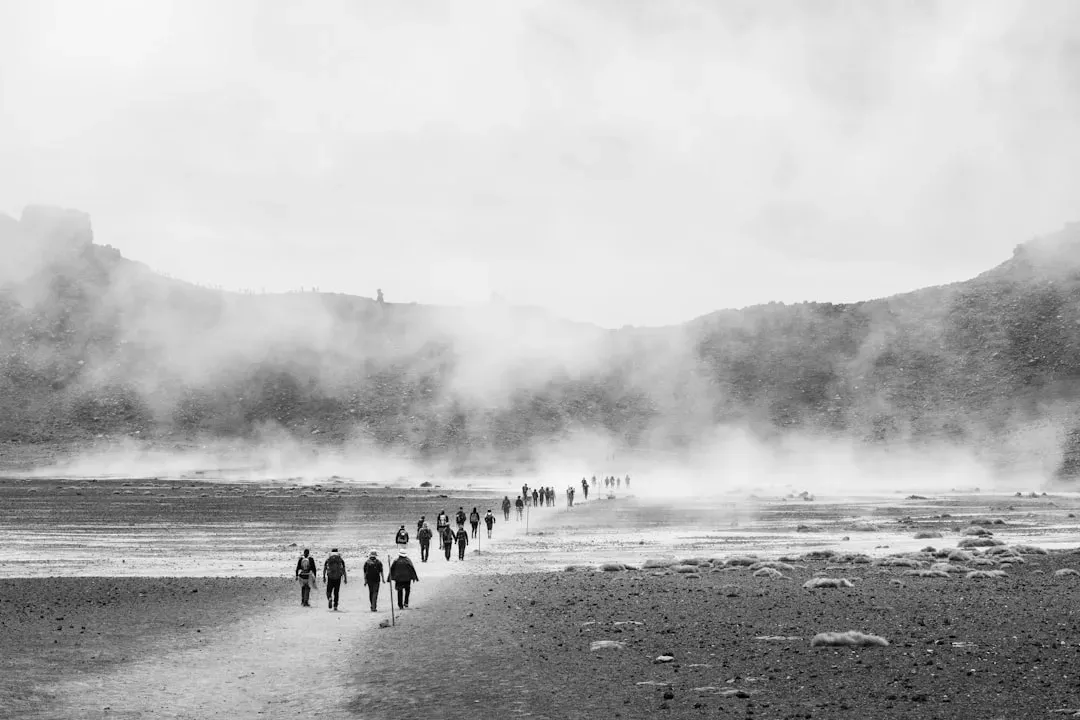
In a century defined by nationalism and hard borders, the science of ancient migration is quietly telling a different kind of story. It shows that no population on Earth is “pure” or static; every community is a product of repeated movements, mixtures, and reinventions. The categories that loom so large in modern politics – race, ethnicity, nation – turn out to be very recent overlays on a much older, fluid reality. When you learn that your ancestors almost certainly passed through Africa, the Middle East, and Asia before they ever arrived in Europe or the Americas, it becomes harder to argue that any group has a timeless claim to a particular patch of ground.
There are also more practical reasons this work matters. Understanding how populations moved and mixed helps medical researchers interpret genetic risk factors and tailor treatments to different groups. It refines our models of how humans respond to climate change, resource scarcity, and new pathogens, all of which are pressing concerns today. And perhaps most importantly, it offers a counterweight to dangerous, simplistic stories about human difference that have fueled prejudice and violence. The science does not erase culture, identity, or history, but it places them in a wider frame where everyone, ultimately, is part of the same migrating family.
Global Pathways: From Arctic Hunters to Ocean Voyagers
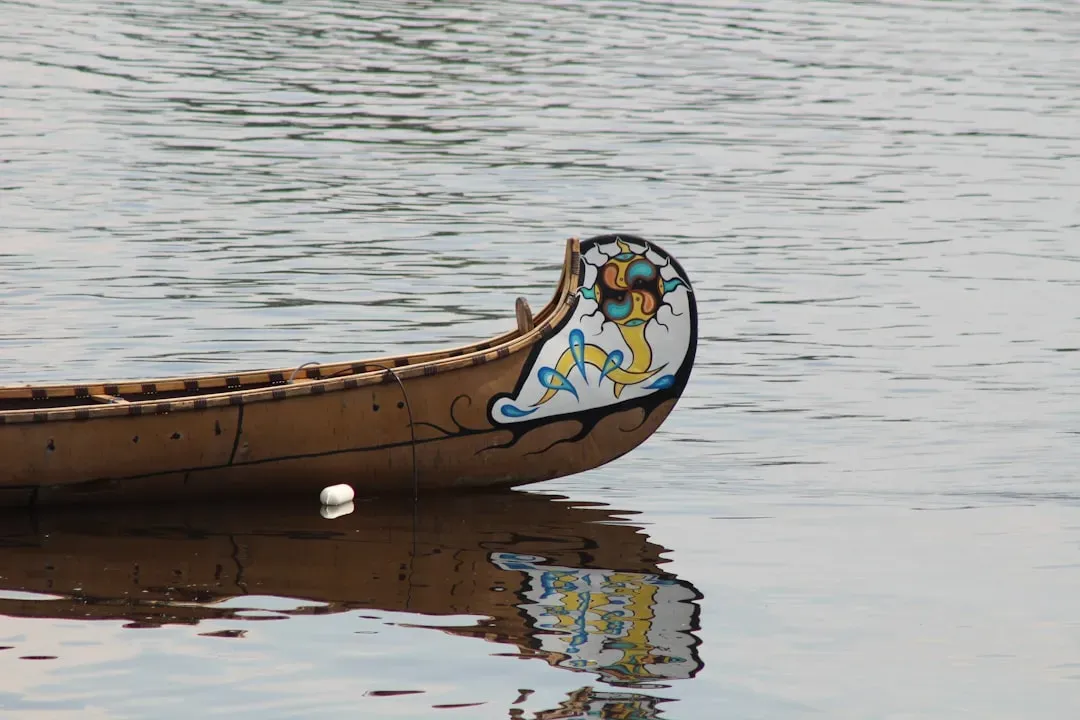
Not all human journeys looked the same, and that diversity is part of what makes the story so compelling. In the Arctic, Indigenous communities adapted to some of the harshest conditions on Earth, following seasonal migrations of seals, whales, and caribou across sea ice and tundra. Their presence shows how far human ingenuity can stretch when confronted with extreme cold, prolonged darkness, and scarce resources. In contrast, in tropical forests, other groups learned to read dense vegetation, track elusive animals, and make use of toxic plants with intricate processing techniques.
Perhaps the most romanticized migrations are those across the world’s oceans. The peopling of the Pacific, for example, required bold long-distance voyaging in canoes over horizons where no land was visible. Navigators relied on subtle cues from stars, swells, birds, and clouds to find islands scattered like grains of sand across the sea. These were not random drifts but deliberate expeditions, involving careful planning, food storage, and social organization. When modern researchers reconstruct these routes using genetic data and computer models of winds and currents, they are effectively reverse-engineering some of the most impressive feats of navigation in human history.
Climate Swings, Lost Routes, and Surprising Returns
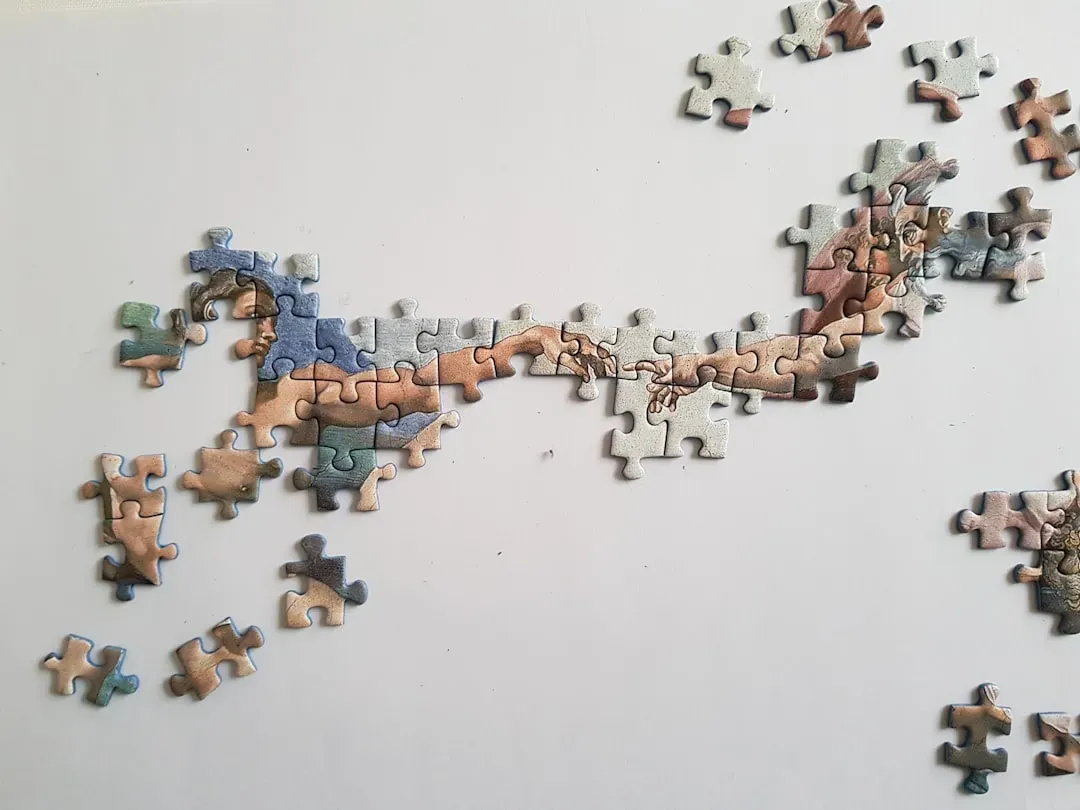
Ancient humans did not move on a stable, unchanging planet; they traveled through a world whose climate was lurching between ice ages and warmer periods. Vast ice sheets advanced and retreated, sea levels rose and fell, and entire ecosystems shifted north or south over just a few thousand years. These changes created and destroyed migration corridors, opening land bridges one millennium and drowning coastal routes the next. When scientists model these shifts alongside archaeological and genetic data, they can often pinpoint when and why certain movements were possible.
Some of the most surprising findings involve back-migrations, where populations moved into a region and then, generations later, some of their descendants returned toward their ancestral homelands. Africa, for instance, did not just send people out into the world; it also received migrants back from Eurasia in several waves, leaving detectable signatures in modern genomes. Similar patterns appear in parts of Asia and the Americas, complicating any idea of a simple one-way spread. The result is a picture of humanity that looks less like an expanding ink blot and more like a restless tide, sometimes surging forward, sometimes ebbing, always reshaping itself.
The Next Frontier: Ancient DNA, AI, and a More Complete Map
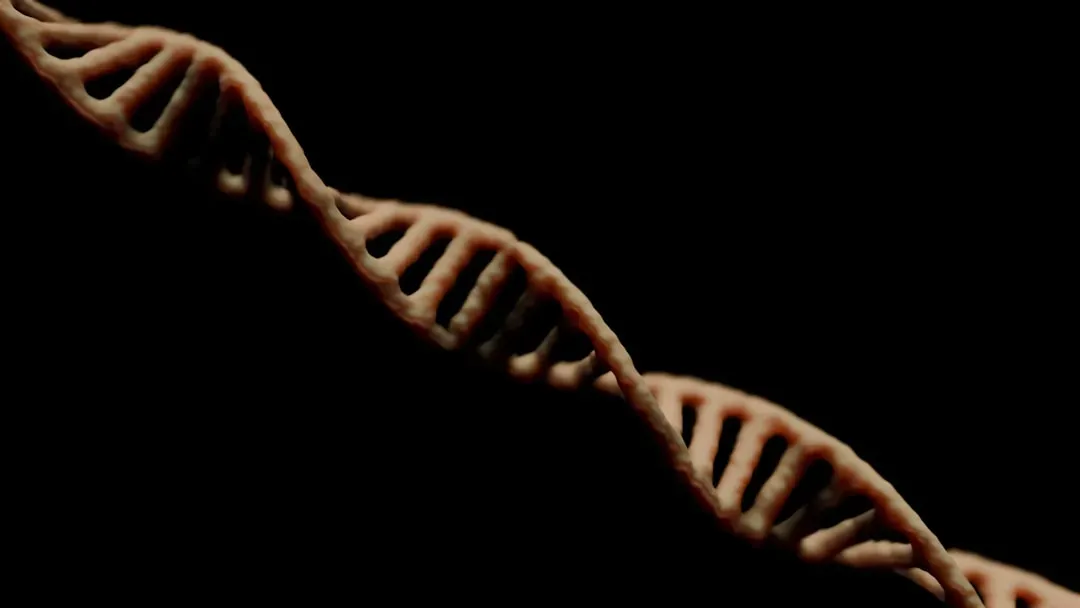
Even with all the progress so far, we are still missing huge chapters of our migration story, especially from regions where climate and soil conditions make it hard to recover ancient DNA. New techniques are starting to change that. Researchers are learning to extract genetic material from sediments in caves, from tiny fragments of bone, and even from the hardened plaque on ancient teeth. These methods can reveal who lived in a place long after their visible remains have vanished, filling gaps that archaeology alone could never close.
At the same time, advances in computing and artificial intelligence are allowing scientists to sift through massive genetic datasets and test migration scenarios that would have been impossible to explore a decade ago. Models can simulate thousands of possible histories and compare them to real data, narrowing down the most likely chains of events. Yet these tools come with ethical and practical challenges, from respecting the wishes of Indigenous communities whose ancestors’ remains are being studied, to ensuring that findings are not misused to prop up modern prejudices. The more detailed our map of the past becomes, the more responsibility we have to use it wisely.
How You Can Connect With This Story
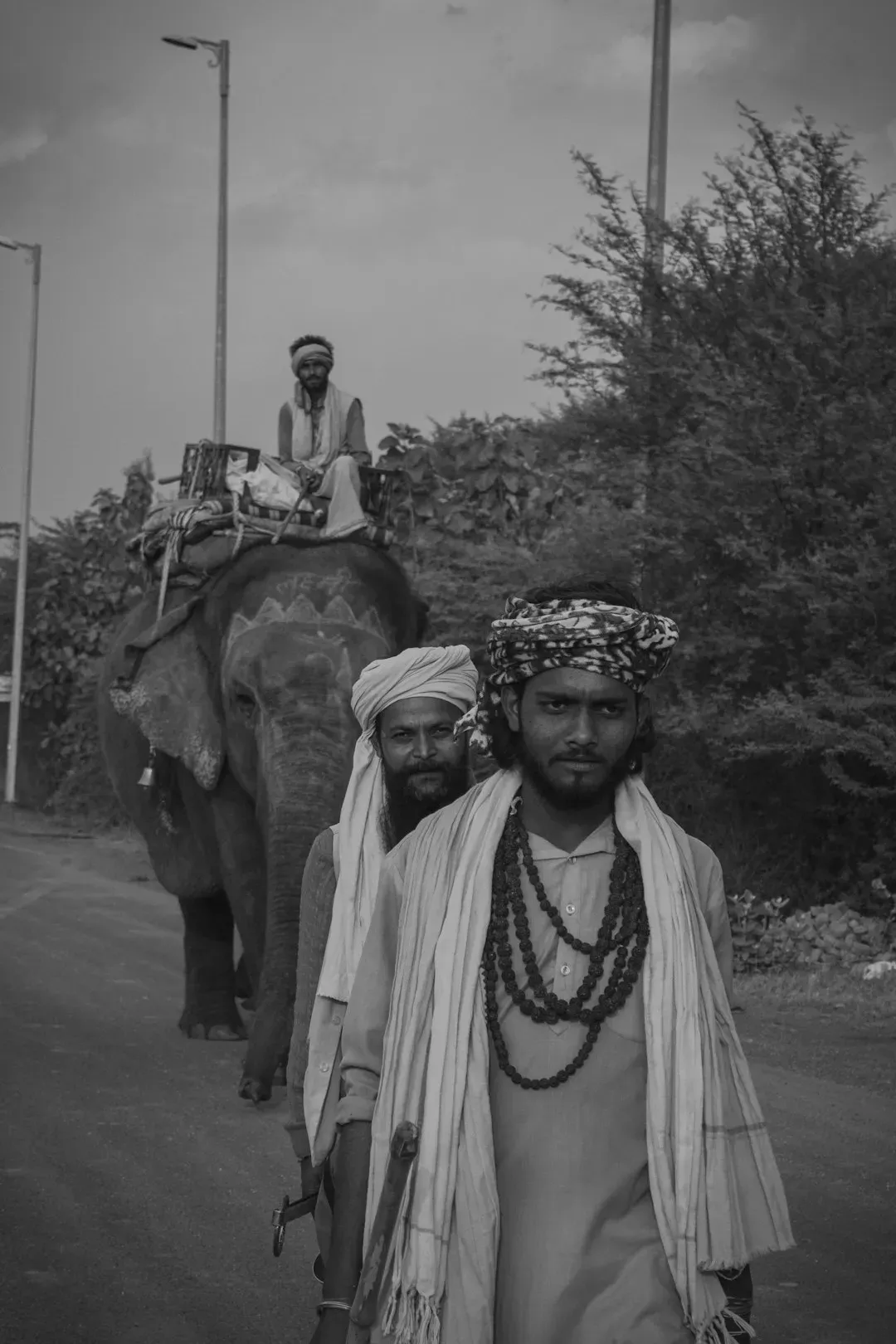
It is easy to think of ancient migrations as something remote, sealed off in the past, but you are already a direct outcome of those long journeys. One simple way to engage is to learn about the Indigenous histories of the place where you live, including which peoples moved through or stewarded that land before modern borders were drawn. Visiting local museums, reading community histories, or attending public talks can turn abstract arrows on a map into real communities with names, languages, and living descendants. If you choose to explore commercial ancestry tests, doing so with a critical eye and an awareness of their limits can help you see them as one piece of a much bigger puzzle rather than a final verdict on identity.
You can also support scientific and cultural initiatives that aim to document and protect this shared heritage. That might mean backing projects that preserve endangered languages, which often carry clues about past migrations, or supporting ethical archaeological work that collaborates closely with descendant communities. Even something as simple as teaching children that human history is a story of movement and connection, not rigid separation, can subtly shift how the next generation sees the world. In a time when it is easy to feel divided, remembering that your ancestors walked, sailed, and struggled their way into new worlds might be a quiet but powerful act. What paths did they follow to eventually lead to you?
Suhail Ahmed is a passionate digital professional and nature enthusiast with over 8 years of experience in content strategy, SEO, web development, and digital operations. Alongside his freelance journey, Suhail actively contributes to nature and wildlife platforms like Discover Wildlife, where he channels his curiosity for the planet into engaging, educational storytelling.
With a strong background in managing digital ecosystems — from ecommerce stores and WordPress websites to social media and automation — Suhail merges technical precision with creative insight. His content reflects a rare balance: SEO-friendly yet deeply human, data-informed yet emotionally resonant.
Driven by a love for discovery and storytelling, Suhail believes in using digital platforms to amplify causes that matter — especially those protecting Earth’s biodiversity and inspiring sustainable living. Whether he’s managing online projects or crafting wildlife content, his goal remains the same: to inform, inspire, and leave a positive digital footprint.