
A Cascade of Hidden Dangers (Image Credits: Cdn.mos.cms.futurecdn.net)
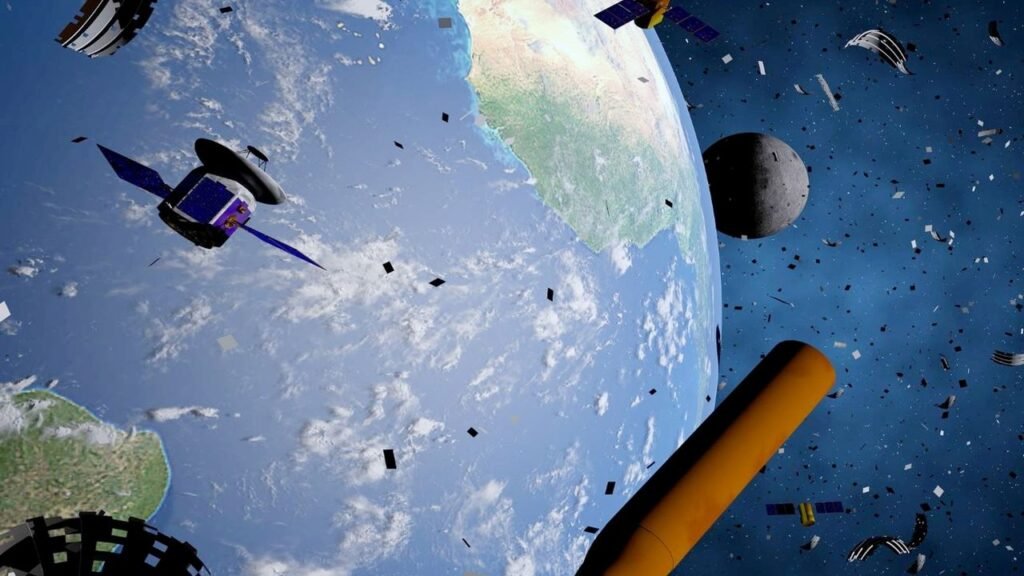
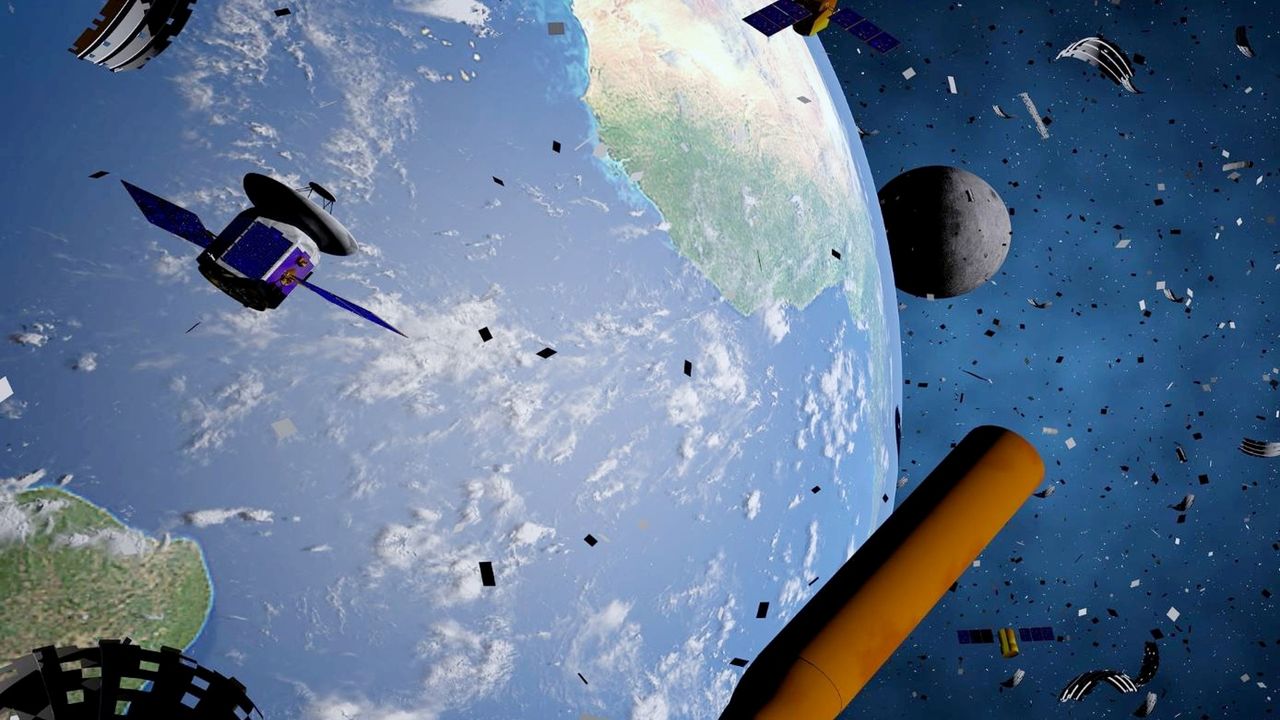
Earth’s orbit, once a vast frontier for exploration, now resembles a crowded highway littered with high-speed hazards from decades of human activity.
A Cascade of Hidden Dangers
More than 40,000 pieces of trackable space debris circle the planet, each capable of traveling at speeds up to 18,000 miles per hour. These remnants include defunct satellites, spent rocket stages, and fragments from collisions or explosions. Experts warn that even tiny objects, smaller than a softball, pose lethal threats to spacecraft and the International Space Station. The density of this debris in low Earth orbit has reached critical levels, turning routine missions into high-stakes maneuvers.
Recent data from NASA highlights how solar activity influences debris decay, with peaks causing more objects to re-enter the atmosphere. Yet, the majority lingers, contributing to what scientists call Kessler syndrome – a chain reaction of collisions that could render orbits unusable. This scenario, first proposed in the 1970s, now feels increasingly plausible as satellite constellations expand rapidly.
Recent Close Calls Underscore the Urgency
A hairline crack appeared on a Chinese crew capsule window after a micrometeoroid or debris strike, forcing an emergency response and highlighting vulnerabilities in crewed missions. In another incident, a Starlink satellite failed prematurely, scattering debris that could have prolonged its orbital presence. Such events, though avoided disaster, reveal the fragility of current operations. Space agencies worldwide now perform thousands of avoidance maneuvers annually to dodge potential impacts.
These near-misses extend beyond government programs. Commercial ventures, like those deploying mega-constellations for internet access, accelerate the problem by launching thousands of satellites yearly. Without robust end-of-life plans, many will become future hazards, exacerbating the congestion in low Earth orbit.
Barriers to Effective Cleanup
International cooperation remains elusive, with nations prioritizing national interests over collective safety. Treaties like the Outer Space Treaty of 1967 lack enforceable rules on debris mitigation, leaving gaps in accountability. Developing technologies for active removal – such as nets, lasers, or robotic arms – faces funding shortages and technical hurdles. Private companies, while innovative, often operate under varying regulations, complicating global standards.
Efforts to impose deorbit requirements, such as a five-year post-mission removal rule, gain traction but encounter resistance from cost-conscious operators. Atmospheric drag naturally clears some debris, yet climate change may thicken the upper atmosphere, prolonging object lifespans. Scientists estimate that without intervention, debris could multiply fiftyfold by 2100 in worst-case projections.
Emerging Solutions and the Road Ahead
Artificial intelligence emerges as a key tool for tracking and predicting debris trajectories, enabling real-time alerts for satellite operators. International forums, including the United Nations Committee on the Peaceful Uses of Outer Space, push for updated guidelines to mandate safer satellite designs. Ground-based tests of debris-capturing prototypes show promise, though scaling them requires multinational investment.
Collaboration between governments, space agencies, and private firms could standardize practices, like passivation to prevent explosions. Public awareness campaigns also play a role, urging accountability from launch providers. Still, experts argue that voluntary measures fall short; binding agreements are essential to avert escalation.
- Trackable debris exceeds 40,000 objects, with millions more unmonitored pieces.
- Avoidance maneuvers have surged, costing millions in fuel and delays.
- Mega-constellations could add tens of thousands of satellites by decade’s end.
- Removal technologies remain experimental, targeting high-risk objects first.
- Global rules lag behind launch rates, risking irreversible orbital clutter.
Key Takeaways
- Space debris threatens satellites, crewed missions, and future exploration without immediate action.
- Recent incidents like capsule cracks and satellite failures signal rising risks in crowded orbits.
- AI, international treaties, and removal tech offer hope, but enforcement is crucial to prevent catastrophe.
The space debris crisis demands proactive global unity to safeguard the heavens for generations. As orbits fill with remnants of ambition, the question lingers: can humanity act before a collision cascades into chaos? What steps should nations take next? Share your thoughts in the comments.