Did you ever imagine a desert blanketed in snow and shimmering ice? Most people picture deserts as endless, sun-baked sand dunes, shimmering under a relentless sun. But what if I told you that some of the largest deserts on Earth are actually frozen, hostile landscapes where temperatures plummet far below zero? This surprising truth flips our understanding of deserts upside down. Deserts aren’t defined by burning heat or rolling sand dunes, but by one thing: dryness. Welcome to the world where Antarctica is a desert, and the Arctic rivals the Sahara. Let’s journey across the globe and uncover the astonishing reality of cold deserts, where ice, not sand, reigns supreme.
What Truly Makes a Desert?
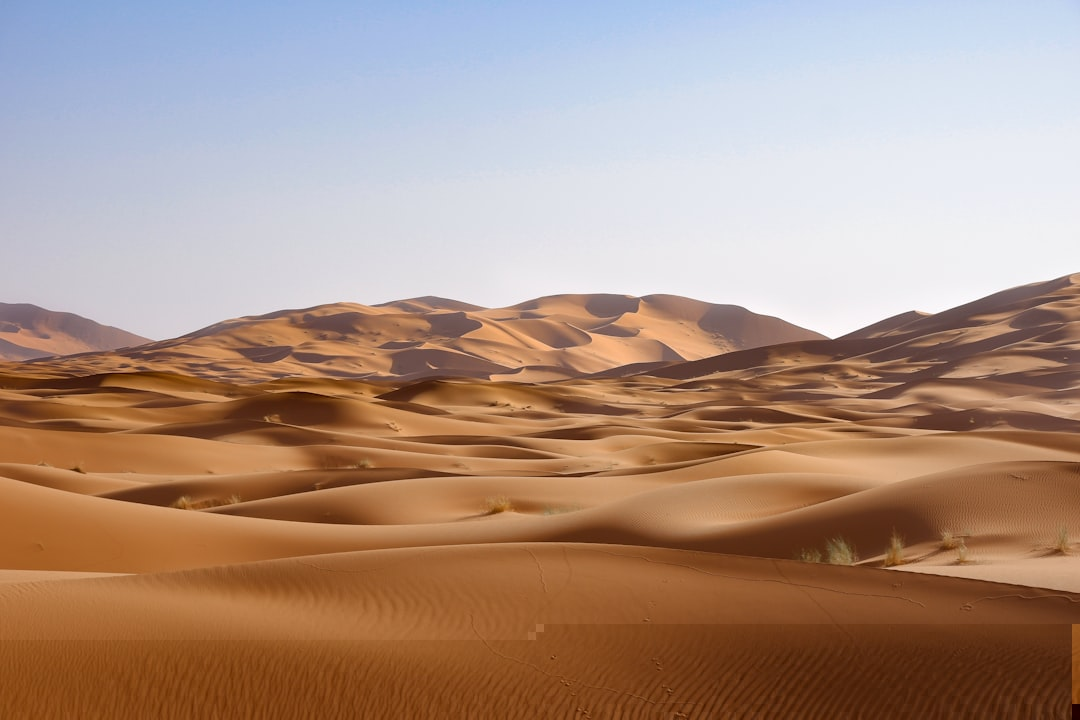
When you hear the word “desert,” your mind probably leaps to the Sahara or the Arabian Desert, places of extreme heat and endless sand. But scientifically, a desert is simply any region that receives very little precipitation—usually less than 250 millimeters (about 10 inches) of rain or snow per year. This means that temperature is not the defining factor; dryness is. Some deserts are sweltering, while others are frigid. The unifying feature is scarcity of water. This simple fact opens our eyes to a hidden world of deserts covered not in sand, but in ice and snow.
The Icy Giant: Antarctica as the World’s Largest Desert
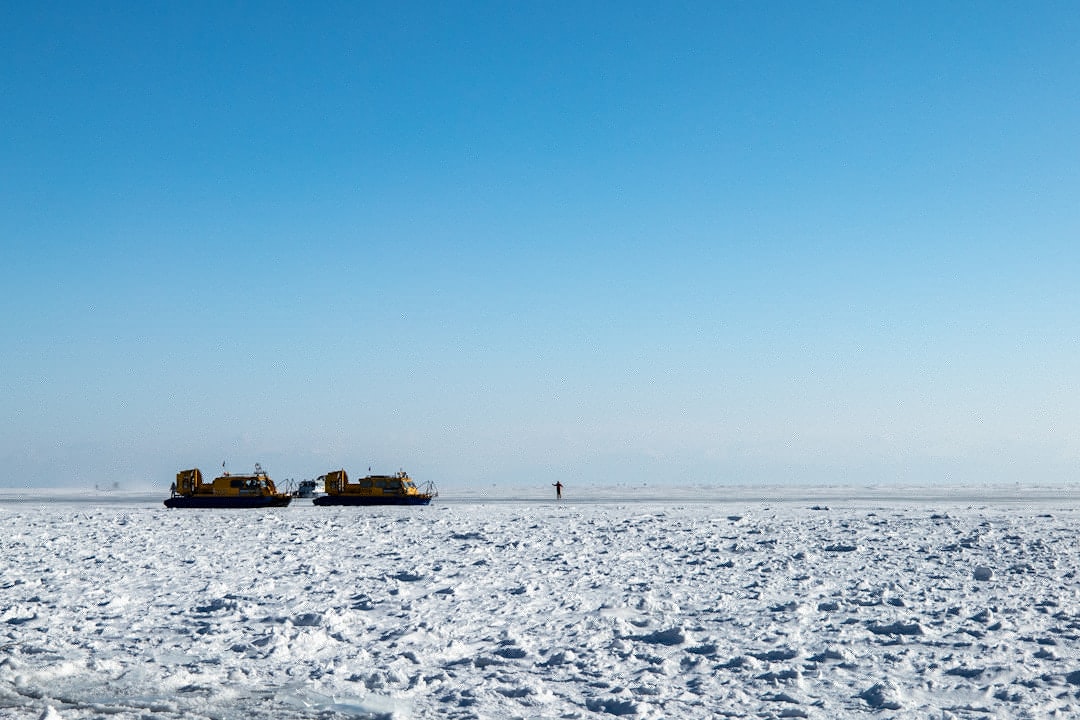
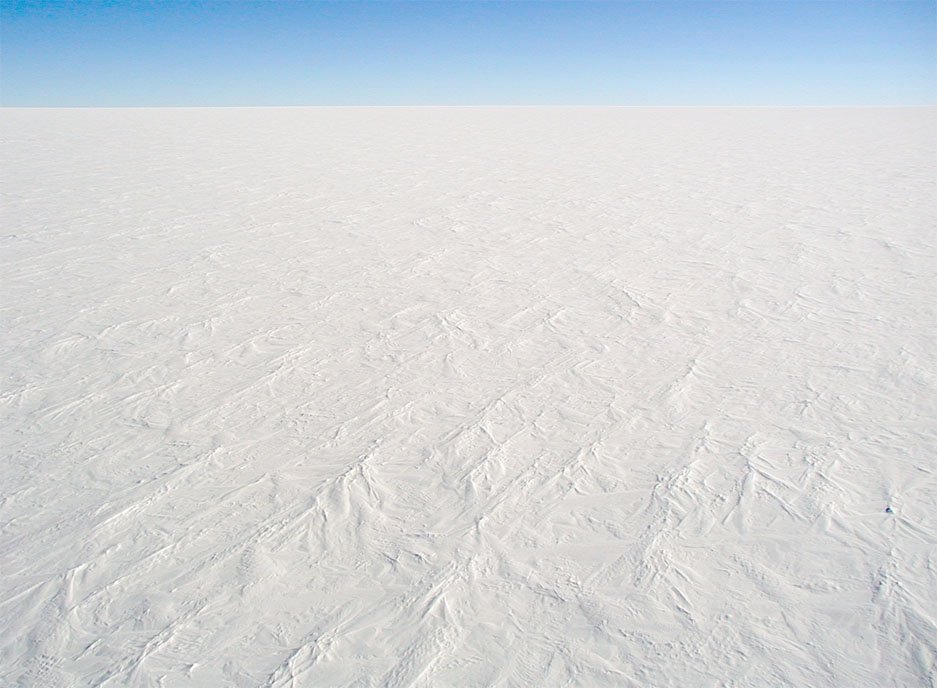
It’s almost shocking: Antarctica, the coldest place on Earth, is also the largest desert. Spanning about 14 million square kilometers, it dwarfs even the Sahara. With temperatures that can plunge below -80°C and blizzards that rage for days, Antarctica seems like the last place you’d call a desert. But with an average annual precipitation as low as 50 millimeters in some interior regions, it fits the definition perfectly. The snow that does fall often never melts, piling up over centuries to create the thick ice sheet that covers the continent.
The Arctic Desert: A Frozen Wasteland
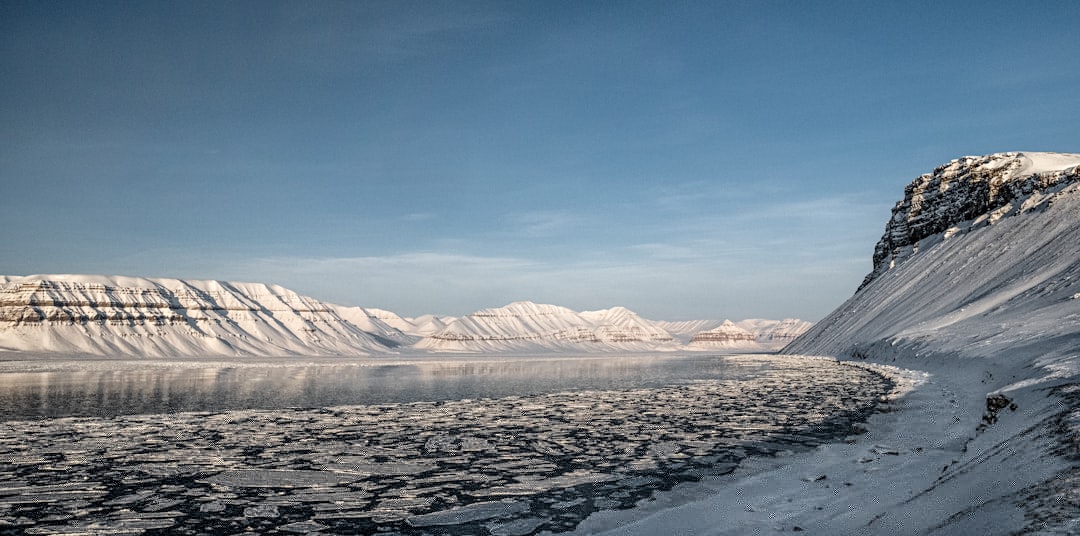
At the opposite end of the globe, the Arctic also qualifies as a desert. The Arctic Desert covers vast parts of the polar region, including Greenland and the Arctic archipelago. Despite its iconic ice floes and snowdrifts, the Arctic receives very little precipitation—most of it falling as snow. The cold, dry air can make your skin crack and your breath turn into tiny ice crystals. Yet, life here has adapted to survive in one of the driest and most extreme environments on Earth.
Deserts of Ice Versus Deserts of Sand
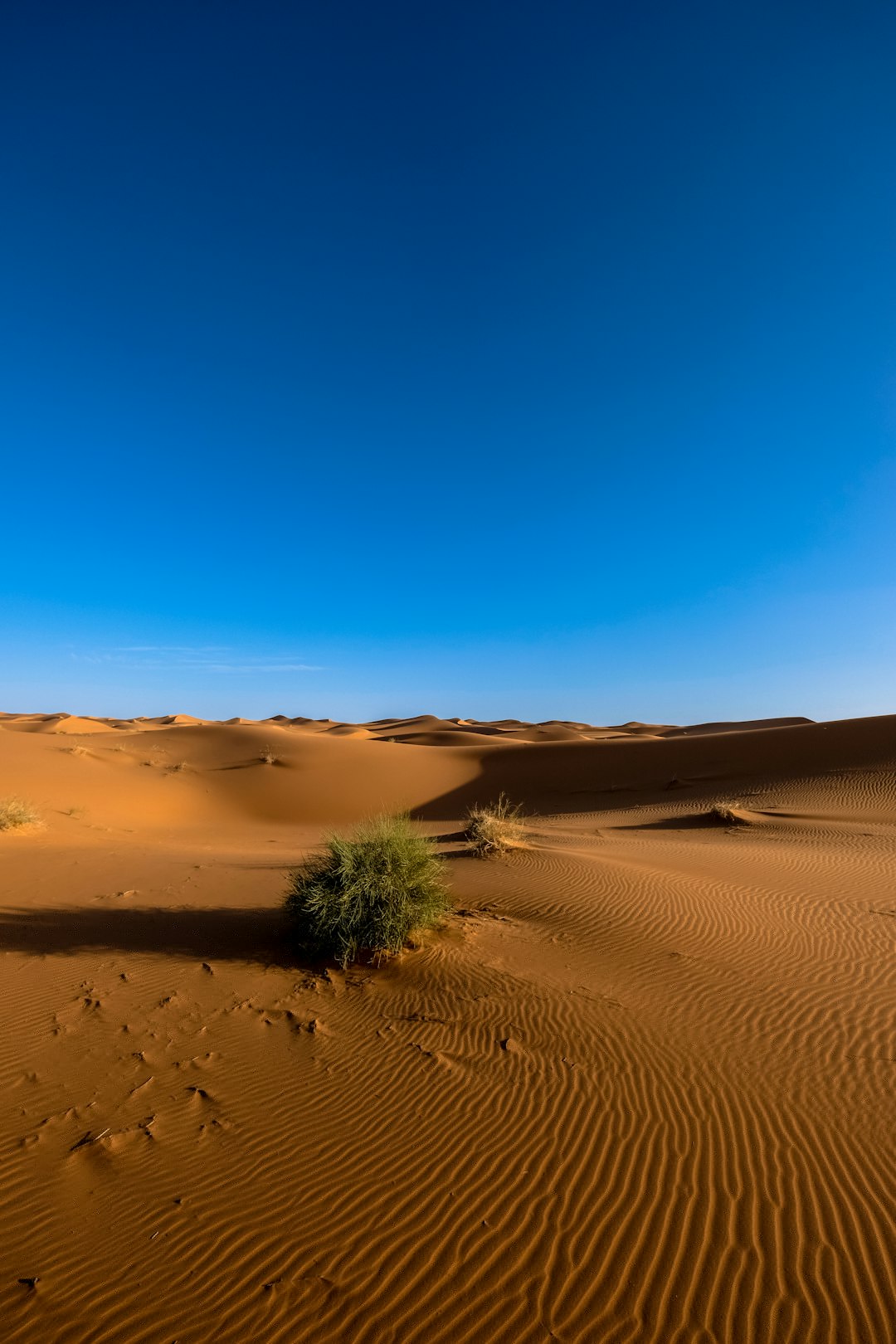
Hot deserts and cold deserts couldn’t look more different, but they share surprising similarities. Both suffer from extreme temperatures—hot deserts scorch by day and freeze by night, while cold deserts remain icy year-round. Both can have howling winds that reshape the landscape. In both types, water is the rarest resource, and life must adapt to survive with almost none of it. If you swapped the sand of the Sahara for the snow of Antarctica, you’d still find a place where survival depends on ingenuity.
A Life Less Ordinary: Creatures of the Polar Deserts
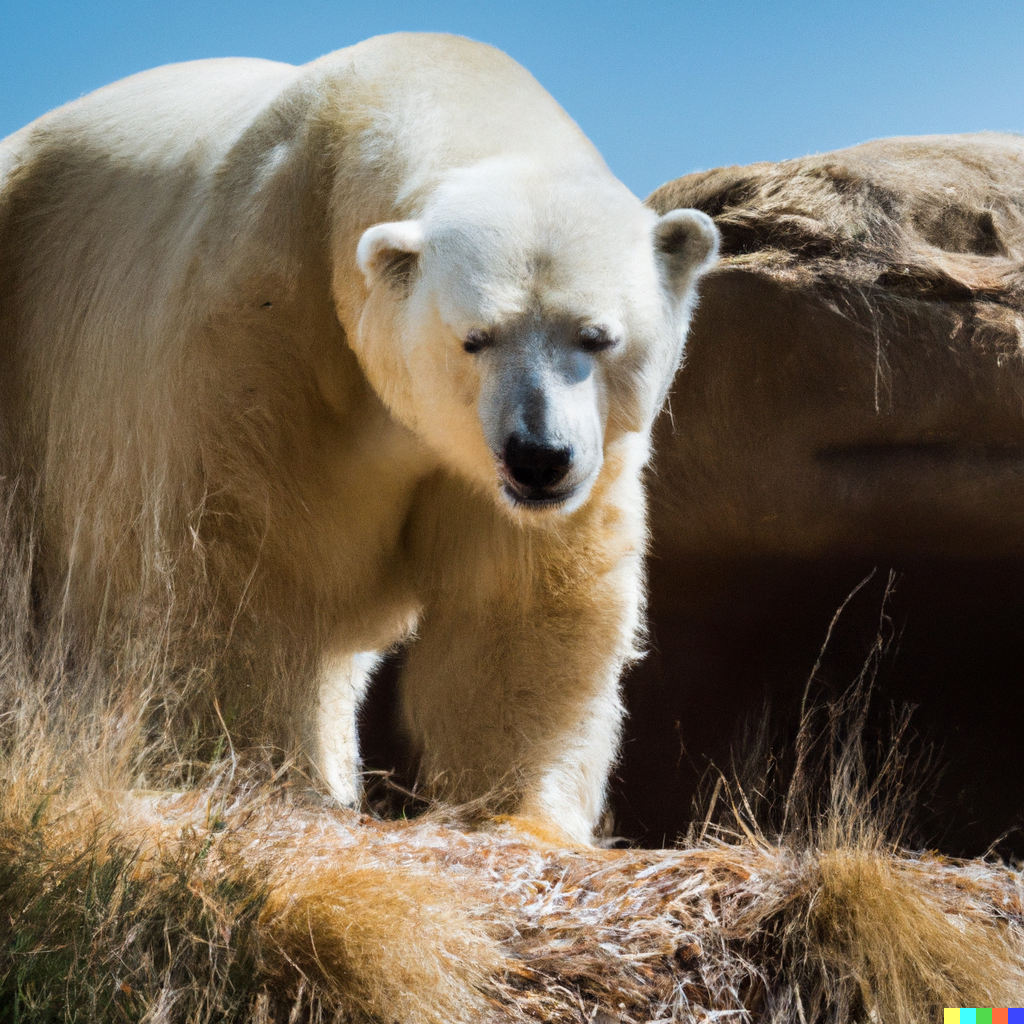
Life in ice deserts is nothing short of miraculous. In Antarctica, only the toughest organisms survive, from microscopic extremophiles hiding in ice cracks to emperor penguins that brave the coldest winters on Earth. The Arctic Desert, meanwhile, hosts polar bears, Arctic foxes, and hardy plants like mosses and lichens. These creatures have evolved remarkable strategies—antifreeze proteins, thick layers of blubber, and the ability to go dormant for months—to survive an existence where water is locked away as ice and food is always scarce.
Dry Valleys: Antarctica’s Bizarre, Ice-Free Deserts
One of Antarctica’s strangest features is the McMurdo Dry Valleys. Imagine a place so dry that snow never falls and ice never lingers. Here, fierce katabatic winds sweep away any moisture, leaving bare rock and soil exposed year-round. The Dry Valleys are among the driest places on Earth, with some areas receiving almost no precipitation at all. They’re so alien that NASA sends scientists here to study life’s potential on Mars.
Cold Deserts Beyond the Poles
Not all cold deserts are at the poles. The Gobi Desert in Mongolia and China is a vast, chilly expanse where temperatures swing from scorching summers to freezing winters. The Great Basin Desert in the United States, nestled between mountain ranges, receives little rainfall and experiences cold winters with snowfall. These regions show that cold deserts can occur far from the frozen poles, wherever the climate is dry enough and temperatures can drop.
How Ice Deserts Form
Why do some places become icy deserts? The answer lies in atmospheric circulation and geography. Polar regions receive less sunlight, causing temperatures to plummet. Cold air holds less moisture, so little precipitation falls. In some places, mountain ranges block moist air from reaching the interior, creating cold, dry basins. Over thousands of years, these conditions lock water away as ice, turning vast regions into deserts of snow and frost.
Adapting to the Dry Cold
Plants and animals in cold deserts have to cope with a double challenge: not just lack of water, but freezing temperatures. Some, like the Antarctic moss, can survive being frozen solid for years. Others, like the Arctic ground squirrel, hibernate through the worst of the winter, their body temperature dropping close to freezing. Even bacteria and fungi have evolved to hide in cracks and under rocks, waiting for the briefest thaw to spring to life.
Weather in Cold Deserts: More Than Just Snow
You might think that cold deserts are always blanketed in snow, but that’s not always the case. In places like the McMurdo Dry Valleys, strong winds can evaporate any snow that falls. In the Gobi, icy winds whip across gravel plains, and snow may come and go in a matter of hours. Weather here is unpredictable, often swinging between extremes, with blizzards one day and clear, sunlit skies the next.
Human Survival in Cold Deserts
Surviving in a cold desert is a test of human endurance and ingenuity. Early explorers of Antarctica, like Ernest Shackleton, faced unimaginable hardships: frostbite, starvation, and isolation. Even today, scientists working in polar research stations must bring everything they need, from food to fuel, and live in isolated, tightly controlled environments. In other cold deserts like the Gobi, nomadic herders have learned to move with the seasons, using centuries-old knowledge to find water and shelter.
Cold Desert Landscapes: Beauty in the Barren
The landscapes of cold deserts are hauntingly beautiful. In Antarctica, endless plains of ice stretch to the horizon, broken only by jagged mountains and blue crevasses. The Arctic offers kaleidoscopic skies during the aurora borealis, while the Gobi’s wind-carved rock formations look almost sculpted by an artist’s hand. These places are proof that even the most forbidding environments hold a quiet, stark beauty.
Climate Change and the Future of Polar Deserts
Climate change is reshaping cold deserts in ways we’re only starting to understand. Melting ice sheets in Antarctica and the Arctic threaten to raise sea levels worldwide. As temperatures rise, some cold deserts may see more precipitation, while others could become even drier. These changes put unique ecosystems at risk, and scientists are racing to study them before they’re lost forever.
Ice Deserts on Other Worlds
The concept of icy deserts isn’t limited to Earth. Mars, with its dry, freezing landscape, is often called a cold desert planet. Its surface is covered in dust and ice, with almost no liquid water. Scientists believe that studying Earth’s cold deserts can help us understand what life might look like on Mars or other icy worlds, sparking dreams of future exploration.
Unusual Phenomena: Blood Falls in Antarctica
One of the most bizarre sights in any cold desert is Antarctica’s Blood Falls. Here, a bright red stream of iron-rich water oozes out from the Taylor Glacier, staining the ice crimson. The phenomenon is caused by microbes living deep under the ice, thriving in complete darkness and extreme cold. Blood Falls is a vivid reminder that life can persist in the harshest places, using chemistry we’re only beginning to understand.
The Human Fascination with Deserts
Deserts, whether icy or sandy, have always captured human imagination. They are places of adventure and mystery, testing the limits of what’s possible. Writers, artists, and filmmakers return again and again to the idea of the desert as a symbol of isolation, endurance, and raw beauty. Cold deserts, with their stark landscapes and hidden life, offer endless inspiration for those willing to brave their chill.
Unexpected Oases: Life Springs Forth
It’s easy to think of cold deserts as lifeless, but they sometimes surprise us with bursts of color and activity. In the Antarctic summer, hardy mosses and algae bloom in sheltered pockets, painting the ice green and red. In the Arctic, wildflowers burst into bloom during the short summer, attracting birds and insects from thousands of miles away. These oases remind us that even in the harshest environments, life finds a way.
Protecting the World’s Cold Deserts
Cold deserts are fragile, and human activity can have outsized effects. Pollution, overfishing, and tourism threaten some polar regions. International agreements like the Antarctic Treaty aim to preserve these unique places for future generations. Scientists urge us to tread lightly and remember that these icy deserts are not just barren wastelands—they’re living systems, vital to Earth’s climate and biodiversity.
Why Cold Deserts Matter
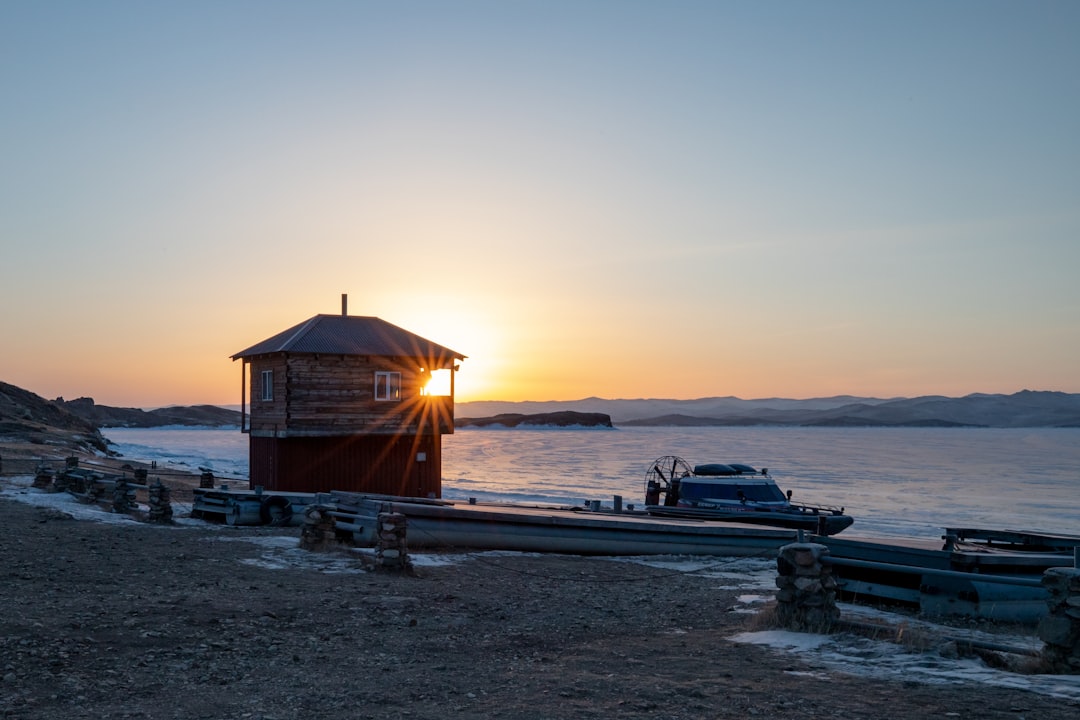
Cold deserts may seem remote and unimportant, but they play a crucial role in the world’s climate. The ice sheets of Antarctica and Greenland reflect sunlight, helping to keep Earth cool. These regions store vast amounts of fresh water and influence weather patterns across the globe. Studying them helps scientists understand not just these distant places, but the planet as a whole.
A World Beyond Sand: Rethinking the Desert
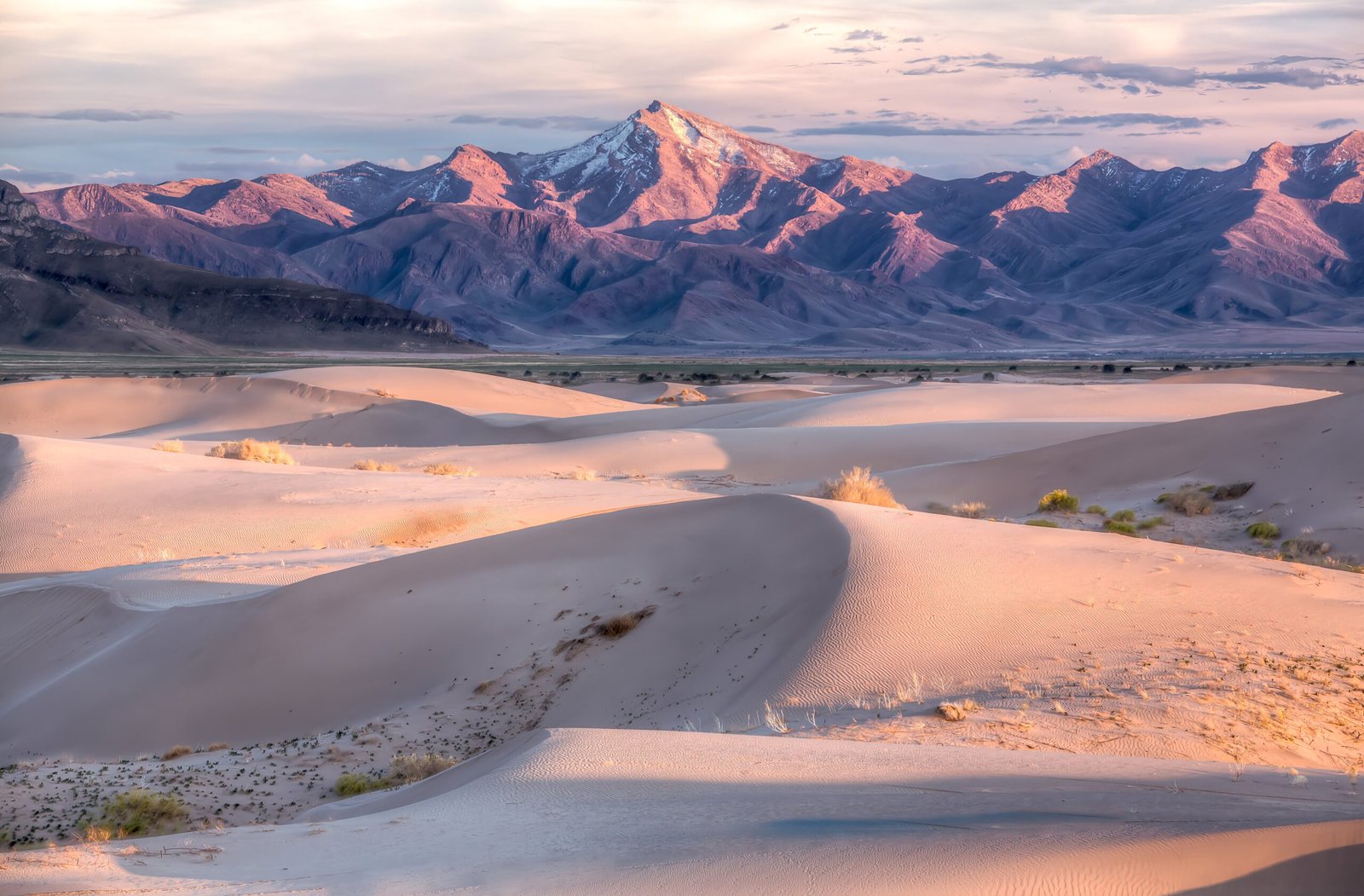
The next time you hear the word “desert,” picture more than just sun and sand. Imagine endless fields of ice, howling winds, and creatures battling to survive in the coldest, driest places on Earth. Deserts are not defined by heat, but by their thirst. Whether covered in burning sand or blinding snow, they remind us of nature’s wild variety and resilience. Isn’t it astonishing how a single word can contain so many worlds?