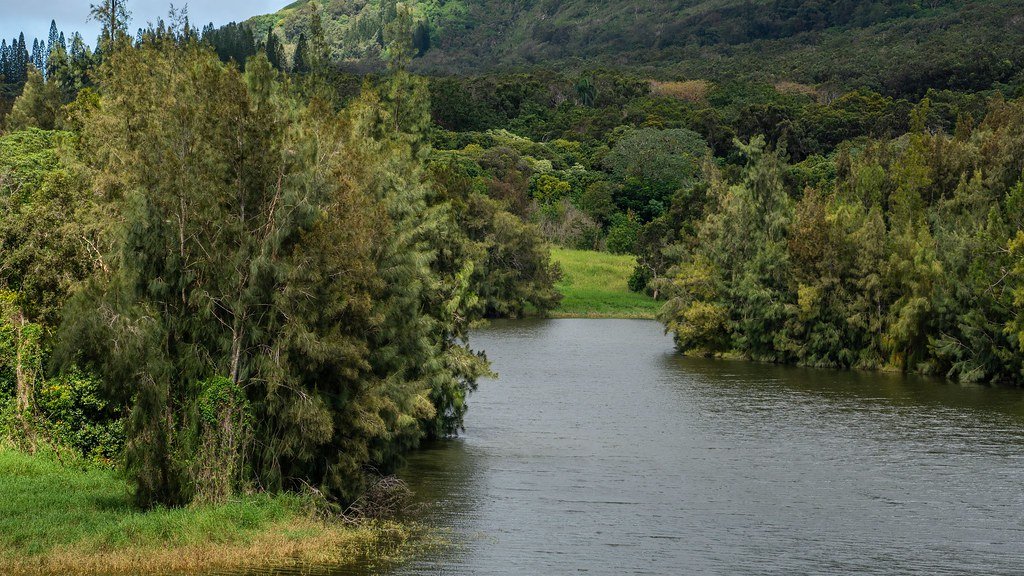
Record Water Levels Trigger Alarm (Image Credits: Flickr)
Oahu – Torrential rains unleashed catastrophic flash flooding across northern Oahu, forcing emergency officials to order thousands to flee areas downstream from the Wahiawa Dam.[1][2] The 120-year-old structure reached record-high water levels early Friday, raising fears of an imminent breach that could unleash devastating floods along the Kaukonahua Stream.[3] Rescue teams pulled more than 230 people from floodwaters as roads turned into rivers and homes faced destruction.
Record Water Levels Trigger Alarm
Water in the Wahiawa Reservoir surged to 85.10 feet just before 9 a.m. on March 20, eclipsing the previous record of 85 feet set in 2005.[1] The dam’s top sits at 90 feet, with 88 feet marking a critical threshold where overtopping becomes likely. Officials from the Oahu Department of Emergency Management warned residents of a life-threatening risk, issuing alerts that the structure could fail at any moment.[4]
Built in 1906 for irrigation by the Waialua Sugar Company and now owned by Dole Food Company Hawaii, the earthen dam spans 660 feet and holds back Lake Wilson.[2] State inspections rated it in poor condition, citing an undersized spillway unable to handle major floods.[2] By afternoon, levels had dropped more than a foot, but authorities stressed the danger persisted with more rain forecast.
Urgent Evacuations Sweep North Shore Communities
Evacuation orders targeted Waialua and Haleiwa, affecting over 4,000 to 5,500 residents in the direct path.[3][1] Alerts urged people not to pack but to leave immediately via designated routes like Kamehameha Highway to Kamananui Road.[4] The Karsten Thot Bridge closed, stranding some as floodwaters rose to chest height in spots.
Honolulu Mayor Rick Blangiardi noted dozens to hundreds of homes displaced, with shelters prepared at Wahiawa High School.[1] Governor Josh Green closed state offices to prioritize safety and activated the National Guard for support.[3] As of March 21, the dam remained stable and structurally sound, though orders stayed in effect.[5]
Hundreds Rescued in Daring Operations
Responders conducted 233 rescues, including an airlift of 72 children and adults from a spring break camp on the west coast.[3] Coast Guard boats and high-clearance vehicles plucked others from rooftops and flooded streets in Waialua and Haleiwa. Neighbors used tractors to aid elders and clear debris.
A group of 70 at a North Shore campsite stood surrounded by water but remained safe, according to the governor. No deaths occurred, though a home in Mokuleia washed away overnight.[2] Flooded roads like Kamehameha Highway and Kaukonahua Road hampered access, turning routine travel into peril.
Back-to-Back Storms Overwhelm Saturated Ground
Northern Oahu absorbed 8 to 12 inches of rain in 12 to 16 hours, with some spots exceeding a foot amid the second major storm in a week.[2] The prior system dumped over 15 inches island-wide, saturating soil and accelerating runoff. National Weather Service meteorologists described the ground as “primed,” leading to rapid escalation.
A flash flood emergency persisted until early afternoon on March 20, with watches extending through Sunday. Kona lows, typical in Hawaii’s rainy season, fueled the deluge, shifting heaviest bands eastward by Friday evening.
- Waialua: 20 inches since last Friday.
- North Shore mountains: Nearly 30 inches in one spot.
- Northern Oahu overall: 6-12 inches in 24 hours.
- Maui (prior storm): Over 5 feet in elevations.
Key Takeaways
- Wahiawa Dam held firm despite record levels, but its poor condition highlights maintenance needs.
- Over 230 rescues underscore swift response amid 5,000 displacements.
- More rain looms, keeping North Shore on high alert through the weekend.
The crisis exposed vulnerabilities in Hawaii’s aging infrastructure, with state records flagging the dam’s risks for decades. Governor Green called it a “touch-and-go day,” estimating potential billion-dollar damages. As waters recede tentatively, communities await all-clear signals while bracing for further pulses. Officials urge vigilance. What impacts have you seen from these storms? Share in the comments.