The expansive, seemingly endless plains of North Dakota hold secrets that have fascinated scientists and explorers alike for generations. Beneath its rolling landscapes lies a geological treasure: ancient saltwater crystals, remnants of a primordial ocean. These crystals not only tell tales of Earth’s prehistoric past but also offer insights into the dynamic processes that have shaped our planet over millions of years. Join us on a journey to uncover the mysteries of these subterranean gems, as we explore their formation, significance, and what they reveal about the earth’s ancient history.
Formation of Saltwater Crystals
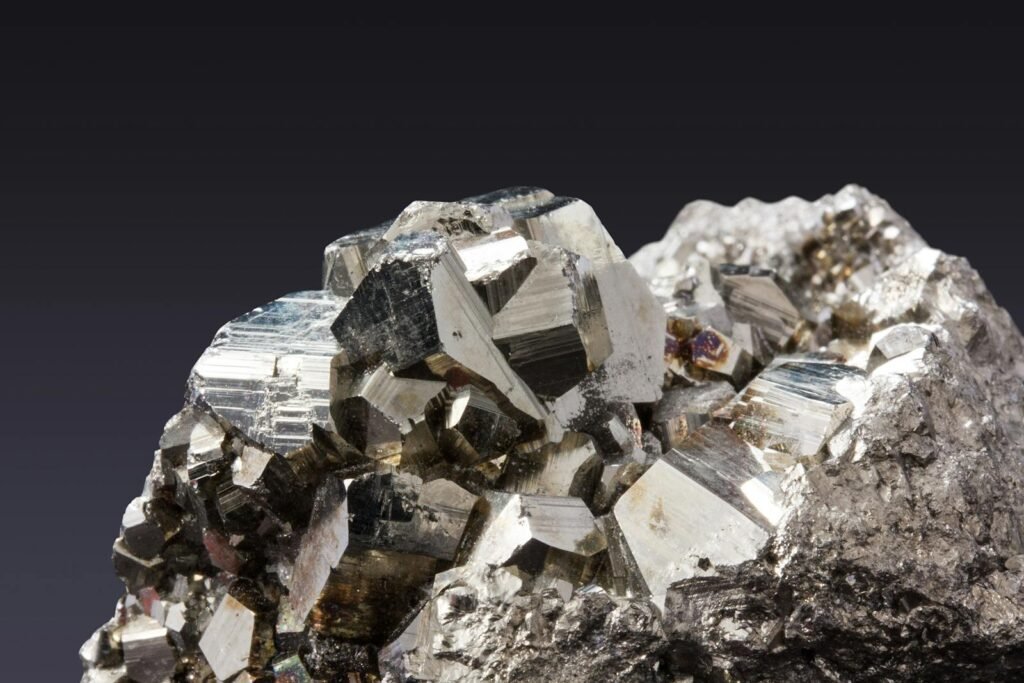
Millions of years ago, during the Paleozoic Era, vast saltwater seas covered much of what we now know as North Dakota. As these ancient bodies of water evaporated over time, they left behind vast deposits of minerals. Saltwater crystals, particularly halite, began to form as the seawater gradually disappeared, leaving a tapestry of crystalline structures spread beneath the surface of the state.
The Geology of North Dakota
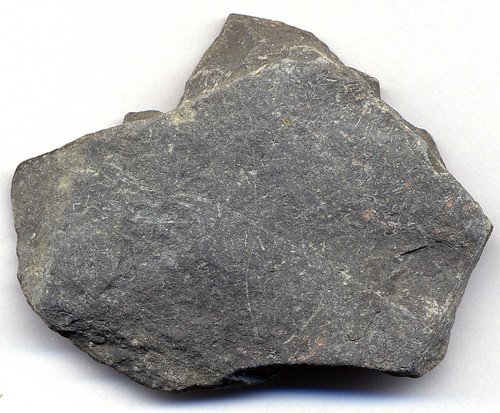
North Dakota’s geology is characterized by sedimentary formations that date back to different geological periods. The Williston Basin, a region known for its rich deposits of oil and natural gas, is also home to significant salt and mineral layers. These deposits are often found interbedded with layers of limestone and shale, running deep beneath the surface and providing a geological timeline of aquatic life that thrived eons ago.
How Scientists Study These Crystals

Researchers employ a variety of methods to study North Dakota’s subterranean salt formations. Core drilling allows geologists to extract cylindrical sections of earth, giving them a direct view of the stratified mineral layers. Advanced technologies like seismic surveys use sound waves to map out these underground structures, revealing the extent and distribution of the crystals. These studies have not only increased our understanding of regional geology but have also offered insights into broader planetary processes.
The Importance of Salt Deposits
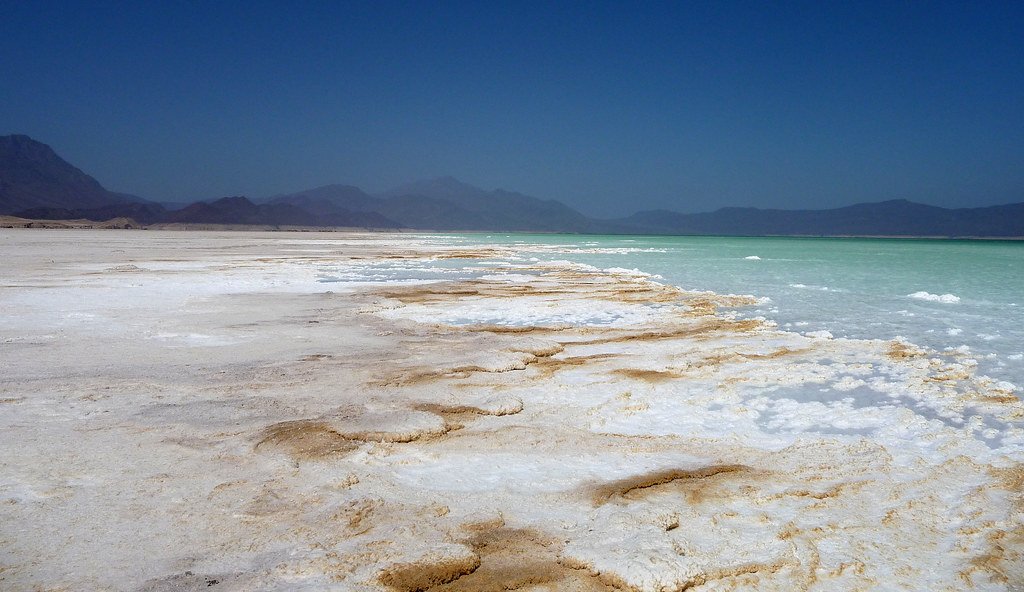
Salt deposits serve a range of practical applications—from road de-icing to water treatment, and not least in various industrial processes. Beyond their economic uses, they also play a crucial role in maintaining ecological balance. In some areas, these salt layers affect groundwater movement and influence soil composition, impacting agricultural practices in states where these resources are significant.
The Historical Significance

Knowing the history of North Dakota’s ancient saltwater seas offers a glimpse into Earth’s dynamic past. These crystals are not just mineral deposits; they are historical records. Through them, scientists can interpret climatic conditions from millions of years ago, drawing parallels between past and present environmental changes. This knowledge can provide valuable context for current climate change discussions and policy-making efforts.
Environmental Considerations

While the extraction and study of these saltwater crystals hold vast potential, it’s imperative to consider environmental impacts. Mining activities can pose threats to local ecosystems, and it’s crucial to balance resource extraction with conservation efforts. Sustainable practices and careful monitoring ensure that these treasures are preserved for future generations while being utilized responsibly today.
Tourist Attractions and Educational Opportunities

For those interested in geology and Earth’s history, the state offers several attractions showcasing its unique geological features. Educational tours and interactive exhibits are increasingly popular, providing hands-on experiences that connect visitors with the region’s ancient origins. These educational endeavors are crucial in fostering a greater appreciation for natural history and the conservation of geological sites.
Conclusion

The ancient saltwater crystals of North Dakota are more than just beautiful remnants of a bygone era. They are storytellers, whispering tales of the earth’s ancient seas that once covered the region, of climates that have come and gone, and of the natural processes that continue to shape our world. By exploring and understanding these subterranean wonders, we not only gain insights into the past but also learn to appreciate the complex tapestry of life and nature that has woven the story of our planet over eons.