
Imagine an ancient moment when every future song, story, language, and culture hung by a thread. That is what recent fossil and genetic evidence suggests may have happened to our distant human ancestors roughly about nine hundred thousand years ago. Instead of a thriving, spreading species, the early human family might have dwindled to a tiny, fragile group that could have disappeared forever.
This isn’t some dramatic movie plot; it’s a serious scientific question that researchers are only now beginning to piece together. New interpretations of fossils, climate records, and DNA are painting a picture that is as unsettling as it is fascinating: humanity may have come dangerously close to never existing at all.
The Shocking Idea: Humanity Balanced On A Knife-Edge
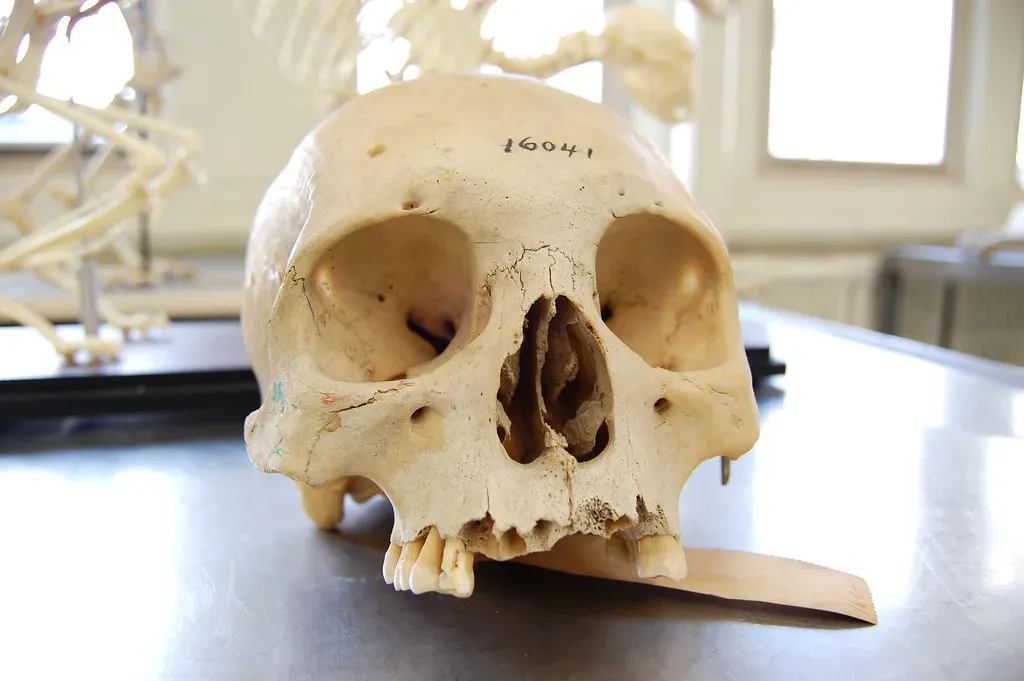
The most surprising claim from recent research is brutally simple: the human lineage may have shrunk to only a few hundred breeding individuals during a harsh period in Earth’s past. To put that into perspective, that’s fewer people than you’d find in a small village today, scattered across vast prehistoric landscapes with no certainty of survival. When I first read about this, I couldn’t shake the thought that every person alive today might trace back to a shockingly small group that somehow managed not to vanish.
This idea comes from what scientists call a population bottleneck, a time when numbers crash so hard that genetic diversity nearly flatlines. It’s like having an enormous forest suddenly reduced to a few lonely trees clinging to a rocky hillside. Those trees can seed a new forest one day, but any random storm or fire could wipe them out for good. The claim that our own ancestors stood in that terrifyingly vulnerable position is what makes this research so haunting and so gripping.
What The Fossils Are Actually Telling Us
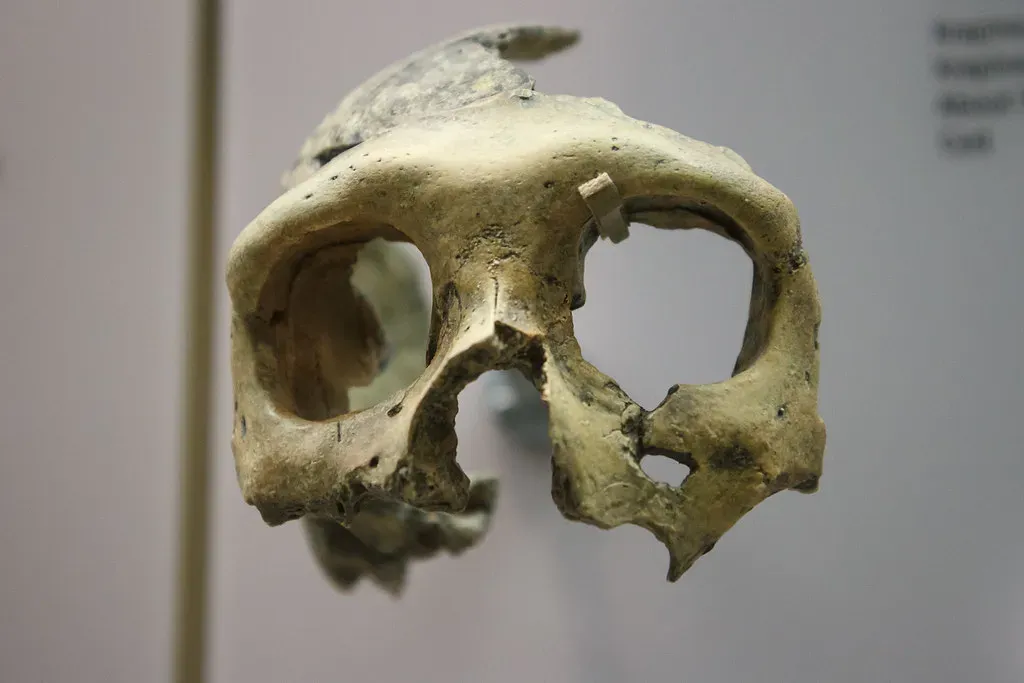
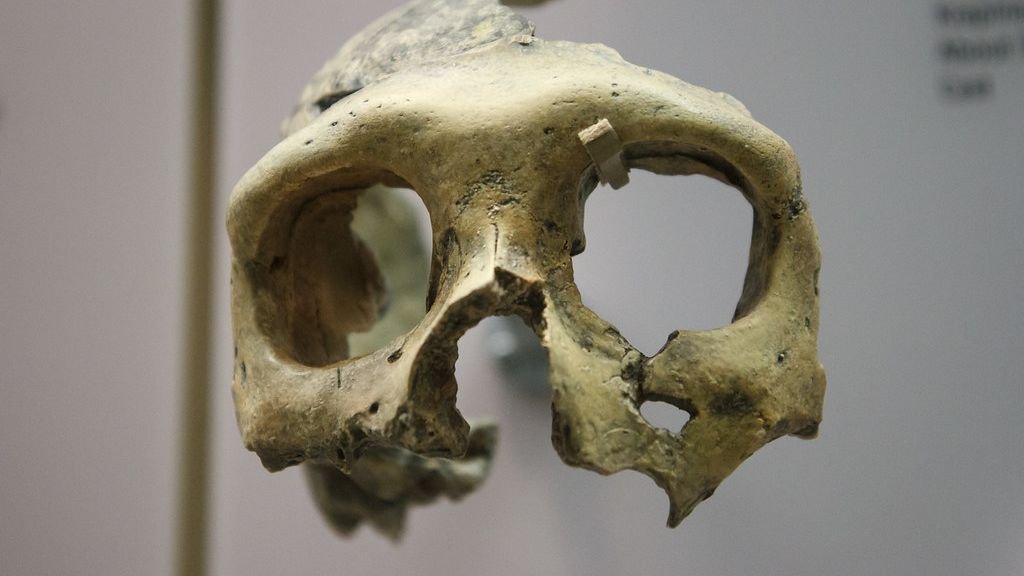
Newly analyzed fossils from the Middle Pleistocene period give us rare, precious snapshots of what hominin life looked like hundreds of thousands of years ago. These aren’t complete skeletons laid out neatly like museum exhibits; they’re often teeth, bone fragments, and partial skulls that need to be interpreted like pieces of a massive puzzle. The striking thing is that in some regions, these fossils appear in very thin layers or in patchy patterns during the period around nine hundred thousand to about eight hundred thousand years ago.
That patchiness hints that hominins may have been sparse on the ground, not the widespread, numerous populations we sometimes imagine. It’s as if the fossil record suddenly whispers instead of shouts. Combined with tools and traces of fire use appearing only here and there, it suggests scattered groups, separated by huge distances, trying to hang on through brutal environmental swings.
Reading Doom In Our DNA: The Genetic Bottleneck
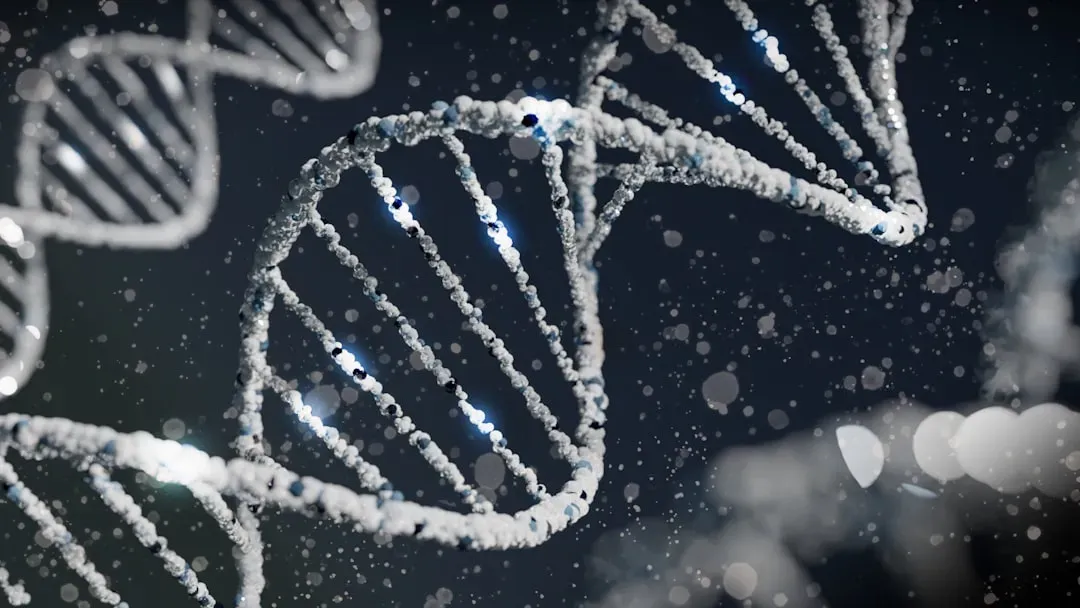
While fossils show us bodies, DNA shows us stories written in code, and that’s where things get really intense. Modern genetic studies compare the tiny differences in DNA sequences from people around the world to estimate how big ancient populations likely were and how they changed over time. Several analyses point toward a dramatic dip in ancestral human population size during that Middle Pleistocene window, shrinking down to what might have been roughly about a thousand breeding individuals or even fewer for a very long stretch.
Think of genetic diversity like colors in a box of crayons: after a bottleneck, you don’t just have fewer crayons, you also lose entire shades that never come back. This loss leaves fingerprints in our genomes today, patterns that suggest our ancestors went through an extended period of low numbers. It’s eerie to realize that these faint clues, hidden in your own cells, may be the only reason we even know this near-disaster ever happened.
Climate Chaos: A Planet Turning Against Our Ancestors
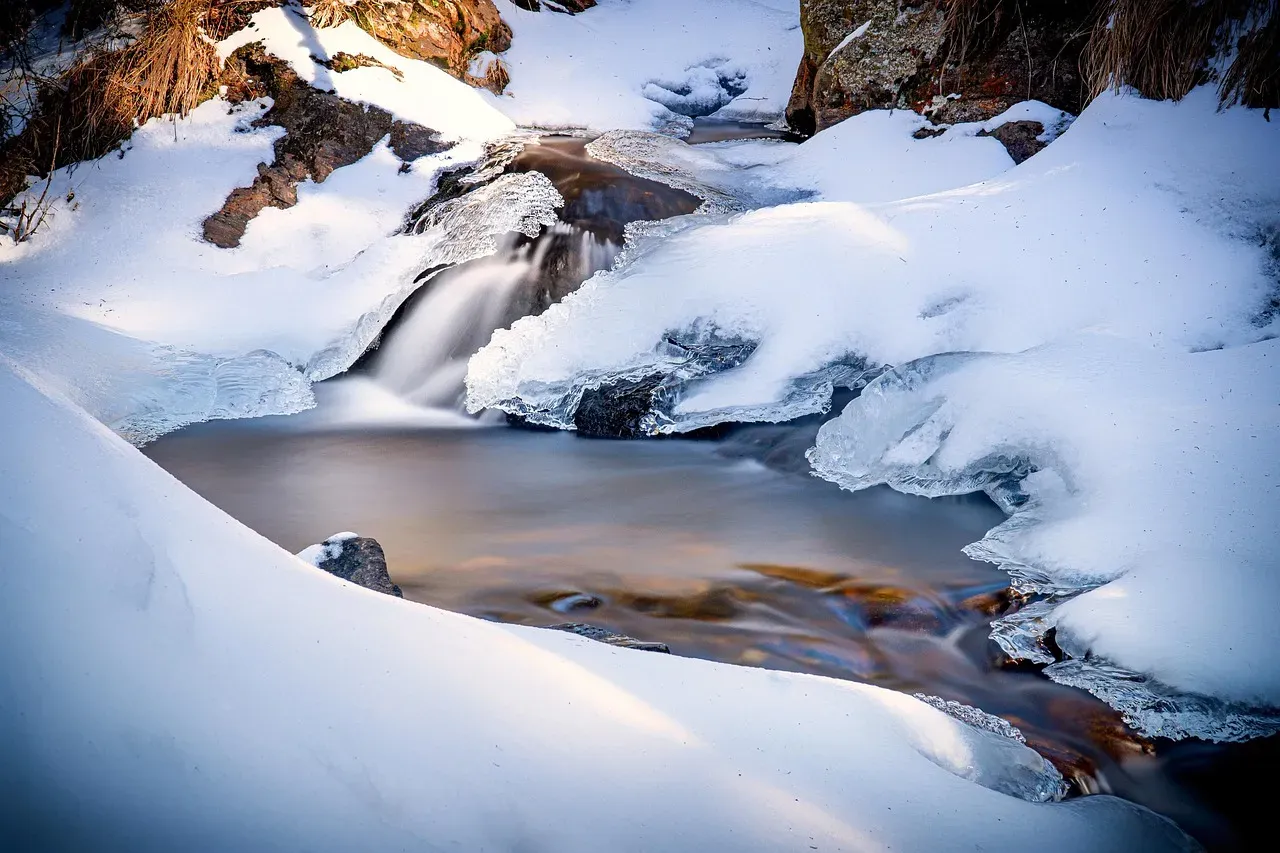
To understand why early humans may have crashed in numbers, you have to look at what the planet was doing at the time, and the answer is: nothing gentle. Around nine hundred thousand years ago, Earth’s climate was shifting into longer, more intense ice age cycles. Glaciers grew more massive, sea levels plunged, and many regions swung between freezing cold and parched dryness in ways that could devastate food sources.
For our scattered ancestors, this meant habitats transforming faster than cultures and bodies could adapt. Grasslands that supported large herds might have vanished, forests retreated or changed, and fresh water could have become dangerously scarce. It’s not hard to imagine rival groups competing over the last hospitable valleys, with some lineages simply failing to make it through a series of bad decades. Climate, in this story, isn’t just background scenery; it’s the main antagonist.
Who Survived: The Rise Of A Tough, Adaptable Lineage
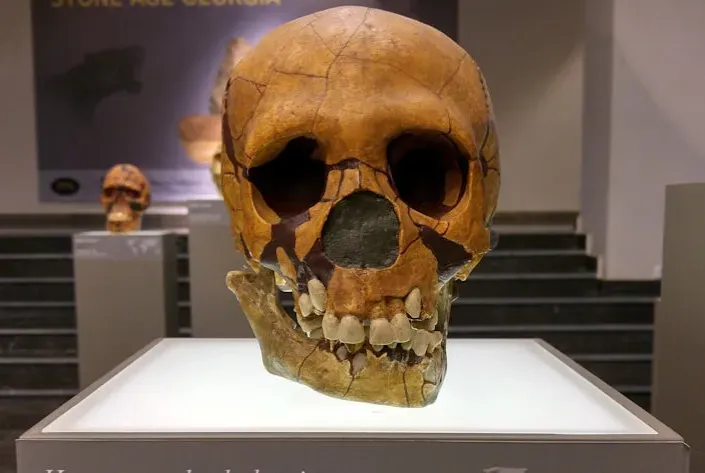
What makes this entire episode so gripping is that someone survived it, and that someone is effectively the root of all of us. The surviving population may have been unusually adaptable, perhaps better at using tools, sharing food, or shifting their behavior when conditions changed. Even simple things, like being a bit more flexible about what to eat or where to settle, could have made the difference between vanishing and hanging on by the fingertips.
Some researchers connect this survival to early forms of what would later become more complex human traits: cooperation, social learning, and maybe the beginnings of more advanced communication. If you imagine a small community forced to work together to track animals, share fire, and protect children in an unforgiving world, you can see how certain social habits could become literally life-or-death. In that sense, the very qualities we like to brag about as humans may have been forged in the tight vise of near-extinction.
Why This Near-Extinction Changes How We See Ourselves
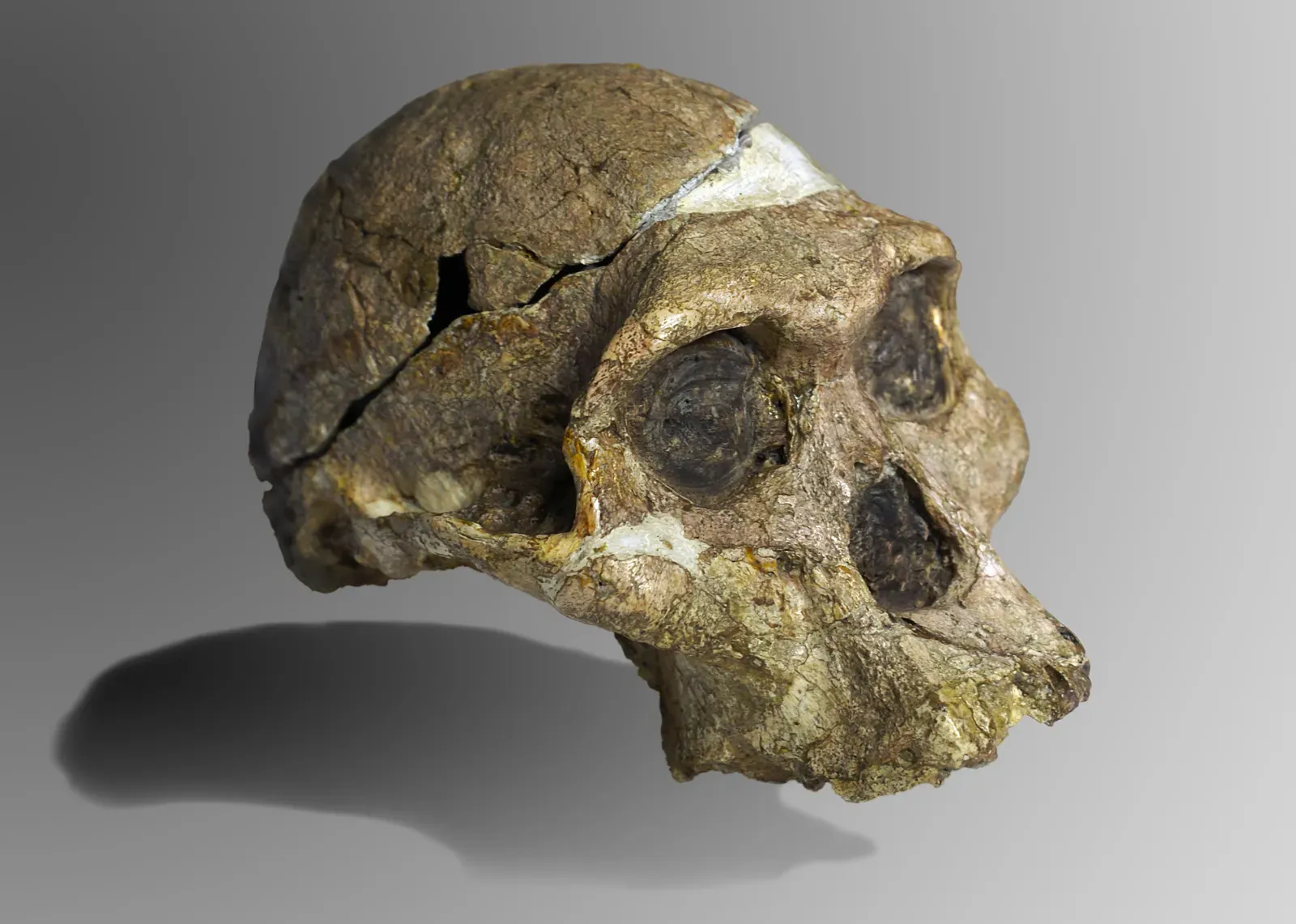
There’s something deeply humbling about learning that our entire species might trace back to a tiny cluster of survivors who refused to disappear. It cuts straight through the idea that human dominance was inevitable or guaranteed. Instead, it paints us as lucky, fragile, and heavily shaped by random turns of climate and chance. We’re not the triumphant rulers of Earth in this story; we’re the descendants of the ones who almost didn’t make it.
At the same time, this bottleneck story makes our shared humanity feel more real and more intimate. All the cultures, languages, and identities today may ultimately flow from a shockingly small ancestral group living through a dark, uncertain age. That realization can hit like a quiet emotional punch: all of our differences are layered on top of an ancient, shared survival story. It suggests that, deep down, we’re far more closely connected than we usually act.
What We Still Don’t Know (And Why That Matters)
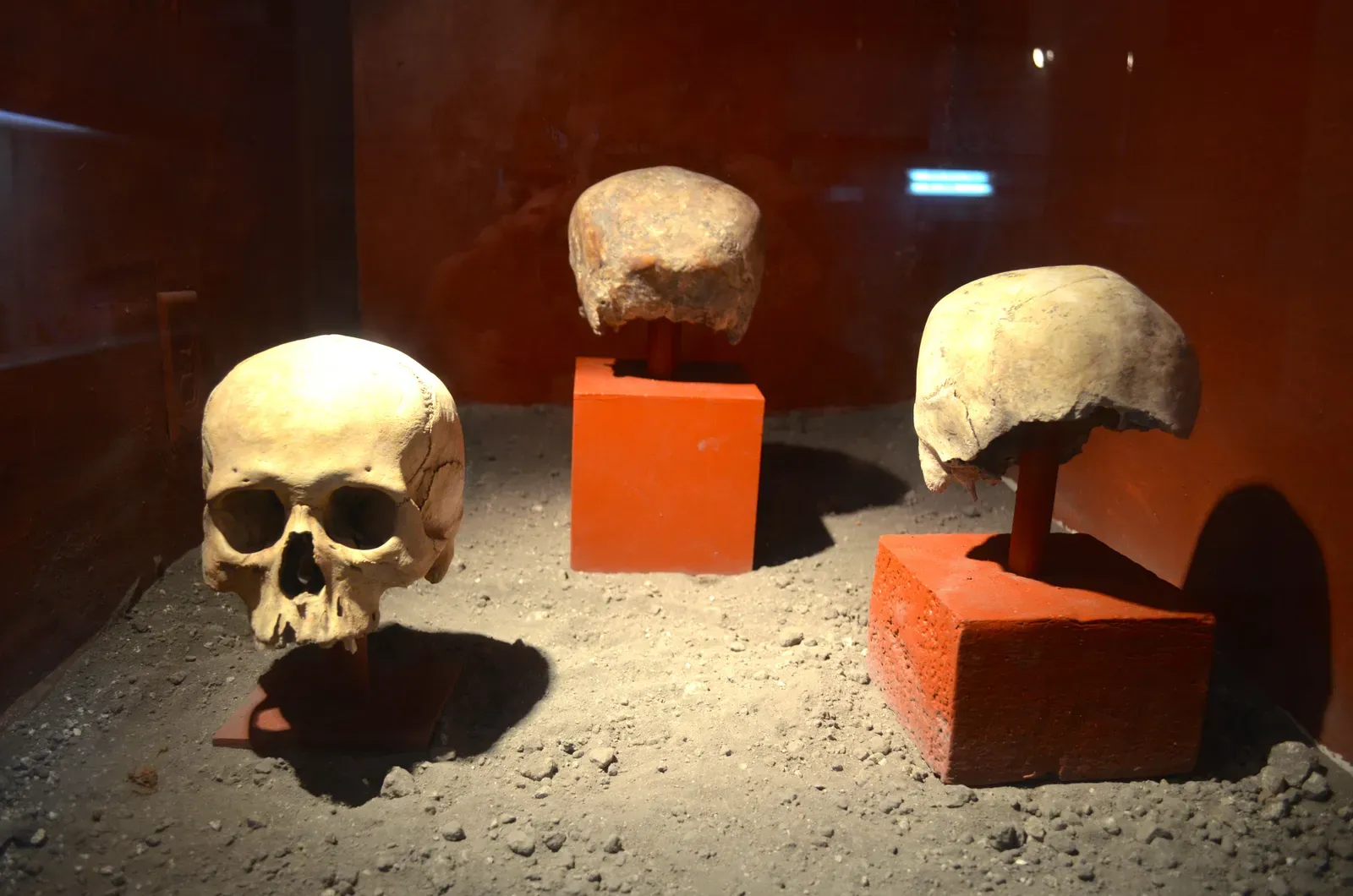
As dramatic as this near-extinction idea is, scientists are still arguing fiercely over the details, and that debate really matters. Fossil records are patchy, DNA models rely on assumptions, and different datasets can point to different timings or severities of the bottleneck. Some researchers think the population crash was extremely severe and long-lasting, while others argue it might have been more moderate or happened in waves across different regions.
These uncertainties aren’t a weakness of science; they’re a reminder that we’re reconstructing a story spread across hundreds of thousands of years using only scattered clues. Future fossil finds, better dating methods, and more complete genetic studies could sharpen or even rewrite parts of this picture. For now, what remains standing is the stark possibility that our ancestors walked a razor’s edge between extinction and survival – and that every one of us is living on the far side of that narrow escape.