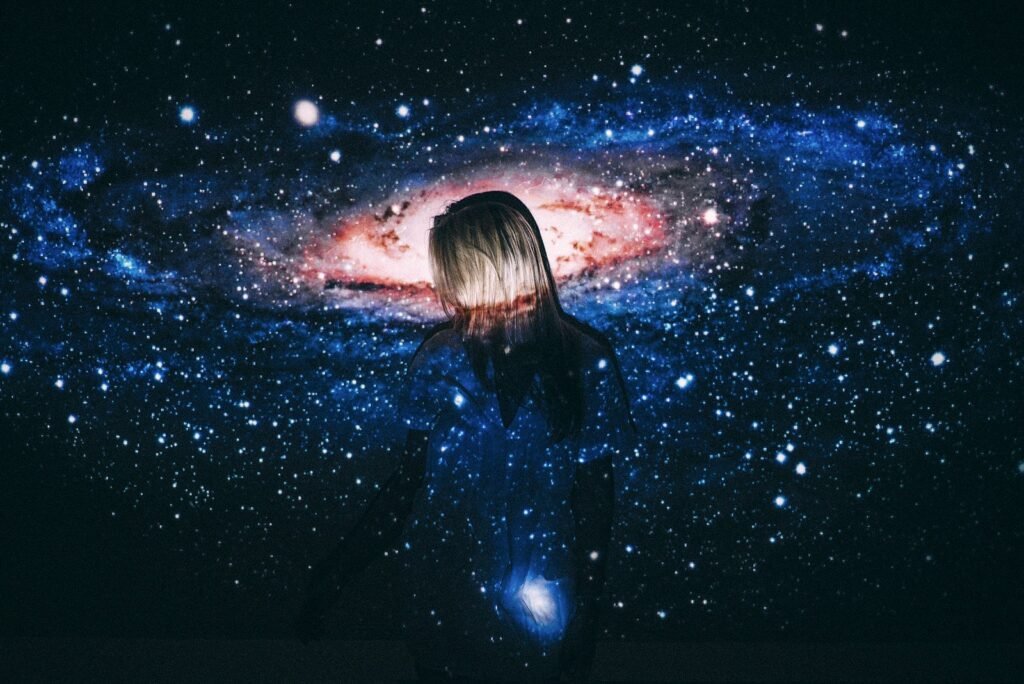

Your thoughts might not just live inside your brain. A growing group of physicists and neuroscientists is exploring a bold idea: that consciousness could emerge from a subtle quantum field woven through the fabric of the universe. This is not the usual “quantum spirituality” buzz you see thrown around online, but a serious attempt to connect hard physics with the baffling mystery of subjective experience. If it holds up, it would radically change how we think about minds, bodies, and even what it means to be alive. And it might connect something as intimate as a memory or a pain with the same deep rules that govern black holes and particle collisions.
From Nerve Signals to Quantum Fields: Why Brains Alone May Not Be Enough
For more than a century, mainstream neuroscience has treated the brain as an electrochemical machine: neurons fire, networks synchronize, and somehow a conscious experience appears. This “somehow” has quietly become one of the biggest embarrassments in science, often described as the hard problem of consciousness. We can map brain regions tied to vision or language, yet no MRI image explains what it feels like to see the color red or remember a childhood smell. The gap between physical processes and subjective experience is so stubborn that some researchers suspect we are missing a fundamental layer of description.
That suspicion is what opens the door to quantum fields. In modern physics, particles are not tiny billiard balls but excitations of underlying fields that fill all of space. Light is an excitation of the electromagnetic field, electrons are ripples in the electron field, and so on. If consciousness is not simply a by-product of classical brain activity, some theorists argue it might be an emergent pattern in a deeper, more subtle field – one that brains are especially good at tuning into and shaping. In that view, the brain is less a generator of consciousness and more an exquisitely complex receiver–transmitter.
The Quantum Brain Debate: Decoherence versus Delicate Order
Whenever quantum mechanics shows up in discussions of consciousness, skeptics raise a powerful objection: the brain is warm, wet, and noisy, the exact opposite of the carefully isolated systems physicists use to observe quantum effects. Under these conditions, quantum states should decohere almost instantly, losing the fragile superpositions and entanglement that make quantum mechanics interesting. This has fueled the standard view that whatever consciousness is, it must be explainable with classical physics alone. Quantum stuff, in this story, dies too quickly inside the skull to matter.
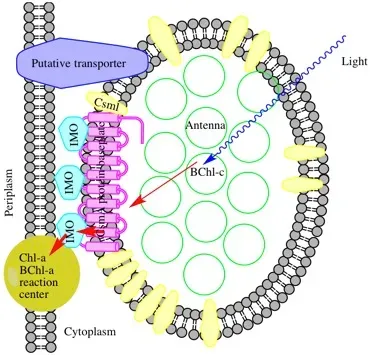
Yet in the last decade, experiments in biology have complicated that neat dismissal. Researchers have found evidence for quantum coherence in photosynthetic complexes in plants and algae, and signs of quantum phenomena in bird navigation and perhaps even in some enzymes. These are not mystical claims; they come from careful spectroscopy, controlled comparisons, and reproducible measurements. If evolution has stumbled upon ways to maintain quantum coherence in messy biological environments, it becomes less far-fetched that the human brain might exploit similar tricks. The question shifts from “can quantum effects exist in biology?” to “what kind of quantum structures might a brain support?”
Microtubules, Spacetime, and the Push for a Quantum-Consciousness Link
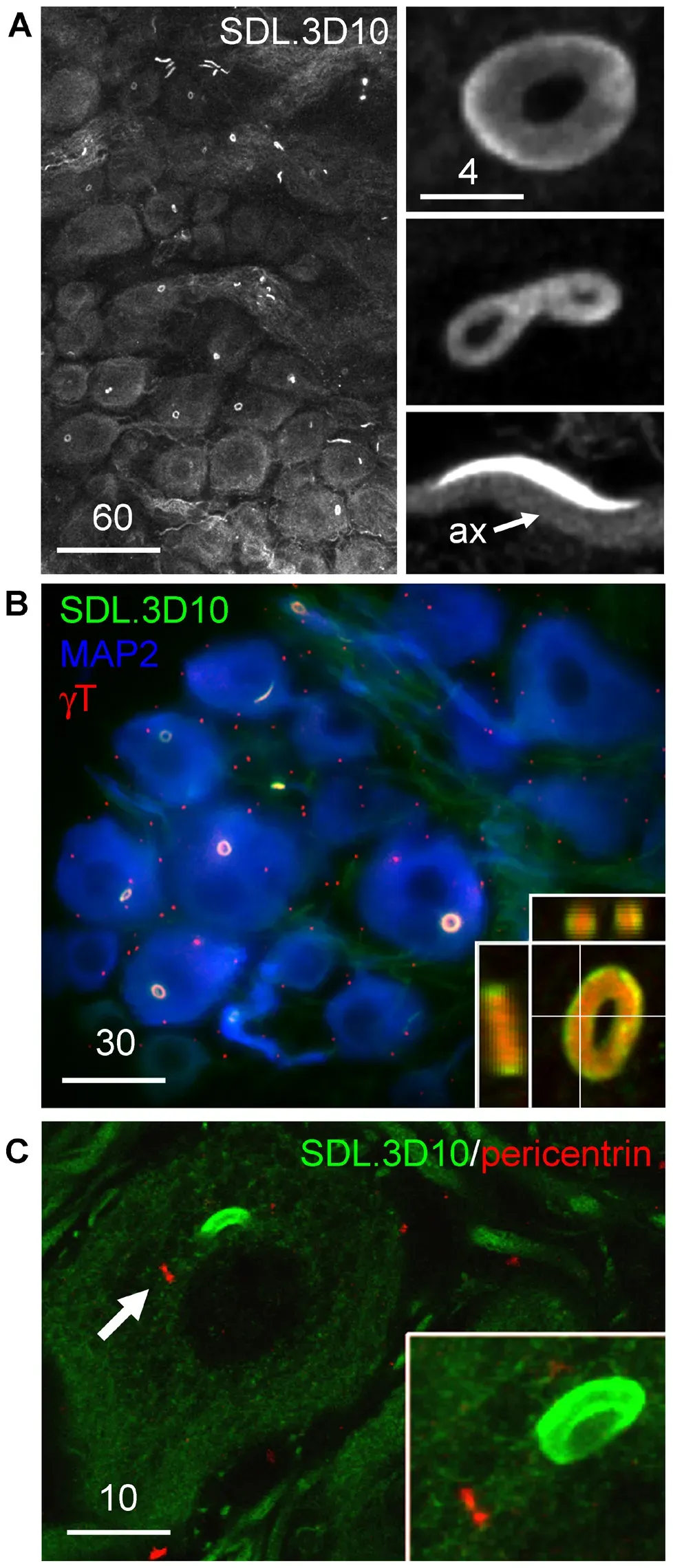
One of the most talked-about quantum consciousness proposals focuses on microtubules, tiny protein scaffolds inside neurons that help maintain cell shape and manage internal transport. Some physicists and anesthesiologists have argued that microtubules could host orchestrated quantum processes that collapse in ways correlated with patterns of experience. They link this idea to models in quantum gravity, where spacetime geometry itself may undergo tiny, objective collapses that could be tied to moments of awareness. On this view, consciousness would not float free of physics; it would be anchored in the same rules that shape the structure of spacetime.
Even critics who doubt this specific microtubule model acknowledge that it has forced sharper questions and testable predictions. For instance, if anesthetic drugs work partly by disrupting quantum-level order rather than only classical signaling, we should see precise changes in how those drugs interact with microtubules or related structures. Research groups have been probing these possibilities with increasingly sensitive tools, from ultrafast lasers to cryo-electron microscopy. The results so far are mixed and controversial, but they have pulled quantum theories of consciousness out of purely philosophical territory and into the lab, where they can be challenged or refined.
A Universe Full of Fields: Where a “Consciousness Field” Might Fit In
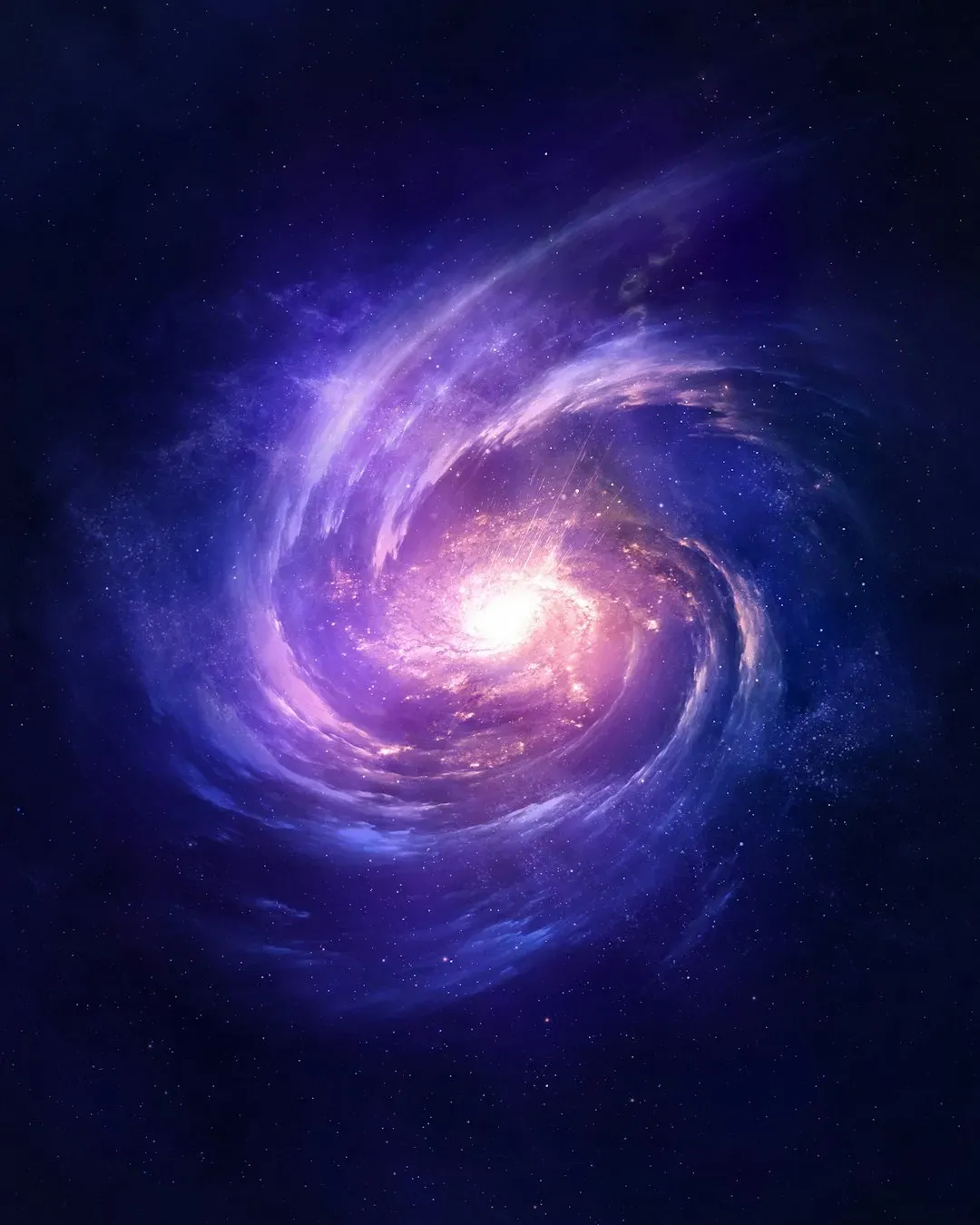
In modern physics, every known particle corresponds to a field that permeates the universe, from the Higgs field that gives particles mass to the electromagnetic field that underpins light and chemistry. The new suggestion is not that there is a magical “mind field” somehow exempt from physics, but that consciousness might be a particular kind of organized pattern in one or more of the existing fields – or in a not-yet-characterized field that interacts with matter in very subtle ways. Brains, in this picture, are like highly specialized antennas that couple to that field and shape its dynamics. When neural networks reach certain thresholds of complexity and coherence, they create stable excitations in this field that feel, from the inside, like experience.
That may sound abstract, but it has concrete implications. If consciousness is tied to field configurations, then what matters is not just how many neurons you have, but how their activity maps onto deeper physical structures. It could help explain why specific patterns of brain damage erase certain aspects of subjectivity while leaving others intact, and why anesthesia seems to switch off the entire field of awareness so abruptly. It might also offer a new way to understand unusual states, from deep meditation to psychedelic experiences, as shifts in how brain activity couples into that background field. The theory is bold, but it tries to speak the same language for quarks, black holes, and thoughts.
What Plant Communication and Forest “Internets” Teach Us About Invisible Networks
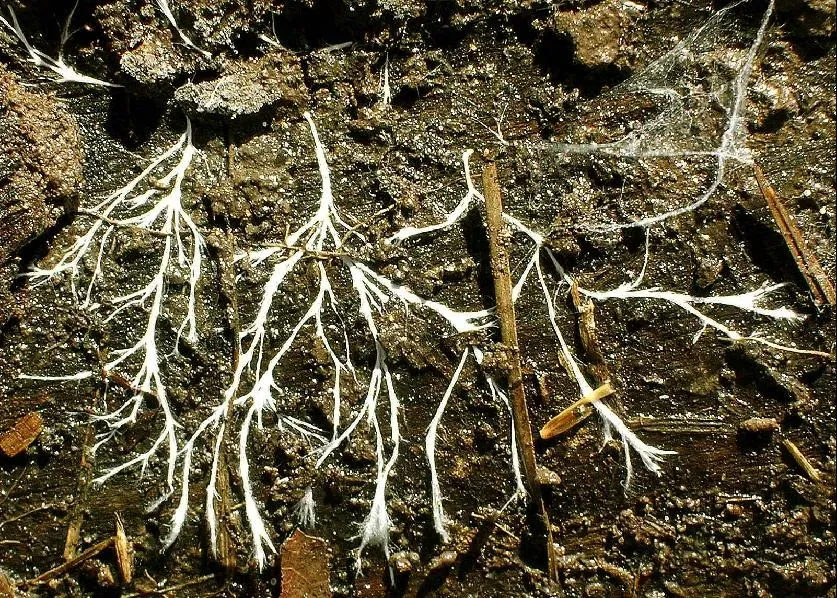
At first glance, forests and quantum fields seem worlds apart. Yet the discovery that trees and plants communicate through complex underground fungal networks offers a powerful analogy for how hidden structures can shape visible life. Through shared mycorrhizal fungi – sometimes called the wood-wide web – trees exchange nutrients, warn neighbors of insect attacks, and adjust growth in ways that only make sense when you see the whole network. Individual plants look separate above ground, but below the surface they are bound together into an ecosystem-scale information system. That realization overturned the old picture of plants as silent, isolated beings.
Something similar might be happening with minds and quantum fields. In the same way that a tree cannot “see” the fungal network yet depends on it, our conscious experience may depend on a deeper informational fabric that neurons alone cannot fully describe. Ecosystems taught scientists to look beyond the obvious unit – the single organism – and pay attention to relationships, flows, and shared resources. Quantum consciousness theories are making a comparable move, asking whether subjective awareness is best understood not as a property of isolated brains but as a dynamic pattern in a wider field. The lesson from ecology is that ignoring hidden networks often leaves the most important part of the story out.
The Analytical Core: How This Theory Rewrites the Map of Mind and Matter
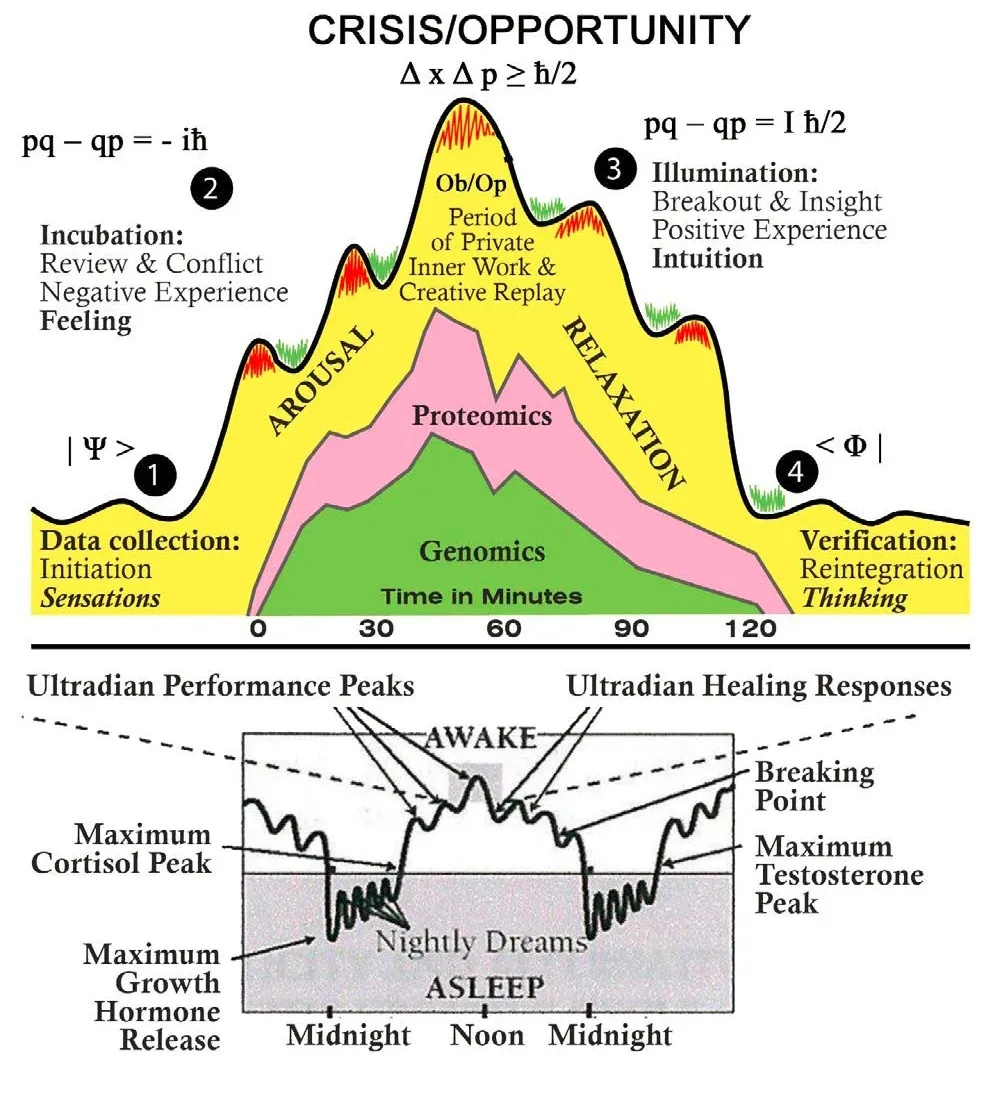
Traditional neuroscience is extremely good at correlating brain states with experiences – this region lights up when you see faces, that network quiets when you fall asleep – but those correlations leave a conceptual gap. They explain how information is processed, not why processing should feel like anything from the inside. Early theories tried to bridge this by treating consciousness as an emergent property of complex computation: get enough neurons computing in the right way, and subjectivity appears. But that move always risks being circular, because it never touches the fundamental building blocks of physical reality as described by field theory and quantum mechanics.
The new quantum field–oriented view tries to connect the dots at a different level. Instead of asking only how neurons talk to each other, it asks how their collective behavior shapes and stabilizes patterns in the fields that underlie all matter. Earlier understandings treated consciousness as a late-stage add-on in evolution, an almost accidental side effect once brains got big enough. In contrast, the field-based approach suggests that the potential for conscious organization may be baked into the universe wherever the right physical conditions appear. Culturally, that is a dramatic shift: it turns consciousness from a parochial brain trick into a feature of how matter and information can self-organize, the way ecosystems turned out to be fundamental expressions of life rather than decorative extras.
Unresolved Mysteries and How We Might Actually Test a Consciousness Field
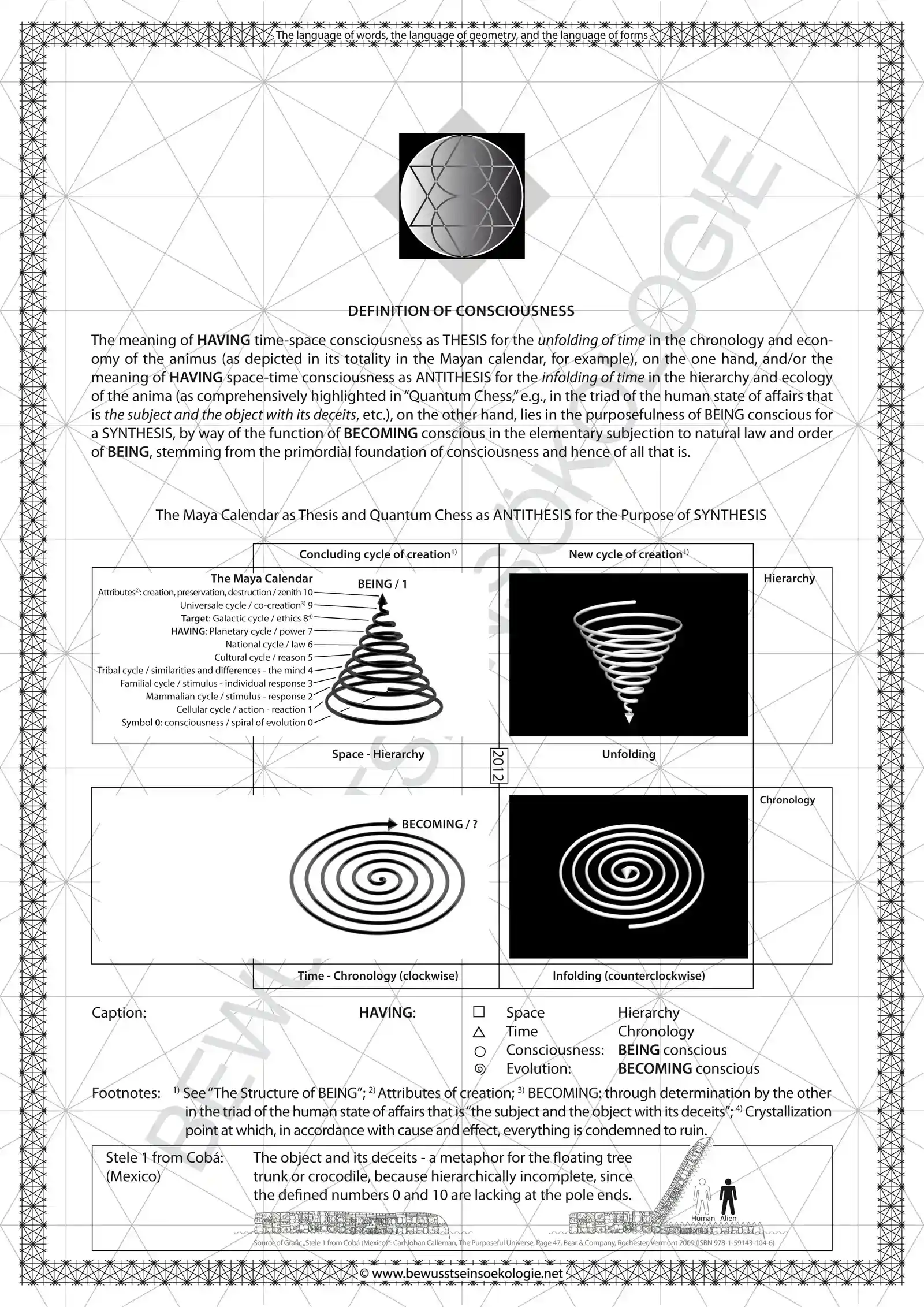
The obvious challenge to any theory linking consciousness to a mysterious quantum field is: how do you prove it? To be more than poetic physics, it has to make predictions that distinguish it from purely classical brain models. Researchers are beginning to outline such tests, from looking for specific quantum signatures in brain activity during anesthesia and dreamless sleep, to checking whether engineered quantum systems can show rudimentary forms of integrated information that resemble awareness. Some proposals involve ultra-sensitive magnetometers and entanglement detectors placed near living brains to search for correlations beyond classical noise. Others focus on building artificial networks that couple strongly to quantum fields and watching how their behavior changes as conditions shift.
There are also deep theoretical puzzles still unsolved. If a consciousness-related field exists or if existing fields can support conscious patterns, why do we not see obvious traces of it in cosmology or particle physics data? How would this field interact with known forces without violating well-tested principles like energy conservation and locality at macroscopic scales? Advocates believe there are narrow spaces in current theories where such dynamics could hide, much as dark matter and dark energy remained invisible to direct detection for decades. Critics counter that without tighter constraints and clear mechanisms, the idea risks becoming unfalsifiable. The next few years of experiments and models will determine whether this theory hardens into a real scientific program or fades as an intriguing detour.
Why This Matters for How We Treat Minds, Ecosystems, and Each Other
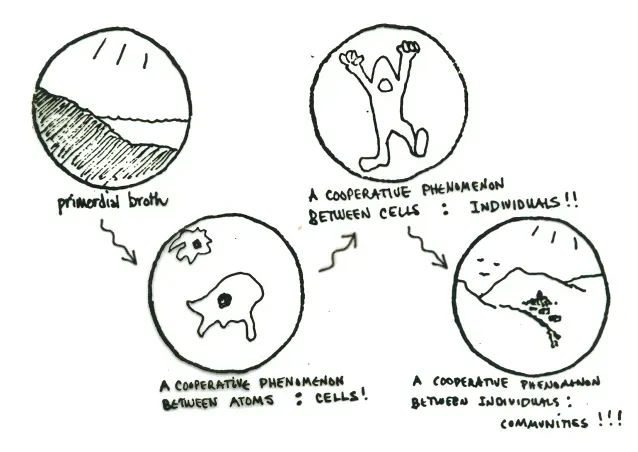
If consciousness is tied to deep physical structures rather than just surface-level anatomy, our ethical map may shift in subtle but important ways. We already know that ecosystems behave in ways no single organism controls, yet each participant shapes and is shaped by the whole. Thinking of consciousness as an emergent field pattern encourages a similar humility about individual minds: they may be less like isolated bubbles and more like dynamic knots in a larger web. That perspective makes it harder to dismiss other forms of awareness, from nonhuman animals to potentially artificial systems, as simple mechanisms without any inner life.
For readers outside the lab, the most practical response is not to become an armchair quantum mystic, but to cultivate better scientific literacy and curiosity. Pay attention to how new experiments are framed, ask what is actually being measured, and notice when grand claims outrun the data. Support institutions that do careful, peer-reviewed work at the intersection of physics, neuroscience, and ecology, even when their findings are slow and unspectacular. And when you walk through a forest or sit quietly with your own thoughts, consider that both experiences might be ripples in hidden networks we are only just beginning to glimpse. The mystery does not shrink under scientific scrutiny; it deepens, and that is precisely why it is worth the effort to understand.
Suhail Ahmed is a passionate digital professional and nature enthusiast with over 8 years of experience in content strategy, SEO, web development, and digital operations. Alongside his freelance journey, Suhail actively contributes to nature and wildlife platforms like Discover Wildlife, where he channels his curiosity for the planet into engaging, educational storytelling.
With a strong background in managing digital ecosystems — from ecommerce stores and WordPress websites to social media and automation — Suhail merges technical precision with creative insight. His content reflects a rare balance: SEO-friendly yet deeply human, data-informed yet emotionally resonant.
Driven by a love for discovery and storytelling, Suhail believes in using digital platforms to amplify causes that matter — especially those protecting Earth’s biodiversity and inspiring sustainable living. Whether he’s managing online projects or crafting wildlife content, his goal remains the same: to inform, inspire, and leave a positive digital footprint.