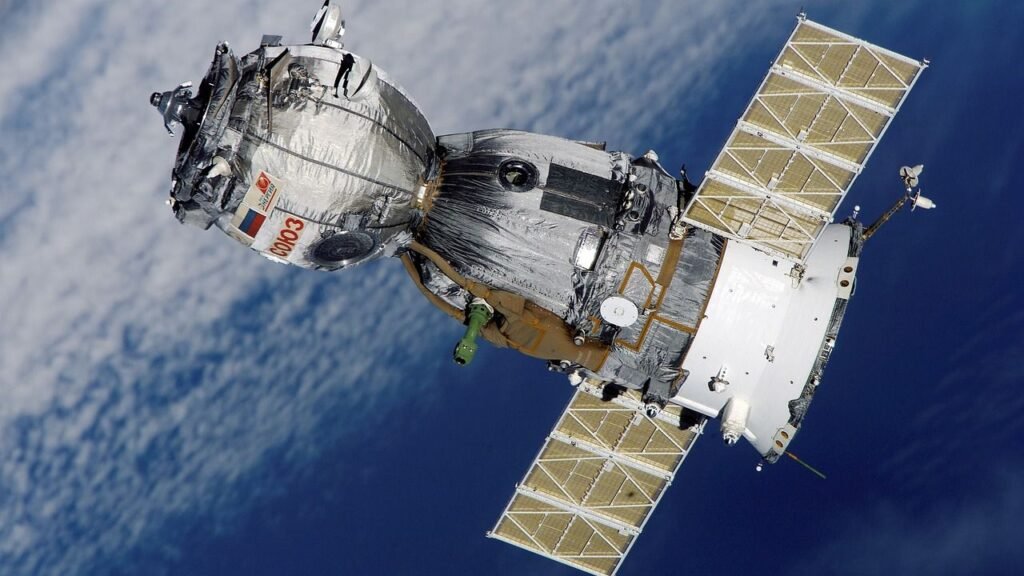

There are thousands of satellites circling above our heads right now, quietly doing their jobs. But here’s something most people never think about: what happens when they stop working and fall back to Earth?
The answer is stranger, more dramatic, and honestly more concerning than you’d expect. Scientists are only beginning to understand the full picture, and some of what they’re finding is genuinely alarming. Let’s dive in.
Space Is Becoming a Graveyard – and It’s Growing Fast
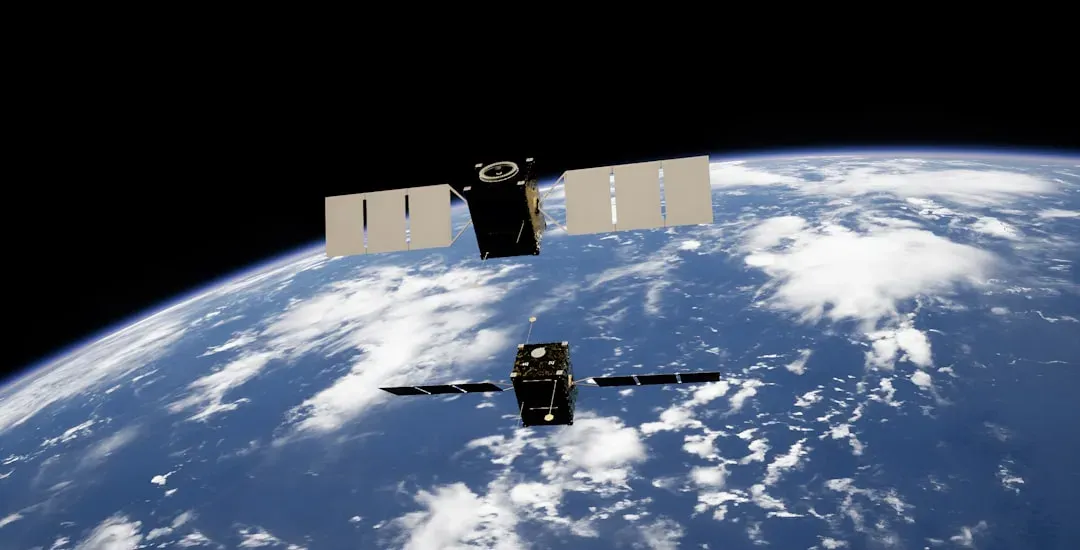
Let’s be real. The number of satellites being launched into orbit has exploded in recent years, thanks largely to commercial operators like SpaceX’s Starlink and Amazon’s Project Kuiper. We’re talking about thousands of new satellites added to low Earth orbit in just a few short years, a pace that would have seemed completely science fiction just a decade ago.
When these satellites reach the end of their operational lives, they don’t just float there forever. They gradually lose altitude and eventually plunge back into Earth’s atmosphere, where they burn up. Or at least, that’s the simplified version people are used to hearing.
The reality is far more complicated. Researchers are now treating the upper atmosphere as something resembling a slow-motion crematorium, one that processes dozens of spacecraft every single year, and the scale is only increasing.
The Atmosphere as a Crematorium: A Striking New Comparison
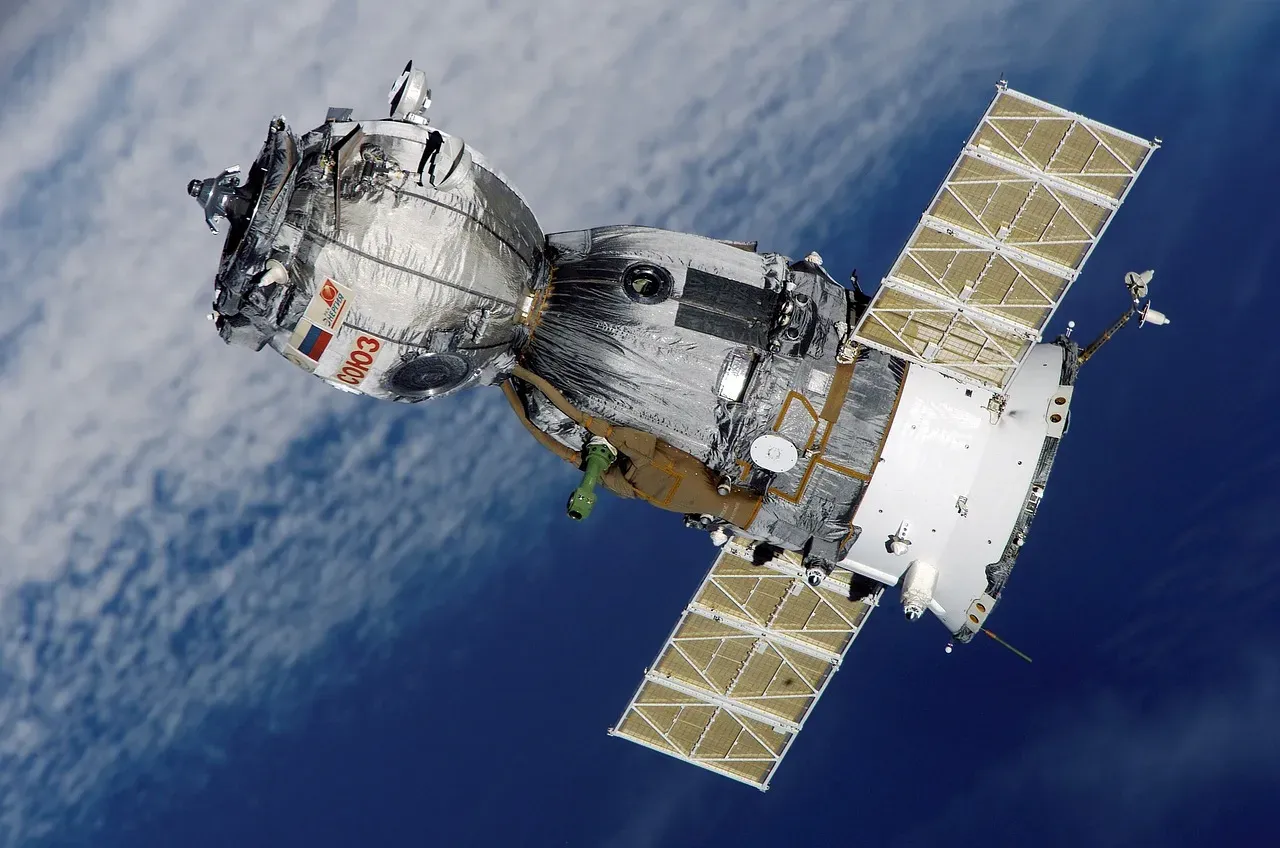
Scientists studying atmospheric chemistry have started using the term “satellite crematorium” to describe what happens in the mesosphere and upper stratosphere during satellite reentry. It’s a vivid metaphor, and honestly, I think it’s the right one. These objects don’t vanish cleanly. They combust, vaporize, and scatter.
When a satellite burns up, it doesn’t simply disappear into nothing. It breaks apart and releases a cocktail of metallic vapors and particles, some of which linger in the upper atmosphere for months or even years before eventually settling lower.
The specific metals involved depend on what the satellite is made of, and most modern satellites rely heavily on aluminum. That matters more than it might seem, and we’ll get to exactly why shortly.
Aluminum Oxide: The Hidden Byproduct Nobody Warned Us About
Here’s the thing about aluminum satellites burning up in the atmosphere. The combustion process produces aluminum oxide, also called alumina, as a primary byproduct. These are tiny particles, almost impossibly small, and they accumulate in the stratosphere in ways researchers are only now beginning to measure accurately.
Aluminum oxide particles are reflective. They scatter incoming solar radiation, which has potential implications for Earth’s energy balance and, consequently, climate. It’s hard to say for sure how significant the effect is at current levels, but the trajectory of satellite launches suggests the quantities will grow substantially over the coming decades.
Some estimates from atmospheric scientists suggest that by the mid-2030s, the mass of aluminum deposited in the upper atmosphere annually from satellite reentries could be many times greater than what we see today. That’s not a fringe concern. That’s a projection being taken seriously by researchers actively studying the stratosphere.
What Scientists Are Actually Measuring Up There
Research teams have been flying specially instrumented aircraft into the stratosphere to collect samples and analyze the chemical fingerprints left behind by satellite reentries. What they found was striking. A significant fraction of the aerosol particles sampled at high altitudes contained metals that could only have originated from human-made spacecraft.
Roughly about half of the stratospheric aerosol particles analyzed in some studies showed signs of contamination from reentries, meaning metallic traces consistent with spacecraft materials. That’s an astonishing figure when you consider how vast the stratosphere is, and how invisible this process has been to the general public.
The measurement campaigns are ongoing, and the science is still developing. Still, the early data paints a clear enough picture: satellite reentry is leaving a measurable chemical signature in the very layer of the atmosphere that protects life on Earth from ultraviolet radiation.
The Ozone Layer Connection That Deserves More Attention
This is where things get particularly serious, and I think it deserves far more public attention than it currently gets. Metallic particles from satellite reentries could potentially interact with the chemistry of the ozone layer. The stratosphere is where ozone does its critical work, and it’s a delicate chemical environment.
Aluminum oxide and other metallic species introduced from reentries can act as surfaces for chemical reactions that wouldn’t otherwise occur efficiently. Some of these reactions could interfere with ozone chemistry, potentially accelerating ozone loss in ways that are still being studied.
It’s worth remembering that humanity spent decades dealing with the consequences of releasing chlorofluorocarbons into the atmosphere, a problem that took enormous international cooperation to begin addressing. Scientists are raising the question of whether we’re sleepwalking into a new version of that same story, just with a different set of chemicals and a different source.
The Regulatory Void Surrounding Satellite Reentry
One of the more frustrating aspects of this entire situation is how little regulatory attention it has received. The space industry is currently operating under frameworks that were largely designed for an era when satellite launches were rare, expensive, and dominated by government agencies. Those days are long gone.
Today’s mega-constellations involve hundreds or even thousands of satellites per operator, with design lifespans of just a few years before replacement. The reentry rate implied by that model is staggering, and current international space law has essentially nothing specific to say about the atmospheric chemistry consequences of mass satellite reentries.
There are growing calls among scientists for dedicated atmospheric impact assessments to be required before large constellation deployments are approved. Whether regulators will move fast enough to make that meaningful is, to put it gently, an open question.
What Comes Next: Research, Responsibility, and Real Decisions
The scientific community is not standing still on this. Research programs focused on stratospheric aerosols and reentry chemistry are expanding, and there are collaborative international efforts underway to better characterize the scale of the problem. The data being gathered now will shape the conversation for years to come.
Some engineers in the satellite industry are beginning to explore design changes that could reduce the atmospheric impact of reentries, including materials that produce less harmful byproducts when they combust. That’s a hopeful sign. Though whether financial and competitive pressures allow those changes to be widely adopted is a separate question entirely.
What seems clear is that the casual assumption that satellites simply “burn up harmlessly” is outdated. The atmosphere is not an infinite sink for whatever humanity throws at it, whether from the ground up or from orbit down. The sky, it turns out, has its limits too.
Conclusion: The Sky Is Not a Landfill
We’ve spent generations learning, often the hard way, that ecosystems don’t absorb human activity without consequence. The stratosphere appears to be teaching us that lesson again, this time from above.
The satellite industry is extraordinary in what it enables, from global communications to climate monitoring to navigation. Honestly, I don’t think anyone wants to roll that back. The question is whether we’re willing to look honestly at the costs before they become irreversible, rather than after.
The fact that satellite reentry chemistry is only now becoming a serious field of study, decades into the space age and right in the middle of a commercial launch boom, says something uncomfortable about our collective priorities. What we choose to do with that information now says even more. So what do you think: should satellite operators be held responsible for what their spacecraft leave behind in the atmosphere? Drop your thoughts in the comments.