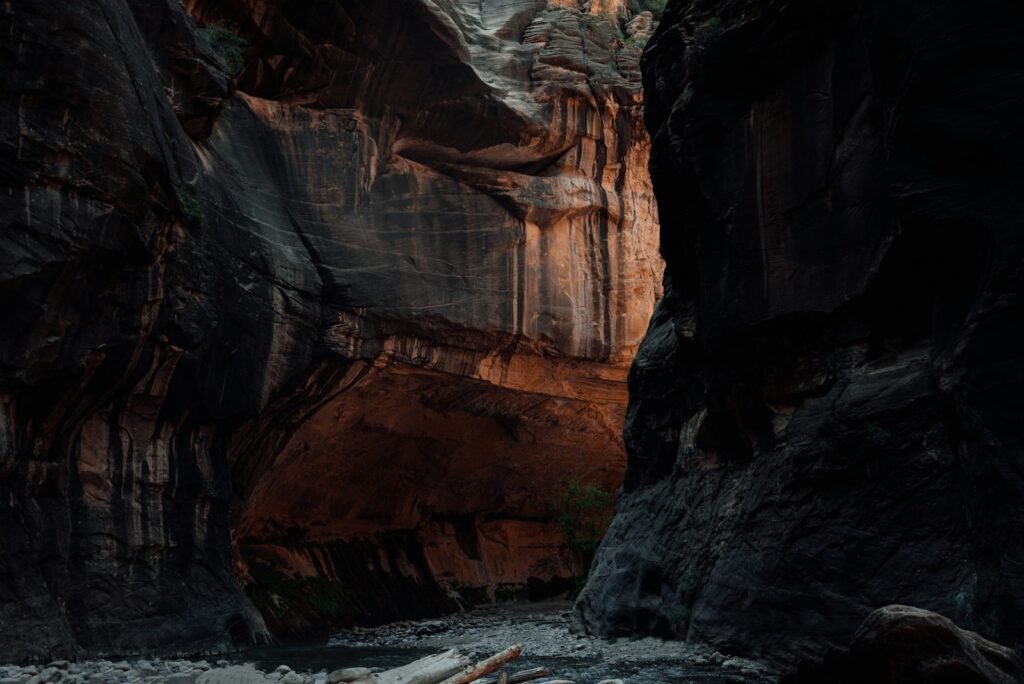
At the edges of Las Vegas subdivisions and along Reno’s rail spurs, a small, sand-colored survivor is rewriting the rules of desert life. As heat waves push the limits of endurance, desert foxes are slipping into human-dominated spaces and turning city noise into a cover for living. What looks like trespass is, in truth, strategy: shade from parking-lot walls, water from irrigation leaks, calories from overlooked scraps. Scientists tracking these quicksilver animals describe a pattern that’s equal parts ingenuity and pressure, a dance between opportunity and risk. The question isn’t whether foxes can handle the urban desert – it’s how far they’ll take these new and what that means for the rest of us.
The Hidden Clues

The first sign is often a line of neat pawprints pressed into dust between a cinderblock fence and a burst of oleander. Scat tucked beside a utility box carries the scent of wild prey but also the telltale glitter of birdseed shells and fruit peels. Camera traps catch a fox skimming the edge of a cul-de-sac, hugging shadow like a second skin as headlights sweep past.
Biologists read these traces the way detectives read a scene, noting where an animal chooses to linger, where it accelerates, and where it doubles back. Routes arc toward water meters and drip lines after sundown, then kink toward empty lots that serve as denning islands by day. When I joined a dawn survey on the outskirts of Henderson, the map on a tablet filled with thin blue tracks that looped precisely around the brightest, hottest surfaces – proof that even in concrete country, behavior is a kind of mapmaking.
Heat as the Ultimate Test

Desert foxes have always been heat physicists, built with outsized ears that shed warmth and light frames that waste little water. Cities complicate the equation with heat islands, where asphalt radiates like a griddle long after sunset. To beat the burn, foxes shift their schedules deeper into the night and string their paths through shade corridors – walls, shrubs, and the narrow shadows cast by parked cars.
They drink opportunistically from air-conditioner condensate, irrigation overspray, and the shallow sips that gather at curb gutters. Dens pop up under sheds, beneath pallets, and inside old storm drains that stay cooler than open ground. In scorching weeks when the mercury refuses to drop, researchers see shorter foraging trips but more frequent ones, a rhythm that trades distance for safety.
Night Shift Strategies
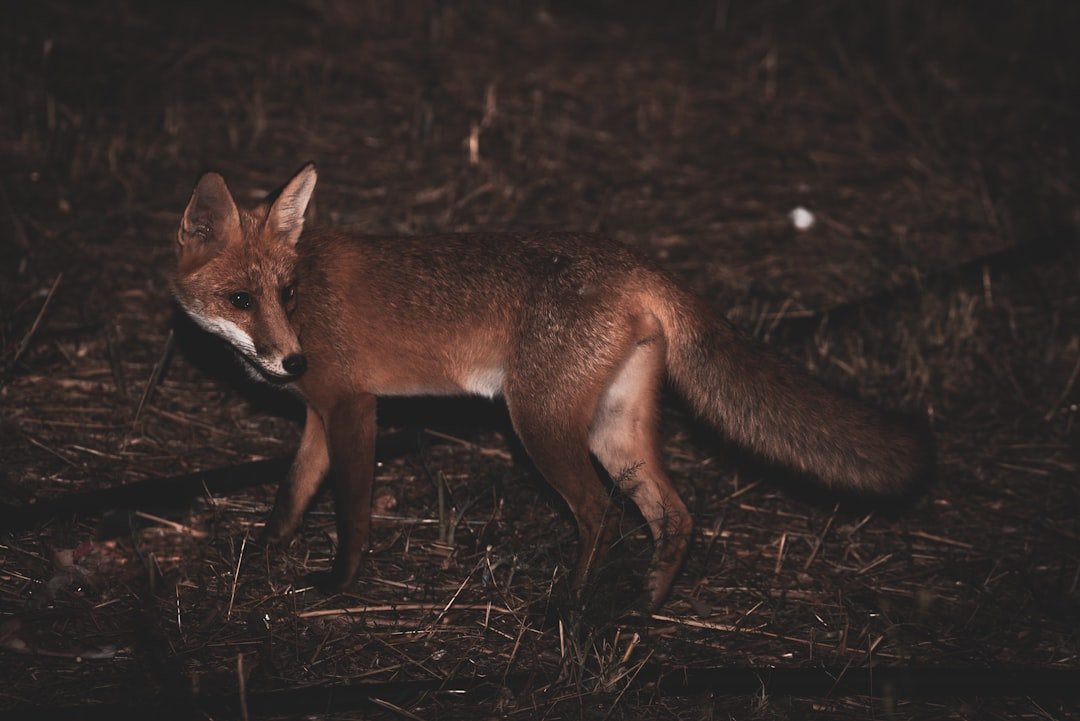
As daylight grows more punishing, foxes lean into nocturnality and precision timing. Traffic patterns become cues, with crossings clustered in the lull between late-night rideshares and early-shift commutes. Median strips and culverts double as safe tunnels, letting a small body slip under threats that stop larger animals cold.
Home ranges tend to shrink near reliable food and water, a practical choice that limits exposure to heat and cars. Caches appear in odd places – behind HVAC units, beneath stacked pavers – insurance against lean spells when crickets go quiet. On trash night, some foxes work the route like mail carriers, skirting bins without lingering, evidence of a learned balance between reward and risk.
The Human-Fox Interface

Urban edge living brings the benefits and the baggage of proximity. Trash that isn’t sealed invites unhealthy diets; rodenticides meant for pests ripple up the food chain and sicken predators that provide natural rodent control. Pets, too, become part of the equation, with backyard encounters rare but avoidable when people manage food bowls and supervise small animals at dusk.
Health surveillance matters in this tight overlap. Wildlife teams watch for mange and distemper, not because foxes commonly spread them to people, but because outbreaks can crash local populations already strained by heat. Simple measures – closed compost, secure chicken coops, poison-free rodent management – turn neighborhoods from hazards into shared habitat where a fox can do what it does best: keep small prey in check.
Why It Matters

These foxes are not merely surviving; they are testing ideas that challenge old assumptions about deserts and cities. Traditional models painted urban zones as ecological voids, but the Mojave’s margins act more like patchwork landscapes where adaptation can be observed in real time. Watching how a small carnivore rearranges movement, diet, and denning under stress gives scientists a living experiment in flexibility.
The stakes reach beyond curiosity. Foxes trim rodent numbers around warehouses and fields, support disease control indirectly, and serve as sentinels for chemical exposures and heat-related stress. In a warming West, lessons from a nimble mesopredator help planners design neighborhoods that function for people and wildlife – cooler pavements, connected shade, and safe crossings that make streets less deadly for everything on four legs.
The Future Landscape

New tools are pushing this story forward. Thermal drones map nighttime heat traps and spot foxes without blinding flash, while machine-learning models sift millions of camera-trap images to flag patterns no human could catch alone. Where roads carve up habitat, purpose-built wildlife crossings coupled with fencing are proving their worth, especially when placed along known fox corridors.
Urban design will be the deciding arena. Drought-tolerant plantings create insect-rich edges, shaded sidewalks cool the ground, and water-saving tech can reduce leaks without drying out safe sipping spots. Policy choices matter, too: restrictions on second-generation rodenticides, funding for crossings, and incentives for shade infrastructure turn abstract ecology into concrete outcomes.
From Ancient Tools to Modern Science

Fox survival still leans on ancient tools – keen hearing for beetles beneath the soil, precise pounces for kangaroo rats – but the study of those tools has gone modern. Lightweight GPS collars record routes minute by minute without slowing a runner that weighs less than a house cat. Accelerometers tucked into those collars translate movement into behavior, revealing when a fox is trotting, digging, or sprinting across a road.
Back in the lab, stable isotopes in whiskers tell a dietary story, flagging carbon signatures that separate wild-caught prey from human-derived food. DNA from scat exposes surprising guests on the menu, from backyard rodents to dropped berries along greenbelts. Layer these methods together and a picture emerges: urban-edge foxes still hunt, but they stitch wild and human resources into a single, flexible strategy.
Conclusion
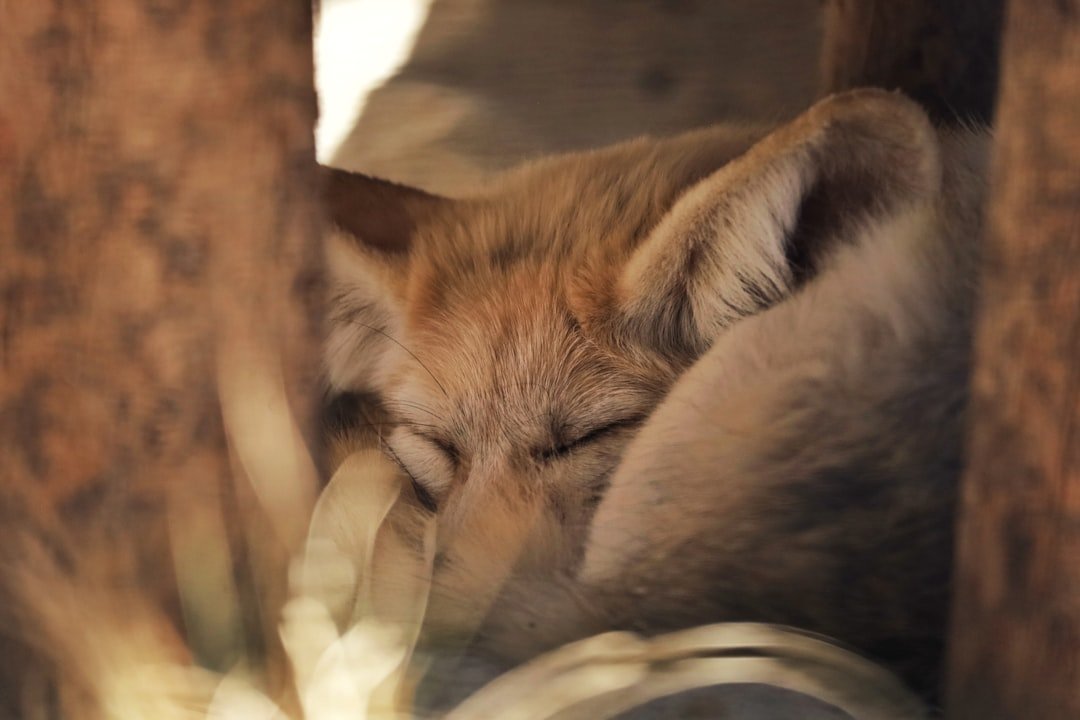
Coexistence begins on the block where you live. Secure trash and compost, feed pets indoors, and choose snap traps over poisons to protect the predators that help you. Landscape with native, drought-wise plants that invite insects and shade the ground so small animals – and their hunters – can move without baking.
Support wildlife crossings and shade-forward street design in local planning meetings, and share fox observations with community science platforms to help researchers map hotspots. If you stumble on a den, give it space for a few short weeks – the kits will be gone before you know it, and the adults will remember the neighborhood as safe. Ready to watch your city the way a fox does – by looking for the cool, the quiet, and the clever?
Suhail Ahmed is a passionate digital professional and nature enthusiast with over 8 years of experience in content strategy, SEO, web development, and digital operations. Alongside his freelance journey, Suhail actively contributes to nature and wildlife platforms like Discover Wildlife, where he channels his curiosity for the planet into engaging, educational storytelling.
With a strong background in managing digital ecosystems — from ecommerce stores and WordPress websites to social media and automation — Suhail merges technical precision with creative insight. His content reflects a rare balance: SEO-friendly yet deeply human, data-informed yet emotionally resonant.
Driven by a love for discovery and storytelling, Suhail believes in using digital platforms to amplify causes that matter — especially those protecting Earth’s biodiversity and inspiring sustainable living. Whether he’s managing online projects or crafting wildlife content, his goal remains the same: to inform, inspire, and leave a positive digital footprint.