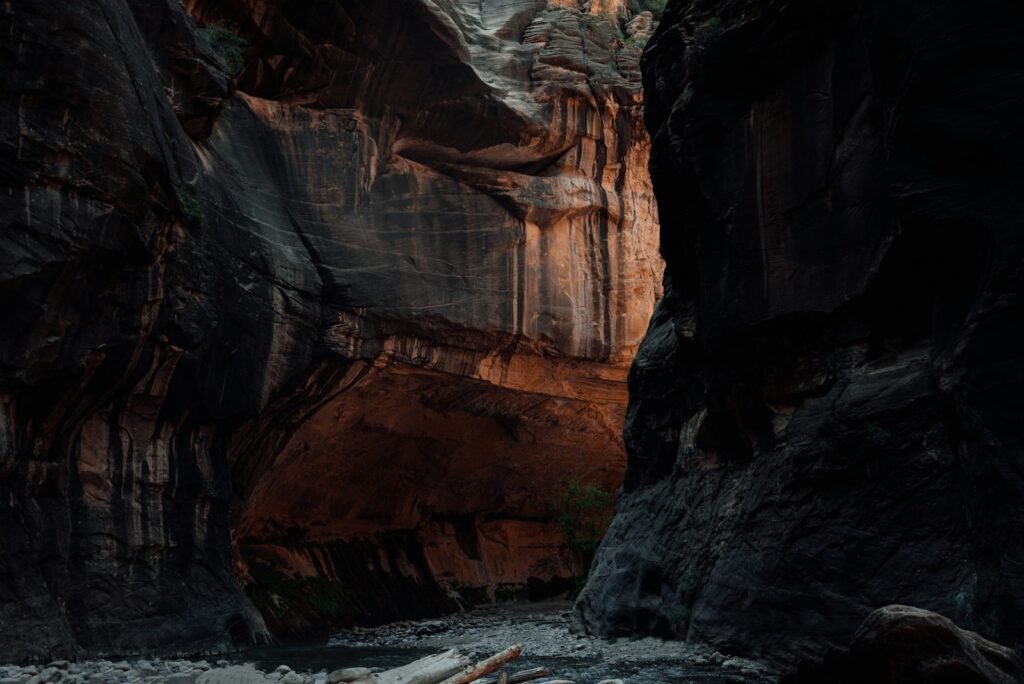

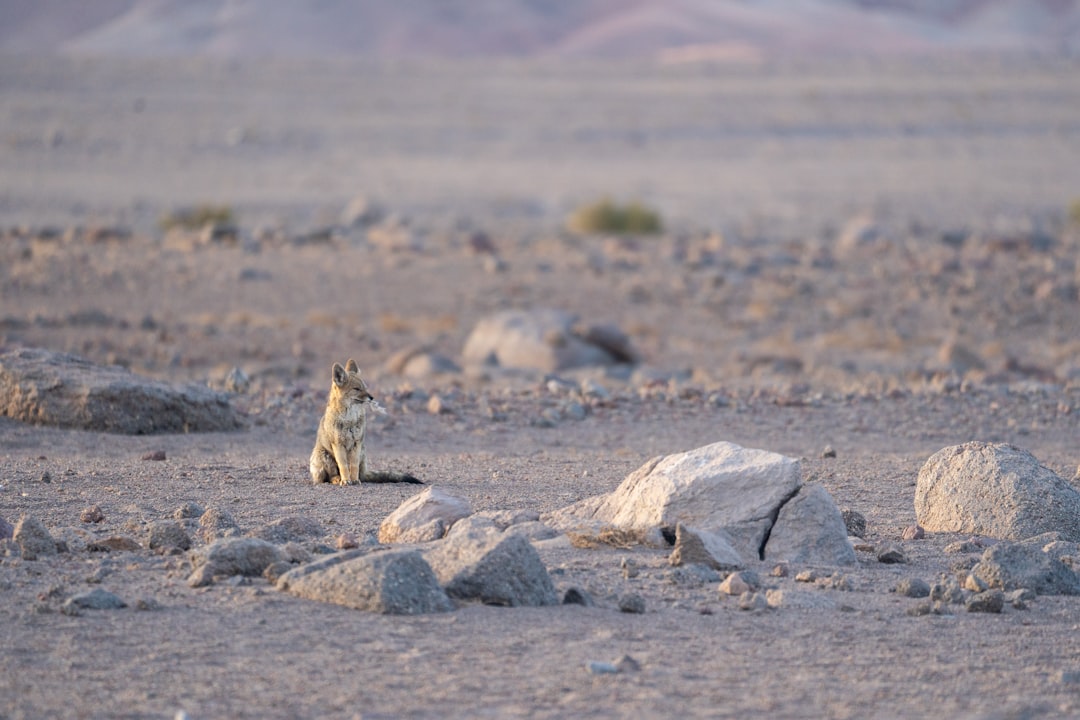
After years of drought and quiet nights in the basins, the desert feels lively again. Conservation crews, tribal biologists, and ranchers are reporting more kit fox tracks on dusty two-tracks and more quick, amber flashes in the beam of survey headlamps. It’s not a fairy-tale rebound, but it’s real enough to stir cautious hope in a state where resilience is the only constant. The story behind these sightings mixes climate whiplash, smarter science, and a growing effort to stitch safe pathways through an increasingly busy desert. If you look closely, you can see a once-muted ecosystem clearing its throat.
The Hidden Clues
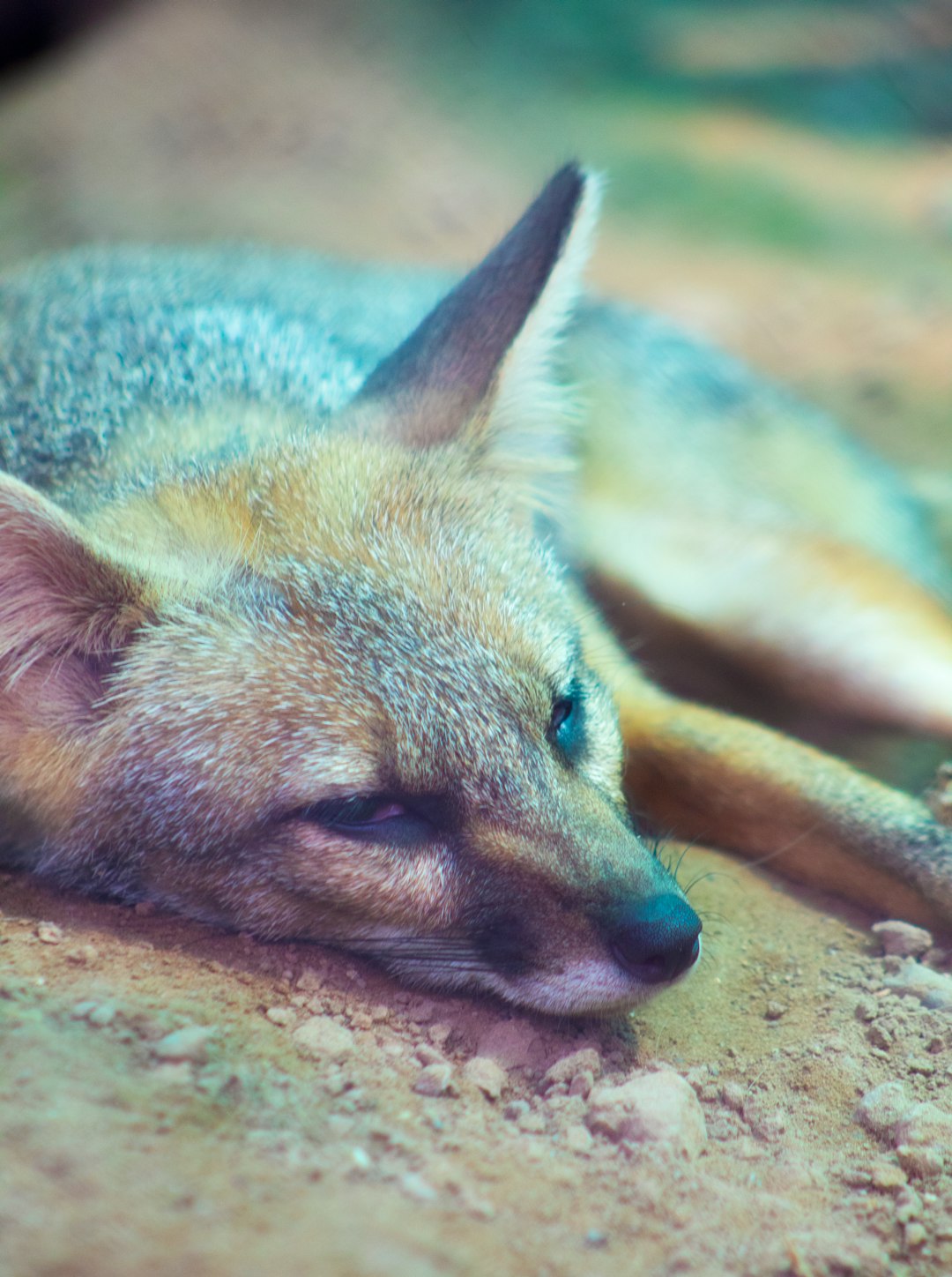
What’s the first sign a shy desert fox is back on the move? Not a face, but a footprint: a delicate oval pad stamped beside sagebrush roots, the neat X of a canine imprint, and the telltale drift of sand kicked from a den entrance. Biologists talk about nights when the desert’s soundscape changes – kangaroo rats ticking across crusted soil, a brief bark carried by cool air, an owl’s wing shiver overhead. Those small clues, stacked over months, start to outline a population pulse that no single sighting can prove. That’s how hope arrives out here, one faint track at a time.
I felt it on a windless spring night south of Tonopah, where a line of tracks braided over tire ruts like stitching on worn leather. You don’t need perfect data to feel the desert is breathing easier; you need consistency, pattern, and the humility to let the landscape speak first.
From Ancient Tools to Modern Science
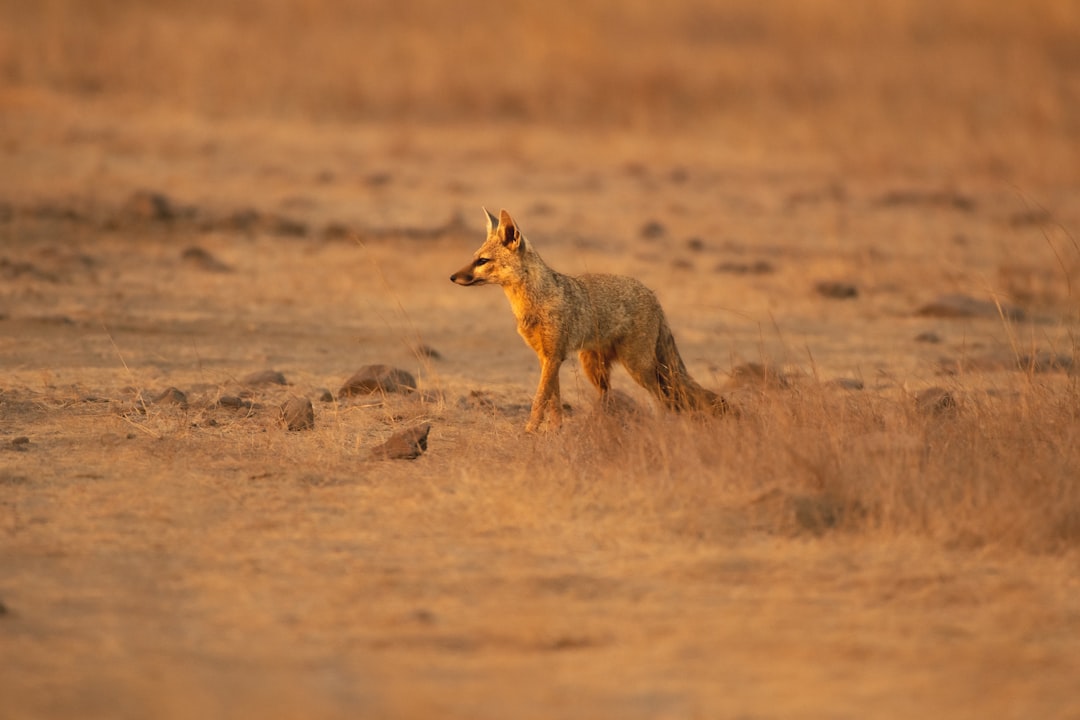
For generations, desert trackers read soil like a newspaper: where foxes slipped along washes, how many pups emerged, which predators prowled. Today, those skills pair with camera traps tuned for heat shimmer, passive acoustic mics that catch barks most ears miss, and DNA lifted from a pinhead of scat. This blend is changing the pace of knowledge – not more glamorous, just more honest about our blind spots in big, empty country. Instead of counting animals the old way and hoping for the best, scientists now measure presence, movement, and family ties with a fidelity we couldn’t touch a decade ago.
Even dusty tricks have evolved: track plates under culverts record clean prints overnight, and machine learning helps sort thousands of images into a few useful threads. The result is a story told faster and with fewer excuses for getting it wrong.
The Water Years and the Prey Boom
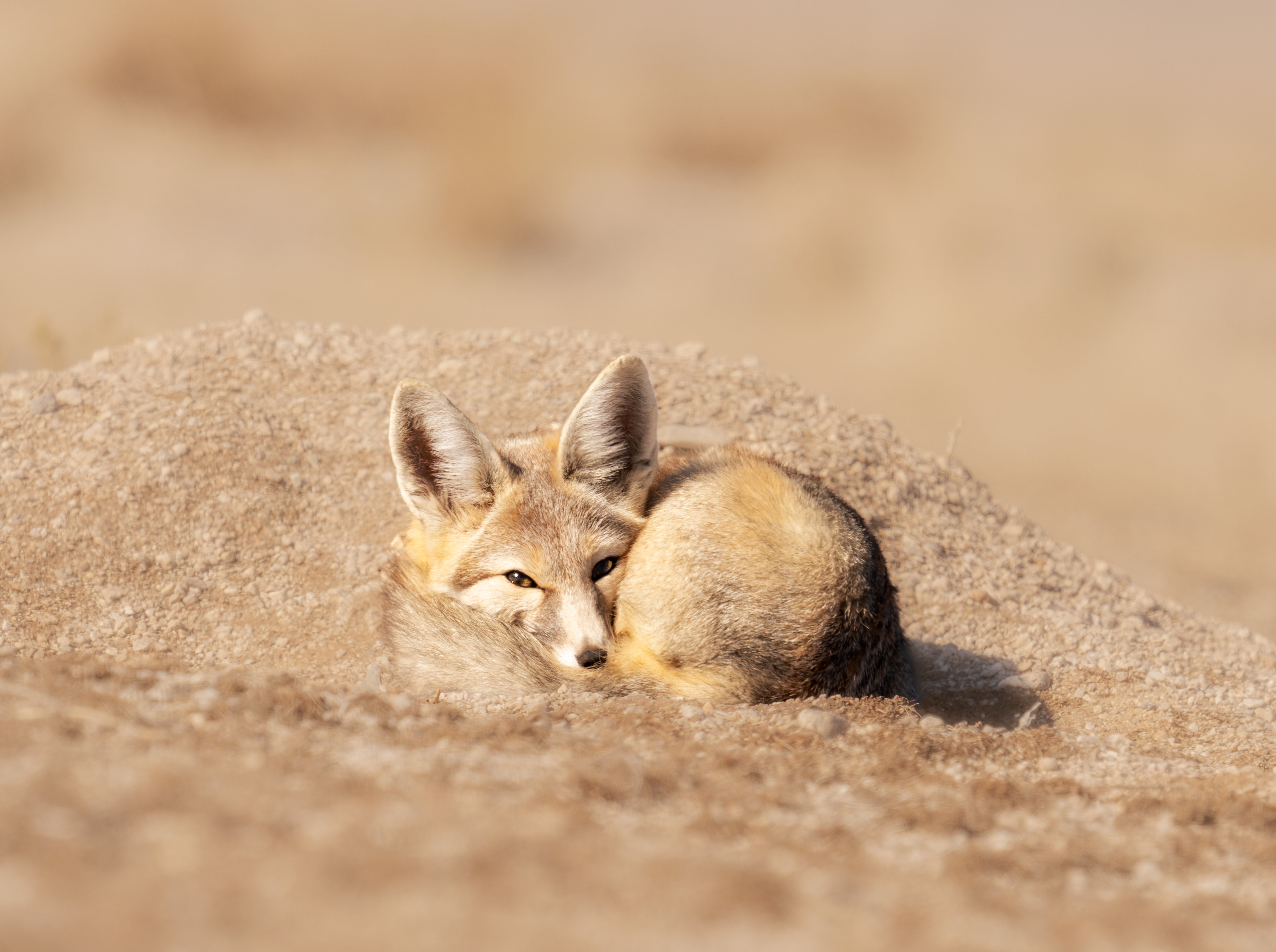
Fox fortunes rise and fall with water, even when they never touch a puddle. After parched years, Nevada’s recent wet winters punched fresh life into creosote flats and saltbush benches, fattening the very things foxes chase – woodrats, pocket mice, and young jackrabbits. That prey pulse is the quiet engine of ; more calories mean healthier adults and a better shot for spring litters to survive. In good rodent years, foxes roam shorter distances, burn fewer reserves, and take fewer risks near roads or ranch outbuildings. The desert didn’t change its rules – it simply gave the foxes a little room to win again.
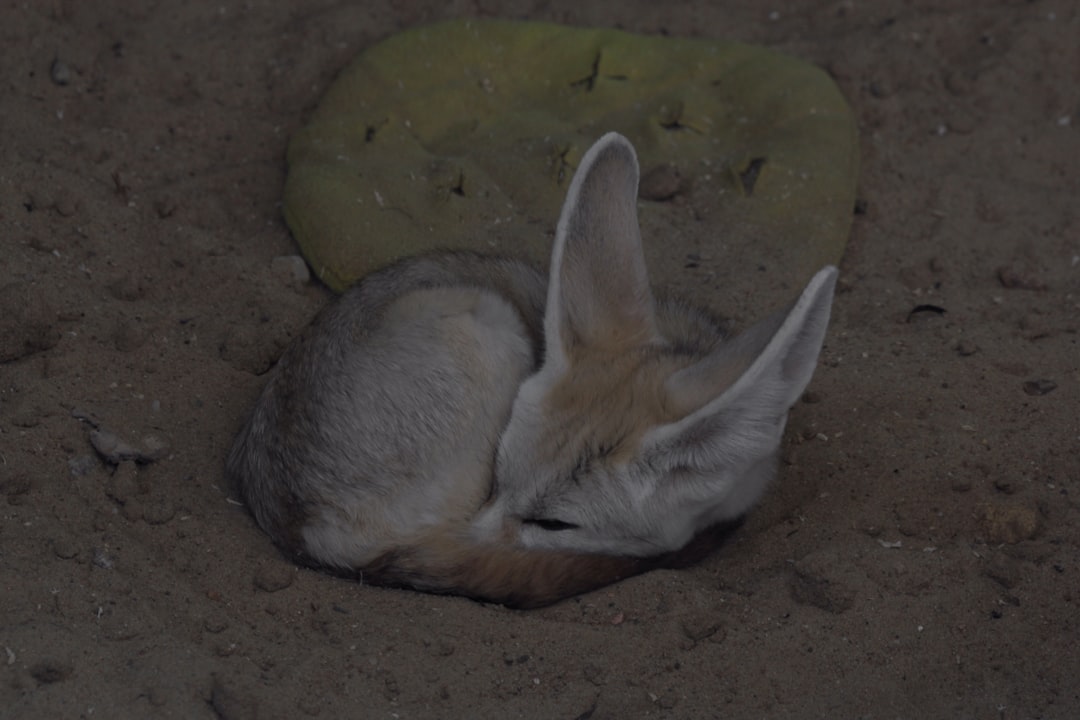
Consider the physiology that makes this possible: kit foxes squeeze water from their prey, shed heat through oversized ears, and rest in cool dens through the punishing hours. When food returns, those built-in savings accounts suddenly pay dividends.
Landscapes in Flux
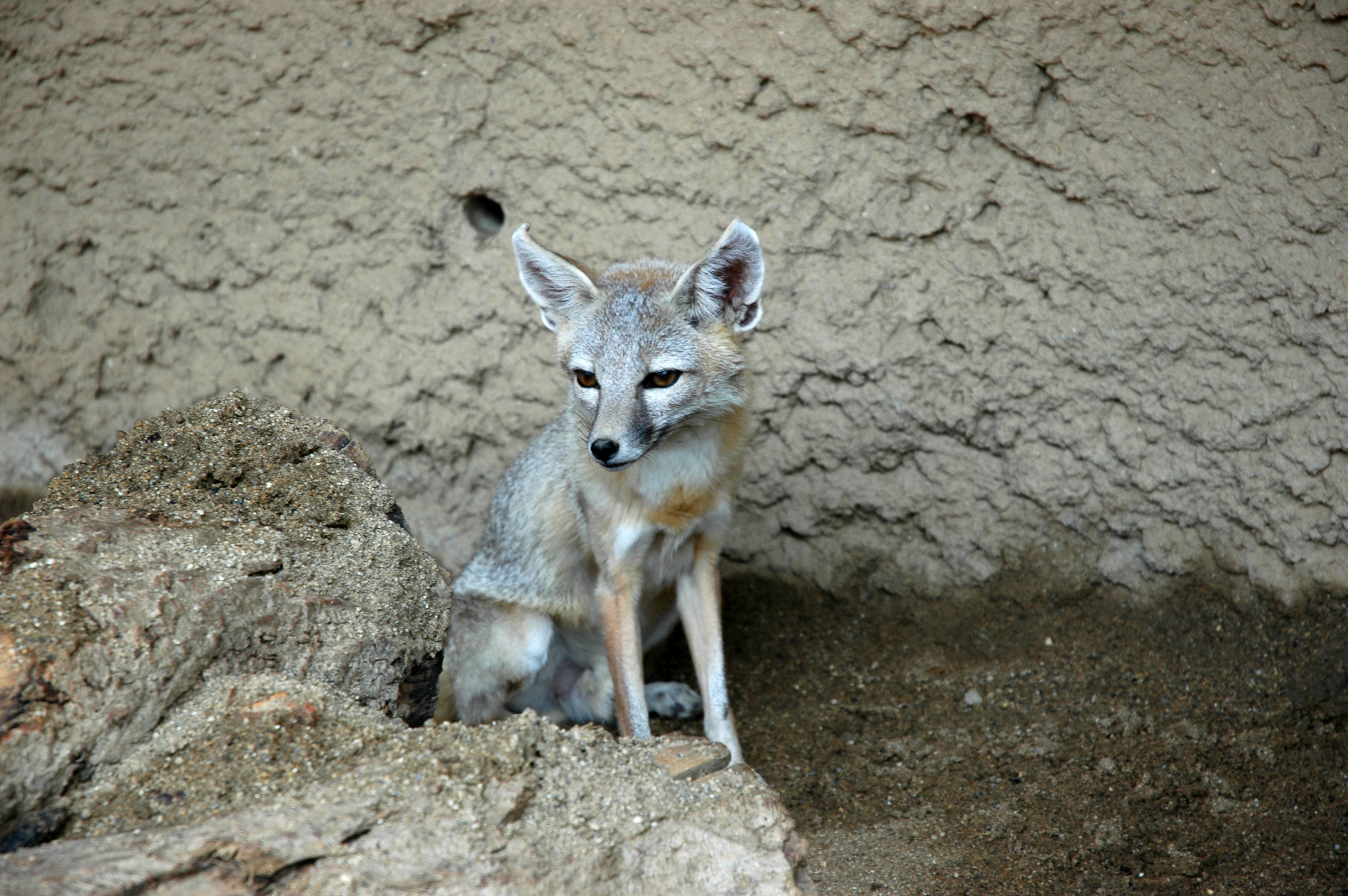
Comebacks don’t happen in a vacuum; they play out against highways, solar arrays, off-road trails, and fire scars stitched with invasive grasses. The Mojave and Great Basin edges are buzzing with energy buildouts, and that puts pressure on shy carnivores that need cover, quiet, and continuous ground. In some valleys, culverts and fenceline gaps now serve as lifelines, letting foxes cross safely where traffic never sleeps. In others, sloppy fencing and poorly placed lighting carve invisible barriers that a small nocturnal hunter simply won’t risk. The difference often boils down to planning that treats wildlife as a design requirement, not an afterthought.
On rangelands, rested pastures and intact shrub mosaics matter more than slogans. When sage and saltbush hold their shape after fire, the rodent neighborhoods stay intact – and foxes follow the groceries.
Why It Matters
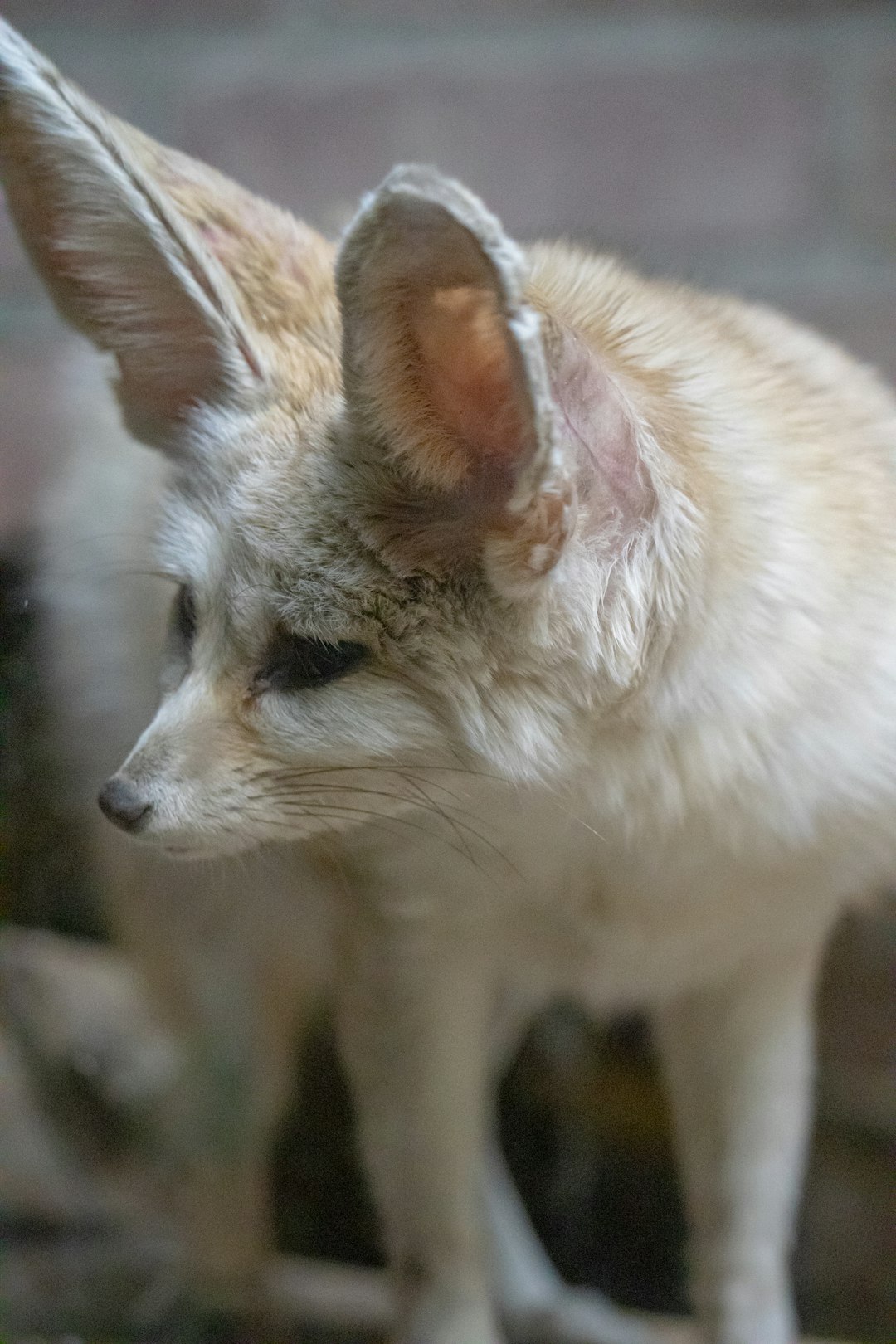
Desert foxes are more than photogenic night shadows; they’re working parts in a system that keeps creosote flats from tipping into silence. As mid-sized predators, they trim rodent booms, nudge seed banks, and help spread nutrients through the bones and leftovers other scavengers later pick clean. Healthy fox populations also signal that habitat is connected enough for shy wildlife to move, breed, and bounce back when drought cracks the land. If foxes are finding safe routes, so are tortoises, badgers, and the less glamorous rodents that knit deserts together. In a warming West, that connectivity is a form of climate insurance we can’t fake or buy late.
Think of it as a stress test we didn’t have to administer. When the foxes pass, the system still knows how to bend without breaking.
Global Perspectives
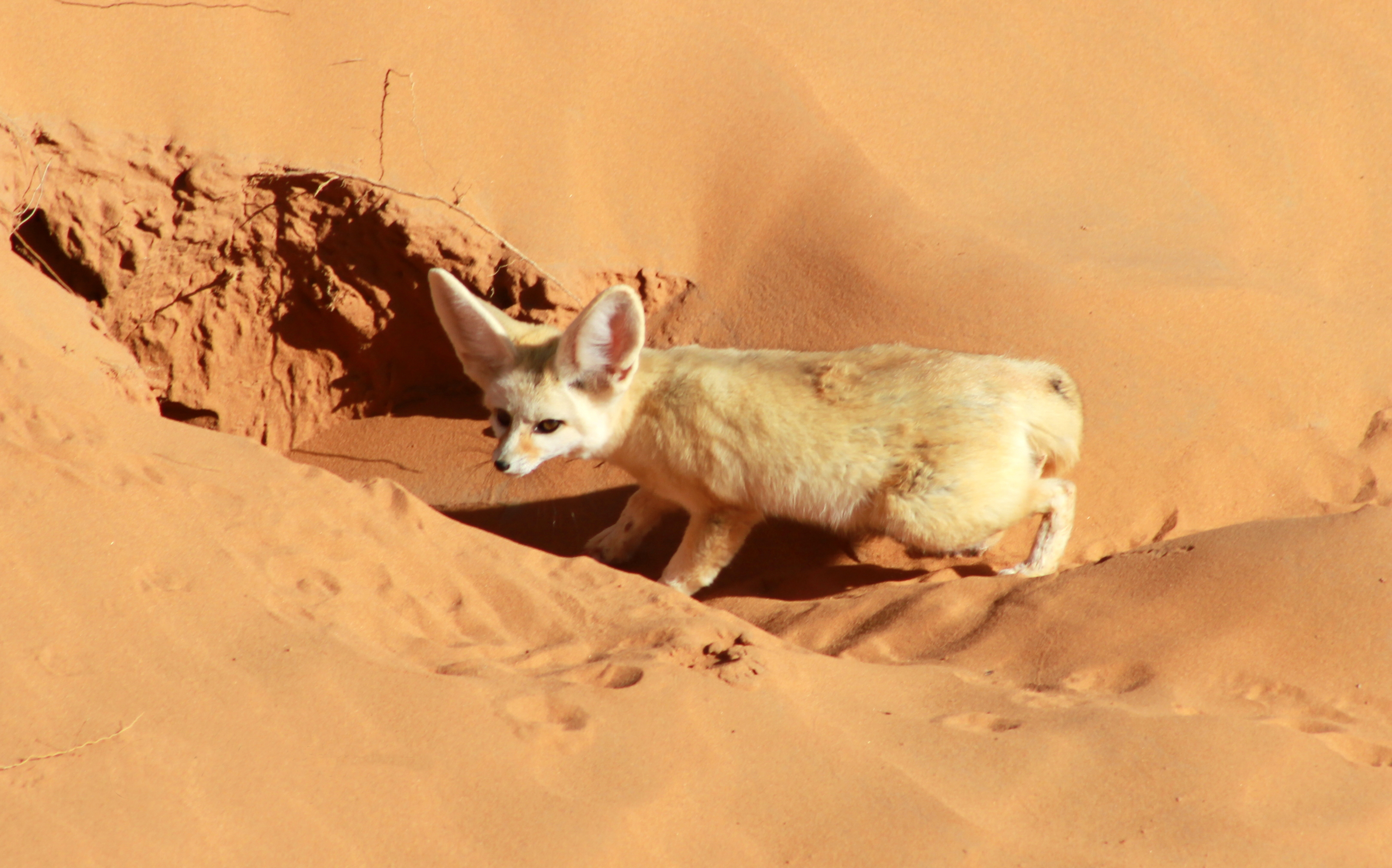
Nevada’s story echoes across arid worlds where small foxes navigate big shifts. In North Africa, fennec foxes face expanding roads and hotter nights; in the Middle East, Rüppell’s fox threads between camps and fenced oil fields. These cousins survive for the same reasons kit foxes do: nimble diets, precise thermoregulation, and an uncanny knack for reading human disturbance. Where management keeps corridors open and limits night lighting, small desert carnivores find ways to persist. Where fragmentation hardens into walls and bright cores, their maps shrink, diets narrow, and losses compound.
The lesson travels well: in deserts, subtle fixes – dark-sky practices, smarter fencing, seasonal quiet zones – often beat expensive concrete. The cheapest habitat is the habitat you never broke.
People on the Front Line
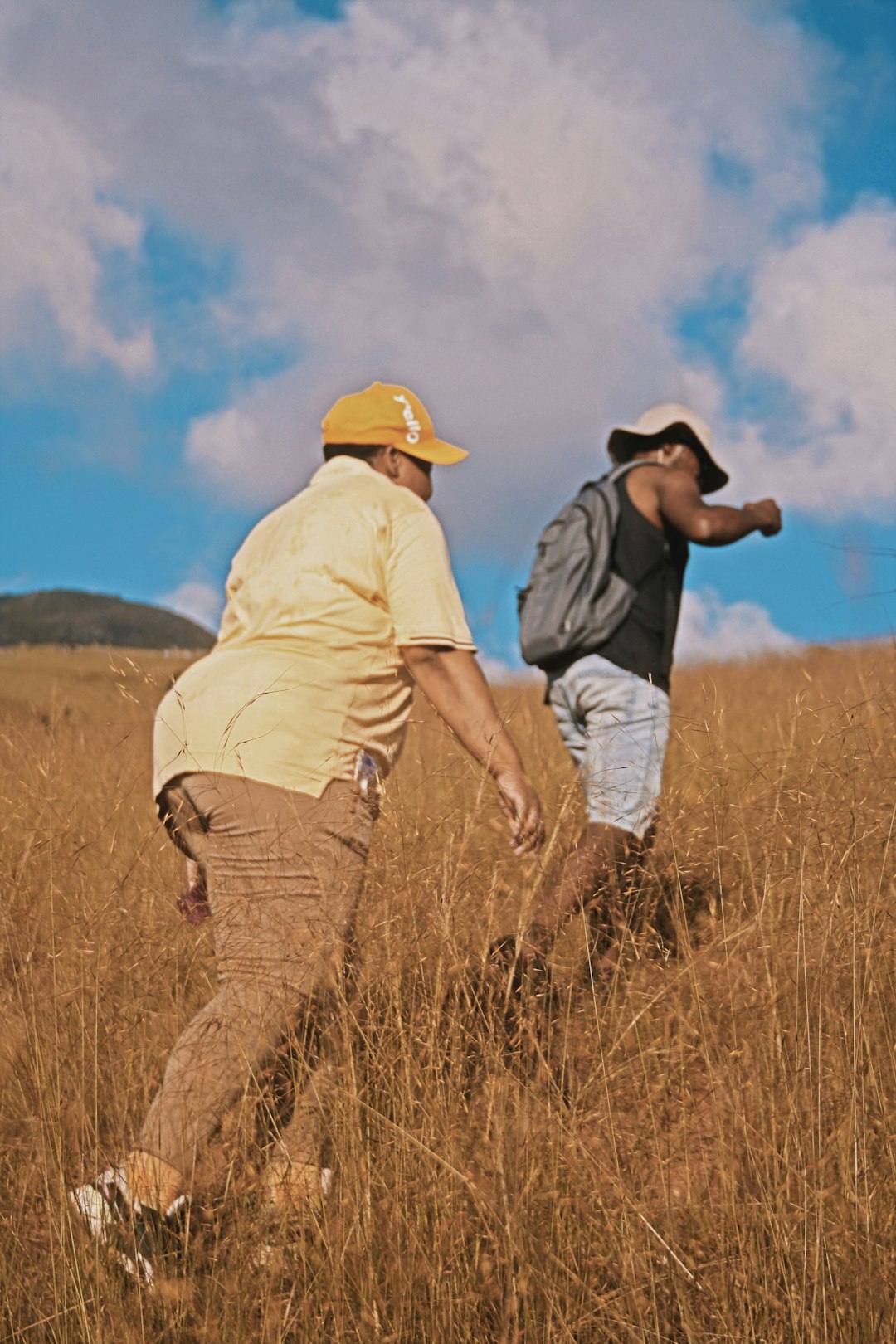
Ranch hands who know which washes hold dens, tribal youth crews walking dawn transects, and solar developers tweaking site plans – they’re all part of this comeback. Field notes still drive the most useful decisions, like shifting a maintenance route by a few hundred yards or timing a noisy repair outside denning season. Volunteers now help flag roadside carcasses so researchers can understand when and where foxes take fatal risks. Those same groups collect scat for genetic checks, expanding our view of family lineages without ever cornering an animal. It’s a community science model grounded in practical skill, not just apps and best intentions.
When people feel ownership, the desert gets quieter in all the right ways. And quiet is exactly what foxes need to raise a family.
The Future Landscape
The next decade will test whether these gains hold as the Southwest warms and dries between stormy bursts. Expect more thermal drones checking den occupancy at sunrise, AI tools that pick fox barks from wind noise, and environmental DNA drawn from dust filters to map presence after a single windy night. Corridor modeling is already steering new transmission lines and solar fields toward less sensitive ground, but those maps will need constant updates as fires and floods redraw reality. Tighter disease surveillance matters too, especially for mange and canine distemper that can rip through small populations before anyone notices. None of this is flashy; it’s careful, iterative work that buys time against climate volatility.
In the end, success will look ordinary: safe crossings under highways, darker nights on the valley floors, and enough unbroken shrubland to let a small fox hunt without being seen.
Conclusion
There are simple ways to help, even if you never leave the pavement. Keep desert nights dark by shielding outdoor lights and using motion sensors, especially in rural edges where wildlife skirts town. Drive a little slower on valley floors after dusk, and report fox sightings or roadkill to state wildlife agencies to sharpen their maps. Support projects that add wildlife-friendly fencing and culvert retrofits; these small fixes pay back across many species. If you recreate off-road, give burrowed banks and den mounds a wide berth in spring, and pack out food scraps that teach predators the wrong lessons.
Most of all, talk about what’s working – because quiet success rarely gets headlines, and this desert could use a few. The foxes are telling us the system can still recover when we give it a chance; are we listening?
Suhail Ahmed is a passionate digital professional and nature enthusiast with over 8 years of experience in content strategy, SEO, web development, and digital operations. Alongside his freelance journey, Suhail actively contributes to nature and wildlife platforms like Discover Wildlife, where he channels his curiosity for the planet into engaging, educational storytelling.
With a strong background in managing digital ecosystems — from ecommerce stores and WordPress websites to social media and automation — Suhail merges technical precision with creative insight. His content reflects a rare balance: SEO-friendly yet deeply human, data-informed yet emotionally resonant.
Driven by a love for discovery and storytelling, Suhail believes in using digital platforms to amplify causes that matter — especially those protecting Earth’s biodiversity and inspiring sustainable living. Whether he’s managing online projects or crafting wildlife content, his goal remains the same: to inform, inspire, and leave a positive digital footprint.