
A Milestone Mission Rekindled Doubts (Image Credits: Unsplash)
NASA’s Artemis II mission marked a pivotal moment in space exploration last week. Four astronauts aboard the Orion spacecraft completed a daring flyby of the Moon, venturing farther from Earth than any humans before them. The crew returned stunning visuals of the lunar surface and Earth, captivating global audiences. Yet, this achievement quickly became entangled in a surge of online misinformation.
A Milestone Mission Rekindled Doubts
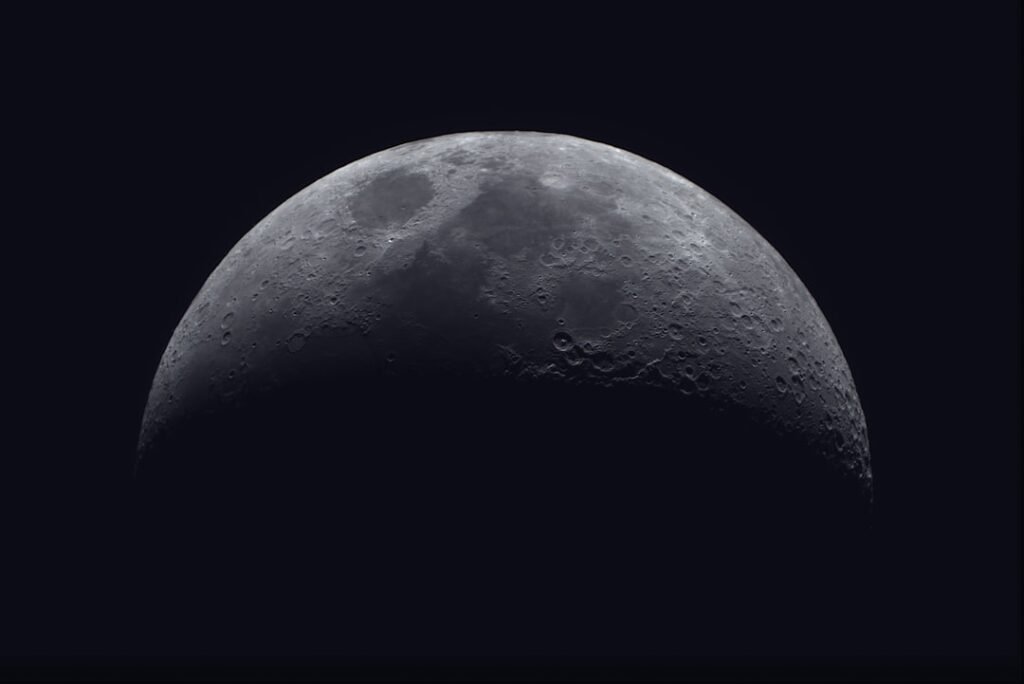
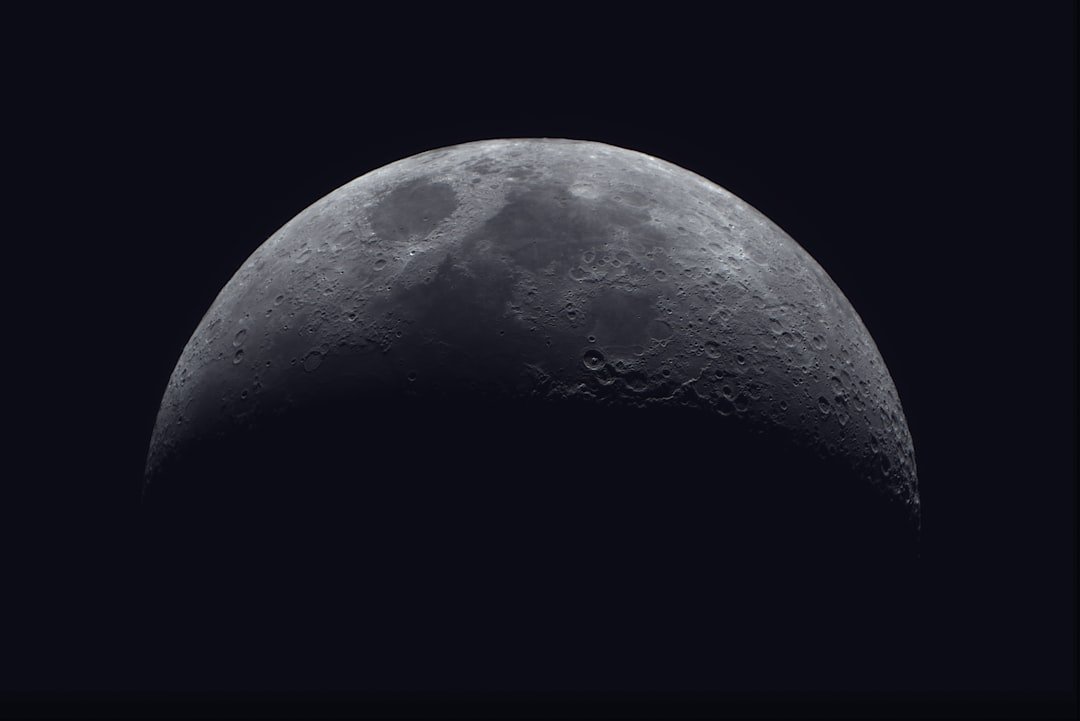
The Artemis II crew pushed the boundaries of human spaceflight. They looped around the Moon without landing, testing systems for future missions. This marked the first crewed lunar voyage since the Apollo era over 50 years ago.[1][2]
Live feeds and photographs from the Orion spacecraft drew millions of viewers. The astronauts prepared for a high-stakes re-entry and splashdown, concluding their journey successfully. Such feats highlight NASA’s renewed push toward lunar exploration. Still, the mission’s success failed to silence skeptics.
Staging Claims Go Viral on Social Media
Hashtags like #fakespace and #fakeNASA trended rapidly after launch. Platforms such as X, TikTok, and Facebook hosted a barrage of false narratives. One image, viewed over a million times on X, depicted the crew floating before a green screen amid film cameras. Analysts identified clear signs of AI manipulation in the graphic.[3]
Another video clip showed text bleeding through the mission’s plush mascot toy during a broadcast. Conspiracy proponents hailed it as proof of a staged flight. A digital forensics expert clarified the issue stemmed from a botched text overlay by a news outlet relaying NASA’s feed.[1]
These posts spread swiftly, blending technical glitches with fabricated evidence. Users accused the entire operation of being a Hollywood production. The claims persisted despite official streams showing real-time mission updates.
The Enigma of a ‘Moving Object’ on the Moon
One particularly persistent falsehood alleged the crew spotted a mysterious moving object traversing the Moon’s surface. These assertions amassed millions of views across multiple platforms. No such detection appeared in NASA’s data or footage.[3]
Proponents pointed to vague interpretations of lunar imagery. Experts dismissed the idea, attributing anomalies to optical illusions or debris far from the surface. The narrative fueled speculation about hidden lunar activity. It echoed older tales of extraterrestrial bases but lacked any verifiable support.
- AI-generated astronaut images suggesting studio filming.
- Glitchy broadcast overlays mistaken for green screen errors.
- Unsubstantiated reports of lunar surface motion.
- Broad accusations of AI-powered mission hoaxes.
- Links to Apollo-era landing denials.
Roots in Mistrust and Pop Culture
The misinformation wave revived skepticism about the 1969 Apollo 11 landing. Theorists claimed NASA staged it in a studio, a notion popularized in films like 2024’s “Fly Me to the Moon” starring Scarlett Johansson. That movie portrayed a backup fake landing scenario.[2]
Disinformation researcher Mike Rothschild explained the appeal. “There are some people whose reflexive reaction to any kind of major event is to claim it’s fake and staged,” he noted. Such influencers pose as scientific authorities to gain credibility.[1]
Space expert Francis French offered perspective on the gap since Apollo. Lunar travel proved challenging, with missions from 1968 to 1972 followed by decades of delay until 2026. “Right now we are seeing remarkable photographs and video of the Earth and the moon,” he said. “These photos alone should remove doubt.”[2]
Reduced platform moderation and cheap AI tools amplified the chaos. Researchers term this the “liar’s dividend,” where fakes undermine genuine content.
Key Takeaways
- Artemis II succeeded despite unfounded staging claims debunked as AI fakes or broadcast errors.
- Mysterious object stories gained traction but contradicted mission records.
- Expert analysis stresses visuals as proof of human ingenuity in space.
Artemis II stands as a testament to engineering prowess amid digital noise. Transparent data and imagery counter the myths effectively. As NASA eyes future landings, public discernment remains crucial. What do you think about these theories? Tell us in the comments.