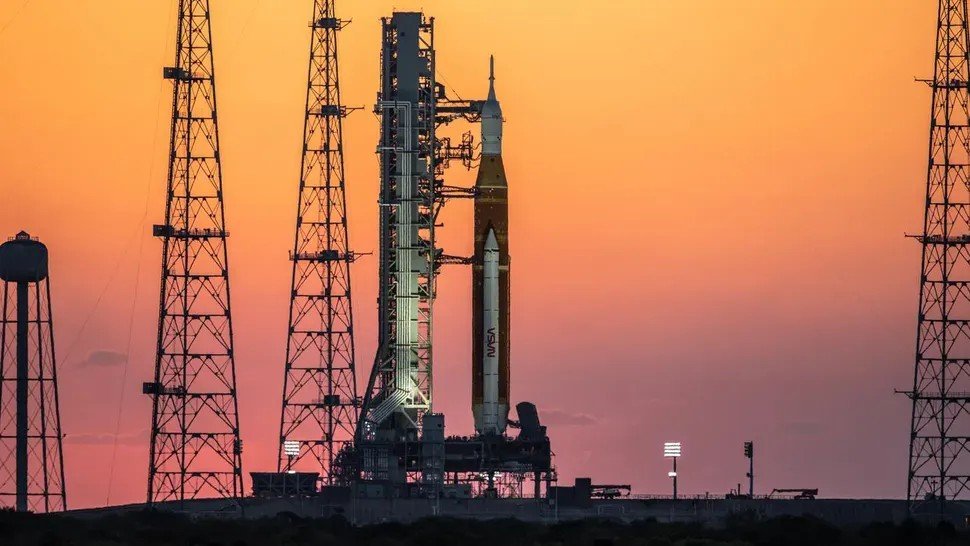

Space exploration has always had a way of making the world stop and look up. There is something about the idea of humans leaving Earth, venturing into the dark, and pushing further than anyone has gone before that cuts right through all the noise of daily life.
Artemis II is shaping up to be one of those moments. It is not just another rocket launch. It is the first time astronauts will travel to the vicinity of the Moon in over half a century, and the details surrounding this mission are far more fascinating, complex, and surprising than most people realize. Let’s dive in.
What Exactly Is the Artemis II Mission?
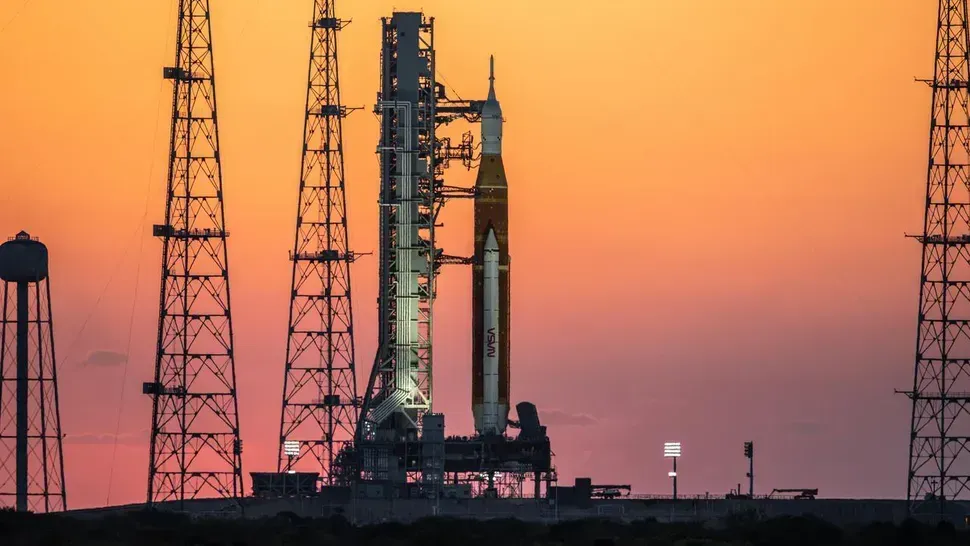
Here’s the thing – a lot of people assume Artemis II is a Moon landing. It is not, and that distinction actually makes it even more interesting in some ways. This mission is a crewed lunar flyby, sending four astronauts on a roughly ten day journey around the Moon and back aboard the Orion spacecraft, riding atop NASA’s Space Launch System rocket.
Think of it like a dress rehearsal for the grand performance. Artemis II will test every critical life support system, navigation procedure, and crew operation that will be needed for Artemis III, which is planned to actually land astronauts on the lunar surface. Getting this step right is everything. No shortcuts, no skipping ahead.
Who Are the Four Astronauts Making the Trip?
The crew selected for Artemis II is genuinely historic. NASA astronauts Reid Wiseman, Victor Glover, and Christina Koch will fly alongside Canadian Space Agency astronaut Jeremy Hansen. Victor Glover becomes the first Black astronaut to travel to the Moon, and Christina Koch will be the first woman to do so. That is not a small footnote – that is a landmark.
Jeremy Hansen, meanwhile, becomes the first Canadian to travel beyond low Earth orbit, which is a milestone for Canada and for the broader international partnership that defines the modern era of space exploration. Honestly, this crew alone makes Artemis II worth paying attention to, even before the rocket leaves the ground.
The Spacecraft: Orion and the Space Launch System
Orion is a remarkable piece of engineering. It was designed from the ground up to carry humans deeper into space than any crewed spacecraft since the Apollo era, with radiation shielding, life support systems, and emergency abort capabilities that reflect decades of hard lessons learned.
The Space Launch System, or SLS, is the most powerful rocket NASA has ever built. It produces more thrust than even the Saturn V rockets that carried Apollo astronauts to the Moon. That raw power is necessary because getting humans to lunar distance requires an enormous amount of energy, and there is simply no room for underperforming on a mission like this.
What the Mission Timeline Actually Looks Like
The Artemis II flight path involves launching from Kennedy Space Center in Florida, completing a series of orbits around Earth to check all systems, and then performing a critical engine burn that will slingshot the Orion capsule toward the Moon. The crew will pass within roughly 4,600 miles of the lunar surface before looping back toward Earth.
The total mission duration is expected to be around ten days. During that time, the four astronauts will be living and working in a spacecraft about the size of a small apartment, conducting tests, monitoring systems, and dealing with whatever surprises deep space decides to throw at them. It sounds intense, because it genuinely is.
Why the Timeline Keeps Shifting
Let’s be real – Artemis has had its share of delays. The uncrewed Artemis I mission, which successfully flew around the Moon in late 2022, took years longer to reach the launchpad than originally planned. Artemis II has similarly faced schedule adjustments, with its launch window pushed from earlier targets to a timeframe now expected no sooner than 2026.
These delays frustrate space enthusiasts, and it’s completely understandable. However, it’s hard to argue against the reasoning behind them. When you are sending four people on a journey a quarter million miles from Earth with limited rescue options, the engineering has to be flawless. Every extra month of testing is a month that could prevent a catastrophic failure.
The Bigger Picture: What Artemis II Means for the Future
Artemis II is not happening in isolation. It sits inside a much larger NASA strategy to establish a sustained human presence near and on the Moon, partly through the Lunar Gateway, which is a planned space station in lunar orbit. The data and operational experience gathered during Artemis II will directly shape how Artemis III and future missions are designed and executed.
There is also a competitive dimension to all of this that deserves attention. China has publicly stated its ambitions to land astronauts on the Moon by 2030. The Artemis program is, among other things, part of a broader geopolitical conversation about who shapes the future of space exploration and what international agreements will govern lunar resources. It’s not just about science. It never really was.
What Success Would Mean for Space Exploration
If Artemis II goes as planned, it will validate decades of investment in the SLS and Orion programs, restore public confidence in NASA’s human spaceflight ambitions, and set the stage for what could be one of the most watched events in modern history: humans standing on the Moon again. The symbolic weight of that cannot be understated.
I think there is something deeply important about the fact that this crew represents a broader vision of who gets to explore space. A Black astronaut, a woman, a Canadian – these are not token choices. They reflect a genuine shift in what human space exploration looks like in the twenty-first century. Artemis II carries both the legacy of Apollo and the promise of something entirely new. Whether you follow space news closely or only glance at headlines occasionally, this is one mission worth watching from start to finish.
What do you think – is the wait for Artemis II worth it, or has NASA taken too long to get humanity back to the Moon? Drop your thoughts in the comments.