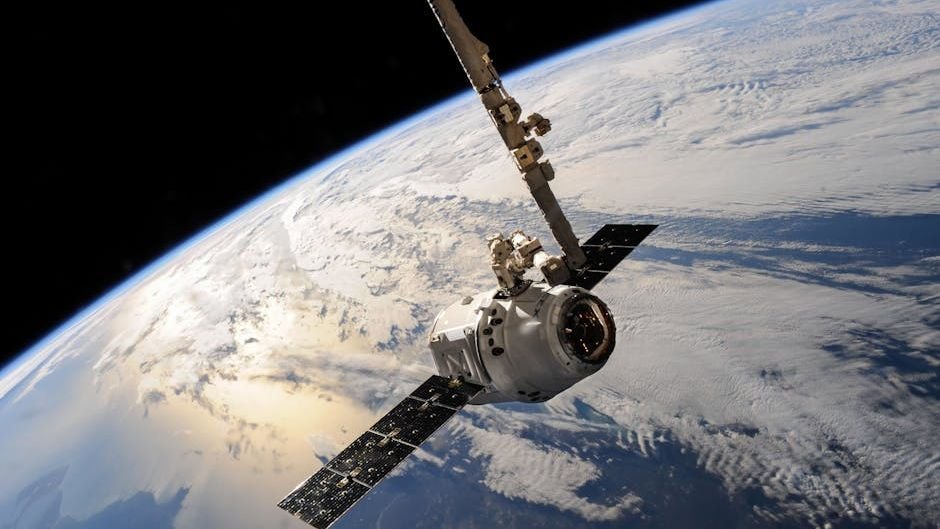

Space has a way of reminding us that nothing lasts forever. Even the most sophisticated pieces of human engineering eventually succumb to gravity’s patient pull, and NASA’s latest uncontrolled reentry is a striking example of just that.
A scientific satellite that spent years quietly measuring Earth’s atmosphere from orbit has now made its dramatic return to the planet it was designed to study. The story involves a legacy of atmospheric science, some nail-biting uncertainty, and the kind of fiery finale that would make for a spectacular light show. Let’s dive in.
The Satellite That Fell Back to Earth
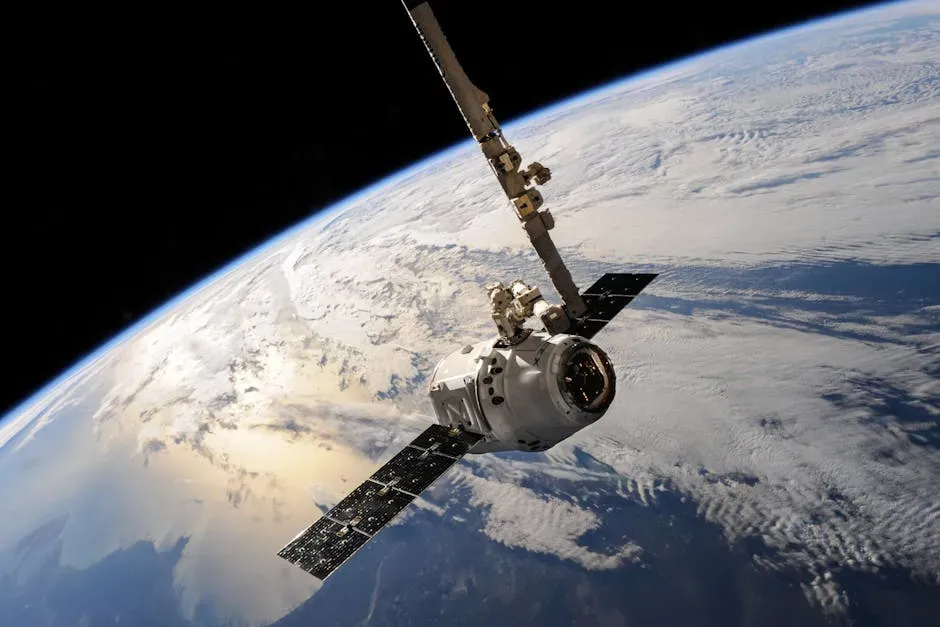
Here’s the thing most people don’t realize: satellites don’t just stay up there indefinitely. NASA’s Van Allen Probe A recently came plunging back through Earth’s atmosphere in an uncontrolled reentry. The event marked the end of a long chapter in Earth observation science.
The satellite reentered Earth’s atmosphere in early March 2026, with NASA and space tracking agencies monitoring its descent closely. It had been attached to the International Space Station before being removed and left in a slowly decaying orbit. Gravity, as it always does, eventually won.
What Van Allen Probe A Was Actually Designed To Do
Van Allen Probe A was no ordinary piece of hardware floating aimlessly in orbit. It was a precision scientific instrument built specifically to measure the concentrations of ozone, aerosols, water vapor, and other gases in Earth’s stratosphere and mesosphere. Think of it like a very sophisticated atmospheric X-ray machine, scanning the layers of air above us with remarkable accuracy.
The data it collected was genuinely valuable. Scientists relied on SAGE III measurements to track ozone recovery following the international effort to phase out ozone-depleting substances under the Montreal Protocol. Its readings helped paint a clearer picture of how our atmosphere is slowly healing, which is, honestly, one of the more encouraging environmental stories of recent decades.
A Long Legacy of Atmospheric Observation
Van Allen Probe A was part of a much longer scientific lineage. The SAGE program dates back to the late 1970s, making it one of NASA’s longest-running Earth observation efforts. Each generation of the instrument improved on the last, building a decades-long dataset that climate scientists still rely on today.
What makes this legacy remarkable is the continuity. When you have consistent measurements stretching back nearly half a century, you can actually track atmospheric trends with real confidence. Losing that thread of data would be a significant blow, which is why maintaining successor instruments remains a priority. The loss of this hardware is felt more in the data gap it might create than in the fireworks of its final descent.
The Uncontrolled Reentry: How Risky Was It Really?
Let’s be real, the phrase “uncontrolled reentry” sounds terrifying. Images of flaming debris raining down on cities tend to come to mind. The reality, though, is considerably less dramatic for the vast majority of people on the ground.
NASA and tracking agencies calculated that most of the satellite would burn up during its fiery passage through the atmosphere. Some fragments may have survived reentry and reached the surface, but the probability of any debris hitting a populated area was extremely low. To put it in perspective, roughly about three quarters of Earth’s surface is ocean, and much of the rest is sparsely populated land. Still, the unpredictability of uncontrolled reentries is exactly why space agencies have been pushing for better end-of-life disposal planning for satellites.
Where Did the Debris Actually Land?
Pinpointing exactly where debris from an uncontrolled reentry lands is notoriously difficult. Even with advanced tracking systems, the exact moment and location of final breakup is hard to predict precisely hours in advance. NASA confirmed the reentry occurred but did not immediately specify a confirmed debris impact zone.
This kind of uncertainty is frustratingly common. It’s hard to say for sure, but based on tracking data, the reentry appeared to occur over a remote area, reducing the already small risk to people on the ground. No damage or injuries were reported in connection with the event. The fragments, if any survived, likely ended up in the ocean or a remote stretch of land, unnoticed and unrecovered.
The Growing Problem of Space Debris and Satellite Disposal
Van Allen Probe A’s fiery end raises a much bigger conversation about what happens to satellites when they’re no longer useful. There are currently thousands of defunct satellites and millions of pieces of debris orbiting Earth. The problem is only growing as commercial space launches accelerate at a breathtaking pace.
Uncontrolled reentries like this one highlight the urgent need for standardized deorbit plans. The current international guidelines recommend that satellites in low Earth orbit should reenter within 25 years of completing their mission, but compliance is far from universal. Some experts argue the 25-year window is still far too long given today’s crowded orbital environment. It’s a problem that’s going to demand serious attention from space agencies, private companies, and policymakers alike, and sooner rather than later.
What Comes Next for Atmospheric Science
The retirement of Van Allen Probe A doesn’t mean atmospheric monitoring stops. NASA and other agencies have invested in newer instruments and satellite missions capable of continuing stratospheric observations. The goal is to maintain that hard-won continuity of data, even as older platforms fall away.
That said, transitions between instruments are never seamless, and scientists often face the challenge of cross-calibrating data from different sensors to ensure consistency. Gaps in long-term datasets can complicate climate modeling and policy decisions. The scientific community will be watching carefully to ensure the legacy of Van Allen Probe A’s measurements carries forward without interruption, because when it comes to understanding our atmosphere, consistency truly is everything.
Conclusion: A Fiery Goodbye and a Bigger Question
Van Allen Probe A’s reentry is equal parts ending and reminder. It closes the book on one instrument’s contribution to our understanding of Earth’s fragile atmospheric shield while spotlighting a growing challenge humanity must address: what to do with the machines we send into space when their work is done.
Honestly, there’s something almost poetic about an instrument that spent years studying Earth’s atmosphere finally dissolving into that very same atmosphere. Its data lives on in scientific records and climate models, even as its hardware becomes ash. The satellite is gone, but the questions it helped us answer, and the ones it leaves unresolved, remain. What do you think: should satellite disposal be a stricter international obligation? Tell us in the comments.