
Dark Patches Defy Typical Aurora Glow (Image Credits: Cdn.mos.cms.futurecdn.net)
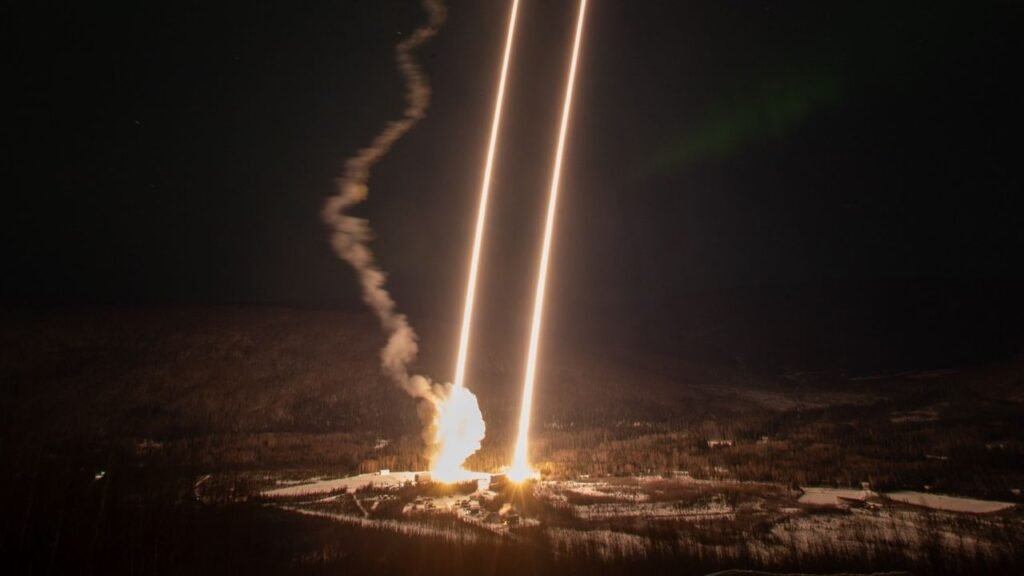
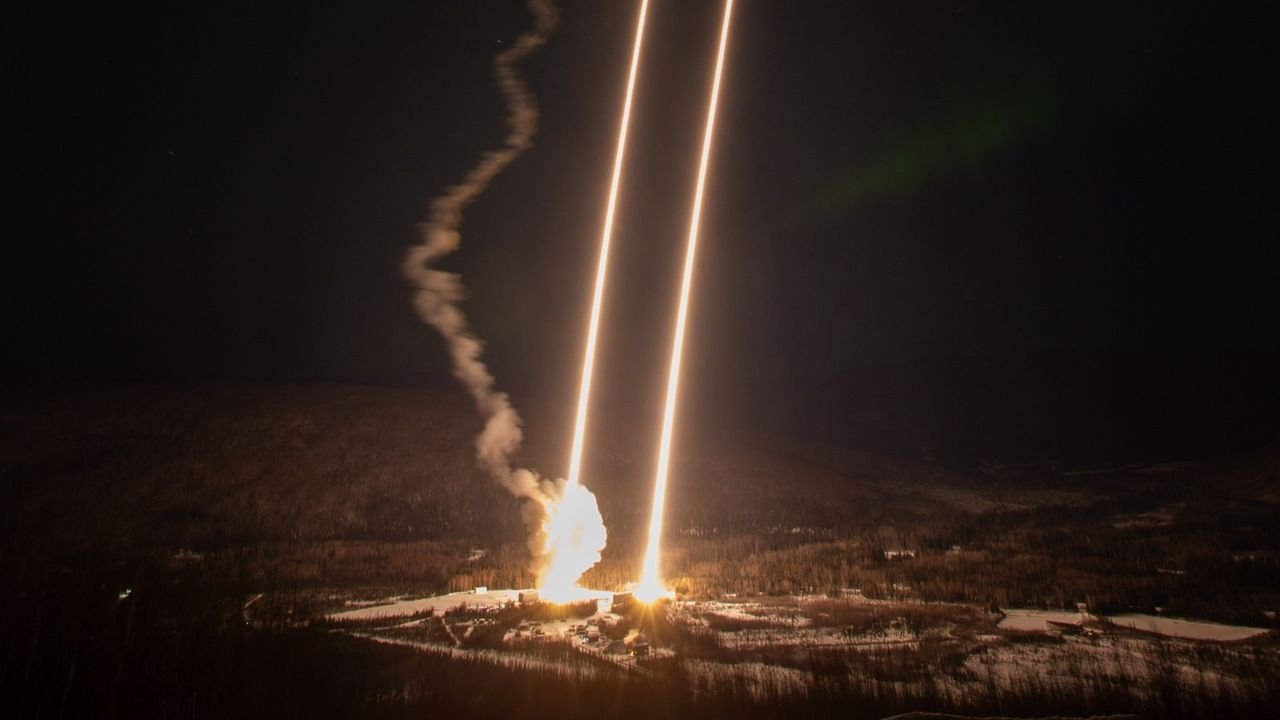
Alaska — NASA dispatched twin sounding rocket missions from a remote research range near Fairbanks to probe the enigmatic dark voids within the northern lights.
Dark Patches Defy Typical Aurora Glow
Black auroras stand out as peculiar absences of light amid the shimmering displays of the northern lights. These voids occur when charged particles in the upper atmosphere thin out or abruptly halt, creating shadowy structures that drift through the faint, widespread glow of diffuse auroras.[1][2]
Scientists long suspected these features arise from reversed electron flows, where particles stream upward into space rather than downward to spark the usual luminous curtains. The missions targeted these fleeting phenomena during active auroral conditions.[3]
Such events challenge conventional models of auroral physics, prompting detailed in-situ measurements high above Earth.
BaDASS Mission Pierces the Void
The Black and Diffuse Auroral Science Surveyor, or BaDASS, lifted off on February 9, 2026, at 3:29 a.m. Alaska Standard Time from Poker Flat Research Range. This Black Brant IX rocket soared to a peak altitude of 224 miles before parachuting instruments back to Earth.[1][4]
Principal investigator Marilia Samara of NASA’s Goddard Space Flight Center confirmed all instruments functioned perfectly, delivering high-quality data on electron behaviors. The payload captured variations in the diffuse aurora, zeroing in on black aurora mechanisms.[3]
This marked the mission’s second attempt after a 2025 postponement due to poor auroral conditions.
GNEISS Delivers Aurora’s Electrical Blueprint
Just a day later, on February 10, the twin rockets of the Geophysical Non-Equilibrium Ionospheric System Science, or GNEISS, blasted off back-to-back at 1:19 a.m. Alaska Standard Time from the same site. Each Black Brant IX vehicle climbed to roughly 198 miles, deploying subpayloads to sample multiple points within the aurora.[1][3]
Dartmouth professor Kristina Lynch, the principal investigator, described the approach as a “CT scan” of the plasma beneath the lights. “We’re not just interested in where the rocket flies,” she explained. “We want to know how the current spreads downward through the atmosphere.”[3]
Ground receivers analyzed radio signals from the rockets to map plasma density and current paths, combining with cameras and radars for a three-dimensional view.
| Mission | Launch Date | Peak Altitude | Principal Investigator |
|---|---|---|---|
| BaDASS | Feb. 9, 2026 | 224 miles | Marilia Samara |
| GNEISS (Twin) | Feb. 10, 2026 | ~198 miles | Kristina Lynch |
Guarding Against Space Weather Threats
Auroras signal geomagnetic storms that disrupt satellites, power grids, and communications. Returning currents from these displays scatter energy unpredictably, stirring winds and heating the upper atmosphere.[1]
Insights from the missions will refine forecasts, safeguarding astronauts and aviation routes. Data integration with NASA’s EZIE satellite promises deeper understanding of energy distribution.
- Black auroras reveal reversed electron flows, challenging aurora formation theories.
- Both missions succeeded, yielding pristine data on electrical structures.
- Findings will bolster defenses against geomagnetic disruptions.
These launches from Poker Flat underscore NASA’s commitment to unraveling space weather puzzles. As analysis progresses, the data may illuminate how auroral circuits shape our planet’s fragile technological shield. What aspects of auroras intrigue you most? Share in the comments.