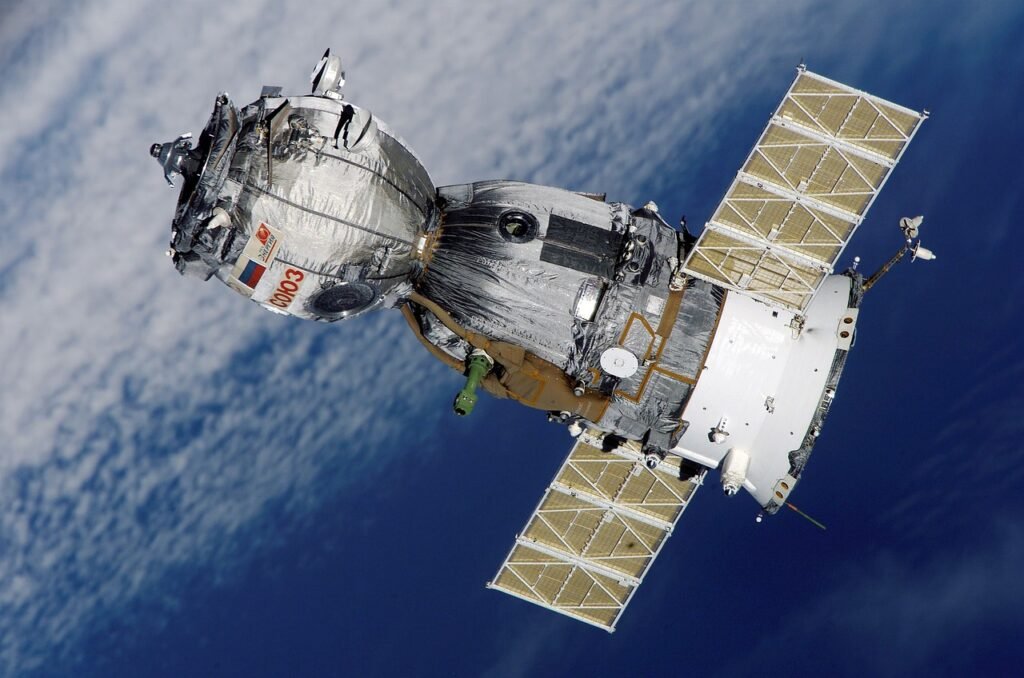

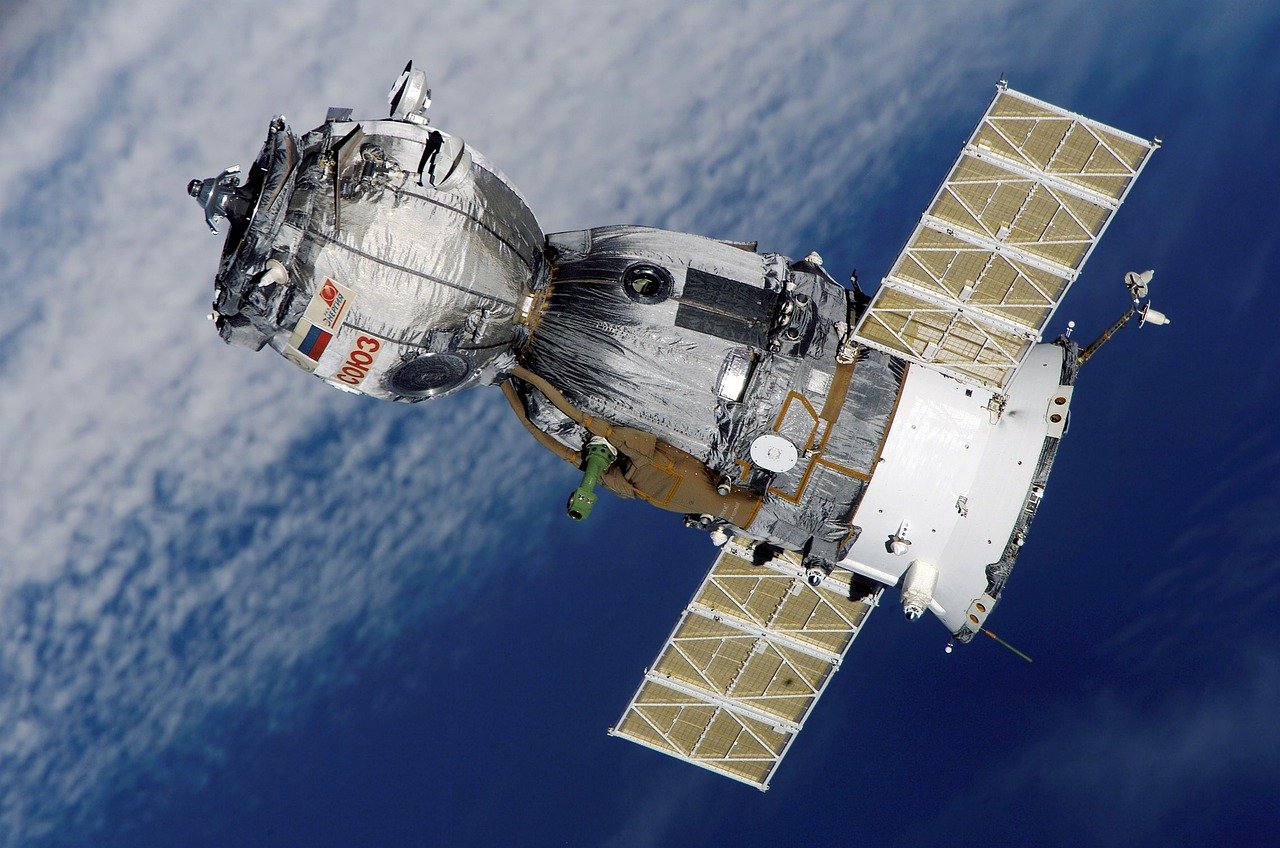
Unlocking New Frontiers in Orbital Maintenance (Image Credits: Pixabay)
Momentus Inc. secured a Space Act Agreement with NASA to conduct a low Earth orbit mission focused on pioneering technologies for spacecraft servicing and operations.
Unlocking New Frontiers in Orbital Maintenance
Spacecraft often face shortened lifespans due to fuel depletion or component failures, but this collaboration promises to change that dynamic. Engineers will deploy the Vigoride 7 Orbital Service Vehicle to host a series of demonstrations that address these challenges head-on. The mission targets improvements in how satellites navigate, exchange data, and collaborate autonomously. Such advancements could extend mission durations and reduce launch costs for future operations.
Industry observers view this as a critical step toward a sustainable space infrastructure. Traditional satellite designs rely on one-time deployments, yet in-orbit servicing opens doors to repairs, refueling, and assembly. NASA selected Momentus for its proven expertise in orbital transfer vehicles, positioning this effort as a benchmark for commercial innovation.
Details of the Space Act Agreement
The agreement formalizes a partnership where Momentus provides the Vigoride 7 as the central platform. This vehicle, designed for extended stays in low Earth orbit, will simulate real-world scenarios for multiple technologies. NASA contributes technical oversight and validation protocols to ensure rigorous testing standards. The mission builds on prior demonstrations by both entities, escalating to more complex autonomous functions.
Preparations involve integrating payloads that test maneuvering precision and communication relays. Teams coordinated timelines to align with upcoming launch windows, emphasizing efficiency in a crowded orbital environment. This structured approach minimizes risks while maximizing data collection.
Core Technologies Set for Demonstration
Participants will evaluate systems for in-orbit servicing, which includes docking mechanisms and robotic arms for assembly tasks. Autonomous operations form another pillar, with algorithms enabling spacecraft to coordinate without constant ground control. Enhanced maneuvering thrusters aim to provide finer control for proximity operations.
- Improved propulsion for precise satellite rendezvous
- Secure data links for inter-spacecraft communication
- AI-driven autonomy for group formations and repairs
- Modular assembly techniques for on-demand structures
- Standardized interfaces to boost interoperability
These elements address gaps in current capabilities, where most satellites operate independently. Successful tests could standardize practices across the industry.
Vigoride 7 Steps into the Spotlight
Momentus developed the Vigoride 7 specifically for hosting experiments like these. Its design supports multiple payloads simultaneously, offering flexibility for diverse demonstrations. The vehicle features non-toxic propulsion and robust power systems suited for prolonged missions. Past flights validated its core functions, paving the way for this NASA-backed endeavor.
Operators plan to monitor performance metrics in real time, adjusting parameters as needed. This hands-on role underscores Momentus’s transition from service provider to technology integrator. The platform’s versatility positions it for broader applications in satellite constellations.
Implications for the Space Economy
This mission arrives at a pivotal moment, as satellite operators seek ways to maximize investments amid rising launch rates. In-orbit servicing could slash replacement costs by 30 to 50 percent over time, though exact figures depend on scalability. Assembly capabilities might enable larger telescopes or habitats assembled piece by piece.
NASA’s involvement signals endorsement of commercial partners in core research. Other firms may follow suit, accelerating a marketplace for orbital services. Challenges remain, including regulatory frameworks for shared orbits, but early successes build momentum.
Key Takeaways
- Momentus’s Vigoride 7 hosts NASA’s tests for servicing, assembly, and autonomy.
- The mission targets low Earth orbit to refine spacecraft collaboration.
- Outcomes could extend satellite life and foster a robust space economy.
These developments mark a shift toward reusable space assets, reshaping how humanity explores and utilizes orbit. What impact do you foresee for future missions? Share your thoughts in the comments.