A Celestial Alignment Inspires New Sounds (Image Credits: Cdn.mos.cms.futurecdn.net)
NASA’s Chandra X-ray Observatory released sonifications that transform X-ray and multiwavelength observations of three distant planets into audible experiences.[1][2]
A Celestial Alignment Inspires New Sounds
Skywatchers in the Northern Hemisphere witnessed a striking planetary parade in late February 2026, with six planets aligning along the ecliptic and visible from dark skies.[1] The event peaked around February 28, prompting NASA to mark the occasion with fresh audio interpretations from Chandra data released on February 25.
These sonifications highlight features invisible from Earth, such as X-rays reflected from the Sun by planetary atmospheres and rings. Chandra detects these high-energy emissions, revealing dynamics in the solar system that optical telescopes miss. The project builds on NASA’s ongoing efforts to make astronomical data accessible through multiple senses.
Jupiter’s Gusty Winds and Layered Tones
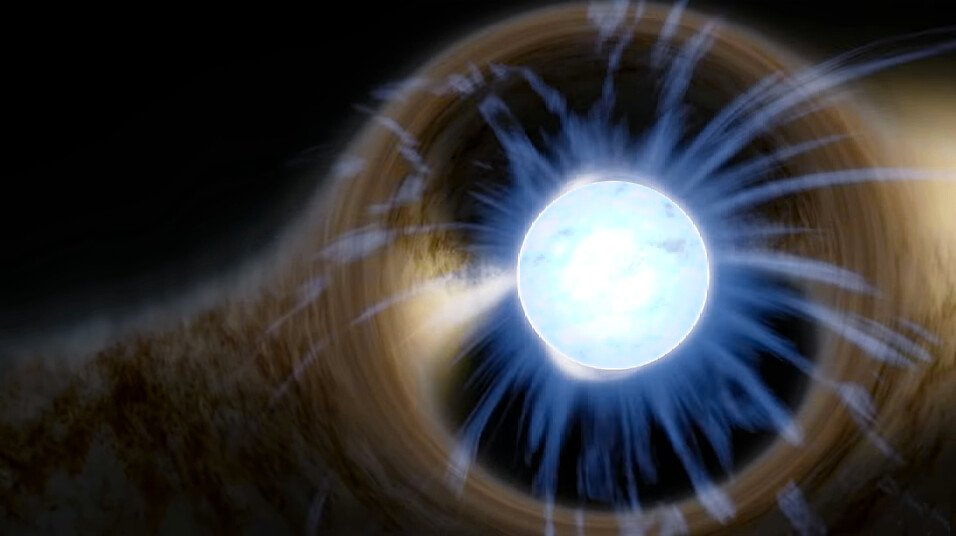
Listeners encounter Jupiter through a blend of Chandra’s X-ray observations and an infrared image from the Hubble Space Telescope. Woodwind instruments evoke the diffuse X-rays from a donut-shaped ring of energetic particles encircling the gas giant, producing whooshing gusts as an activation line sweeps left to right across the image.[1][2]
Auroral X-rays at the poles intensify the winds, while fuller orchestral sounds represent Hubble’s infrared view of complex cloud layers. Pitch drops noticeably over the bright equatorial band and Great Red Spot, reflecting the planet’s tilt. Additional X-ray bursts cap the sequence with final gusts, offering an auditory tour of Jupiter’s energetic environment.
Saturn’s Sirens and Synthetic Pulses
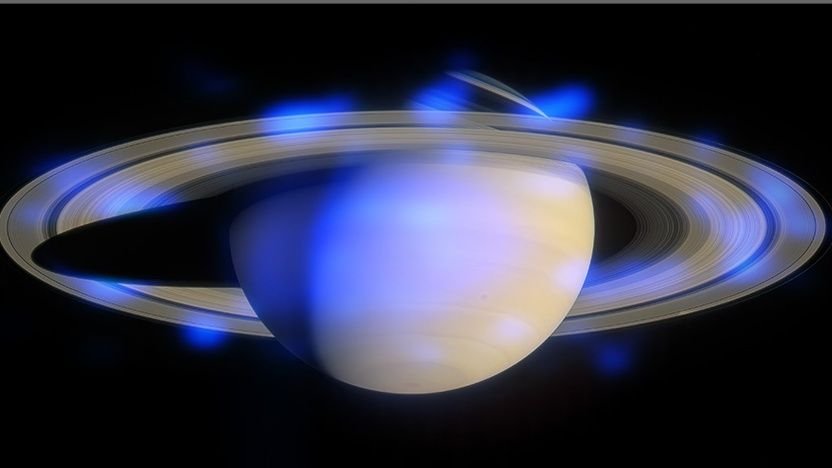
Saturn’s sonification merges an optical image from NASA’s Cassini spacecraft with Chandra X-ray data. A siren-like wail traces the curving rings as the scan moves right to left, its frequency mirroring the ring structure.[1]
Synthesizer tones then dominate, with higher pitches signaling high-energy X-ray activity across the planet, rings, and poles. Dark synthetic bass notes distinguish the main body from the rings, creating a layered soundscape that underscores Saturn’s majestic architecture. This combination brings the ringed world’s subtle emissions to life.
Uranus: Subtle Rings and Asymmetric Glow
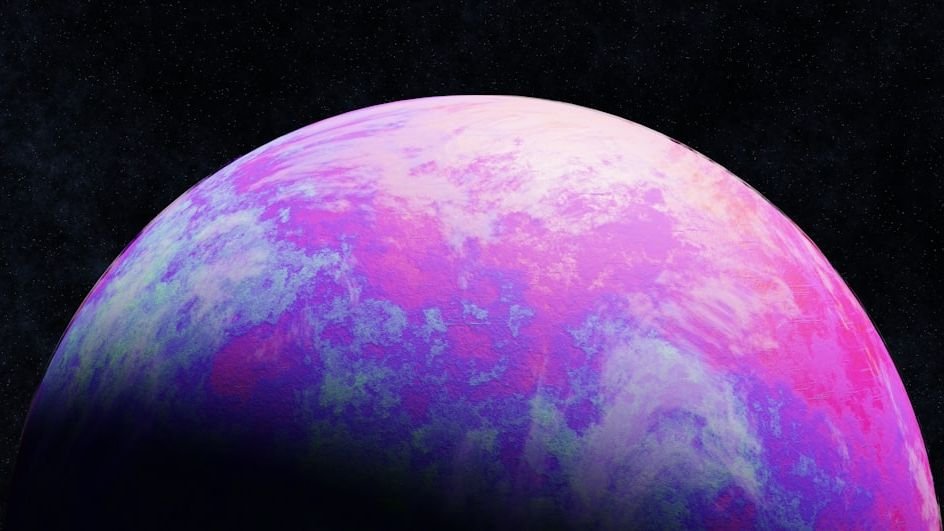
The ice giant Uranus features data from Chandra and the W.M. Keck Observatory’s optical observations. A cello outlines the faint, arcing rings, with notes shifting to map reflected light across the planet’s surface.[2]
Higher-frequency sounds overlay Chandra’s X-rays, concentrated over a pinkish region and hinting at possible asymmetry in solar reflections – though faint signals and processing may contribute to this effect. Brightness controls volume, while vertical position sets pitch in the left-to-right scan. The result paints Uranus as a quieter, enigmatic presence.
Sonification Unlocks Cosmic Data
Chandra’s team, including the Chandra X-ray Center and collaborators from SYSTEM Sounds, developed these audio pieces starting in 2020. Algorithms map image brightness to volume and position to pitch, preserving scientific fidelity while engaging new audiences, including those with visual impairments.[3]
The process scans composite images linearly, converting pixels into notes that reveal patterns like rings and auroras. Such tools expand how researchers and the public explore the universe.
- X-rays from Chandra capture reflected sunlight, exposing high-energy physics.
- Multiwavelength pairings add depth, from infrared clouds to optical rings.
- Sweeping scans create dynamic flows, mimicking a spotlight across planetary features.
- Instrument choices evoke moods: winds for chaos, sirens for structure, cellos for subtlety.
- Accessibility drives the work, tested with diverse listeners.
Key Takeaways
- These sonifications coincide with a rare six-planet alignment observed in February 2026.
- Jupiter roars with winds, Saturn sings with sirens, and Uranus hums softly.
- Chandra’s X-rays reveal solar system secrets beyond visible light.
These soundscapes not only celebrate a fleeting sky event but also invite deeper engagement with planetary science – what hidden symphonies might future missions uncover? Share your thoughts or favorite sonification in the comments.