
For centuries, polished “unicorn horns” were paraded through European cathedrals and palaces, hailed as talismans against poison and proof that wonder walked the earth. The mystery behind those spiraled trophies turns out to be far wilder and colder: a whale’s tooth from seas locked in winter dark. Now, a new synthesis of archaeology, museum records, and marine biology is reframing the story from fable to field data – and revealing how a single tooth helped build an empire of myth. At the same time, the very species that inspired the legend is navigating louder, busier Arctic waters. Inside that tension – myth versus measurement – lies a lesson about how science can dismantle a fantasy while still protecting the creature that sparked it.
The Hidden Clues
What if Europe’s most enchanting myth was built on a whale’s tooth? Step into Copenhagen’s Rosenborg Castle and you’ll find a coronation chair fashioned from pale spirals that once passed as unicorn horn, but were in fact narwhal tusks. The same sleek ivory showed up in church treasuries and royal cabinets of curiosity, its left-handed spiral matching bestiary drawings that scholars insisted were accurate. In the North Atlantic, Norse and later Scandinavian traders moved these tusks south through bustling ports where buyers rarely questioned origins.
As a kid I stared up at one of those tusks in a museum and felt that shiver of awe; as a reporter, I’ve learned the paperwork tells a different kind of story. Bills of sale, shipping manifests, and anatomical comparisons quietly toppled the unicorn – replacing it with a whale whose life is stranger than the legend ever was.
From Ancient Tools to Modern Science
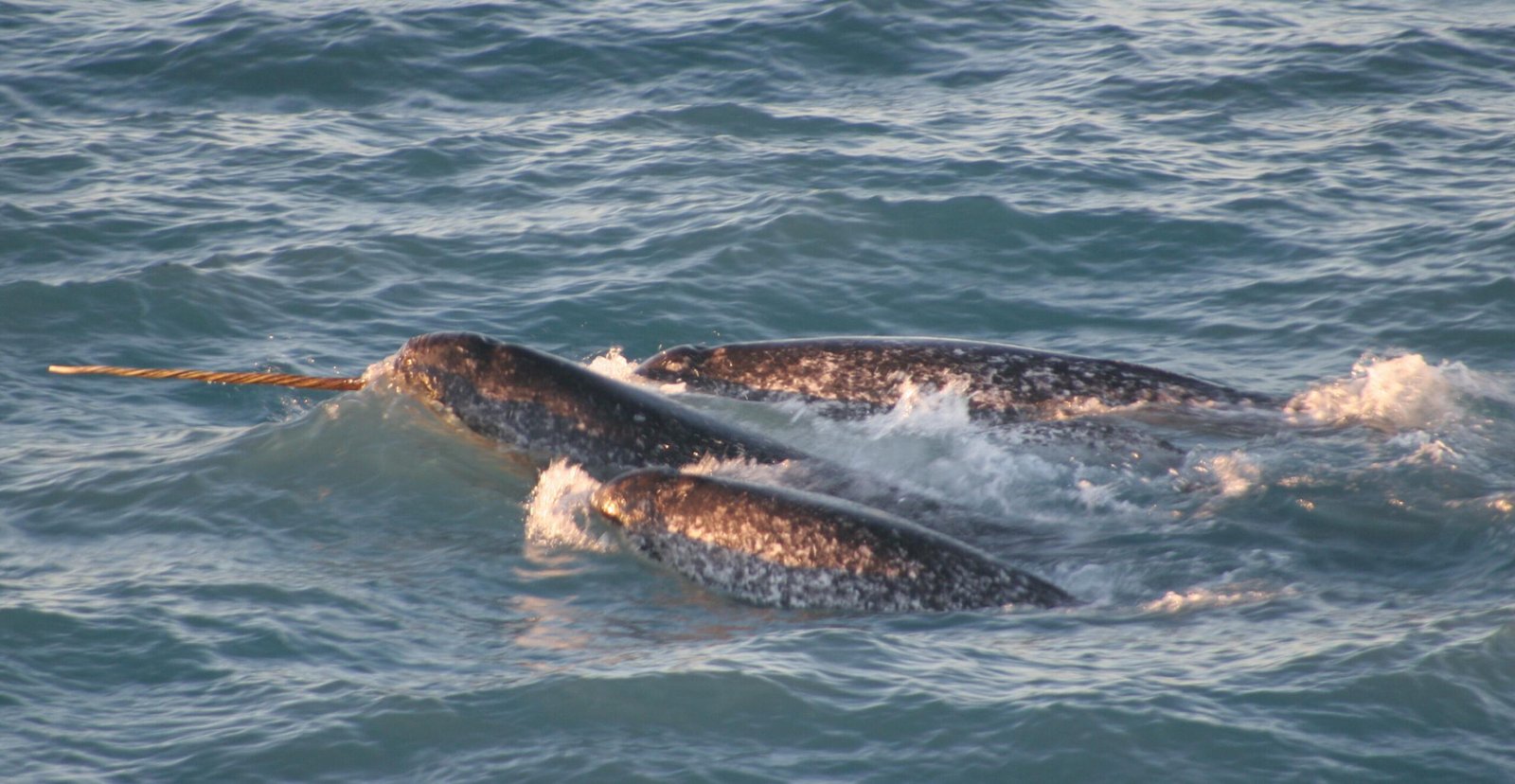
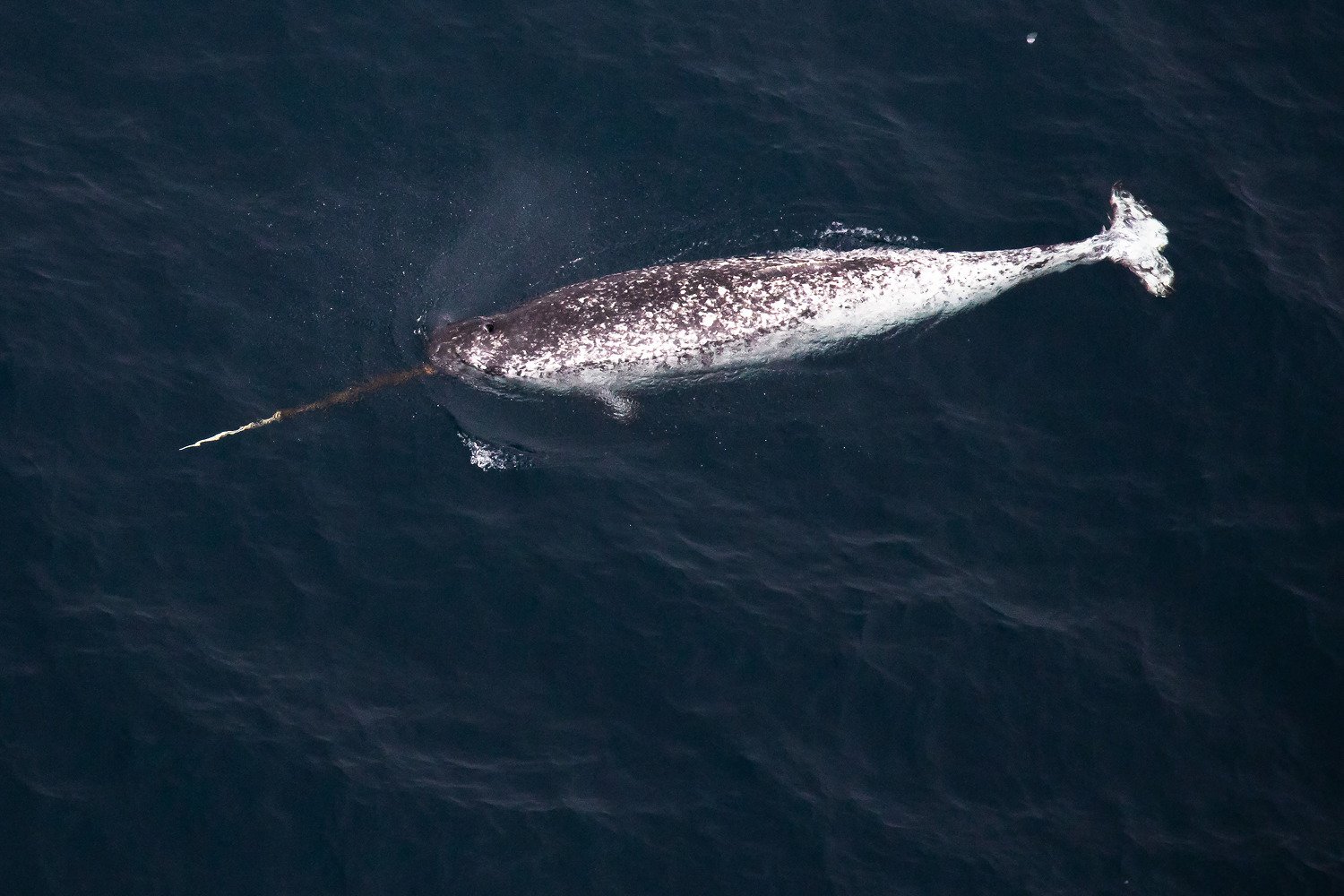
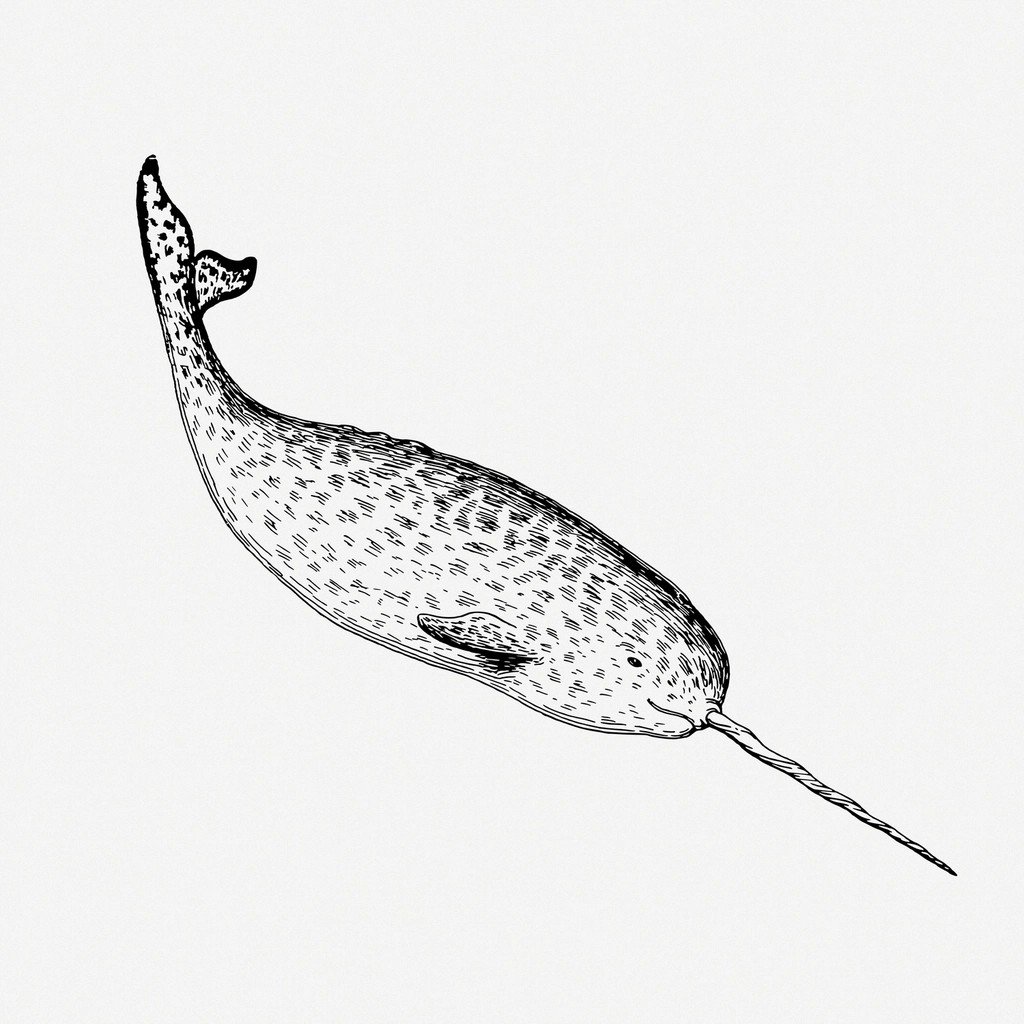
The narwhal’s tusk is not a horn at all, but an elongated canine tooth – most often the left – punching through the upper lip and growing in a sinistral spiral. Under a microscope it’s a marvel: millions of open dentinal tubules, a living pulp core, and nerves that connect to the brain, turning the tooth into a sensory organ. Laboratory and field tests show the tusk can detect changes in water chemistry, including shifts in salinity, hinting at roles in navigation, foraging, or social signaling. That sensory ability helps explain why such an expensive structure persists in an unforgiving habitat.
The tusk’s biology also debunks older, flashier theories that it was mainly a spear for shattering ice or skewering prey. Like a satellite dish fused to a jaw, it appears tuned to the narwhal’s world of pressure, temperature, and taste – data gathering in a place where light often fails.
How a Whale Became a Unicorn
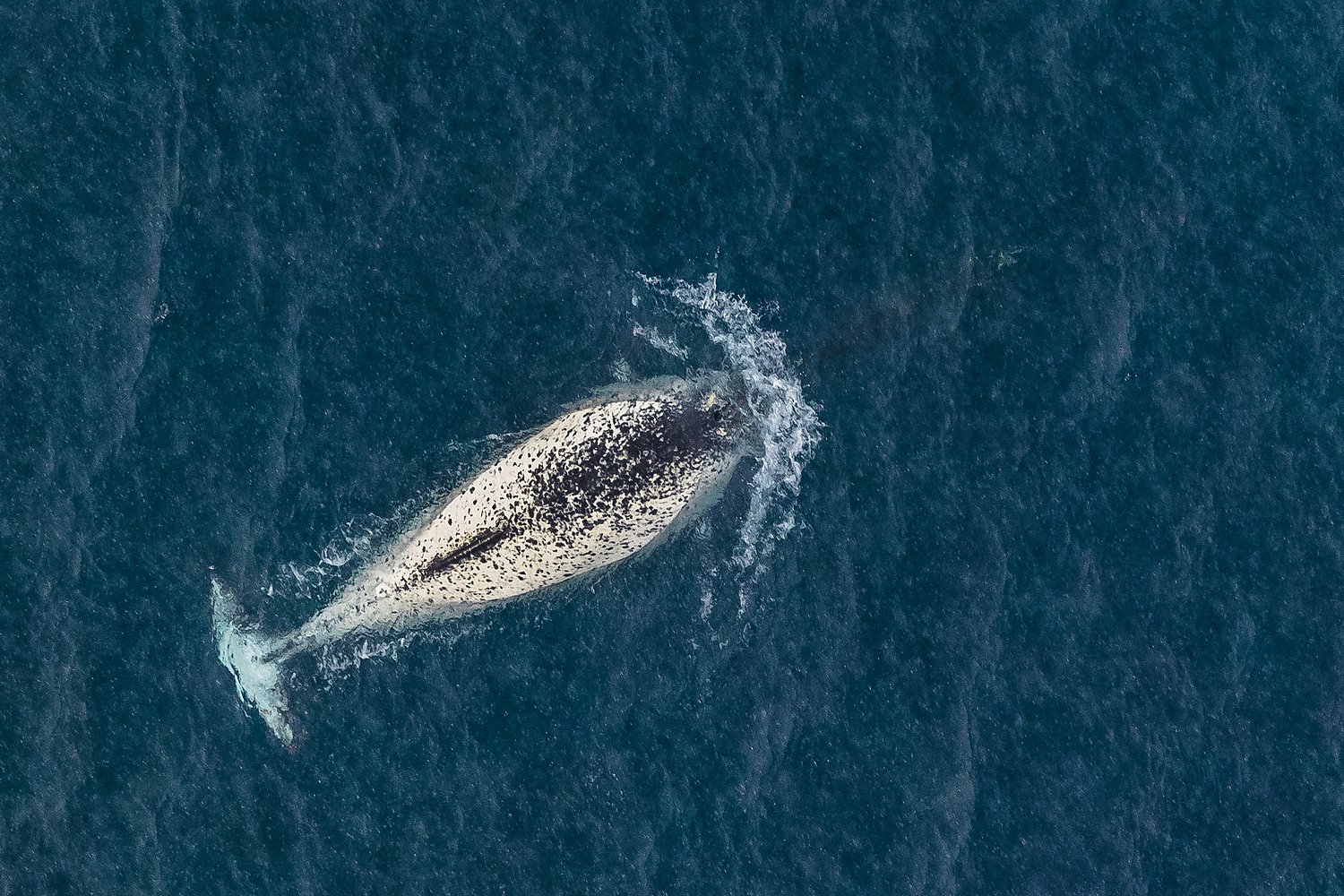
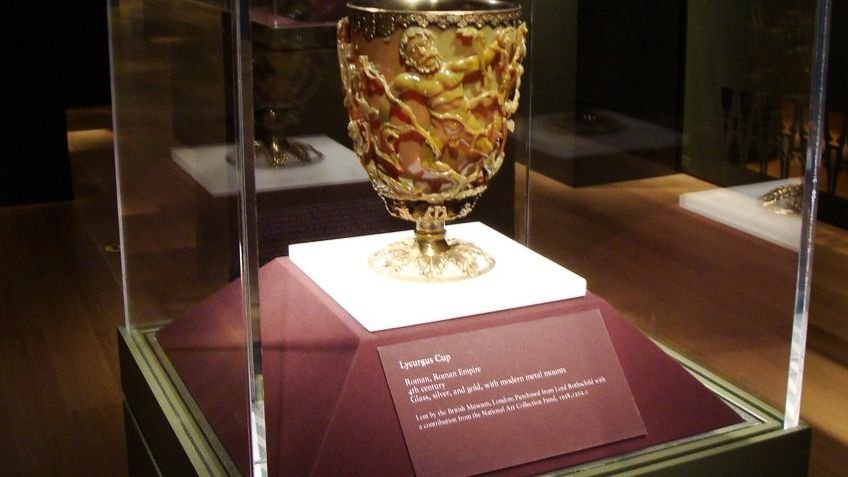
Medieval Europe loved a good relic, and a spiraled tusk fit the script: rare, luminous, and conveniently portable across sea lanes linking Greenland, Iceland, and the Hanseatic and North Sea networks. In abbeys from Utrecht to London, tusks were mounted as sacred wonders; in royal halls they anchored drinking vessels said to neutralize poison. Scandinavian merchants and seafarers fed that appetite, and long before zoology textbooks existed, trade dressed the whale in a horse’s skin.
By the seventeenth century, skeptics were catching up. Danish scholars publicly matched tusks to narwhal skulls, and the grip of the unicorn loosened. The myth did not vanish – far from it – but the supply chain behind it was finally visible, revealing how Arctic hunts and European longing braided into a single, lucrative story.
Signals Written in Ivory
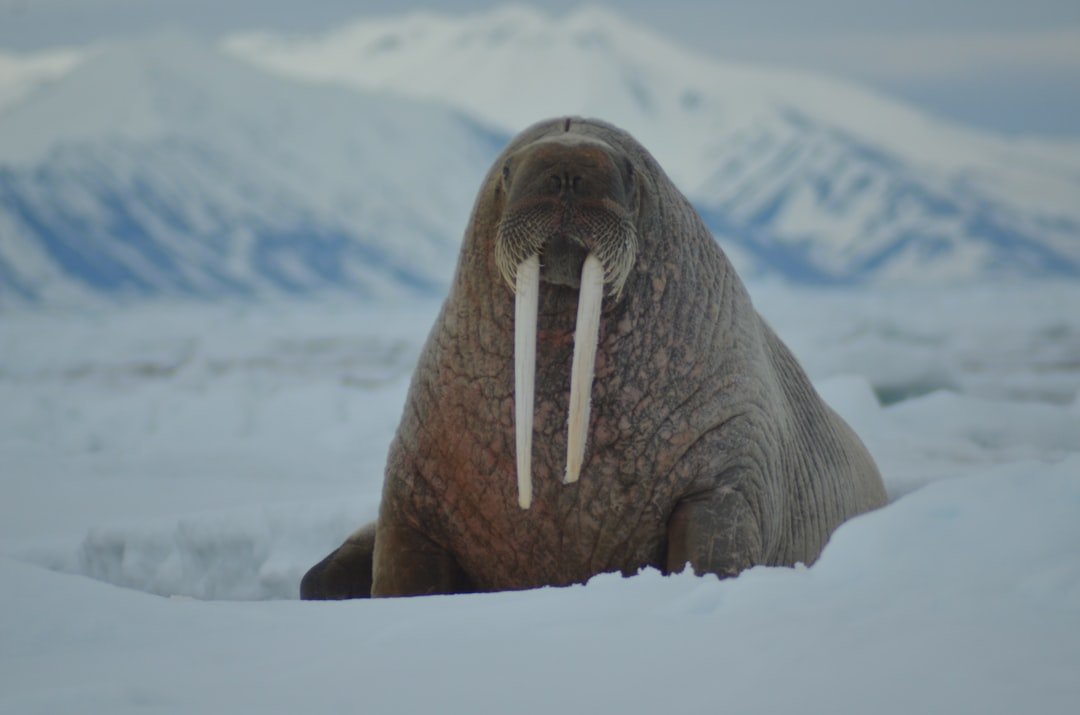
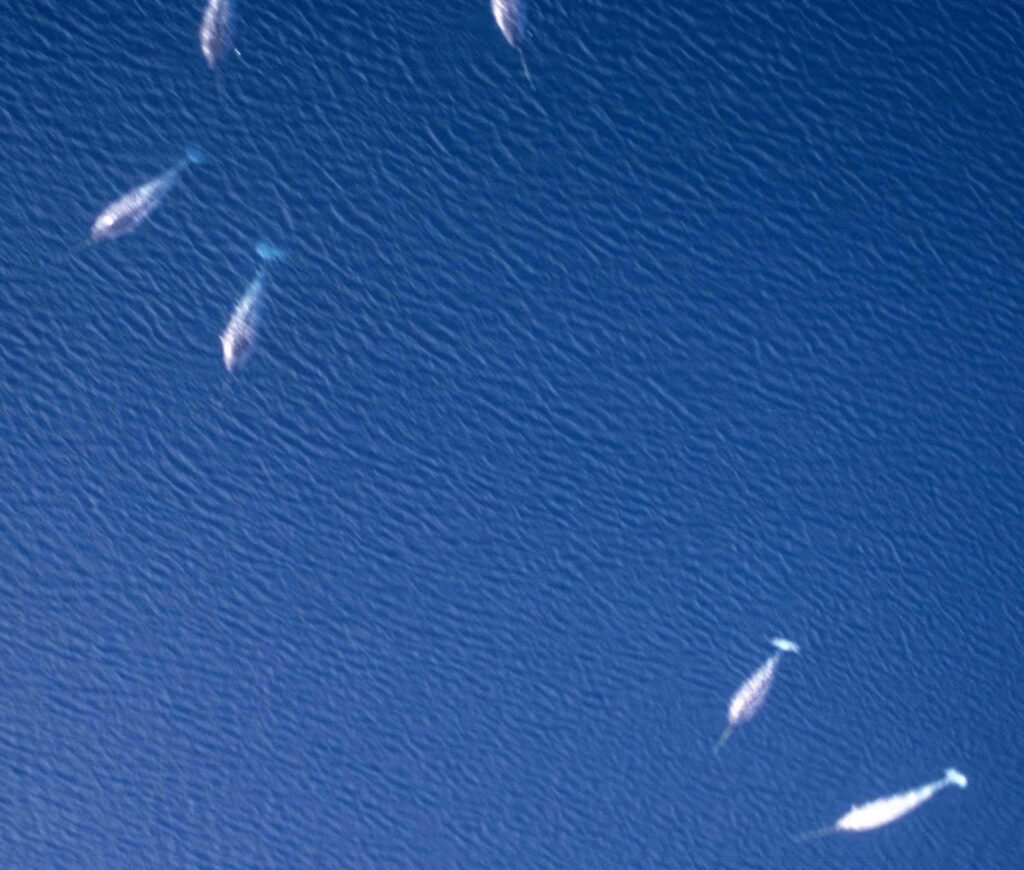
Males are the show-offs: tusks can reach lengths taller than many people, and their growth explodes at sexual maturity. Studies comparing tusk length with body size point toward sexual selection, where size and condition advertise quality to rivals and potential mates. Field observers have documented “tusking,” when males raise and cross tusks, a ritual that looks more like sizing up than open combat. New drone footage has added texture, showing tusks used in close social maneuvers and delicate interactions with fish, more probe than weapon.
Layer these findings on the sensory anatomy, and the picture shifts from single-purpose tool to multi-use signal – part antenna, part banner. The tusk is a biography in ivory: who’s strong, who’s attentive, who reads the sea best.
Global Perspectives
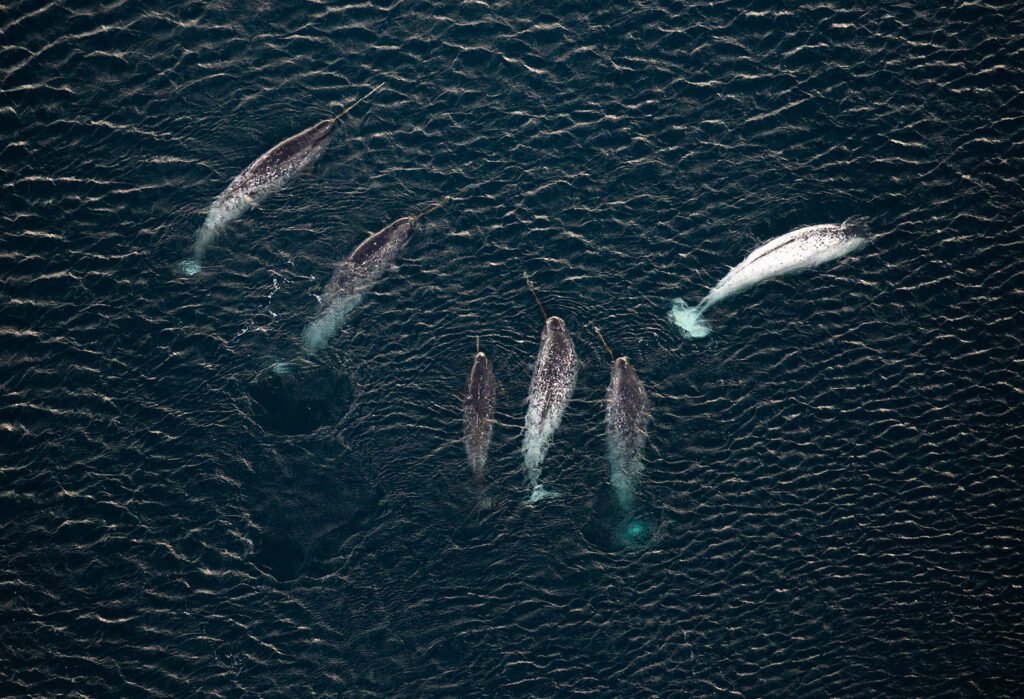
Global Perspectives (image credits: wikimedia)
Zooming out, the conservation map is nuanced. Canada’s latest national assessment (May 2024) estimates more than one hundred sixty thousand narwhals across major subpopulations and considers current Indigenous-managed hunts sustainable, while noting uncertainty and regional pressures. Globally, the species is listed under CITES Appendix II, which restricts international trade, and U.S. law has enforced a moratorium on importing marine mammal parts since 1972 except for narrow permits. Courts in the United States have repeatedly convicted smugglers who tried to move tusks across the border, underscoring that the old unicorn market now lives in the shadows.
At the same time, Inuit communities in Canada and Greenland continue lawful subsistence hunts that are culturally central and closely regulated. The world that turned tusks into courtly trophies is gone; in its place is a patchwork of treaties, quotas, and community knowledge trying to keep both whales and traditions alive.
Why It Matters
This is more than a quirky footnote of medieval taste; it’s a case study in how evidence can unravel a legend without erasing wonder. In the past, reverence for the horn fueled demand and distortion, masking the animal and the Arctic labor behind each spiraled tooth. Today, the same species sits at the crossroads of climate change, shipping noise, and indigenous food sovereignty, and decisions hinge on data, not starry-eyed tales. Compared with the myth-making economy, modern management uses aerial surveys, passive acoustics, and co-management boards to set quotas and protect migration corridors.
There’s a broader scientific dividend too: understanding a living tooth that senses the sea could inspire new bioengineered sensors and materials. When we get the story right, both conservation and creativity move forward.
The Ocean Tusk in a Warming Arctic
The Ocean Tusk in a Warming Arctic (image credits: wikimedia)
Sea ice is the narwhal’s seasonal architecture, and its renovation is underway. Earlier melt, later freeze, and more open water mean new routes for ships and predators like killer whales, along with shifting prey such as Greenland halibut. In some places where ship traffic surged, survey numbers dropped, likely reflecting whales moving away from noisy corridors rather than outright collapse. The risk is that small stresses can stack: louder winters, thinner ice refuges, and competitions in changing food webs.
Noise is especially insidious for deep-diving animals that live by sound and subtlety. A tusk that can sense the ocean’s chemical mood is stunning; an ocean that won’t quiet down long enough to be read is a problem.
From Ancient Tools to Modern Science (Field Edition)
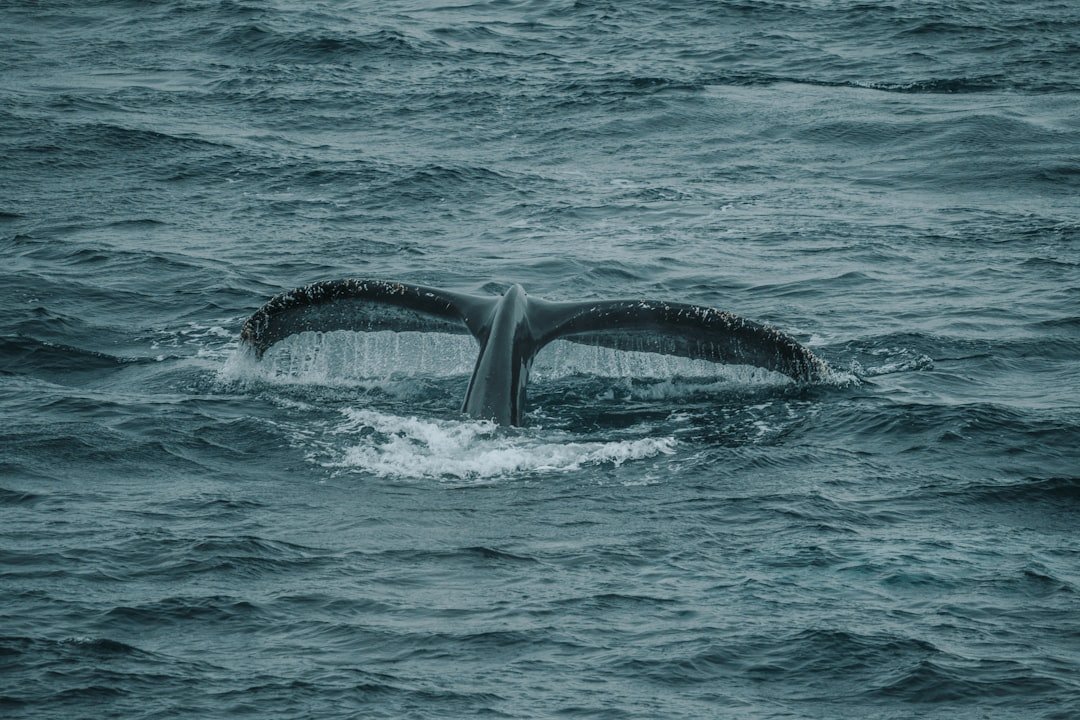
Technologies racing north are rewriting what we can observe without disturbing the whales. Lightweight drones can document social exchanges and tusk use at the surface, while satellite tags and time–depth recorders reveal dive schedules and winter refuges under the pack. Environmental DNA from seawater now maps presence and sometimes diet, and passive acoustic arrays listen through the polar night. Each tool fills a gap that once fueled speculation and myth.
The next test is governance: routing ships away from key wintering areas, enforcing seasonal slowdowns, and funding community-led monitoring so management decisions aren’t made from far away. Science can set the baseline; policy has to keep pace.
Conclusion

If the unicorn story captivated you, let the whale keep your attention. Support organizations that back Arctic community science and noise-reduction policies, and when you visit museums, ask curators how they frame narwhal tusks today – myth, context, and the living animal together. If you collect art, refuse ivory of any kind and learn the rules that keep illegal wildlife trade from slipping into markets. Teachers and parents can help by pairing medieval unicorn tales with modern narwhal research, showing kids how stories evolve with evidence.
Most of all, stay curious and skeptical in equal measure – the same posture that toppled a myth can help protect the creature that birthed it.
Suhail Ahmed is a passionate digital professional and nature enthusiast with over 8 years of experience in content strategy, SEO, web development, and digital operations. Alongside his freelance journey, Suhail actively contributes to nature and wildlife platforms like Discover Wildlife, where he channels his curiosity for the planet into engaging, educational storytelling.
With a strong background in managing digital ecosystems — from ecommerce stores and WordPress websites to social media and automation — Suhail merges technical precision with creative insight. His content reflects a rare balance: SEO-friendly yet deeply human, data-informed yet emotionally resonant.
Driven by a love for discovery and storytelling, Suhail believes in using digital platforms to amplify causes that matter — especially those protecting Earth’s biodiversity and inspiring sustainable living. Whether he’s managing online projects or crafting wildlife content, his goal remains the same: to inform, inspire, and leave a positive digital footprint.