In a world where technology advances at an unprecedented rate, the convergence of nanobots and artificial intelligence (AI) is revolutionizing medicine. Imagine a future where diseases that have historically plagued humanity are no longer a threat. This vision is rapidly becoming a reality thanks to breakthroughs in nanotechnology and AI, which are promising to redefine disease prevention, diagnosis, and treatment. This article will explore how these cutting-edge technologies are paving the way for a healthier world and what this means for the future of medicine.
The Promise of Nanotechnology in Medicine

Nanotechnology operates at the molecular level, dealing with structures that are between 1 and 100 nanometers in size. To put this in perspective, a single nanometer is one-billionth of a meter. This small scale allows scientists to design and manipulate materials in novel ways, offering unprecedented precision in medical applications. Nanotechnology holds the promise of delivering drugs directly to diseased cells, improving the efficacy of treatments while reducing side effects.
Understanding Nanobots: Tiny Warriors Against Disease

Nanobots are microscopic robots built to perform specific tasks at the cellular level. These tiny machines could one day cruise through the human body to identify and eradicate pathogens or repair damaged tissues. Already, experimental nanobots are being developed for tasks such as targeting cancer cells without harming healthy ones, leading to more effective and less invasive cancer treatments.
Artificial Intelligence: The Brain Behind Tomorrow’s Medicine

AI is reshaping medicine by processing vast amounts of data to identify patterns and make predictions. Machine learning algorithms, a subset of AI, are being employed to analyze medical images, diagnose diseases with high accuracy, and even suggest treatment plans. AI’s ability to learn and adapt makes it an indispensable tool in crafting personalized medicine, which could significantly enhance patient outcomes.
AI-Powered Diagnostics: Faster and More Accurate

Traditionally, diagnosing diseases such as cancer required time-consuming lab tests and expert analysis. AI is changing this by rapidly analyzing medical images with an accuracy that matches or surpasses human experts. This technology allows for quicker diagnoses, which is crucial in conditions where time is of the essence, enabling medical professionals to act promptly and improve patient prognoses.
Personalized Medicine: Treatment Tailored to You

Gone are the days of one-size-fits-all treatment strategies. AI and nanotechnology are ushering in an era of personalized medicine, where treatments are custom-designed to fit an individual’s genetic makeup and medical history. This precision approach leads to more effective treatments with fewer adverse effects, as therapies are tailored specifically to the patient’s needs.
Advancements in Drug Delivery Systems

Nanotechnology has transformed the way drugs are delivered within the body. Traditional methods often lack precision, leading to unnecessary side effects. Nanoparticles can be engineered to deliver drugs directly to target cells, increasing the concentration of the active substance at the disease site while minimizing exposure to healthy tissues. This targeted approach enhances the efficacy of treatments while reducing the potential for harmful side effects.
The Role of AI in Drug Development

The drug development process is notoriously long and costly. AI has the potential to streamline this process by analyzing data from past research and clinical trials to predict how new drugs will behave. By identifying promising drug candidates and optimizing clinical trial designs, AI can significantly reduce the time and cost it takes for new medicines to reach the market, making treatments available to patients sooner.
Combating Antibiotic Resistance

Antibiotic resistance poses a growing threat to global health, but AI may hold the key to combating this issue. By analyzing genetic data, AI can identify patterns that suggest resistance mechanisms in bacteria, enabling researchers to develop new antibiotics or therapies to circumvent these defenses. This proactive approach is critical in staying one step ahead of evolving bacterial threats.
Revolutionizing Surgery with Precision Nanobots
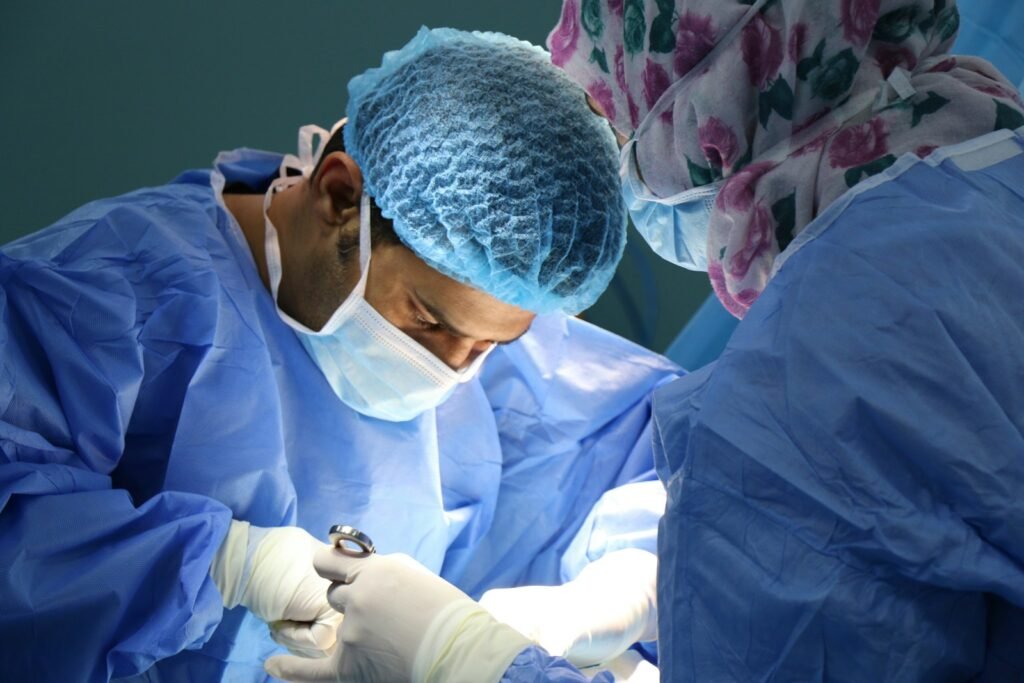
Nanobots are not only promising in diagnostics and treatment but also hold potential in surgical applications. These tiny machines could perform minimally invasive surgeries with a level of precision that far exceeds human capabilities. By reducing the impact on healthy tissues and minimizing recovery times, nanobot-assisted surgeries could dramatically improve patient outcomes and open new possibilities in the operating room.
Ethical Considerations and Challenges

As with any revolutionary technology, the use of nanobots and AI in medicine raises ethical concerns. Questions about data privacy, the cost of new treatments, and the potential for AI errors must be addressed. Furthermore, ensuring equitable access to these advanced treatments is essential to prevent widening the gap between different socioeconomic groups. Navigating these challenges will require careful consideration and policy planning to maximize the benefits of these technologies for all.
The Road Ahead: Preparing for a Medical Revolution

The integration of nanobots and AI into mainstream medicine is still in its early stages, but the pace of advancement suggests that a future where diseases are managed with unprecedented efficacy is on the horizon. Continued research and investment in these technologies are essential to realize their full potential, and collaboration between scientists, healthcare providers, and policymakers will play a crucial role in shaping this new era of medicine.
Conclusion: Embracing the Future of Health Care

The combination of nanobots and AI represents a significant leap forward in our ability to combat disease and improve human health. As these technologies continue to develop, they promise to not only end some of the most pervasive diseases but also redefine the way we think about health and wellness. By embracing these innovations, we are taking confident steps towards a future where once-devastating diseases may become relics of the past, leading to longer, healthier lives for all.