
Imagine walking down a familiar street when, without warning, the ground beneath you vanishes, leaving a gaping void. This isn’t a scene from a science fiction movie; it’s a real phenomenon known as a sinkhole. These sudden earth collapses have swallowed homes, vehicles, and even entire city blocks, leaving communities in shock and scientists searching for answers.
The Science Behind Sinkholes

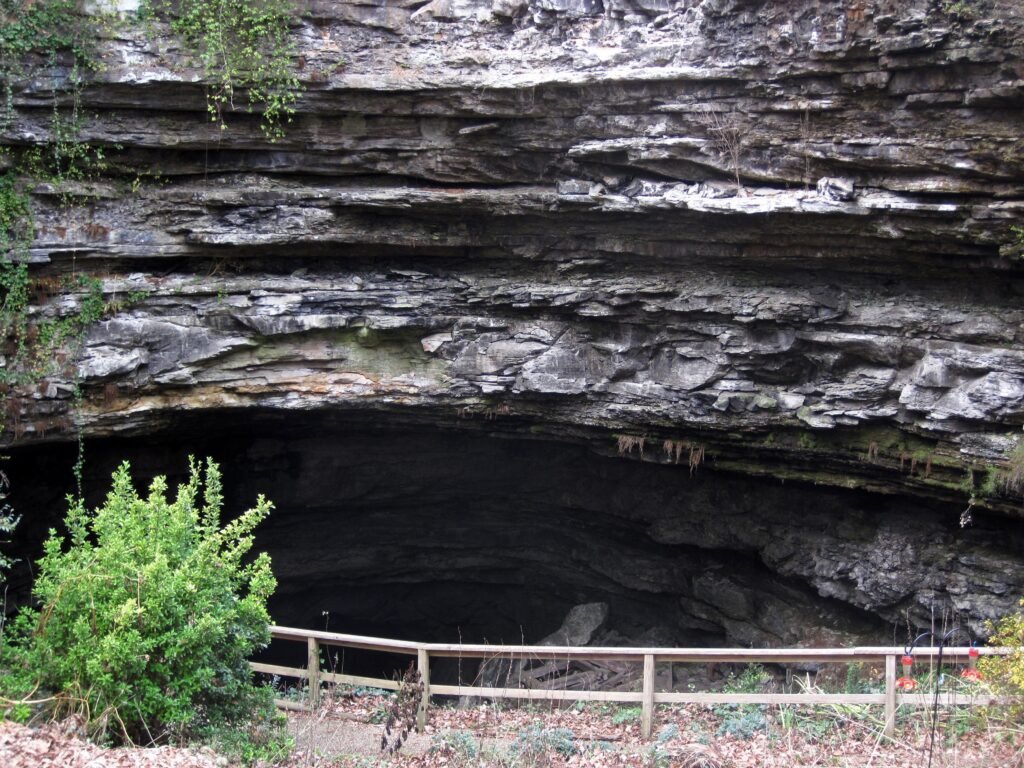
Sinkholes occur when the ground beneath the surface can no longer support the weight above it, leading to a sudden collapse. This often happens in areas where the bedrock is composed of soluble rocks like limestone, gypsum, or salt beds. Over time, groundwater dissolves these rocks, creating underground voids. When the land above these voids becomes too heavy or loses support, it collapses into the cavity below. This process can be gradual, but in many cases, the collapse is sudden and without warning.
Natural vs. Human-Induced Sinkholes

While many sinkholes form naturally due to geological processes, human activities can also trigger them. Excessive groundwater extraction, mining, and construction can destabilize the ground, leading to collapses. For instance, in areas where water is heavily pumped from underground aquifers, the reduction in water pressure can cause the ground to sink. Similarly, drilling and excavation can remove the support structures within the earth, making it more susceptible to sudden collapses. Understanding the balance between natural processes and human activities is crucial in mitigating the risks associated with sinkholes.
Notable Sinkhole Incidents Worldwide

Throughout history, several significant sinkhole events have captured global attention. In 2010, a massive sinkhole in Guatemala City swallowed a three-story building, resulting in fatalities and highlighting the city’s vulnerability due to its underlying volcanic deposits. In 2012, the Bayou Corne sinkhole in Louisiana emerged, leading to the evacuation of an entire community. These incidents underscore the unpredictable nature of sinkholes and the importance of understanding their causes.
The Role of Climate and Weather

Extreme weather events can exacerbate the formation of sinkholes. Heavy rainfall can saturate the ground, adding weight and pressure that can trigger collapses. Conversely, drought conditions can lower groundwater levels, reducing the support for underground cavities and leading to sinkholes. For example, in Florida, a state prone to sinkholes, periods of heavy rain followed by drought have been linked to an increase in sinkhole occurrences. Monitoring weather patterns and understanding their impact on the ground is essential for predicting and preventing sinkhole formation.
Urbanization and Infrastructure Challenges
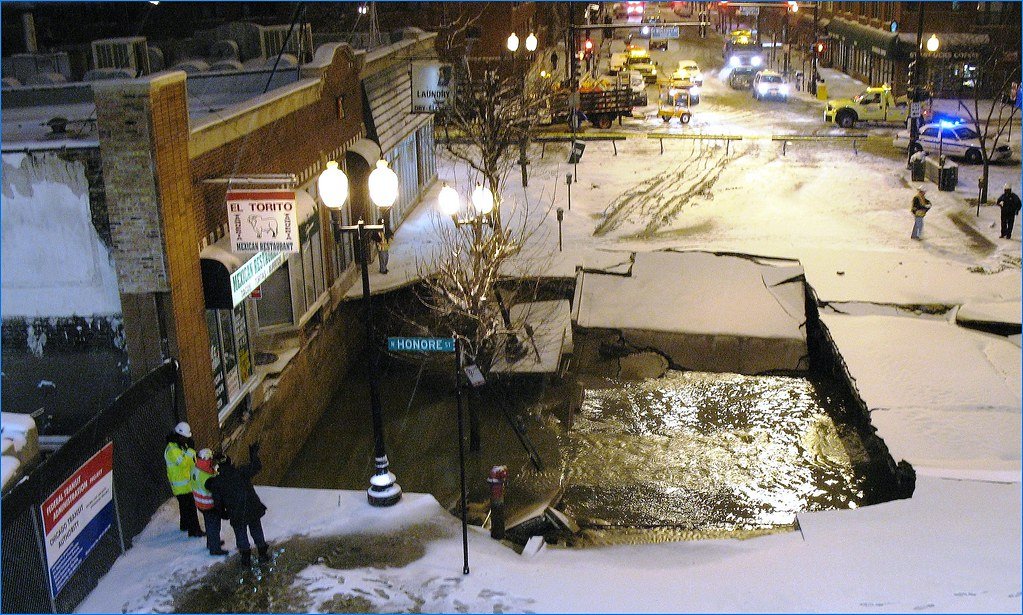
Rapid urbanization poses significant challenges in sinkhole-prone areas. The weight of buildings, roads, and other infrastructure can stress the ground, especially if it’s already compromised by natural processes. Additionally, aging sewer systems and water pipes can leak, eroding the soil and leading to collapses. Cities like Kuala Lumpur have experienced sinkholes due to such infrastructure issues. Ensuring that urban planning considers geological factors and maintaining infrastructure are vital steps in mitigating sinkhole risks.
Detection and Monitoring Techniques

Advancements in technology have improved our ability to detect and monitor potential sinkhole sites. Ground-penetrating radar, seismic surveys, and satellite imagery can identify underground voids and assess the stability of the ground. Regular monitoring allows for early detection of changes that might indicate an impending collapse. For instance, in areas with a history of mining, continuous monitoring can help identify regions at risk and implement preventive measures. Investing in such technologies is crucial for protecting communities from unexpected sinkhole events.
Preventive Measures and Mitigation Strategies

Preventing sinkholes involves a combination of geological assessments, responsible land use, and infrastructure maintenance. Before construction, thorough geological surveys can identify potential risks. Implementing proper drainage systems ensures that water doesn’t accumulate and erode the ground. In areas with known risks, regulations can limit certain activities like excessive groundwater extraction. Public education about the signs of sinkhole formation, such as cracks in the ground or sudden depressions, can also help in early detection and prevention.
The Impact on Communities

Beyond the immediate physical damage, sinkholes can have profound effects on communities. The sudden loss of homes and infrastructure can lead to displacement and economic hardships. Psychologically, the fear of the ground collapsing without warning can cause anxiety and stress among residents. In some cases, entire communities have had to relocate, as seen in the Bayou Corne incident. Addressing the aftermath of sinkholes requires not only rebuilding structures but also providing support to affected individuals and communities.
Sinkholes and the Environment

Sinkholes can also impact the environment. They can disrupt natural water systems, leading to contamination of groundwater. In some cases, they can create new habitats, such as ponds or lakes, which can benefit certain wildlife. However, the sudden change in the landscape can also disrupt existing ecosystems. Understanding the environmental implications of sinkholes is essential for developing comprehensive response strategies.
Human Activity: Accelerating Nature’s Timetable

Human activities can accelerate collapses of karst sinkholes, causing collapse within a few years that would normally evolve over thousands of years under natural conditions. We’re essentially fast-forwarding geological processes that were meant to take millennia. Although a natural process, the formation of sinkholes is often accelerated or triggered by human influences, such as broken drains, water mains and sewerage pipes, or modified drainage and diverted surface water; these wash sediment into the underlying materials, causing subsidence. New sinkholes have been correlated to land-use practices, especially from groundwater pumping and from construction and development practices. Construction projects, mining operations, and even something as simple as a leaking water pipe can trigger a collapse that might have otherwise stayed stable for centuries. Mining destabilizes the ground by lowering the water table and removing supportive materials, creating voids that can collapse. Blasting and excavation further disturb soil layers. Poor backfilling or abandoning mines without proper sealing often leads to the formation of sinkholes being delayed. We’re unwittingly creating time bombs beneath our own communities.
Warning Signs: The Earth’s Desperate Whispers
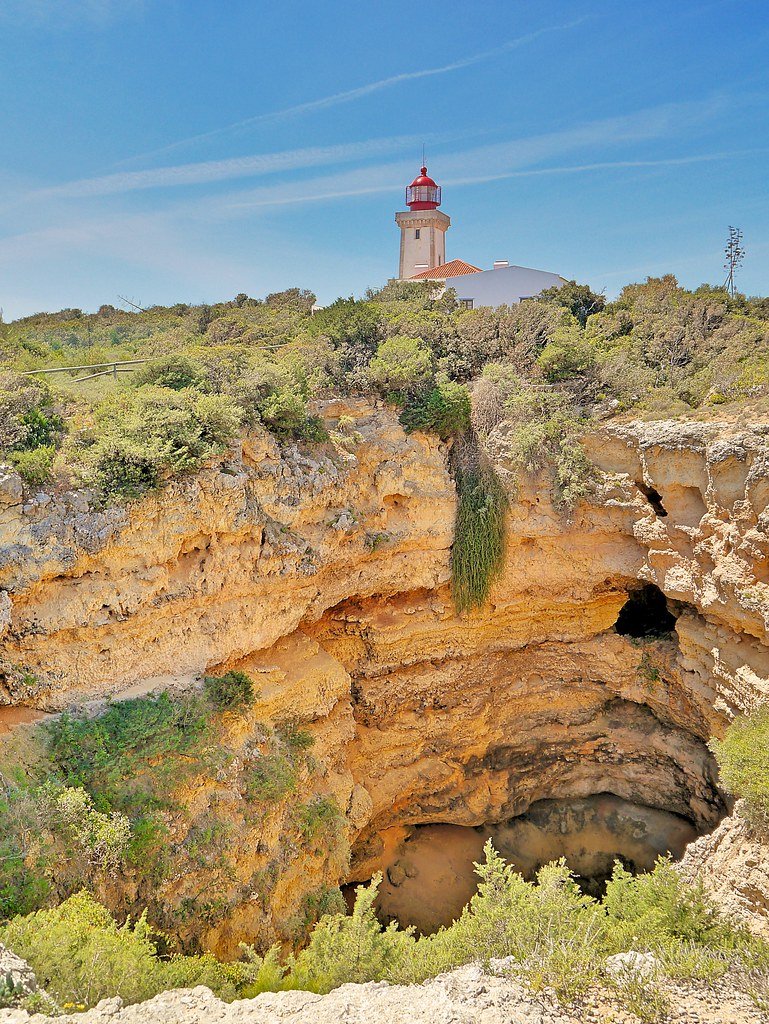
There are often warning signs before a sinkhole collapse, however. The ground may slump noticeably, causing fence poles or trees to lean. Subsiding soil might also expose buried surfaces of trees or foundations, according to the Suwannee River Water Management District in Florida. Your property might be trying to warn you right now, and you might not even realize it. A structure threatened by a sinkhole may show small cracks, and doors and windows may stick or refuse to shut as the structure subtly settles. Circular patches of wilting vegetation or water gathering in small ponds where it never gathered before can also hint that the ground is failing. An important warning sign is a “chimney hole” or “chimney sinkhole.” These are deep vertical holes of varying sizes with steep sides. Florida officials recommend fencing off chimney holes and reporting them to the county. These signs are nature’s way of screaming that something is terribly wrong beneath your feet, but most people dismiss them as minor settling or normal wear and tear.
The Dragon Hole: Ocean’s Deepest Throat

The Dragon Hole — also known as the Yongle Blue Hole or the “eye” of the sea — is a 984-foot-deep (300 m) blue hole near the Paracel Islands in the South China Sea. It was discovered in 2016 and is the deepest known blue hole in the world. Blue holes are large, undersea vertical caves or sinkholes found in coastal regions. They often contain a variety of marine life, ranging from corals to sharks. Imagine diving into what looks like a beautiful blue lagoon, only to discover it’s actually a throat leading straight down into the abyss. These underwater sinkholes are like vertical underwater canyons that can swallow entire ships, and many of them are so deep that their bottoms have never been explored. The Dragon Hole gets its name from local legends that describe it as the lair of an ancient sea dragon, and when you see its perfectly circular opening in the bright blue ocean, it’s easy to understand why.
Louisiana’s Toxic Time Bomb

An enormous sinkhole in Louisiana in 2012, the Bayou Corne Sinkhole, created an environmental catastrophe by opening up a natural underground oil reservoir. The pit released not only oil, but also methane and hydrogen sulfide to the surface. About 350 people had to evacuate to escape the toxic gases. That sinkhole was caused by an underground mine collapse. The Bayou Corne sinkhole in Louisiana was discovered in 2012 after months of unexplained seismic activity in the area. It formed as a result of a collapsed underground salt dome cavern that was connected to a nearby industrial well, and led to the evacuation of the town of Bayou Corne. As of 2014, it was at least 750 feet (229 meters) deep. This wasn’t just a hole in the ground – it became a portal to environmental hell, spewing toxic gases and contaminating the surrounding area. The entire community was forced to abandon their homes permanently, creating a modern-day ghost town. The sinkhole continues to bubble and emit gases today, a constant reminder of how sinkholes can unleash forces far beyond simple ground collapse.
Italy’s Sudden Road Catastrophe
A large sinkhole opened up on State Road 280 near Lamezia Terme in Calabria, Italy during a severe weather outbreak on October 21, 2024, causing traffic disruption and completely swallowing a car. This recent incident shows that sinkholes continue to be an ongoing threat worldwide, striking without warning even in developed areas with modern infrastructure. The car that was swallowed disappeared completely, leaving only a gaping hole where a busy road used to be. Two people were rescued after a large sinkhole swallowed two cars in the Los Angeles neighborhood of Chatsworth as an unrelenting winter storm caused havoc in Southern California. These road sinkholes are particularly terrifying because they can open up while vehicles are traveling at high speeds, giving drivers absolutely no time to react or escape.
Malaysia’s Urban Nightmare

On August 23, 2024, a tragic event unfolded in Kuala Lumpur, Malaysia, when an 8-metre-deep sinkhole opened up on Jalan Sultan Ismail, one of the city’s busiest roads. The massive cavity swallowed part of the street, damaging nearby infrastructure and triggering panic among motorists and pedestrians. Emergency crews responded swiftly, cordoning off the area and conducting rescue operations to ensure no one was trapped beneath the rubble. Preliminary investigations suggested that the sinkhole was caused by a burst underground pipe, which had slowly eroded the soil beneath the asphalt. The incident reignited public concern over aging infrastructure and the urgent need for regular maintenance and geological assessments in rapidly urbanizing areas.
Future Research and Challenges

While significant progress has been made in understanding sinkholes, challenges remain. Predicting when and where a sinkhole will occur is still difficult. Ongoing research aims to improve detection methods and understand the complex interactions between geological processes and human activities. Collaborative efforts between geologists, engineers, urban planners, and policymakers are essential in addressing the challenges posed by sinkholes.
Sinkholes serve as a stark reminder of the dynamic nature of our planet. While they can be devastating, understanding their causes and implementing preventive measures can help mitigate their impact. As we continue to develop and expand our communities, it’s crucial to respect and understand the ground beneath our feet.