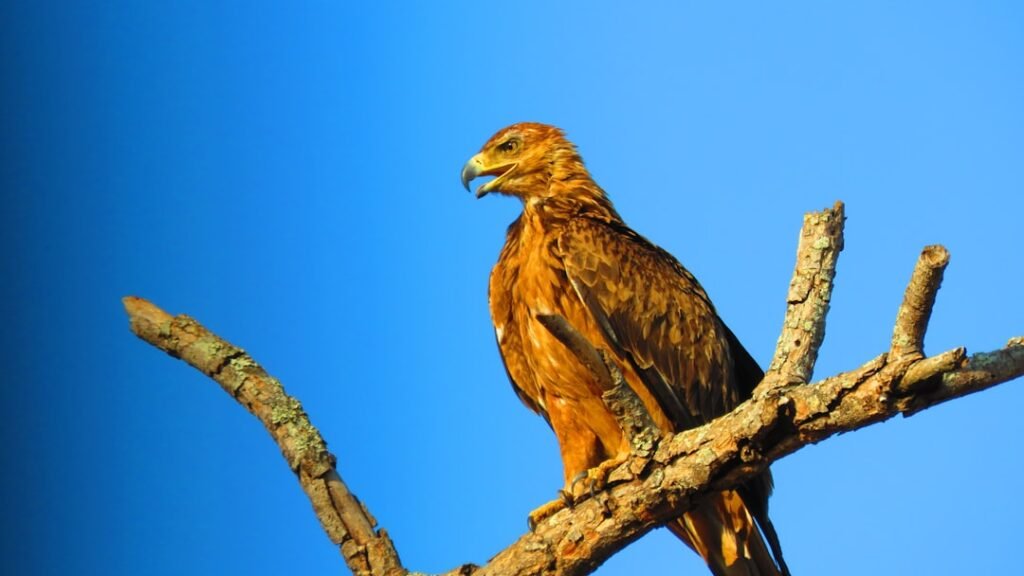

Something remarkable is happening high above Montana’s vast landscapes. After years of concerning population declines, the state’s beginning to show signs of recovery through innovative conservation efforts and improved protection strategies.
The journey has been far from simple. These majestic birds, once thriving across the American West, faced mounting challenges that pushed their populations to worrying lows by the mid-1990s. Today, however, a combination of scientific research, policy changes, and dedicated conservation work is creating new hope for these apex predators.
The Crisis That Sparked Action

Long-term surveys of migrating Golden Eagles on the Rocky Mountain Front have documented significant declines since the mid-1990s. This alarming trend prompted researchers and conservationists to take a closer look at what was happening to North America’s largest aerial predator.
Research suggests these declines are due to decreased reproduction, loss of habitat, rapidly expanding energy development and an increase in human-caused winter mortality (e.g. vehicle collisions, electrocution, lead poisoning, shooting, trapping etc.). The situation became particularly concerning when scientists realized that Golden Eagles are long-lived and produce relatively few young over the course of their lifetimes. The loss of even a small number of breeding adults can have a long-lasting negative impact on that population.
Understanding the Magnitude of Research
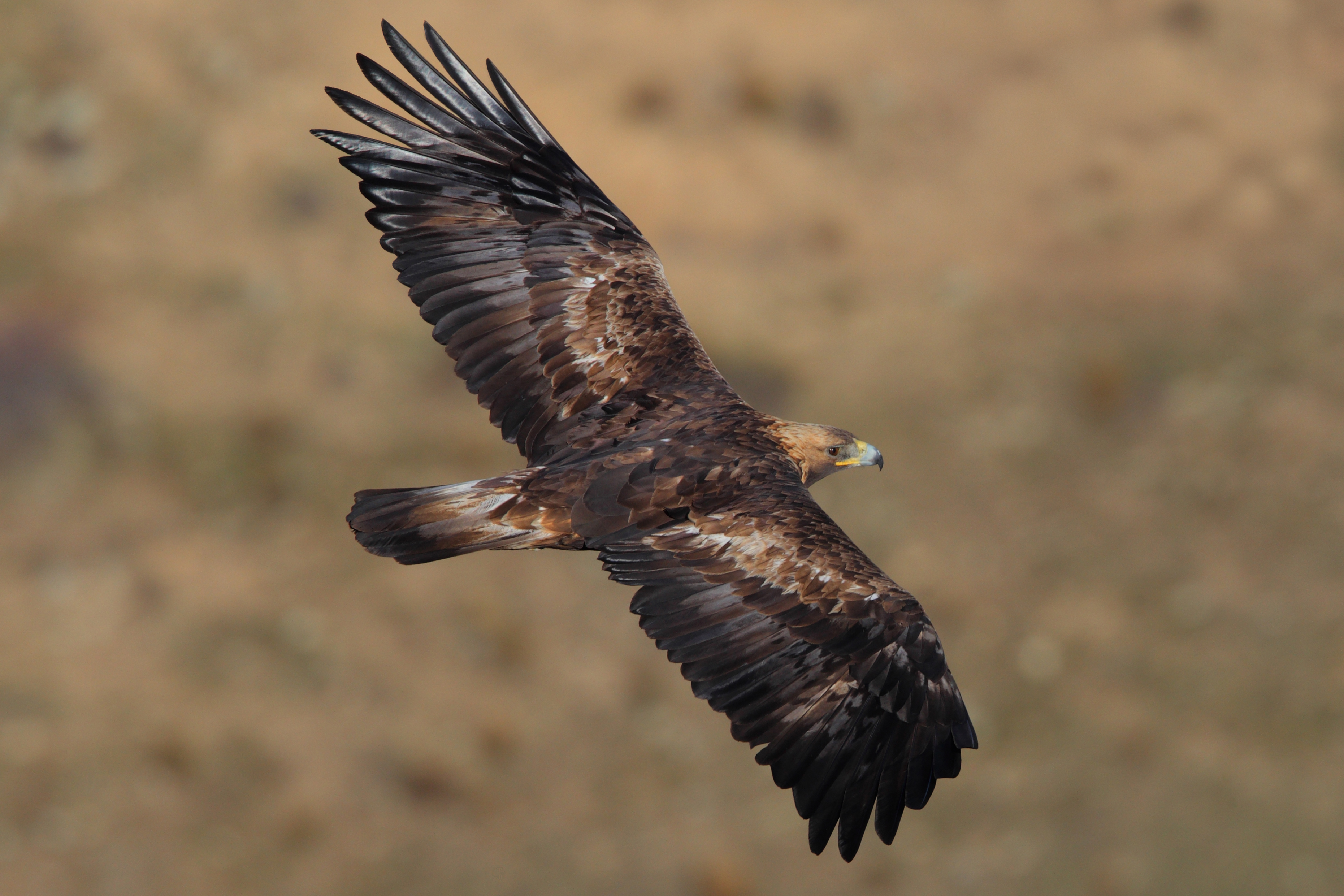
The Raptor View Research Institute in Missoula has launched one of the world’s most ambitious golden eagle tracking programs. We have been tracking adult Golden Eagles for more than 15 years and have deployed GPS transmitters on well over 100 eagles to model current habitat use at the landscape level and understand the relationships between human activities and eagle behavior. This represents one of the largest tracking studies for this species in the world.
This groundbreaking research has yielded impressive results. Data from this project has been published in numerous scientific journals and has helped guide land managers in conservation efforts across the West. The comprehensive approach includes blood sampling, measurements, and long-term monitoring that provides crucial data for conservation planning.
The Wind Turbine Challenge and Innovation

Wind energy development has presented one of the most significant modern challenges to golden eagle populations. Annual median [80 % credible interval] golden eagle mortalities predicted from the CRM more than doubled from 110 [28–374] in 2013 to 270 [72–877] in 2024, although estimates had high uncertainty. Anthropogenic mortality is the primary cause of death in adult golden eagles and recent trends indicate their population may be declining.
However, innovative solutions are emerging. The settlement reached as a result of that lawsuit requires the company that operates many of the older, smaller turbines to replace them with fewer, taller, more efficient turbines and to install a new bird detection system, IdentiFlight, to stop the turbines when a golden eagle flies close. This technology represents a significant breakthrough in protecting eagles while maintaining renewable energy production.
Montana’s Wind Energy Landscape Evolution
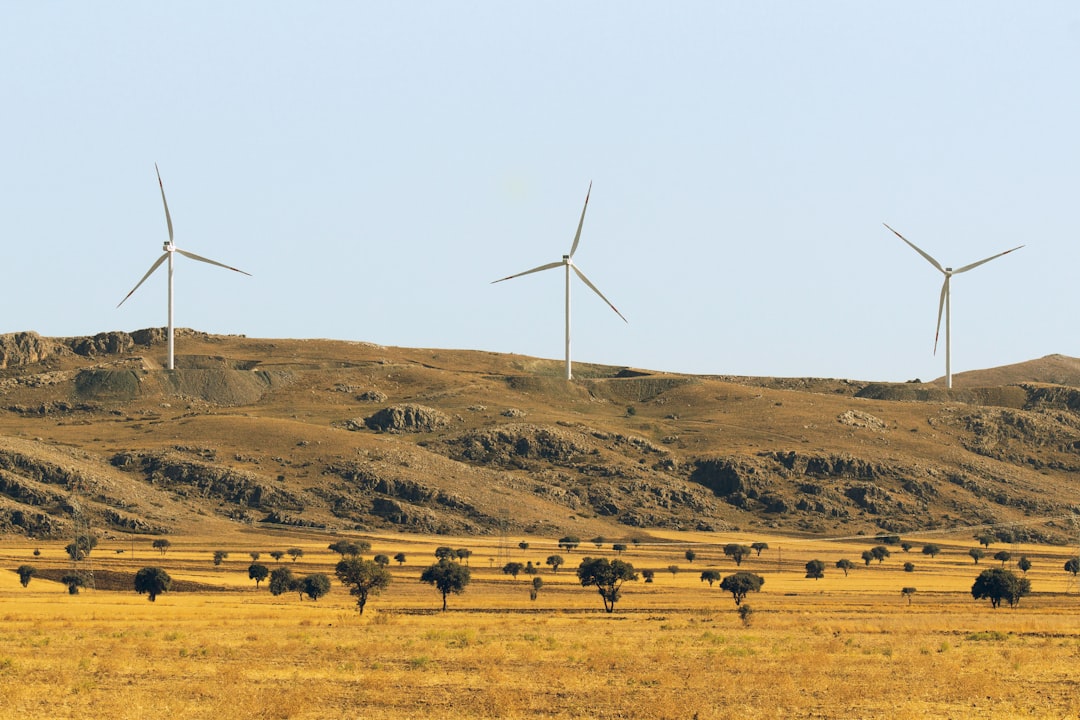
Montana’s renewable energy sector has grown dramatically over recent decades. It was the largest wind facility in Montana until the 311-MW Clearwater Wind Energy Center began operating in 2024. The four-phase project began in 2013 and spans Custer, Garfield, and Rosebud Counties. This expansion has required careful consideration of wildlife impacts.
We strongly support renewable energy development in Montana and are on the forefront of making sure it is done properly. Certain types of renewable energy projects can be developed appropriately in some locations. Renewable energy plays an important role in reducing the carbon emissions that fuels global warming, but projects must be developed responsibly.
The Lead Poisoning Crisis and Solutions

One of the most alarming discoveries in recent eagle research involves lead poisoning. We have analyzed blood from over 500 Golden Eagles and 80 Bald Eagles, and to date, ~45% of the eagles we’ve captured during fall migration and a staggering ~ 90% of eagles sampled during winter have shown elevated blood-lead levels.
Overwhelming evidence suggests that lead poisoning persists however from lead bullet fragments remaining in the gut piles left in the field during hunting season. Golden and Bald Eagles are opportunistic feeders and scavenge remains from hunters, exposing them to this deadly ecotoxin.
Conservation organizations have responded with innovative programs. Minimizing the number of eagle deaths caused by any one source is essential to maintain the eagle populations in Montana · Hunters can reduce the occurrence of lead poisoning in eagles by using lead-free ammunition. For this effort, we are offering eligible hunters in Montana one $40 voucher to offset the cost of one box of factory lead-free ammunition or one box of bullets for reloading used in common rifle calibers for big game hunting.
Habitat Protection and Management

Montana Population Status (according to Montana Field Guide): currently listed as Species of Concern This designation has prompted increased attention to habitat protection across the state. However, proper siting of wind turbines and infrastructure is important to avoid damaging habitat and wildlife resources. Montana Audubon works to ensure that wind energy producers do not locate their facilities in critical habitat for birds or other wildlife.
The birds themselves show remarkable adaptability to Montana’s diverse landscapes. Making their home in Montana year-round, and more common to spot than bald eagles, golden eagles can range in length from 28 to 33 inches, with a wingspan of 6.5 to 7.5 feet. Very large raptors with mostly brown coloring and horn-colored bills, golden eagles nest on cliffs and in large trees, hunting in prairies and open woodlands.
Improved Monitoring and Detection Systems

Modern conservation efforts rely heavily on advanced monitoring systems. If successful, IdentiFlight will stop nearby turbines when a golden eagle, adult or juvenile, flies toward a wind turbine, protecting the birds from death “We did not have this new technology 20 years ago when we were examining wind development and bird strikes in the Altamont area,” said Ed Vine, retired Program Manager for the California Institute for Energy and Environment (CIEE), who was involved in reviewing the scientific research work for the California Energy Commission at Altamont Pass.
Current research on golden eagles in Glacier is aimed at obtaining accurate population counts to determine if their numbers are increasing, decreasing, or remaining stable. Scientists conduct surveys in annual bird counts as well as by aerial surveys from aircraft. Recently, the park has enlisted the help of citizen scientists to participate in Glacier’s HawkWatch site. This site is one of many around the world where trained volunteers count migrating eagles and other raptors each fall.
Federal and State Conservation Policies
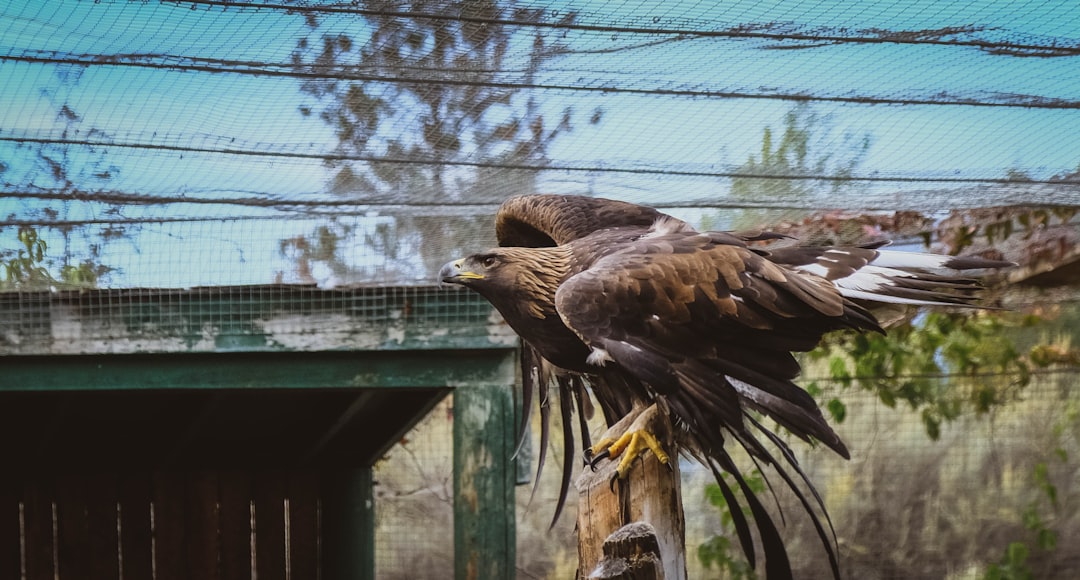
Legal protections have evolved significantly to better protect eagle populations. The 30-year permit authorizes the potential take of bald and golden eagles associated with the operation of the Project and outlines required conservation and compensatory mitigation measures for minimizing and offsetting potential eagle take, pursuant to the 2016 regulations of the Eagle Act.
However, some conservation experts remain concerned about current regulatory frameworks. In my opinion and experience, the 2024 eagle permitting regulation does not contribute to the conservation of eagles, but rather authorizes, without any consequence, wind energy projects to kill eagles. This ongoing debate highlights the need for continued refinement of conservation policies.
Population Recovery Signs and Success Stories

Despite challenges, there are encouraging signs of recovery. Research indicates that golden eagles maintain strong family bonds, with A pair of Golden Eagles remains together for life. They build several eyries within their territory and use them alternately for several years. This stability provides a foundation for population recovery when other threats are managed effectively.
Recent success stories from other regions provide hope for Montana. Dedicated conservation programs that combine habitat protection, threat reduction, and careful monitoring have shown positive results. The combination of improved turbine technology, lead reduction programs, and enhanced monitoring systems creates a comprehensive approach to eagle conservation.
Community Engagement and Education

Successful conservation requires broad community support. Educating the public about this alarming issue is the first step to solving it. Educational programs have expanded beyond traditional wildlife organizations to include partnerships with hunters, energy companies, and local communities.
The scientific community continues to publish findings that inform better conservation practices. Researchers have identified that a healthy golden eagle population often means a healthy ecosystem, or vice versa. “So what’s happening with golden eagles could be in fact indicative of the ecosystem as a whole. They are sort of the canary in the coal mine of ecosystem health, let’s say.”
The Future of Montana’s Golden Eagles

Looking ahead, Montana’s golden eagles face both challenges and opportunities. Eagle protection relies on thorough wildlife conservation efforts. Bird conservation programs use satellite tracking to monitor migratory corridors, while wildlife species conservation initiatives focus on habitat preservation and reducing human-caused mortality through adaptive management strategies.
The state’s commitment to balancing renewable energy development with wildlife protection continues to evolve. Advanced technologies, improved regulations, and growing public awareness create a more favorable environment for eagle recovery. While full population recovery will take time, the foundation for success is being carefully built through science-based conservation strategies.
The combination of innovative detection systems, lead reduction programs, improved wind turbine designs, and comprehensive monitoring represents a new era in eagle conservation. Montana’s approach serves as a model for other western states facing similar challenges with their golden eagle populations.
Montana’s golden eagles are indeed beginning to soar again, supported by dedicated researchers, innovative technology, and a growing commitment to conservation. Though challenges remain, the trajectory points toward a future where these magnificent birds can thrive alongside responsible energy development and human activity. What do you think about these conservation efforts? Tell us in the comments.
Hi, I’m Andrew, and I come from India. Experienced content specialist with a passion for writing. My forte includes health and wellness, Travel, Animals, and Nature. A nature nomad, I am obsessed with mountains and love high-altitude trekking. I have been on several Himalayan treks in India including the Everest Base Camp in Nepal, a profound experience.