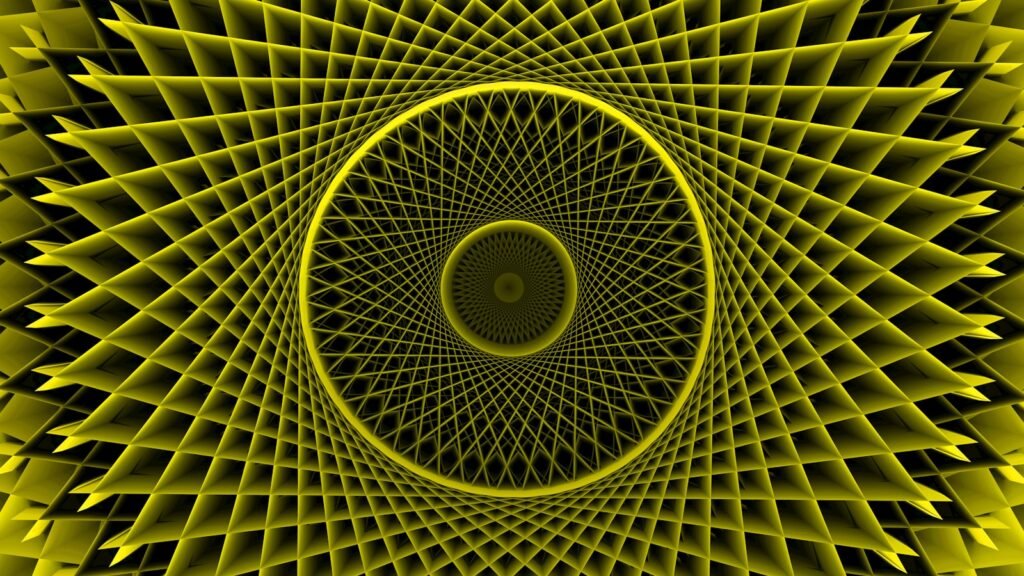

Stand in front of a mirror, stare at your own eyes for long enough, and your face may seem to warp, blur, or even become strangely unfamiliar. That eerie feeling is not a glitch in the glass; it is your brain quietly editing reality on the fly. From optical illusions that break the internet to life-and-death misperceptions in hospitals and cockpits, scientists are now uncovering just how far the brain will go to bend the world into something it can handle. At the crossroads of human physiology and consciousness research, a striking picture is emerging: what we experience as “real” is more like a convincing hallucination built from incomplete data. As new imaging tools, AI vision models, and brain-computer interfaces evolve, they are forcing us to confront a disconcerting question – how much of what we see, remember, and feel is actually there, and how much is a story we have agreed to believe?
The Invisible Blind Spot: How the Brain Fills in the Gaps
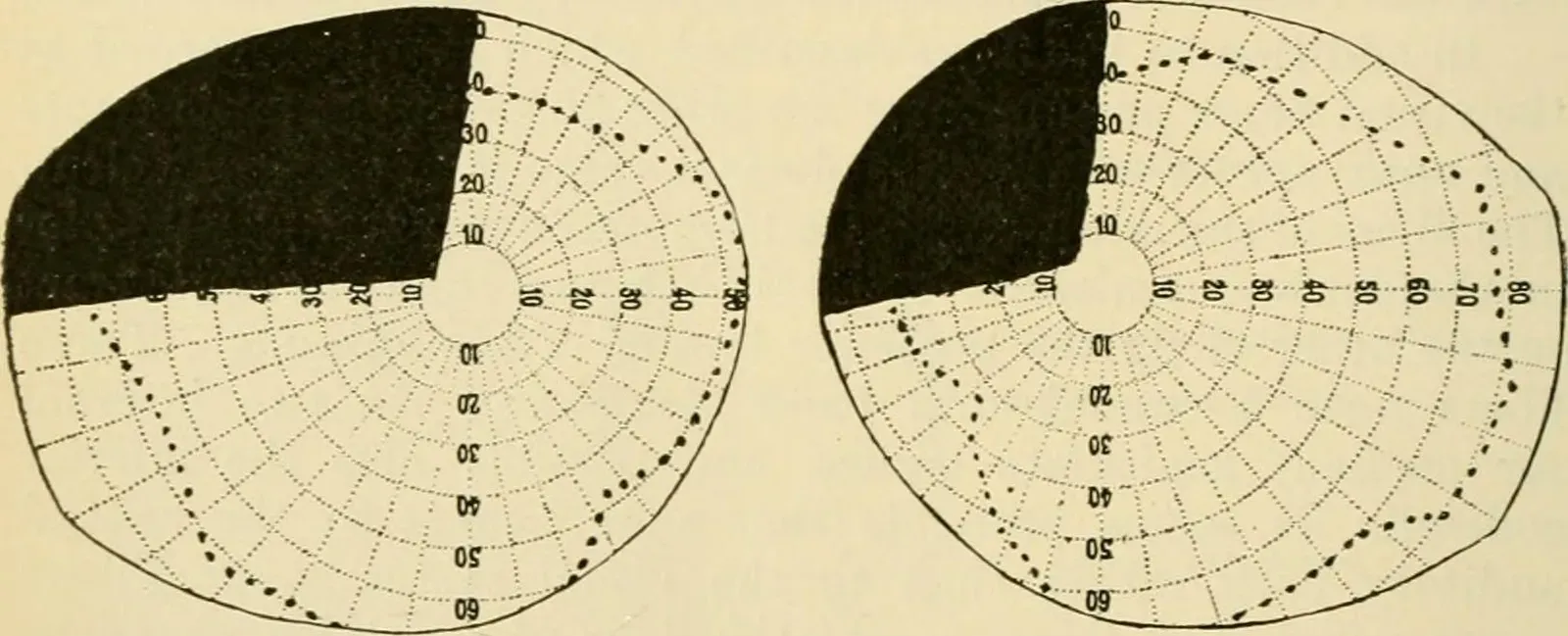
It is shocking to realize that every person walks around with a permanent hole in their visual field – and almost no one notices. This “blind spot” sits where the optic nerve exits the eye, a small patch of retina with no light-sensing cells at all. Yet when you look at a scene, you do not see a black void hovering in space; you see a smooth, continuous world. That is because the brain quietly invents missing information, blending colors, edges, and patterns from the surrounding area to patch over the gap. In everyday life, this adaptive trick is incredibly useful, but it shows just how willing the brain is to replace raw reality with its best guess.
Researchers studying perception have used simple dot-and-cross experiments to reveal this fill-in process, asking volunteers to stare at a fixed point while objects “disappear” inside the blind spot. The moment people realize something can exist in front of them yet vanish from awareness is often unsettling, like discovering a software bug in their own mind. On a physiological level, this illusion speaks to the deep integration between the eyes and the visual cortex, where predictive processing helps keep our conscious experience smooth and stable. In other words, your brain would rather give you a plausible fake than admit it does not know what is there.
The Color That Isn’t There: Afterimages and Phantom Hues
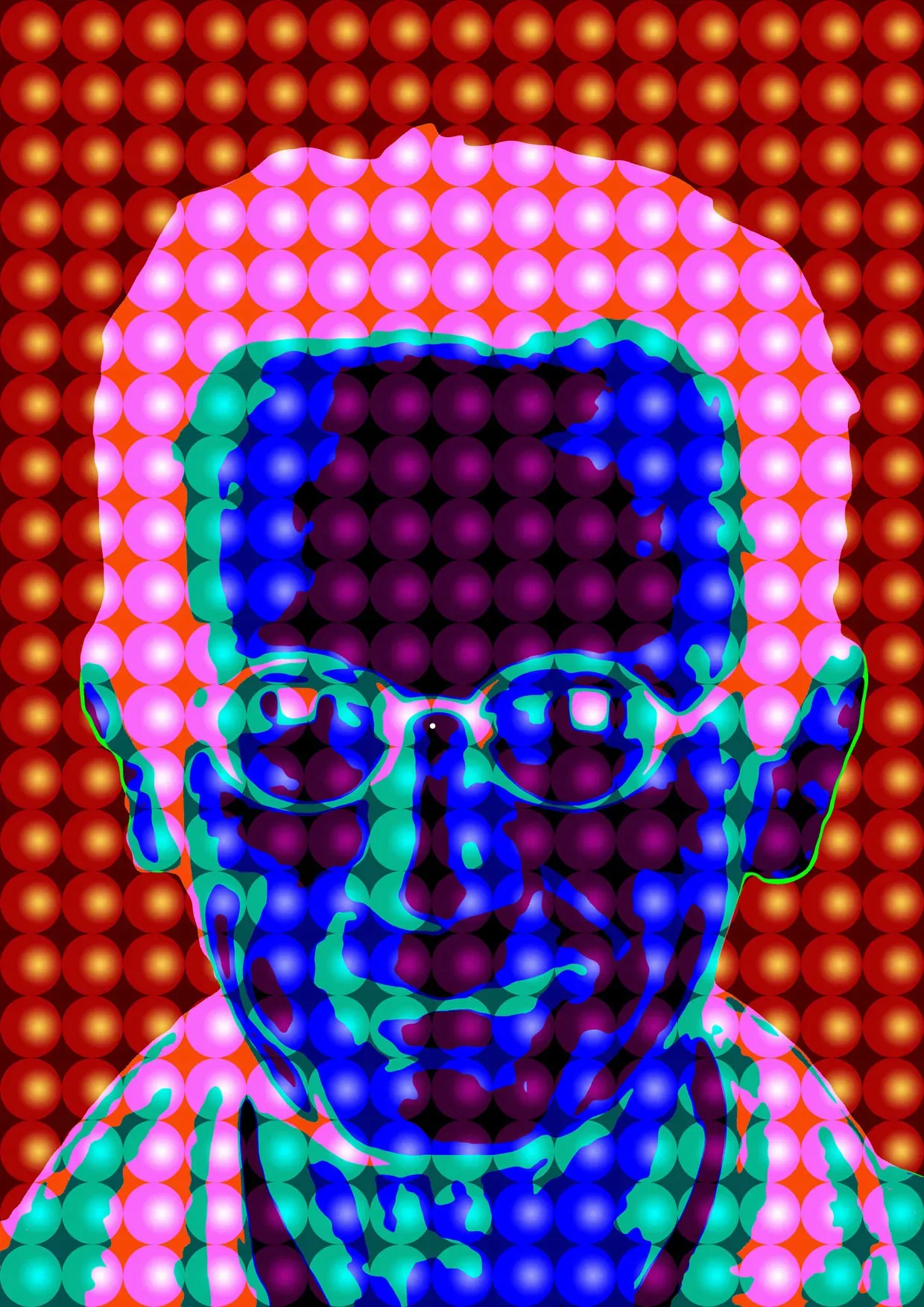
Stare at a bright red square for half a minute, then flick your gaze to a white wall, and a ghostly green shape often appears as if burned into space. This is an afterimage, one of the simplest demonstrations that color lives not in the outside world but inside your nervous system. The cone cells in your retina that respond to red light become temporarily fatigued, leaving the opposing green-sensitive pathway unbalanced. When you look away, the visual system overcompensates, and your consciousness paints a color that is not actually present on the wall. The result feels eerie and strangely convincing, as if the world has briefly disobeyed its own rules.
Physiologists have used afterimages for more than a century to probe how our eyes adapt to light and how color-opponent processes work deeper in the brain. Modern brain scanners now show activity patterns in visual areas that match the subjective colors people report, even when no matching wavelength is hitting their retina. That means the color you “see” is a constructed code, not an inherent property of objects, which has profound implications for consciousness research. Experiments with unusual “forbidden colors” and mixed afterimages even suggest that the mind can generate experiences no physical stimulus can directly produce. The takeaway is quietly radical: your sense of a solid, colored world is a physiologically useful, but deeply edited, illusion.
Motion Where Nothing Moves: The Brain as a Prediction Engine
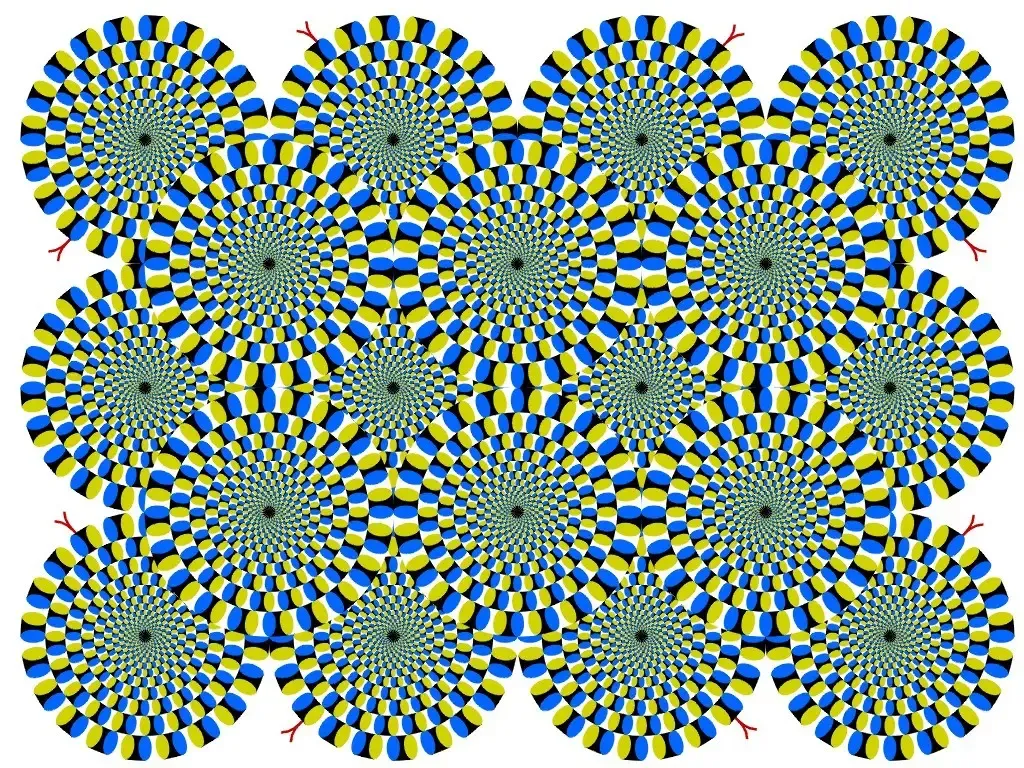
Have you ever watched a still image online and sworn it was subtly swirling or shimmering? Motion illusions like the famous rotating snakes pattern prey on how our visual system predicts change over time. Neurons that detect motion are wired to respond not only to what is happening now, but also to what they expect to happen next, based on contrast, edges, and prior experience. When certain shapes and color gradients line up just right, they trigger these motion detectors unevenly, causing the brain to “see” drift or flow in a picture that is perfectly static. From a purely physical standpoint, nothing is moving – but your brain hates that kind of stillness.
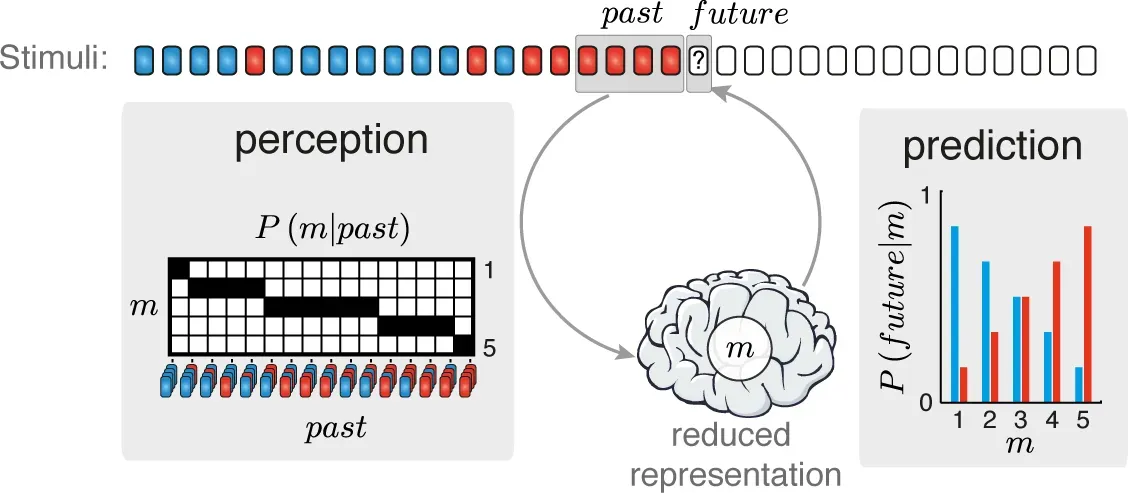
This predictive style of processing helps explain why we can catch a ball in flight, drive through traffic, or read someone’s body language before they even speak. In laboratories, scientists measure how quickly motion-sensitive brain areas react to ambiguous stimuli, finding that the nervous system essentially bets on the most likely future. Some researchers now argue that perception itself is a controlled hallucination, where incoming sensory data are constantly compared against internal predictions. When the prediction wins, we experience a stable, fluid world; when it loses, we feel surprise, confusion, or even dizziness. Illusory motion, then, is the brain’s forecasting engine slightly overreaching – and accidentally revealing its hand.
The Sound You Never Heard: Crossed Wires of Multisensory Perception
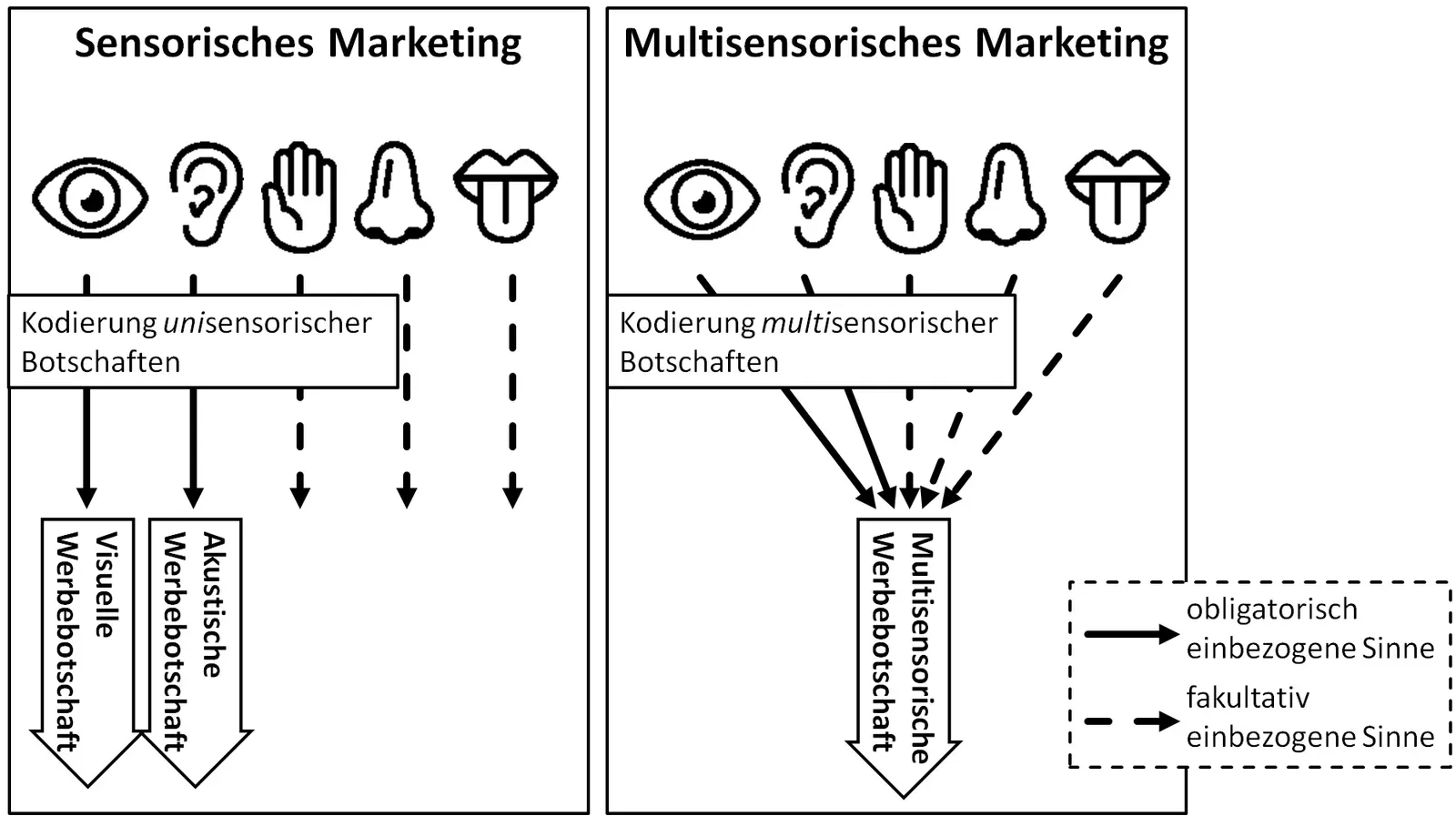
Not all illusions are visual; some of the strangest happen when senses merge and argue behind the scenes. In one famous experiment, people watch a video of a single flash on a screen while hearing two quick beeps, and many swear they actually saw two flashes. The brain has quietly decided that hearing and sight must match, so it edits the visual story to fit the sound. This multisensory merging is rooted in brain regions that integrate information from eyes, ears, and even touch receptors, trying to create a coherent picture of the world. When timing or intensity gets out of sync, the system can be tricked into manufacturing events that never occurred.
On the flip side, sound can also change how we interpret ambiguous speech or how we locate a moving object in space. Practical consequences show up in virtual reality design, cockpit alerts, and even hospital alarm systems, where mismatched cues can confuse professionals in high-pressure situations. Neuroscientists studying consciousness are fascinated by these effects because they suggest there is no single “true” version of reality in the brain – only negotiated compromises among noisy sensory streams. What we hear, see, and feel at any moment reflects this quiet tug-of-war, with our awareness taking credit for a decision it never consciously made. The next time you think you heard something that no one else noticed, your brain’s negotiation strategy may be to blame.
The Memories We Swear By: When Recall Becomes a Retroactive Illusion
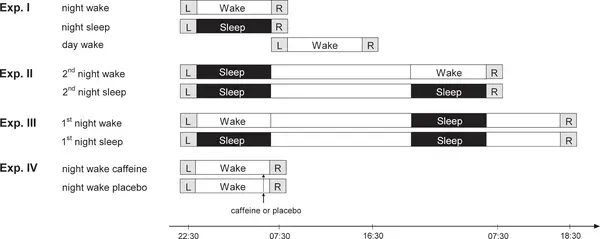
Ask a group of people to recall a dramatic event – a big storm, a major news story, a personal accident – and you will often get confident, detailed stories that do not agree with each other or with the records. Memory feels like a replay button, but decades of cognitive research show it behaves more like a rewriteable document. Each time we remember something, the brain reconstructs the scene from fragments: sights, sounds, emotions, and what we have heard since. New information can slip into that reconstruction, so that later we may vividly “remember” things that never happened. This is not a sign of a broken mind; it is the default operating mode of a flexible, meaning-hungry brain.
Studies on eyewitness testimony are especially sobering, revealing how leading questions, group conversations, or even media coverage can reshape people’s recollections. In some experiments, simply suggesting a detail – like broken glass at a car crash – is enough for a significant portion of participants to report having seen it. For consciousness researchers, this raises a disturbing point: our sense of a continuous self, anchored by a personal narrative, sits on a foundation that is far less stable than it feels. On the physiology side, processes like memory consolidation and reconsolidation in the hippocampus and cortex literally remodel neural connections each time we bring a memory to mind. The cherished stories we tell about ourselves are therefore living illusions, polished with every retelling.
Why It Matters: Illusions, Errors, and the High Cost of a Bent Reality
It might be tempting to treat these illusions as party tricks of the nervous system, interesting but irrelevant. Yet the same shortcuts that help us navigate daily life can have serious consequences when they go wrong. In medicine, visual and cognitive biases can nudge a doctor toward a familiar diagnosis while missing a rare but critical condition, especially when time is short. In aviation, misperceptions of the horizon or instrument readings can mislead even experienced pilots in poor visibility, as the brain insists on trusting its internal model over unfamiliar data. These are not failures of intelligence; they are the costs of a system optimized for speed and coherence rather than perfect accuracy.
Understanding how and why the brain distorts reality is therefore more than a philosophical exercise. It can shape training for surgeons, emergency responders, and judges who rely heavily on perception and memory. It also feeds into debates about the reliability of eyewitness accounts, the design of warning systems, and even how we educate children to question what they think they “see” or “remember.” In consciousness studies, illusions are prized precisely because they expose the construction scaffolding behind our everyday experience, which is usually hidden. When we see that scaffolding, we gain a rare chance to redesign environments, procedures, and technologies around the brain we truly have, not the perfectly rational observer we like to imagine.
The Physiology of a Hallucinating Body: From Gut Feelings to Body Maps
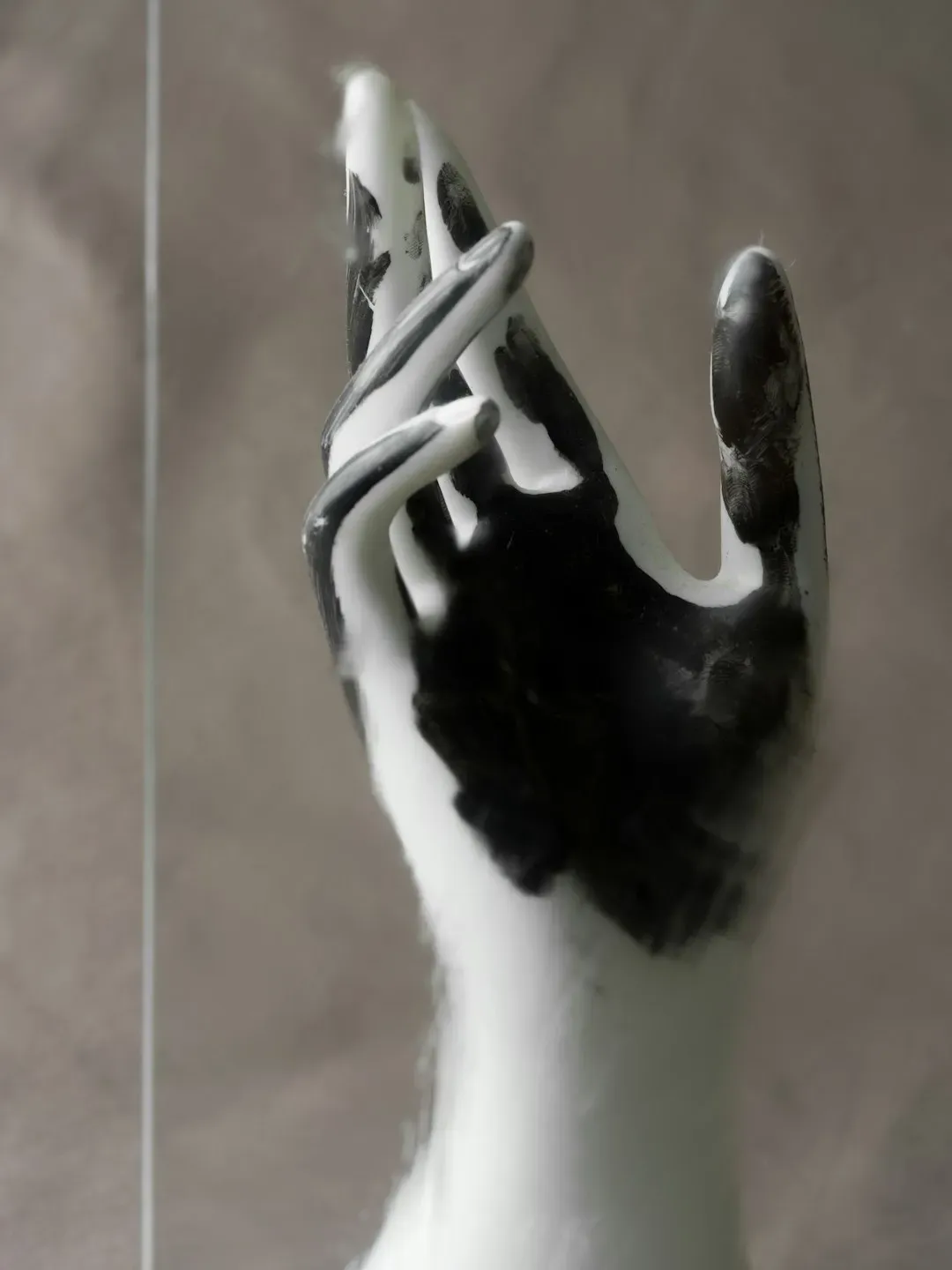
Reality bending does not stop at the senses turned outward; it reaches deep into how we feel our own bodies. Experiments like the rubber hand illusion, where a fake hand is stroked in sync with a hidden real one, can convince people that a piece of plastic belongs to them. This suggests that the brain’s body map – a key part of our sense of self – depends on matching touch, sight, and internal expectations rather than on fixed anatomical truth. Meanwhile, interoception research shows that signals from the heart, lungs, and gut subtly shape emotions and decisions, often outside conscious awareness. That queasy feeling before a risky choice or the “weight” of anxiety in the chest is the body talking, and the brain interpreting, sometimes incorrectly.
When this body-based reality-check system goes awry, people can experience out-of-body sensations, phantom limb pain, or a disturbing sense that parts of themselves are alien. Clinicians and neuroscientists are now using virtual reality, brain stimulation, and targeted therapies to gently recalibrate these body illusions. This area sits at the frontier between pure physiology and the more elusive study of consciousness, where questions about selfhood meet measurable nerve signals. The idea that “you” are partly an interpreted illusion does not make subjective experience less real – but it does make it more fragile and more malleable than common sense would suggest.
From Cave Shadows to Brain Scans: A Long History of Being Fooled
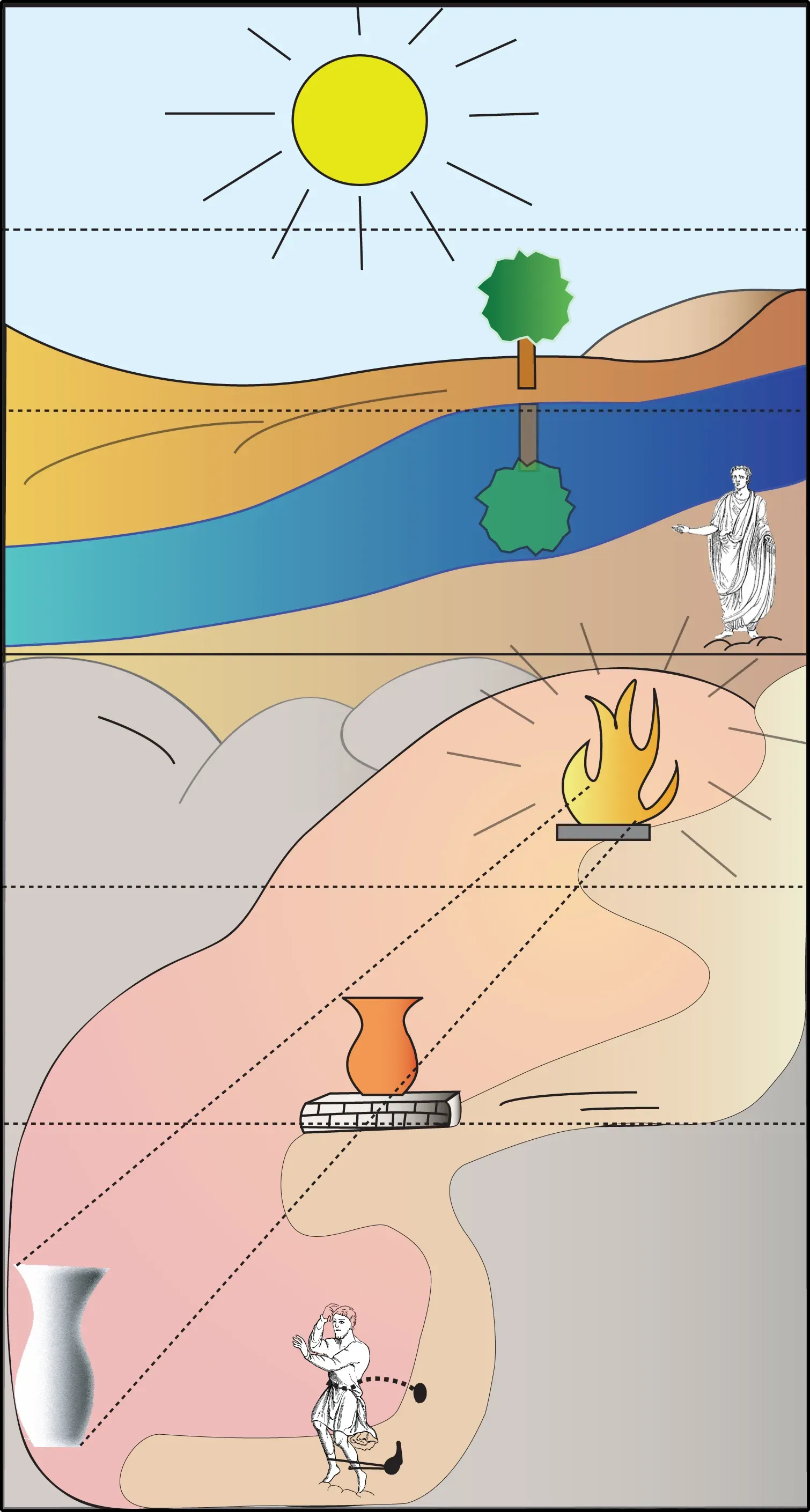
Humans have been fascinated by illusions long before we had words like “neuroscience” or “cognitive bias.” Ancient storytellers and philosophers used shadows, reflections, and mirages as metaphors for the gap between appearance and reality. Early artists discovered that simple tricks of perspective could make flat walls look like open windows or impossible staircases, delighting and confusing viewers in equal measure. Much later, psychologists in the nineteenth and twentieth centuries began systematically cataloging illusions, from the way parallel lines seem to bend to the way identical colors look different against changing backgrounds. Each example chipped away at the comfortable idea that our senses act like neutral recording devices.
In the twenty-first century, brain imaging has added a startling layer of detail to this story. We can now see which clusters of neurons “light up” when someone falls for a visual trick or hears a phantom sound, linking subjective reports to physical activity. At the same time, computerized vision systems and AI models often fall for their own strange illusions, misclassifying objects with tiny pixel tweaks that humans do not notice. That parallel is humbling: by building machines that see, we are forced to face how idiosyncratic and error-prone our own seeing can be. The long arc of this history suggests that illusions are not glitches at the edge of perception; they are woven into how any biological or artificial system must operate when information is incomplete.
The Future Landscape: Hacking Perception in Medicine, Media, and Machines
Looking ahead, the science of illusions is moving from describing strange quirks to actively harnessing them. In medicine, researchers are using virtual reality and carefully designed visual tricks to manage chronic pain, stroke rehabilitation, and phantom limb sensations by reshaping how the brain maps the body. In mental health, controlled manipulations of auditory and visual input may help people with hallucination-prone conditions differentiate between self-generated experiences and external reality. Meanwhile, designers of augmented and virtual reality platforms are learning, sometimes the hard way, how small mismatches in timing or perspective can cause motion sickness or break the spell of immersion. Every new headset or immersive display is, in a sense, a large-scale experiment in applied illusion.
On a broader scale, the merging of human perception research with AI vision and language models raises complex questions. As machines get better at predicting and generating images and sounds, they may become powerful tools for both exposing and exploiting human cognitive blind spots. There are promising uses, such as training simulations that safely reproduce confusing environments for pilots or surgeons, helping them recognize and resist dangerous illusions. But there are also risks, from hyper-realistic fake media to persuasive interfaces that lean on known biases in how we attend, remember, and decide. The global challenge will be to steer this knowledge toward transparency and resilience, rather than deeper layers of engineered unreality.
Seeing Through the Tricks: How to Engage With Your Own Illusions
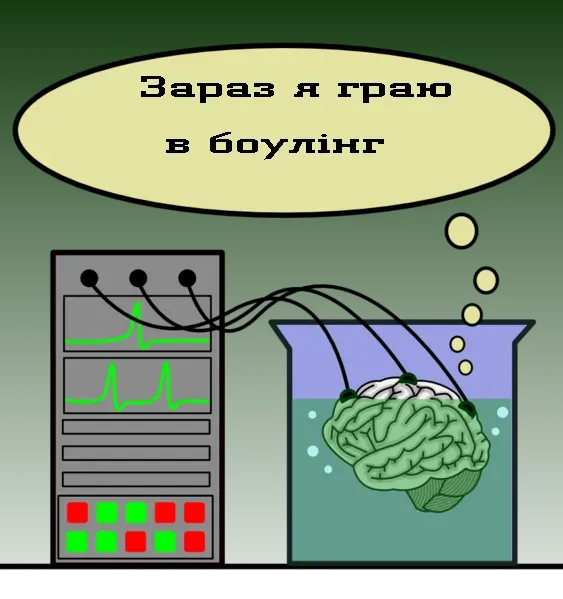
You cannot turn off the brain systems that smooth, color, and narrate your world, but you can get better at noticing when they might be fooling you. One simple step is to consciously seek out classic illusions – visual, auditory, and memory-based – and pay close attention to how certain you feel before and after you learn the trick. That gap in certainty is a valuable sensation, a reminder that confidence and accuracy are not the same thing. In everyday life, pausing before acting on a strong first impression, double-checking what you “remember” against notes or photos, and inviting other perspectives can all serve as small safeguards. Think of it as adding extra sensors to your personal perception system.
Supporting science that studies these quirks is another meaningful way to engage. Participating in online perception experiments, backing open science initiatives, or simply sharing well-reported stories about cognitive biases helps push this field forward. Educators can introduce illusion-based exercises in classrooms, giving students a playful but profound window into how their brains work. On a personal level, cultivating curiosity about your own mind – rather than frustration when it slips – turns illusions into tools for self-knowledge rather than sources of embarrassment. In a world where both nature and technology constantly compete for your attention, that kind of reflective awareness might be one of the most powerful defenses you have.
Suhail Ahmed is a passionate digital professional and nature enthusiast with over 8 years of experience in content strategy, SEO, web development, and digital operations. Alongside his freelance journey, Suhail actively contributes to nature and wildlife platforms like Discover Wildlife, where he channels his curiosity for the planet into engaging, educational storytelling.
With a strong background in managing digital ecosystems — from ecommerce stores and WordPress websites to social media and automation — Suhail merges technical precision with creative insight. His content reflects a rare balance: SEO-friendly yet deeply human, data-informed yet emotionally resonant.
Driven by a love for discovery and storytelling, Suhail believes in using digital platforms to amplify causes that matter — especially those protecting Earth’s biodiversity and inspiring sustainable living. Whether he’s managing online projects or crafting wildlife content, his goal remains the same: to inform, inspire, and leave a positive digital footprint.