
Microbes Defy Devastating Forces (Image Credits: Pixabay)
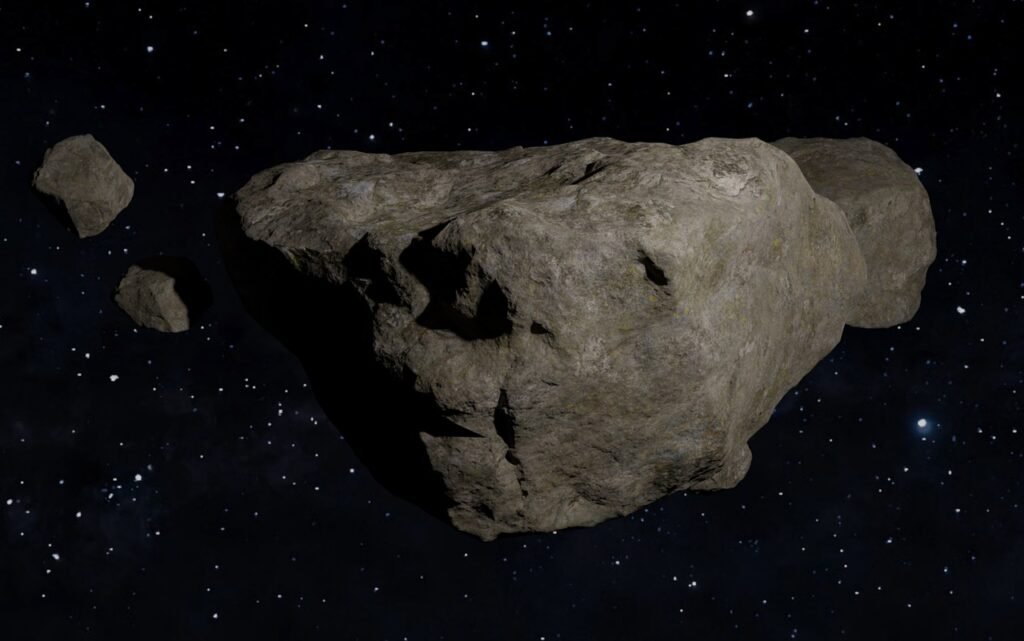
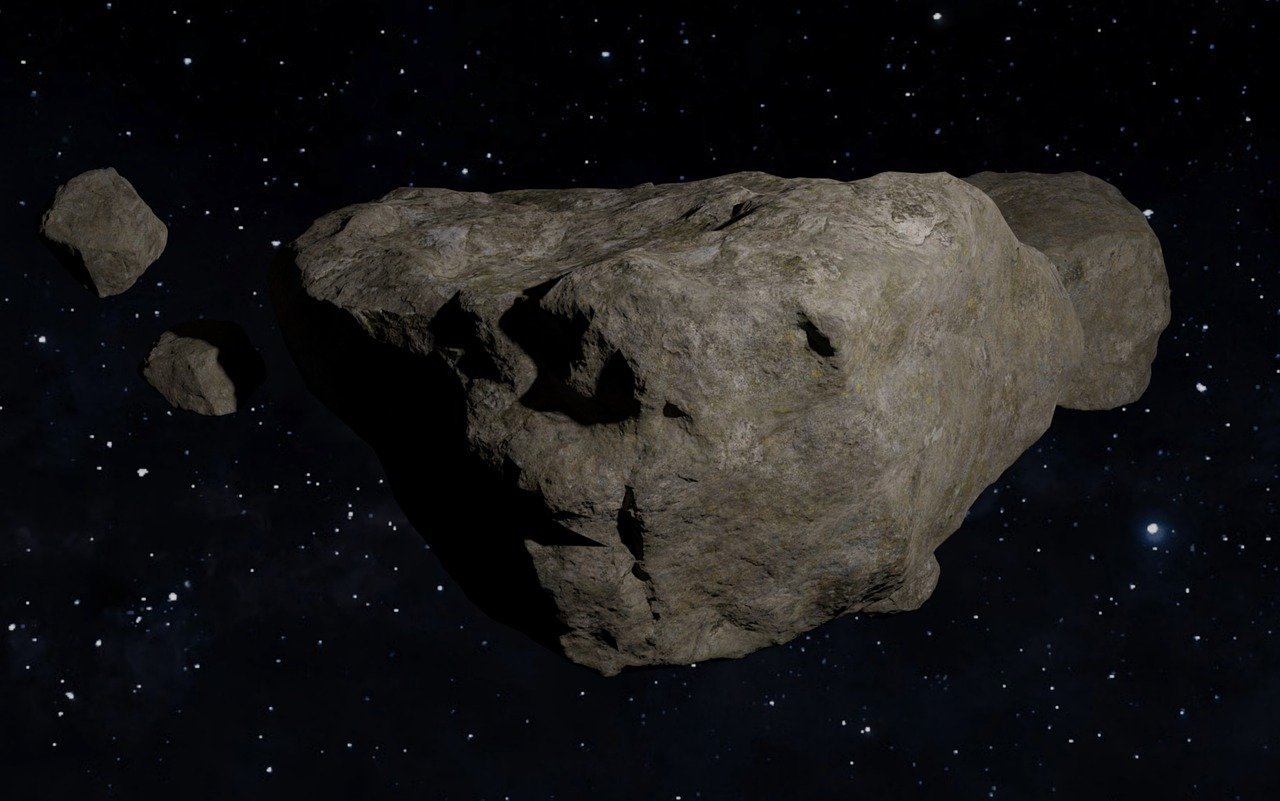
Researchers at Johns Hopkins University revealed that hardy bacteria can withstand the immense pressures of asteroid collisions, opening doors to the possibility of life migrating between planets on space rocks.
Microbes Defy Devastating Forces
Lead author Lily Zhao expected the microbes to perish under the first high-pressure test. Instead, they proved extraordinarily tough. Scientists fired projectiles at samples sandwiched between metal plates, simulating ejection speeds up to 300 miles per hour.[1]
The experiments generated pressures from 1 to 3 gigapascals – over ten times the force at the ocean’s deepest point. At 1.4 gigapascals, survival reached nearly 100 percent with no visible damage. Even at 2.4 gigapascals, 60 percent of the cells endured, though some showed ruptured membranes.[1]
Equipment limits halted tests before total destruction, underscoring the bacteria’s unexpected durability. These conditions mirrored potential asteroid strikes on Mars, where impacts can exceed 5 gigapascals.[1]
Spotlight on Deinococcus radiodurans
Deinococcus radiodurans, a bacterium from Chile’s arid high deserts, starred in the study. Known for repairing its DNA amid radiation, cold, and desiccation, it boasts a thick protective shell. Experts view it as a prime candidate for Martian life due to matching survival traits.[1]
Zhao remarked, “We expected it to be dead at that first pressure. We started shooting it faster and faster. And we kept trying to kill it, but it was really hard to kill.”[1]
- Thrives in extreme dryness and cold.
- Repairs genetic damage rapidly.
- Resists intense radiation levels.
- Possesses a robust outer layer.
Reviving the Panspermia Hypothesis
Senior author K.T. Ramesh called the results transformative. “Life might actually survive being ejected from one planet and moving to another,” he said. “This is a really big deal that changes the way you think about the question of how life begins.”[1]
The findings bolster lithopanspermia, the idea that life hitches rides on rock fragments flung into space. Martian meteorites have reached Earth before, carrying potential microbial passengers. Zhao added, “We have shown that it is possible for life to survive large-scale impact and ejection. What that means is that life can potentially move between planets. Maybe we’re Martians!”[1]
Closer destinations like Mars’ moons Phobos and Deimos might receive ejecta under milder pressures, easing transfer odds.
Cautions for Future Missions
Planetary protection protocols face scrutiny. Ramesh warned, “We might need to be very careful about which planets we visit.” Contaminated gear could spread Earth life or import unknown microbes.[1] Future tests may probe repeated impacts or other organisms like fungi. The study appeared in PNAS Nexus on March 3, 2026.
Key Takeaways
- Bacteria survived pressures up to 2.4 GPa, far exceeding prior limits.
- Supports life transfer from Mars to Earth or moons.
- Urges stricter safeguards for space exploration.
This discovery reshapes views on life’s tenacity and origins, urging deeper scrutiny of our cosmic neighborhood. Could microbes from distant worlds seed new beginnings? Share your thoughts in the comments.