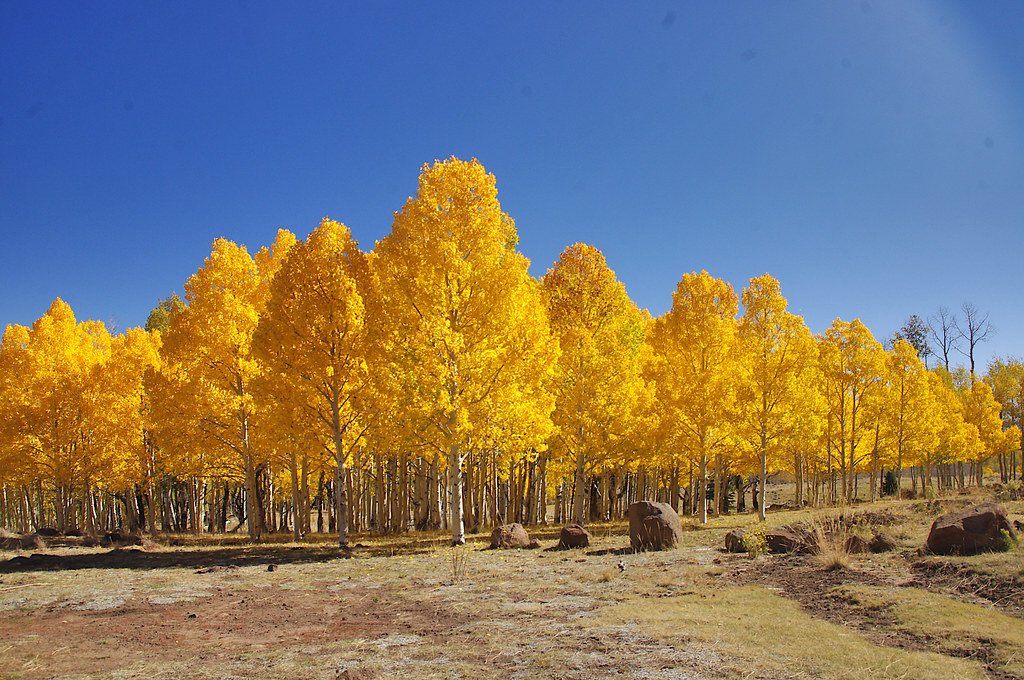

Imagine a world where time stretches back eighty thousand years, a world that has witnessed the rise and fall of civilizations, the birth of languages, and the evolution of countless species. In that world, there exist organisms that have quietly thrived, standing as living testaments to the passage of time. These are not creatures of myth or fantasy, but clonal trees and fungi colonies, extraordinary in their resilience and age. As we delve into their stories, we uncover not only the secrets of their longevity but also the intricate web of life that they sustain.
The Enigmatic Pando: A Forest of One

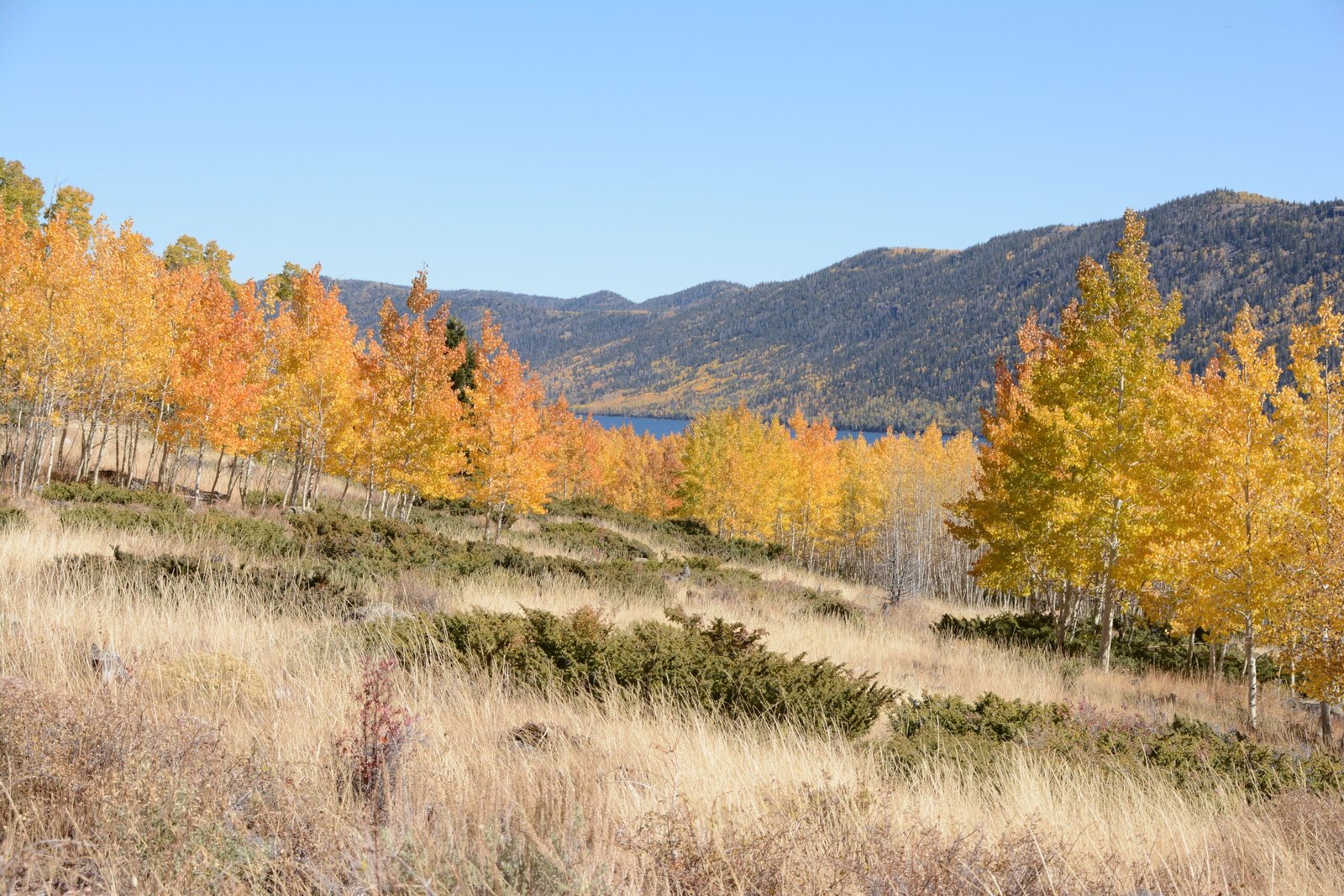
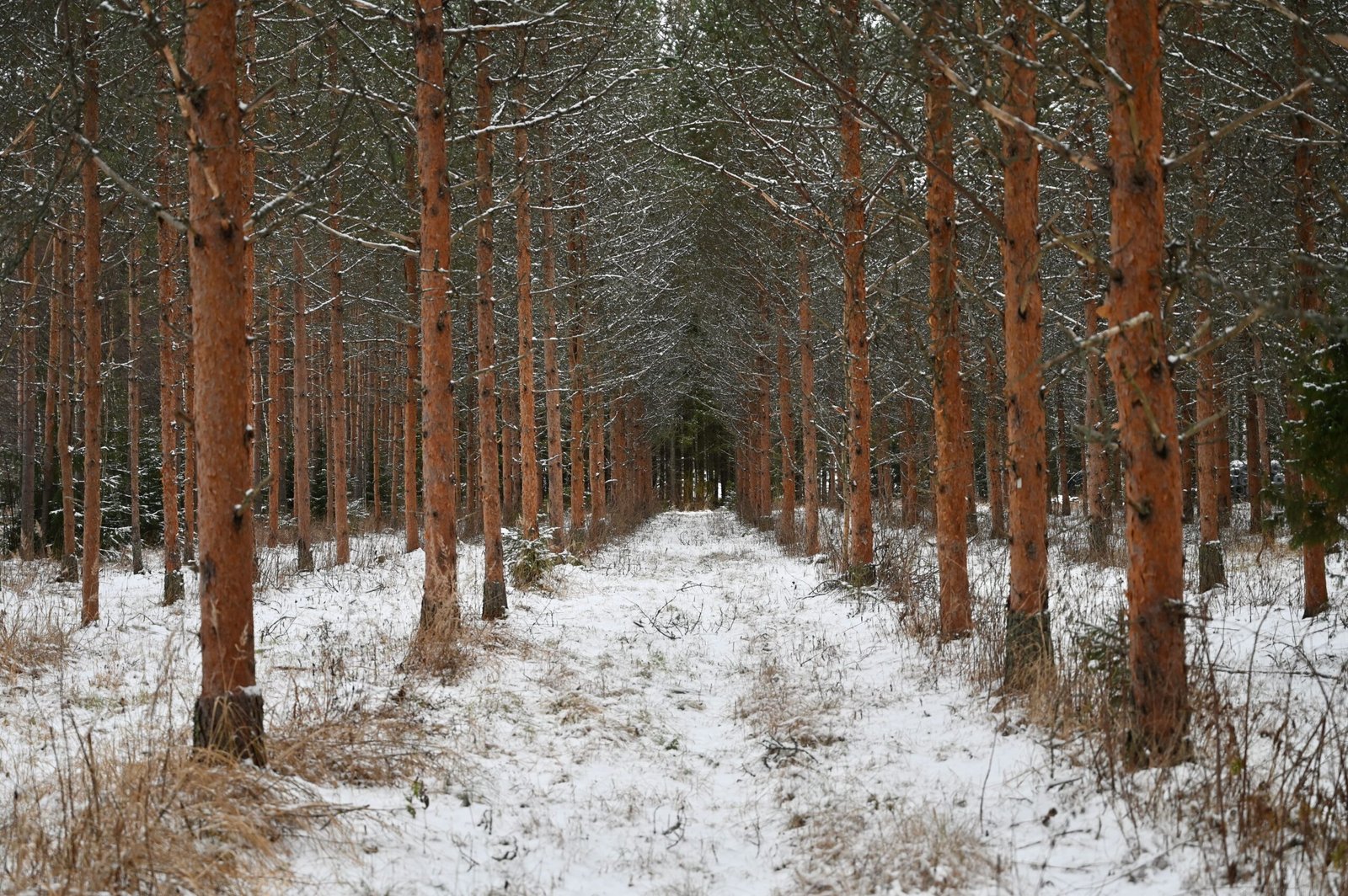
Pando, often referred to as the “Trembling Giant,” is a clonal colony of quaking aspen trees in Utah. What makes Pando so mesmerizing is that it appears as a forest, yet it is a single organism with one massive underground root system. This root network has been estimated to be around 80,000 years old, making it one of the oldest living organisms on Earth. Each tree you see is genetically identical to the others, essentially making them stems of the same plant. Pando’s survival has been a balancing act, thriving in the shifting sands of time, adapting to climate changes and environmental pressures.
The Immortal Fungi: Armillaria Ostoyae
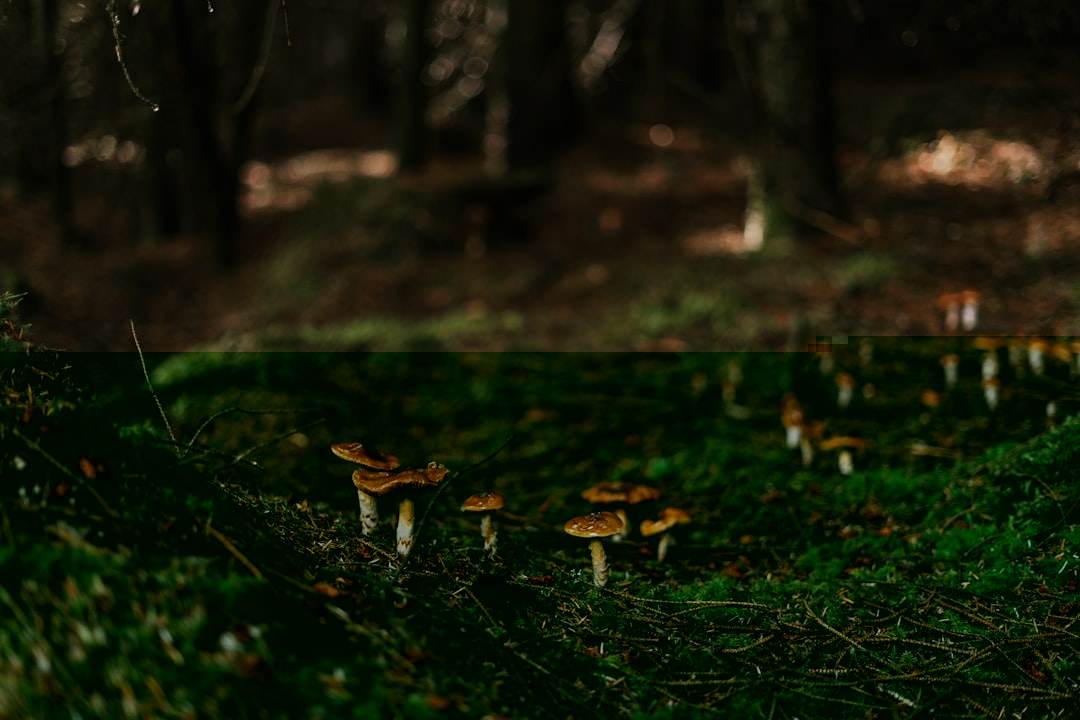
Deep in the soils of Oregon’s Malheur National Forest lies another ancient marvel, the Armillaria ostoyae, colloquially known as the “Humongous Fungus.” This fungal colony spans over 2,385 acres, making it the largest living organism by area. Estimated to be around 2,400 years old, its age is dwarfed by its size. The fungus thrives by extending its mycelial network underground, decomposing wood and organic matter. It plays a vital role in nutrient recycling, ensuring the health of the forest ecosystem. This ancient organism is a testament to the silent yet powerful influence fungi have on our planet.
Understanding Clonal Reproduction
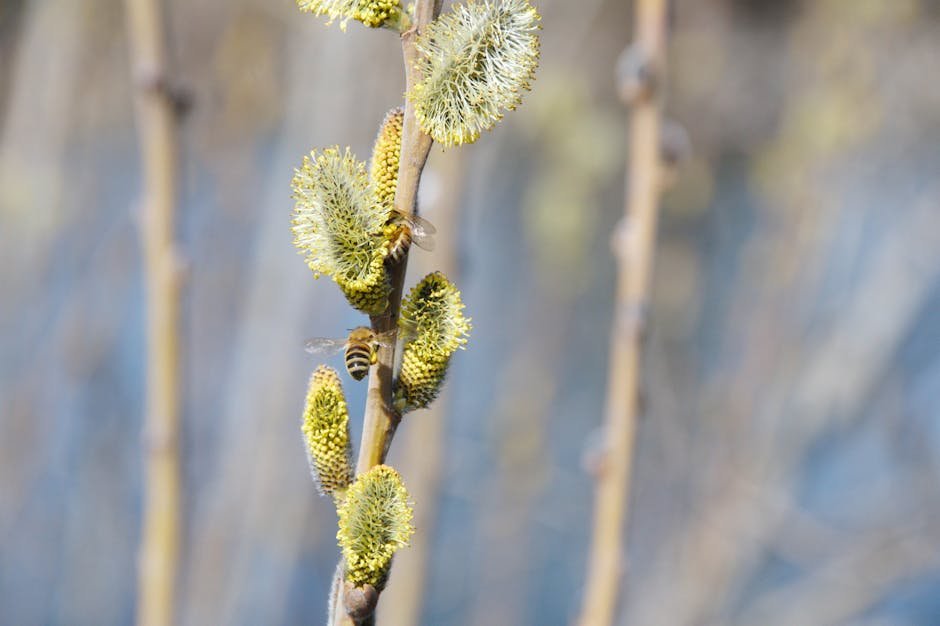
At the heart of these ancient organisms’ longevity is clonal reproduction. Unlike sexual reproduction, which involves genetic mixing, clonal reproduction creates genetically identical copies of the parent organism. This method allows for rapid expansion and resilience, as seen in both Pando and the Humongous Fungus. By bypassing genetic recombination, these organisms maintain their genetic integrity over millennia. However, this also makes them vulnerable to diseases and environmental changes, as they lack genetic diversity. Their survival is a delicate dance between consistency and adaptability.
The Role of Environmental Stability
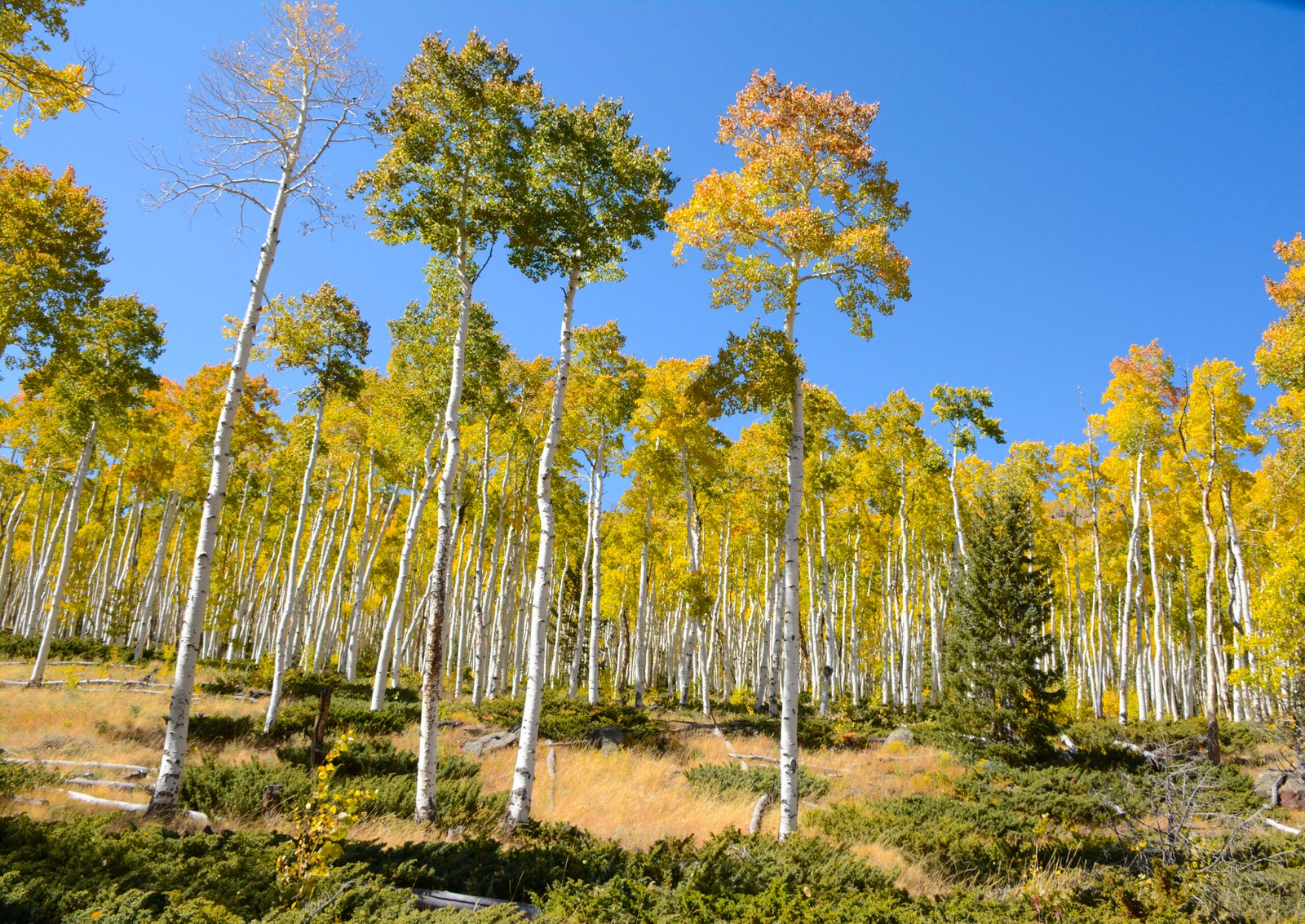
The longevity of Pando and Armillaria ostoyae is closely tied to environmental stability. Over thousands of years, these organisms have weathered various climatic shifts, from ice ages to warmer interglacial periods. Their ability to endure these changes hinges on the stability of their environments. For instance, Pando’s root system has adapted to periodic fires, which clear out competing vegetation. Meanwhile, the Humongous Fungus thrives in the consistent moisture and temperature of Oregon’s forest floor. These stable conditions have allowed them to persist, but they also pose challenges in the face of rapid modern climate change.
The Interconnectedness of Ecosystems
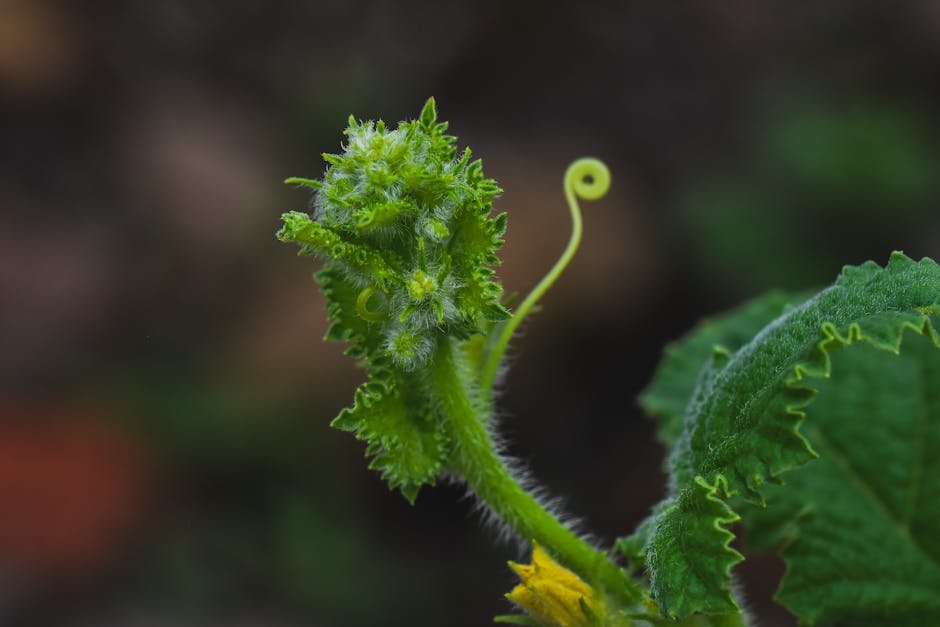
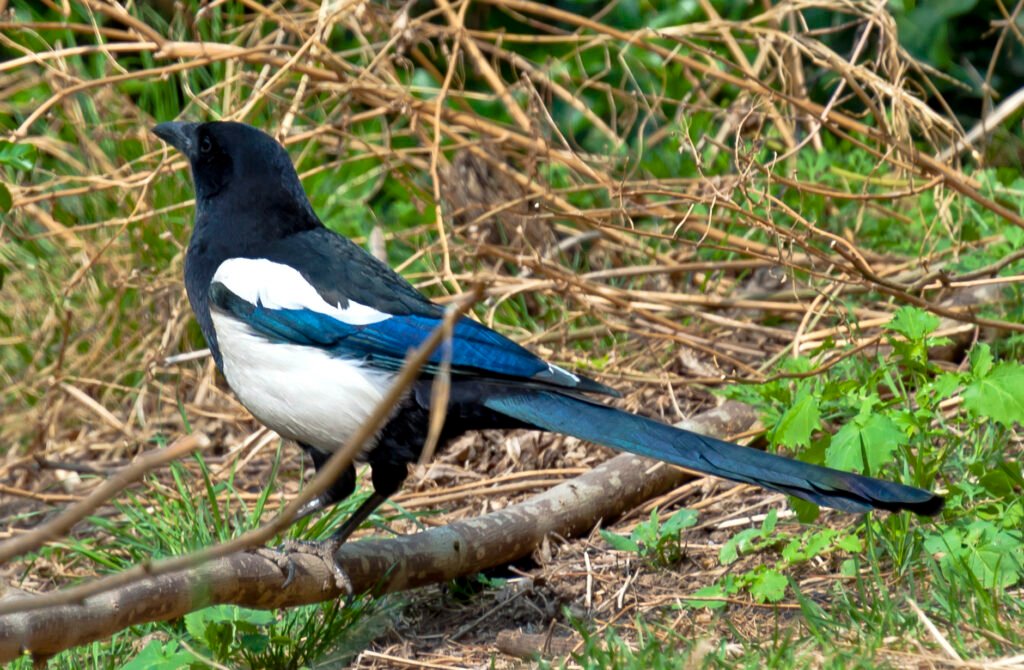
The ancient clonal colonies are not isolated phenomena; they are deeply embedded in their ecosystems. Pando provides habitat and resources for a myriad of species, from birds to insects. Its presence influences soil composition, water retention, and even local climate. Similarly, the Humongous Fungus plays a crucial role in nutrient cycling, supporting the health and growth of trees and plants. These organisms exemplify the intricate interconnectedness of ecosystems, where the survival of one species can have profound effects on the entire community.
The Challenges of Conservation
Conserving these ancient organisms presents unique challenges. Pando, for instance, is facing threats from human activities, disease, and grazing by deer and other animals. Its root system is slowly deteriorating, raising concerns about its future. Conservation efforts involve managing land use, controlling herbivory, and restoring natural fire regimes. Similarly, the Humongous Fungus is threatened by logging and habitat destruction. Protecting these organisms requires a delicate balance between human needs and ecological preservation, highlighting the importance of sustainable practices.
Lessons from the Past
The stories of Pando and the Humongous Fungus offer valuable lessons for modern society. They remind us of the resilience and adaptability inherent in nature, qualities that are essential in the face of global environmental challenges. These ancient organisms have survived by maintaining balance within their ecosystems, a principle that can guide our efforts in conservation and sustainability. By learning from their longevity, we can better understand the importance of preserving the delicate web of life on Earth.
The Fascination with Longevity
Human fascination with longevity extends beyond curiosity; it reflects our desire to understand the secrets of life itself. The ancient clonal trees and fungi colonies captivate our imaginations, offering glimpses into the past and insights into the future. They challenge our perceptions of time and life, prompting us to reconsider our place in the natural world. As we study these remarkable organisms, we are reminded of the beauty and complexity of life, inspiring us to protect and cherish the planet we call home.
A Call to Action
The ancient clonal colonies are more than scientific curiosities; they are symbols of resilience and continuity. Their survival depends on our actions, as we navigate the challenges of climate change and environmental degradation. By raising awareness and fostering a sense of stewardship, we can ensure that these living relics continue to thrive for generations to come. Let us embrace the responsibility to protect these ancient wonders, recognizing their intrinsic value and the lessons they impart.
The Legacy of Ancient Organisms
In the end, the oldest living organisms on Earth leave a legacy that extends beyond their physical presence. They serve as reminders of the Earth’s history, the passage of time, and the enduring power of nature. Their stories inspire us to reflect on our relationship with the natural world, encouraging us to act with foresight and compassion. As we stand on the threshold of the future, let us carry forward the wisdom of these ancient beings, honoring their place in the tapestry of life.