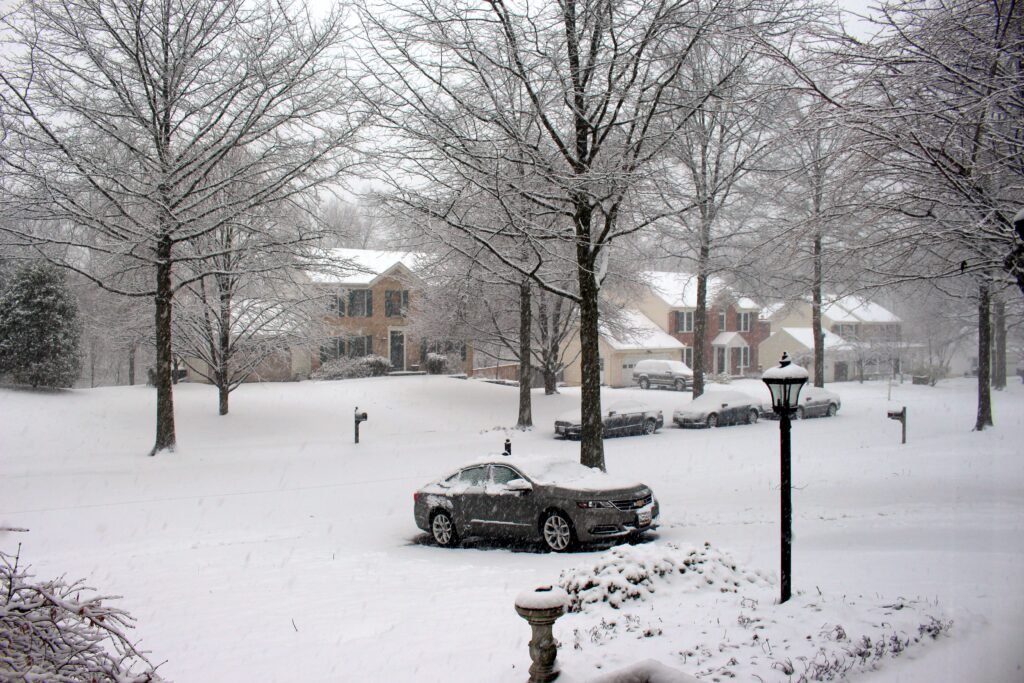


Governor Mobilizes State Resources in Swift Action (Image Credits: Upload.wikimedia.org)
Maryland – Federal Emergency Management Agency officials approved the state’s emergency declaration request on January 24 as a severe winter storm threatened widespread snow, ice, and bitter cold across the region.[1]
Governor Mobilizes State Resources in Swift Action
Governor Wes Moore declared a state of emergency on January 23, shifting Maryland from preparedness mode to full response operations.[2] This move activated the State Emergency Operations Center and coordinated efforts among state agencies, local governments, and partners.
The Maryland National Guard deployed more than 160 personnel along with specialized vehicles, including 10 Light Medium Tactical Vehicles and 32 High Mobility Multipurpose Wheeled Vehicles, to key readiness centers statewide.[3] These assets stood ready to support transportation, logistics, and local assistance requests. Brig. Gen. Craig Hunter emphasized the priority on resident safety, noting close collaboration with emergency management officials.
State police increased staffing, while the Department of Transportation pretreated roads and planned enhanced patrols. Officials closed I-95 Express Toll Lanes in Baltimore to focus on snow removal.
Storm Projections Promise Heavy Impacts
Forecasters predicted 5 to 10 inches of snow and sleet accumulation in most areas, with up to 14 inches possible east and south of Washington, D.C.[4] The system arrived late Saturday, intensified overnight, and transitioned to sleet and freezing rain Sunday afternoon.
Freezing rain threatened up to a quarter-inch of ice on surfaces, trees, and power lines, especially south of the metro area. Wind chills dropped near zero, compacting snow and prolonging hazardous travel conditions through early Monday.[4]
Governor Moore warned that travel would prove hazardous to near impossible. “Staying off the roads is essential to keeping routes clear for law enforcement, snow removal crews, and emergency responders,” he stated.[2]
Utilities and Local Agencies Ramp Up Defenses
Power providers like Pepco positioned crews on 12-hour shifts, staged equipment, and prioritized outages affecting large customer groups. Director Tammy Sanford detailed preparations, including hotel arrangements for rapid response.
Local jurisdictions followed suit. The District of Columbia enacted a snow emergency, towing vehicles from priority routes. Northern Virginia pretreated thousands of lane miles and staged plows.
Maryland’s Public Service Commission directed utilities to maximize staffing and restore service around the clock, focusing first on public safety facilities. Health officials monitored conditions and activated disability support hotlines.
Essential Preparations for Those at Home
Residents received clear guidance to weather the event safely. Authorities urged stocking emergency kits with food, water, charged batteries, and medications.
- Avoid unnecessary travel during peak snow and ice.
- Monitor local forecasts and National Weather Service updates.
- Report outages promptly and use apps for restoration estimates.
- Clear snow from vents and doors to prevent carbon monoxide risks.
- Locate warming centers via state health department channels.
Key Takeaways
Maryland’s layered defenses position the state to mitigate the storm’s worst effects, underscoring the value of proactive coordination. What steps have you taken to prepare? Tell us in the comments.