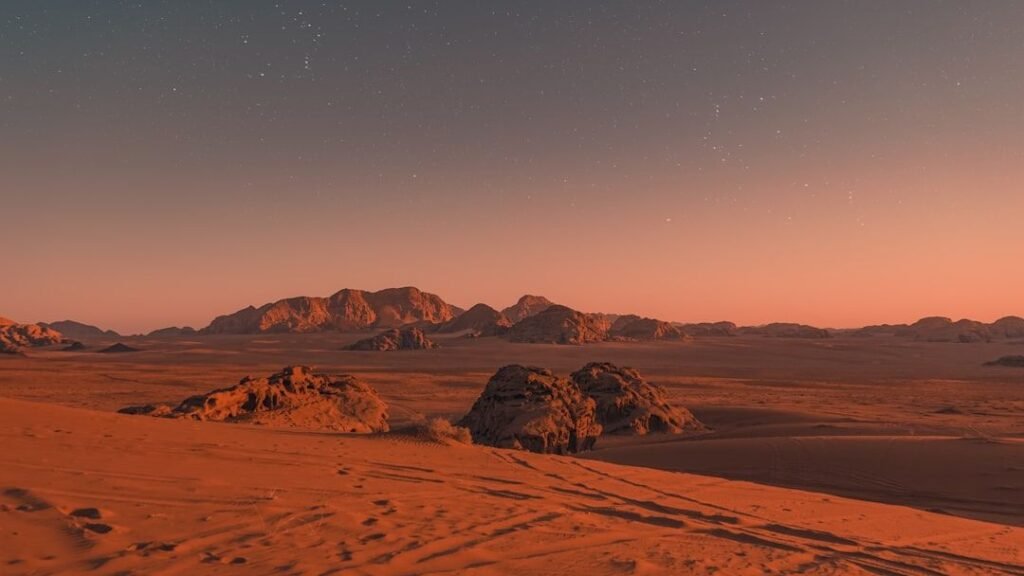

It’s hard to look at modern Mars – dry, dusty, and freezing – and imagine crashing waves and stormy shorelines. Yet a growing stack of evidence says that long ago, this rusty world may have looked far more like Earth, with vast oceans, lakes, rivers, and even rainfall. The more scientists dig into the Martian surface and atmosphere, the clearer the picture becomes: Mars was once, quite literally, a blue planet.
What changed, and what exactly do we know for sure? Over the last few decades, orbiters, rovers, and landers have turned Mars from a distant mystery into a place we can almost walk through in our minds. The story they’re uncovering isn’t just about another planet; it’s about how worlds live, change, and sometimes die. And somewhere inside that story is an uncomfortable question: if Mars could lose its oceans, what does that say about the future of Earth?
Ancient Shorelines: The First Clues of a Lost Ocean
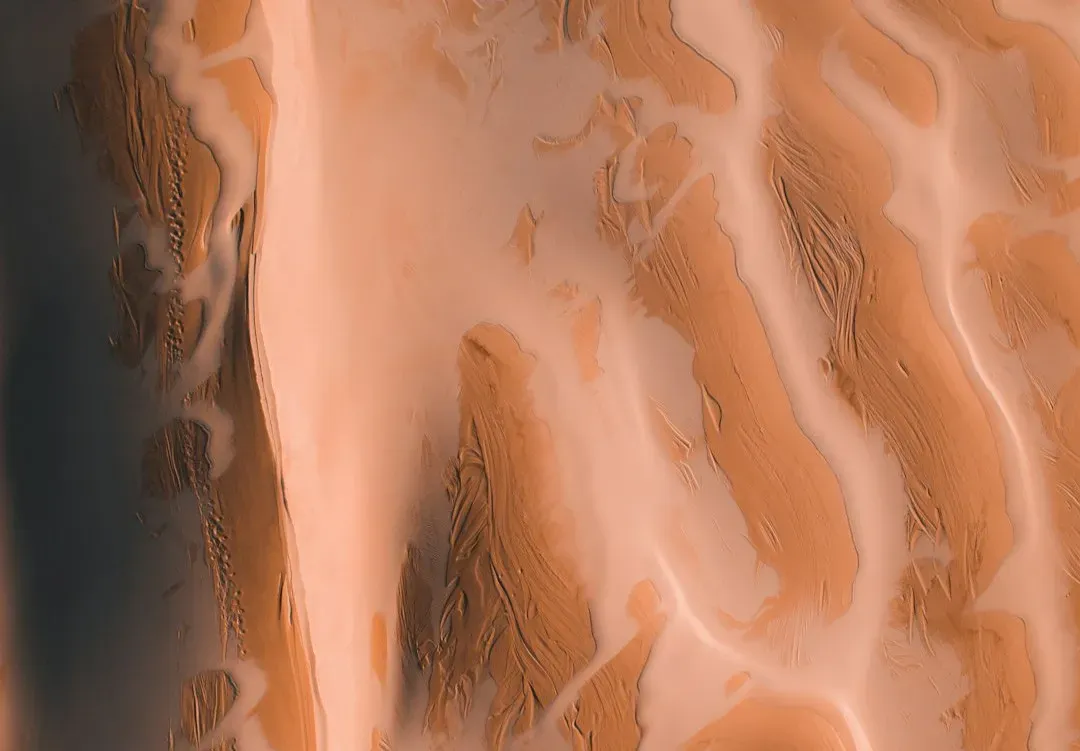
One of the most surprising pieces of evidence for Martian oceans comes from what look like ancient shorelines etched into the planet’s northern lowlands. Vast, gently sloping regions, especially around the northern plains, appear strikingly similar to coastal terraces on Earth, where waves and tides have carved level “steps” over long periods of time. When scientists first mapped the topography of Mars in detail, they noticed that many of these features sit at roughly similar elevations, as if they once marked a global sea level.
These possible shorelines stretch thousands of kilometers across the planet, wrapping around basins that would have been perfect candidates to hold water. There’s debate, of course: some researchers argue these shapes could be created by tectonics, ice, or volcanic activity instead. But as more terrain data has come in, the coastal interpretation has kept gaining weight, especially when combined with other evidence, like channels feeding into the basins. It’s like finding a bathtub ring inside a drained tub – you can argue about what left it there, but water is a very good guess.
River Valleys and Deltas That Shouldn’t Exist on a Dead World
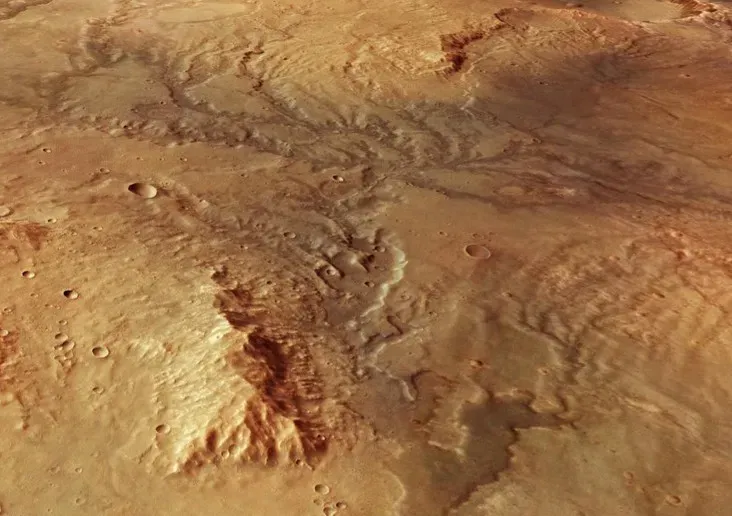
Walk your eyes along high‑resolution images of Mars and you’ll see something eerily familiar: winding valleys, braided channels, and fans of sediment spreading out at the mouths of ancient rivers. These features look almost identical to dried‑up river systems on Earth. Some of the valley networks are hundreds of kilometers long, too complex to be the work of a brief flood or glacial melt. They suggest rainfall or long‑lived snowmelt, feeding rivers that carved their way slowly through Martian rock.
Even more compelling are the deltas, like the one inside Jezero Crater where NASA’s Perseverance rover is exploring. Deltas form when rivers slow down and drop their sediment into a standing body of water, such as a lake or an ocean. On Mars, these fossilized deltas preserve layered sediments and fan shapes that practically scream “long‑lived water.” You don’t get that kind of structure from a quick splash; you get it from water that stuck around for thousands or even millions of years.
Minerals That Only Form in Long‑Lasting Liquid Water
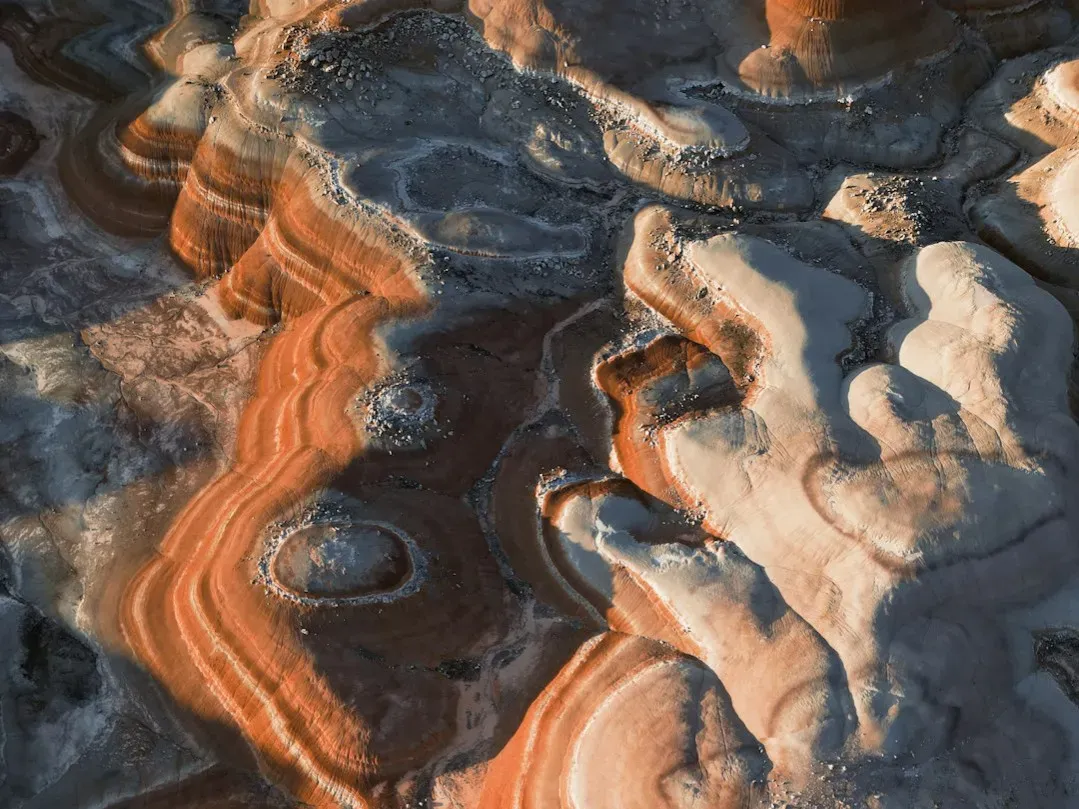
Rocks are like diaries; they remember the conditions they formed in. On Mars, orbiters and rovers have found minerals that usually only form in the presence of liquid water, and not just a little bit of it. Clay minerals, for example, are created when rocks sit in contact with water for long periods of time, allowing chemical reactions to slowly alter them. Rovers like Curiosity in Gale Crater and Perseverance in Jezero have drilled into such rocks and confirmed they were altered by neutral to mildly salty water, the kind that is potentially friendly to life.
Beyond clays, scientists have spotted sulfates, carbonates, and other hydrated minerals that strengthen the case for widespread water. Carbonates are especially interesting because they can indicate interaction between water and a carbon‑rich atmosphere, hinting at a thicker, warmer climate in the past. The distribution of these minerals across the planet paints a picture of ancient Mars with not just occasional wet spots, but extensive, varied environments such as lakes, groundwater systems, and possibly even an ocean cycling water and sediments the way Earth’s does.
How Mars Lost Its Atmosphere – And Its Oceans With It
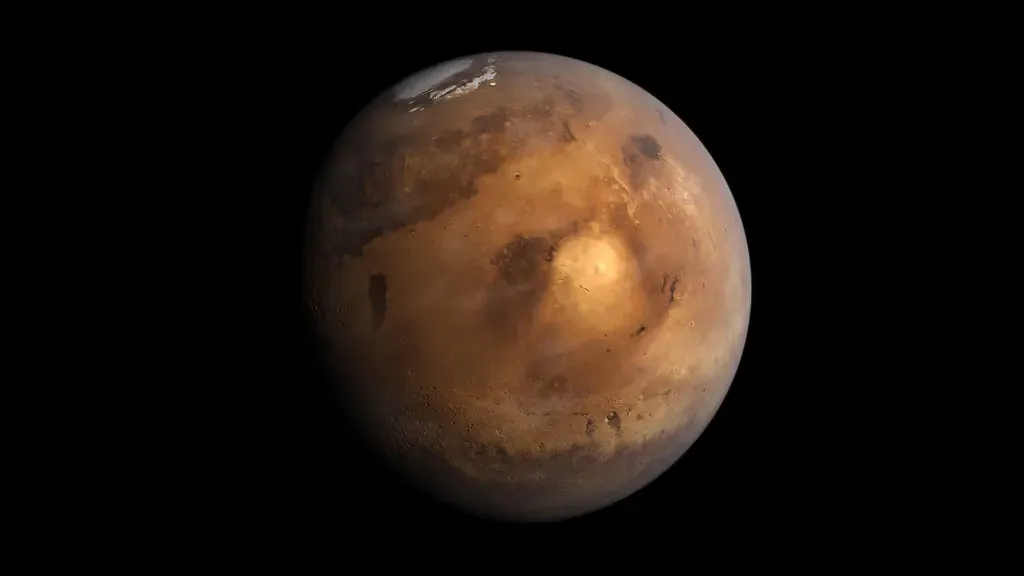
If Mars once had oceans, something drastic must have happened to strip them away. One of the leading explanations centers on the planet’s weak gravity and the loss of its global magnetic field. Long ago, Mars appears to have had a stronger magnetic shield, similar to Earth’s, that protected its atmosphere from the harsh solar wind. When that shield faded, the upper atmosphere became exposed, and charged particles from the Sun began to slowly erode it away, molecule by molecule.
NASA’s MAVEN orbiter has been measuring how fast Mars still loses atmosphere to space today, and the data suggests that in the past, with a more active young Sun, this process would have been far more intense. As the atmosphere thinned, Mars would have struggled to keep surface temperatures above freezing, and liquid water would have become unstable. Oceans and lakes would have gradually evaporated and then been broken apart by sunlight, with hydrogen escaping to space. What’s left behind is the cold, thin, and almost airless planet we see now, with only traces of its former climate locked up in rocks and ice.
Frozen Relics: Ice Caps, Hidden Glaciers, and Buried Water
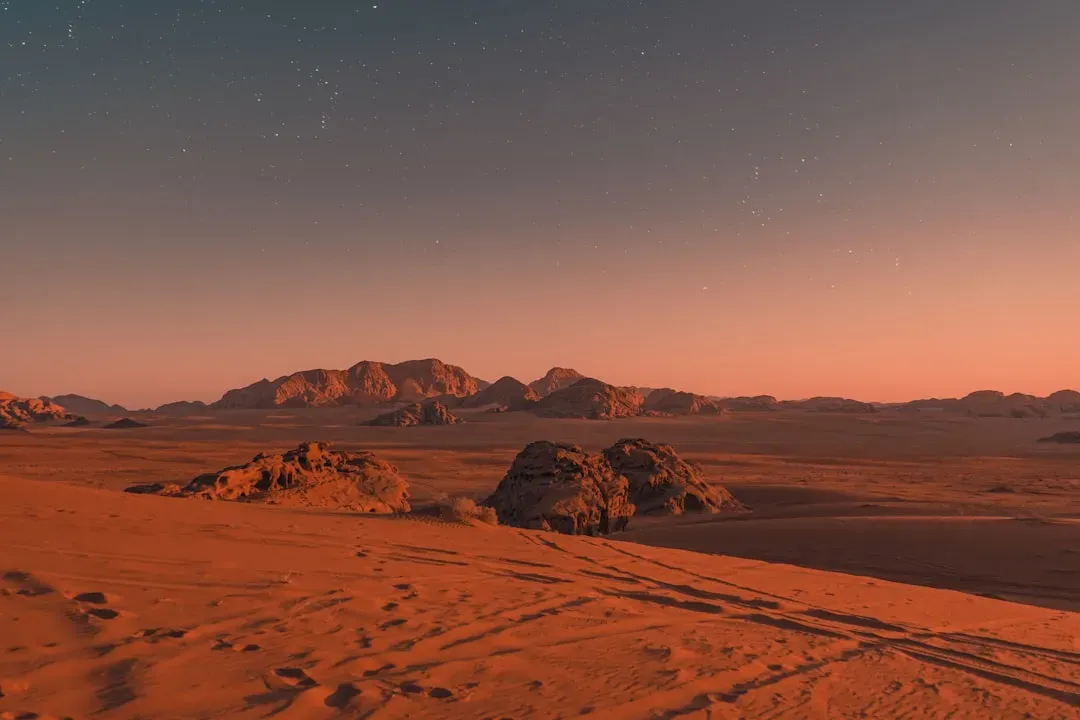
Even though the surface of Mars today is dry, water hasn’t disappeared completely; a lot of it is simply frozen. The polar caps contain huge quantities of water ice mixed with layers of dust, a kind of Martian deep freeze that records climate swings over millions of years. Radar instruments on orbiters have also revealed buried ice deposits far from the poles, including what look like ancient glaciers covered by a blanket of debris. These hidden ice bodies suggest that Mars has cycled water around its surface and subsurface in complex ways.
More recently, high‑resolution radar surveys have hinted at thick deposits of water ice beneath mid‑latitude regions, sometimes only a few meters below the surface. For future human explorers, this is a big deal, because those ice deposits could be tapped for drinking water, fuel, and even building materials. For scientists, they’re like time capsules from the planet’s wetter past. Every new ice discovery underscores a key point: it’s easier to lose surface oceans than to completely erase the fingerprints they leave behind.
Could Life Have Emerged in Mars’s Ancient Seas?
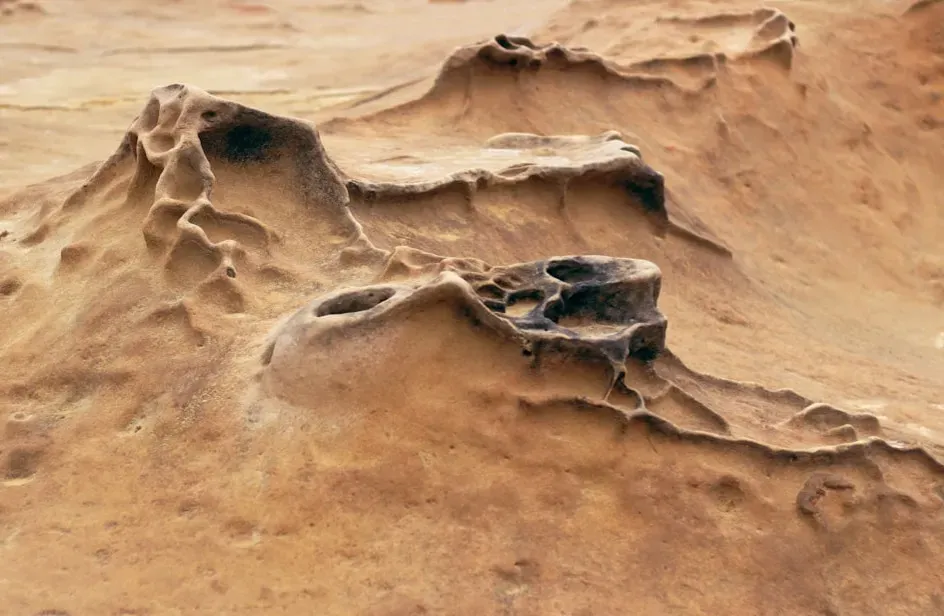
Whenever the topic of ancient Martian oceans comes up, one question follows almost immediately: could something have lived there? On early Mars, with liquid water, energy from sunlight, and a thicker atmosphere, the basic ingredients for life as we know it might have been in place. If microbes can thrive in Earth’s deep oceans, acidic hot springs, and buried brines under Antarctic ice, it’s not much of a stretch to imagine something tiny and tough finding a foothold in Martian lakes or shallow seas.
So far, no mission has found direct evidence of past or present life on Mars. But rovers like Perseverance are explicitly searching for possible biosignatures, such as certain patterns in rock layers or organic molecules that might hint at former biology. The most promising rocks are the ones formed in long‑lived water environments, especially deltas and lakebeds. For me, this is where the story becomes almost haunting: if Mars once had oceans and never produced life, that says something sobering about how rare life might be. If it did, and we eventually find signs of it, then we’ll know that life can emerge on more than one world in a single solar system.
Why Mars’s Wet Past Matters for Our Future
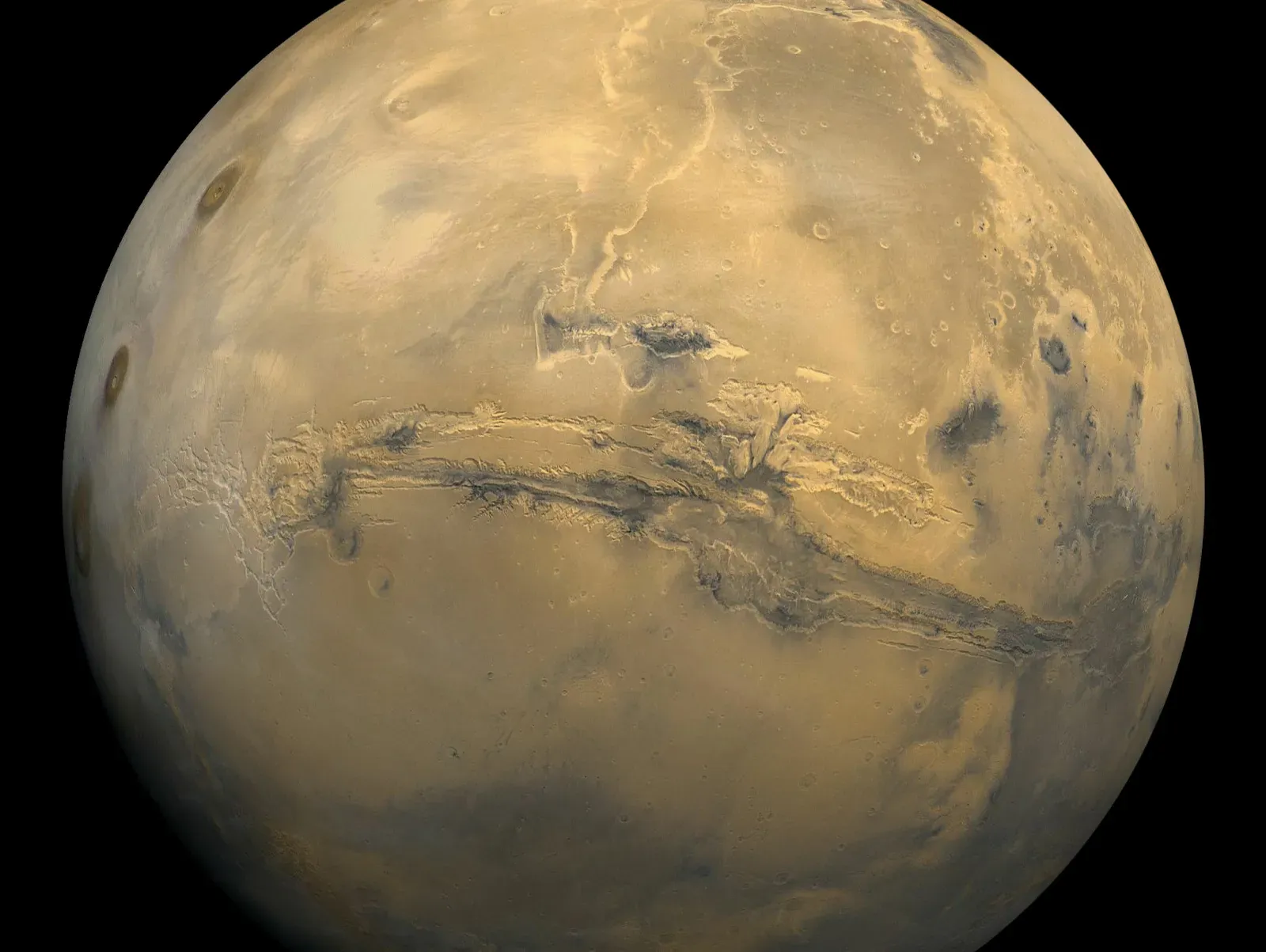
It’s tempting to treat Mars as a distant curiosity, a cool backdrop for science fiction and rover selfies. But the story of its lost oceans is also a warning and a lesson. Mars shows us that planets can change dramatically; having water once doesn’t guarantee having it forever, and a blue world can turn red over time. Understanding exactly how and why Mars shifted from warm and wet to cold and dry helps scientists refine models of planetary climate and atmosphere evolution, including for Earth.
There’s also something deeply human about the way we keep going back to Mars, asking the same basic questions in more and more sophisticated ways. The idea that this small, quiet planet may once have roared with storms over dark seas forces us to think bigger about what a “habitable world” really means. It pushes us to imagine oceans that no longer exist and perhaps lives that were never given a chance to flourish. When you look at the pale scar of an ancient shoreline on Mars, it’s hard not to wonder: how many other worlds out there have lost their oceans too?