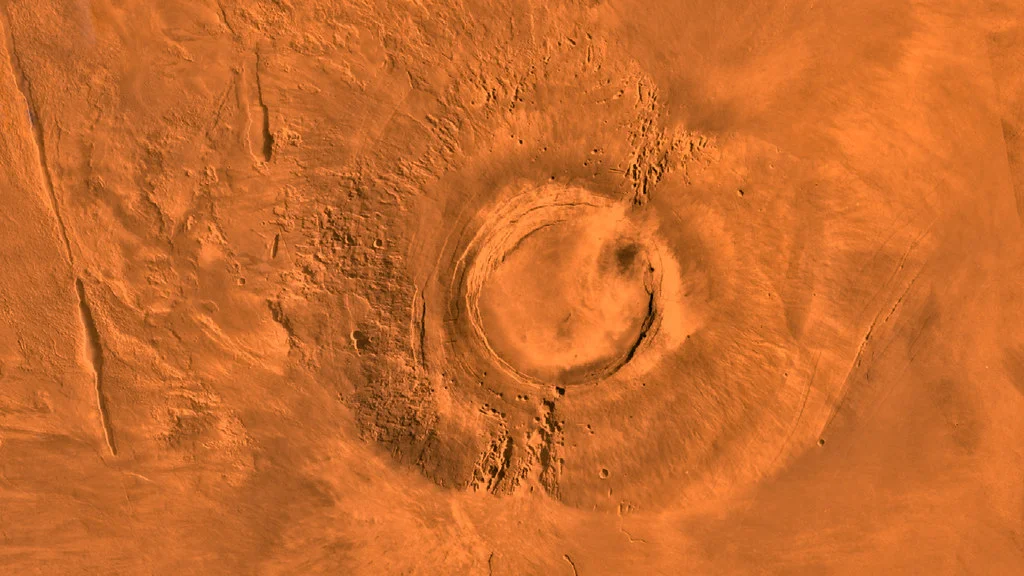

You might think Mars is just a cold, lifeless rock floating through space. Yet recent scientific discoveries have turned that idea completely on its head. The red planet appears to be far more geologically alive than we ever imagined, with evidence mounting that volcanic activity could still be happening today.
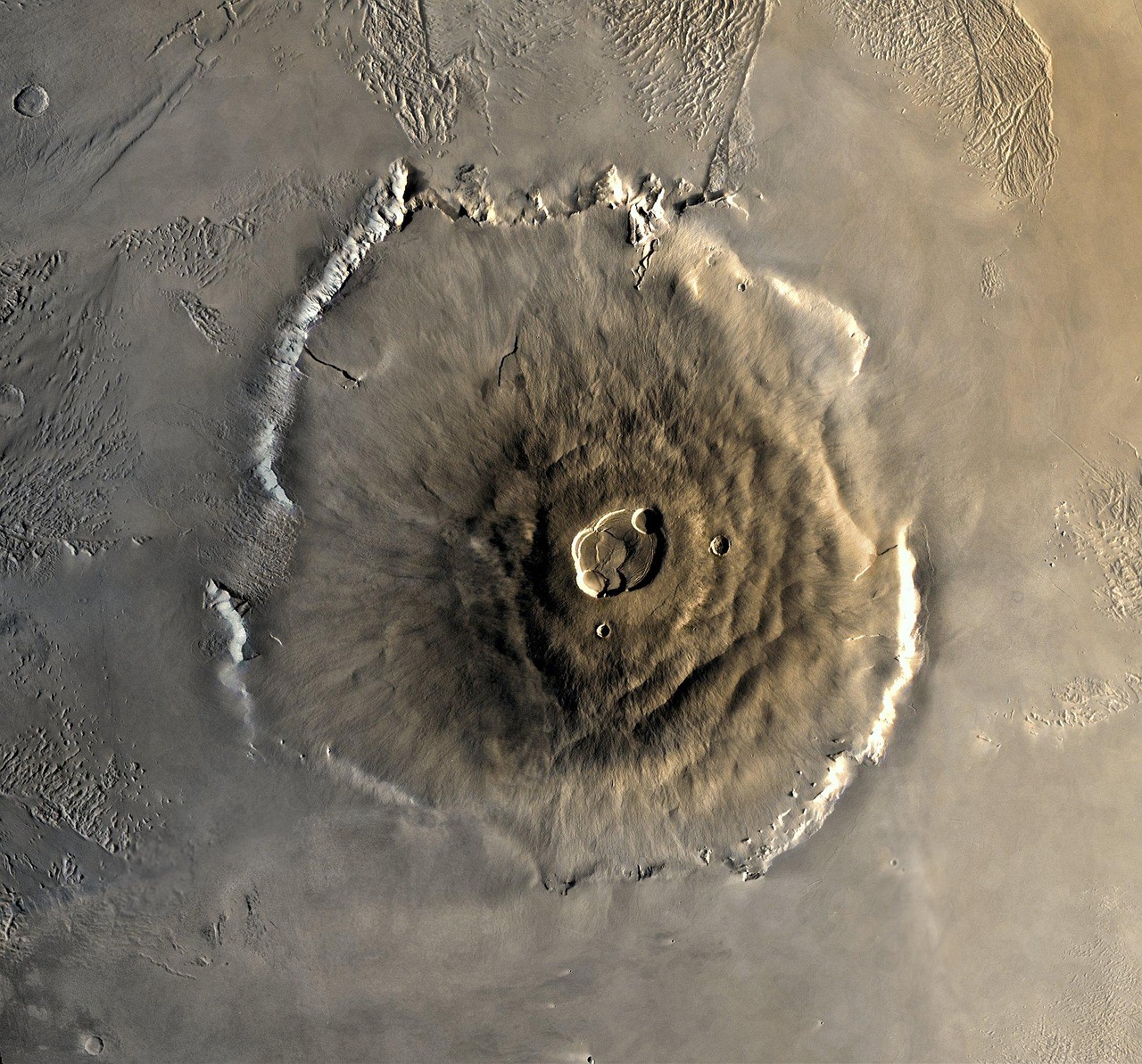
Scientists have long known about Mars’ enormous ancient , including Olympus Mons, the tallest mountain in our solar system. However, new research suggests that the planet’s volcanic story is far from over. From mysterious seismic activity to recently discovered volcanic deposits, Mars may still have molten rock churning beneath its surface, ready to erupt at any moment.
The Hidden Giant: A Massive Volcano Discovered in Plain Sight
A deeply eroded giant volcano, active from ancient through recent times and with possible remnants of glacier ice near its base, had been hiding near Mars’ equator in plain sight, imaged repeatedly by orbiting spacecraft around Mars since Mariner 9 in 1971 but deeply eroded beyond easy recognition. Scientists made this groundbreaking discovery in 2024, revealing that we’ve been looking at this massive volcanic structure for decades without recognizing it.
The structure, reportedly reaching significant elevation and spanning hundreds of kilometers in width, with its gigantic size and complex modification history indicating that it has been active for a very long time. What makes this discovery even more exciting is the potential for ongoing activity.
In its southeastern part lies a thin, recent volcanic deposit beneath which glacier ice is likely still present, and this combined giant volcano and possible glacier ice discovery is significant, as it points to an exciting new location to study Mars’ geologic evolution through time, search for life, and explore with robots and humans in the future.
The Elysium Planitia Hotspot: Mars’ Most Active Region
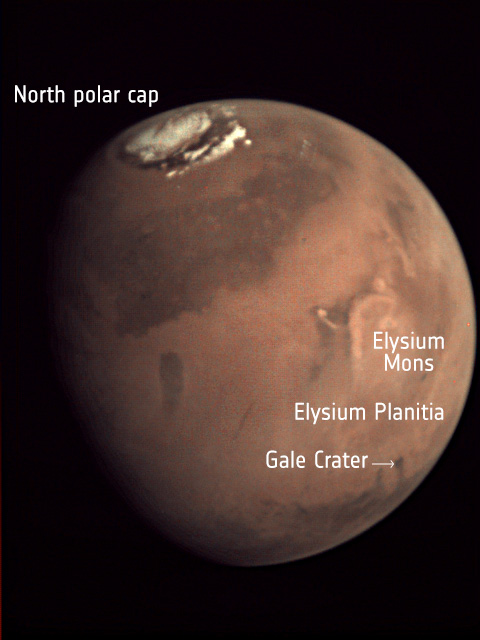
Imagine if you could compress Mars’ entire geological history into a single day. If we were to compress Mars’ geologic history into a single day, the most recent volcanic activity would have occurred in the very last second. This remarkable comparison comes from researchers studying Elysium Planitia, a seemingly featureless plain that has become the epicenter of Martian volcanic excitement.
Enormous amounts of lava have erupted from numerous fissures as recently as 1 million years ago, blanketing an area almost as large as Alaska and interacting with water in and under the surface, resulting in large flood events that carved out deep channels. The sheer scale of these recent volcanic events is mind-boggling.
Elysium Planitia is composed of material from about 40 episodes of effusive volcanic activity, with individual eruptions producing volumes of 4,000 ± 1,600 km3 infilling Athabasca Valles, 12,200 ± 2,500 km3 in Marte Vallis, and 16,000 ± 4,000 km3 in Rahway Valles for the major flow units. These numbers represent truly massive volcanic events that dwarf anything we see on Earth today.
Explosive Evidence: The Youngest Volcanic Deposit on Mars
Using data from satellites orbiting Mars, researchers discovered a previously unknown volcanic deposit that may be the youngest volcanic deposit yet documented on Mars. This discovery has fundamentally changed how scientists view the planet’s current geological state.
Evidence of recent volcanic activity on Mars shows that eruptions could have taken place within the past 50,000 years. In geological terms, fifty thousand years is practically yesterday. This timeframe means that volcanic eruptions on Mars happened when early humans were already walking the Earth.
The volcanic eruption produced an 8-mile-wide, smooth, dark deposit surrounding a 20-mile-long volcanic fissure, and this feature overlies the surrounding lava flows and appears to be a relatively fresh and thin deposit of ash and rock, representing a different style of eruption than previously identified pyroclastic features. The distinctive characteristics of this deposit suggest a violent, explosive eruption rather than the gentle lava flows typically associated with Martian volcanism.
Seismic Secrets: What Marsquakes Tell Us About Volcanic Activity
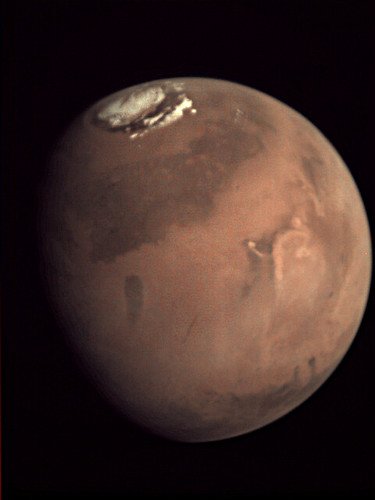
NASA’s InSight lander, which operated on Mars from 2018 to 2022, detected more than 1,300 Marsquakes, and researchers have analyzed a slew of recent temblors on the Red Planet and shown that these Marsquakes are probably caused by magma moving deep under the Martian surface. This discovery represents a paradigm shift in our understanding of Mars as a potentially active world.
By comparing the seismic waves that InSight measured with the seismic waves produced in different regions on our own planet, the researchers showed that the low-frequency Marsquakes are probably produced by magma moving several tens of kilometers below Mars’ surface, with results that are much more consistent with data from volcanic regions on Earth.
On Mars, this mantle plume likely drives much of the seismic activity – thousands of marsquakes – NASA’s InSight lander has detected in the region since 2018. The concentration of seismic activity in specific regions strongly suggests ongoing geological processes beneath the surface.
The Cerberus Fossae Connection: A Volcanic Fault System
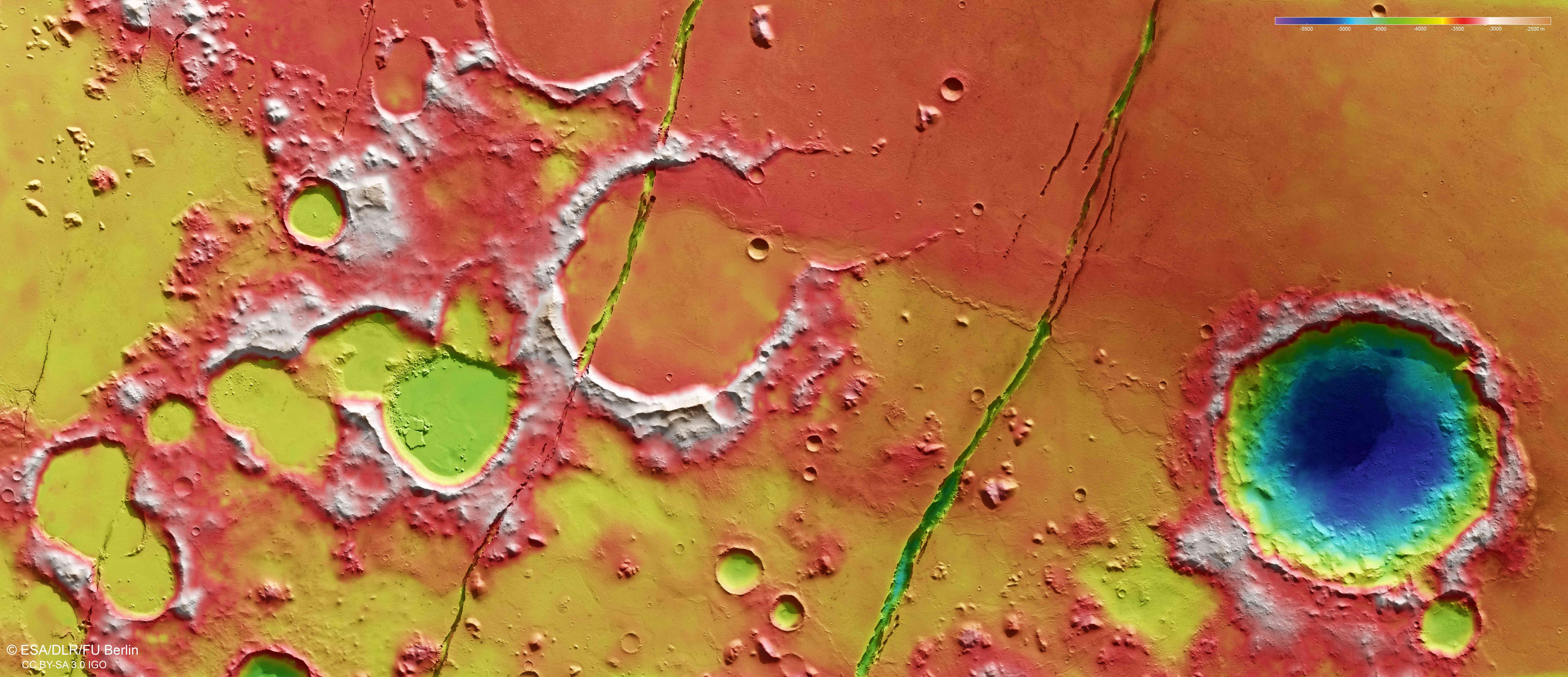
Previous studies have determined that several Marsquakes originated from a swath of Martian terrain known as Cerberus Fossae, a region which is particularly riddled with faults and is more than 1,000 kilometers from the InSight lander. This area has become ground zero for understanding Mars’ current volcanic activity.
There is also a volcanic connection between Elysium Planitia and a region within it called Cerberus Fossae, where fissures and faults stretch for more than 800 miles (1,287 km), and almost all the marsquakes detected by NASA’s InSight lander have originated in this region. The correlation between seismic activity and this specific geological feature is too strong to ignore.
Images acquired by cameras orbiting Mars show faults and channels in the Cerberus Fossae region, evidence of lava flows and running water, with some of the volcanic flows occurring in the last 10 million years, and landslides appearing to indicate boulders may have been shaken loose by marsquakes, presumably tremors triggered by volcanic activity.
The Mantle Plume Theory: What Drives Mars’ Activity
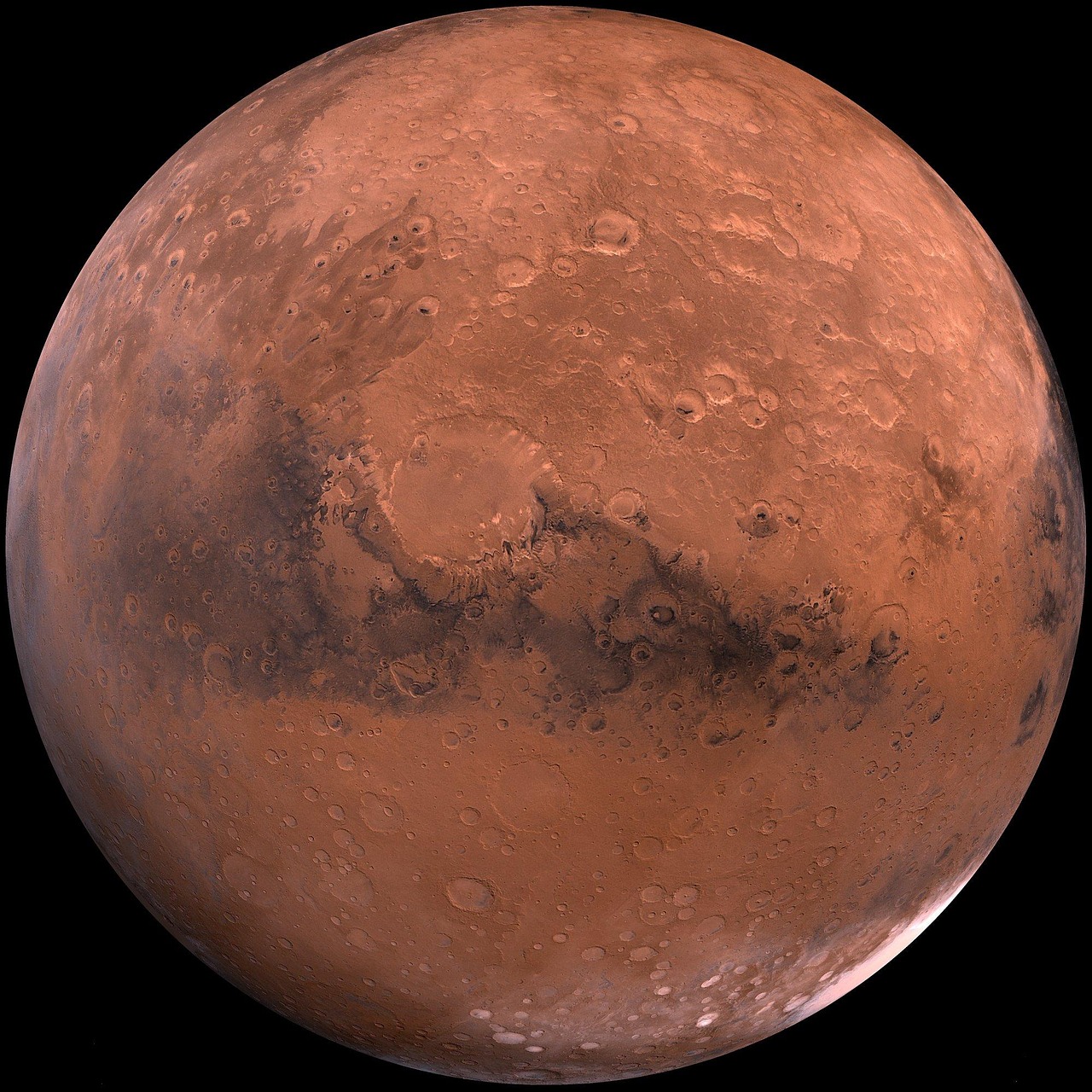
A new analysis of orbital images of the Elysium Planitia region suggests a huge mantle plume of hot molten rock (magma) pushing upward from the mantle deep below, and such mantle plumes, also found on Earth, can cause earthquakes, faulting and volcanic eruptions. This discovery provides a compelling explanation for the ongoing activity on Mars.
Researchers found that although Elysium Planitia is a flat plain, something from below had uplifted its surface by more than a mile (1.6 km), with analysis of variations in the gravity of this region also showing that this upwelling is supported from deep below the surface, all of which is consistent with a mantle plume.
The final piece of the puzzle fell in place when the researchers applied a tectonic model to the Elysium Planitia region, revealing the presence of a mantle plume 2,500 miles (4,023 km) wide, with observational evidence and geophysical models demonstrating that Elysium Planitia is underlain by an approximately 4,000-km-diameter active mantle plume head.
Recent Explosive Volcanism: A Different Kind of Eruption
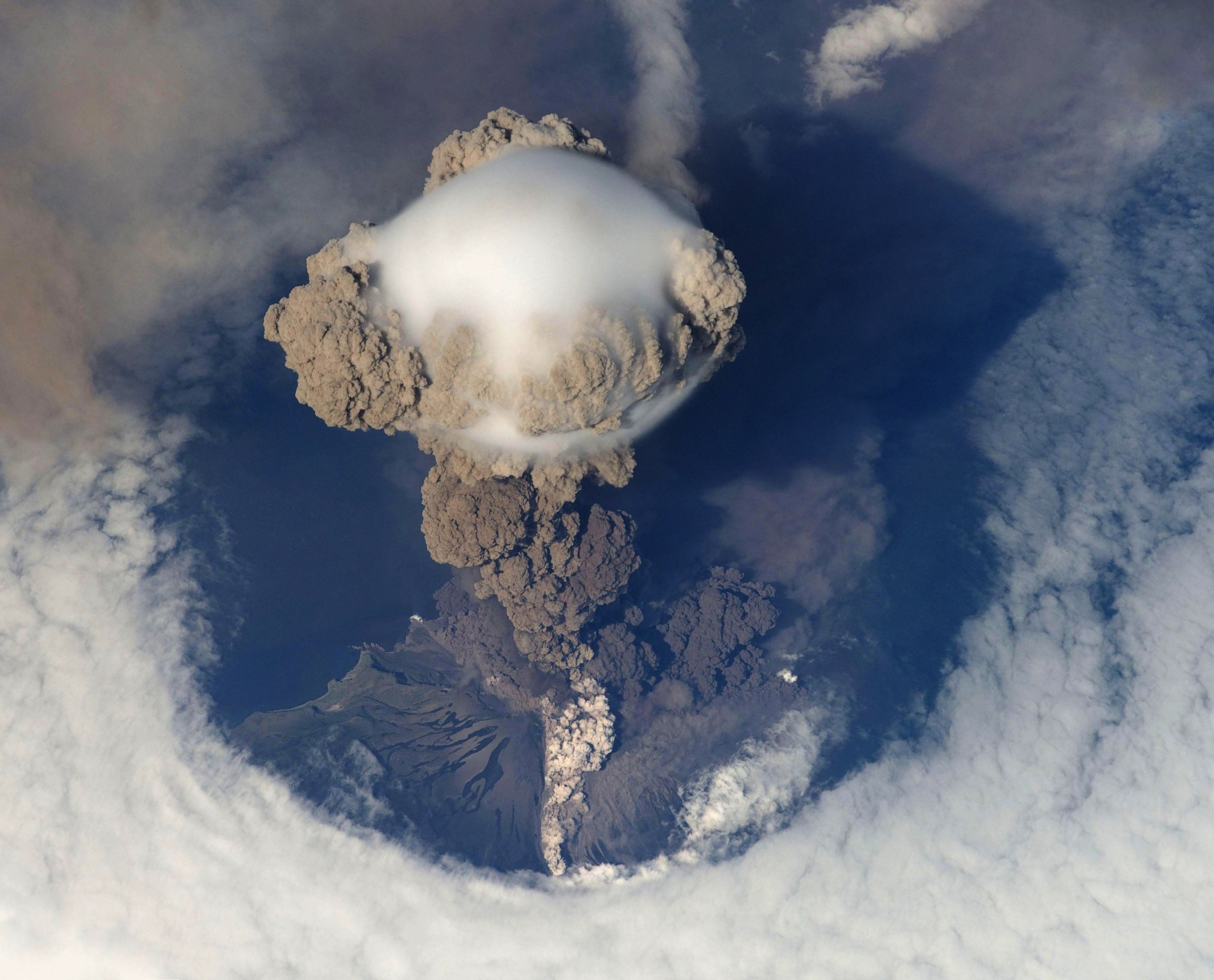
This eruption could have spewed ash as high as 6 miles into Mars’ atmosphere, and it is possible that these sorts of deposits were more common but have been eroded or buried. The explosive nature of this recent volcanism represents a departure from the typical effusive lava flows we associate with Martian volcanoes.
The explosion either could have been a result of gases already present in the Martian magma, or it could have happened when the magma came into contact with Martian permafrost, where the ice melts to water, mixes with the magma and vaporizes, forcing a violent explosion of the mixture. This interaction between volcanic activity and subsurface ice could be key to understanding Mars’ explosive potential.
The identified explosive volcanic deposits are associated with late Amazonian volcanic activity in Tharsis, and the identification of these very recent (<100 Ma) deposits across the entire Tharsis volcanic province needs reconciling with our current view of the evolution of explosive volcanism on Mars.
Future Implications: What This Means for Mars Exploration
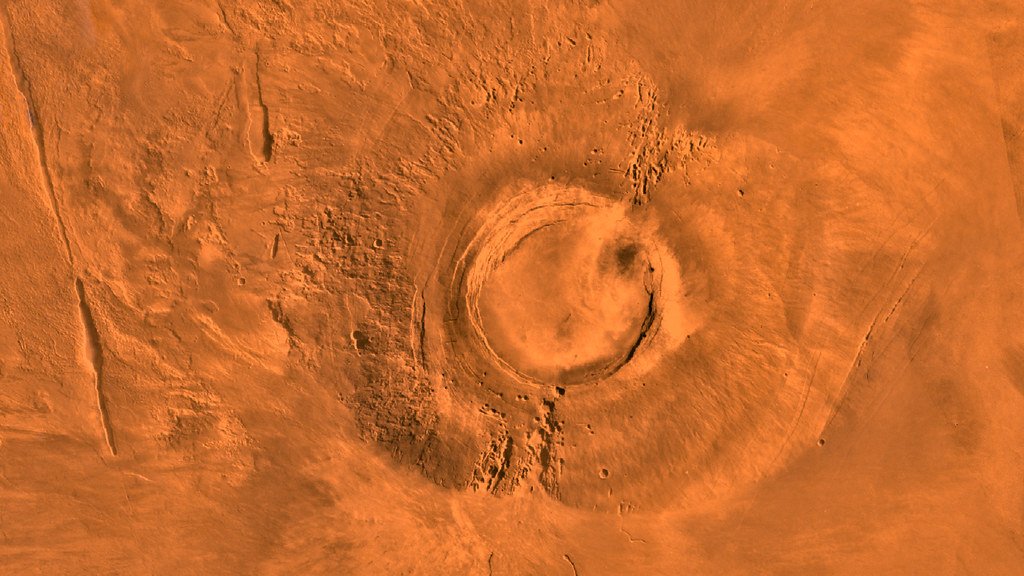
The volcanic deposit described in this study, along with ongoing seismic rumbling in the planet’s interior detected by InSight and possible evidence for releases of methane plumes into the atmosphere detected by NASA’s MAVEN orbiter, suggest that Mars is far from a cold, inactive world. These multiple lines of evidence paint a picture of a planet that is very much alive beneath its surface.
Rather than being a geologically dead planet, as some have suggested, Mars might be a surprisingly dynamic place, and this finding rewrites our understanding of Mars, with still so much more to learn about our celestial neighbor. The implications for future exploration are profound.
This may be the most recent volcanic eruption on Mars, but scientists can rest assured that it won’t be the last. The potential for ongoing volcanic activity means that future Mars missions might witness geological events in real-time, providing unprecedented opportunities to study planetary volcanism as it happens.
Mars continues to surprise us with evidence that it remains a geologically active world. From massive hidden volcanoes to recent explosive eruptions, seismic activity to mantle plumes, the red planet is revealing itself to be far more dynamic than we ever imagined. The possibility that fundamentally changes how we view our planetary neighbor and opens exciting new avenues for scientific exploration. What other secrets might this fascinating world be hiding beneath its dusty surface?
Hi, I’m Andrew, and I come from India. Experienced content specialist with a passion for writing. My forte includes health and wellness, Travel, Animals, and Nature. A nature nomad, I am obsessed with mountains and love high-altitude trekking. I have been on several Himalayan treks in India including the Everest Base Camp in Nepal, a profound experience.