
Imagine floating in the silent darkness miles beneath the ocean’s surface. All around you, tiny, shimmering flecks drift down endlessly—like snow falling in the dead of night, only this snow never settles on the land. Instead, it rains down in a gentle, unceasing blizzard, feeding the mysterious world of the deep sea. This isn’t a fantasy or a scene from a science fiction novel. It’s real, and it’s happening right now, every second, in the vast underwater realm of our planet. It’s called marine snow, and though it may sound poetic, it is one of the most crucial and awe-inspiring processes on Earth, quietly connecting the sunlit surface to the pitch-black abyss below.
What Is Marine Snow?
Marine snow is a beautiful yet somewhat eerie phenomenon. It refers to the continuous fall of organic material from the upper layers of the ocean down into the deep sea. Unlike the snowflakes we know on land, marine snow is made up of tiny particles—bits of dead plants and animals, fecal matter, shells, and other organic debris. These particles stick together, forming larger flakes that slowly sink like confetti drifting through water. The process never stops; it’s a never-ending shower, sustaining life in the darkest depths. Without marine snow, the deep ocean would be a barren wasteland, starved of the nutrients and energy it needs to survive.
The Origins of Oceanic Snowfall
The story of marine snow begins at the surface, where sunlight powers the growth of microscopic plants called phytoplankton. These tiny organisms are the foundation of the ocean’s food web. When they die or are eaten by zooplankton, the leftovers—bits of cells, shells, and waste—start their long journey downward. Some of these particles clump together, making them heavy enough to sink. Even the tiniest sneeze from a plankton can eventually become part of this slow-motion blizzard. It’s a reminder that nothing in nature is wasted; everything is recycled, piece by piece, from the sunlit top to the cold, dark bottom.
A Slow Descent to the Abyss
The journey of marine snow is painstakingly slow. It can take days, weeks, or even months for a single flake to travel from the surface to the sea floor, drifting through currents and passing through layers of ocean life. Along the way, these particles are nibbled, broken down, and sometimes even consumed entirely by hungry creatures. Still, a surprising amount manages to slip through, making it all the way to the deepest trenches. Imagine a snowflake falling from the clouds and taking a year to reach the ground—that’s how gradual and delicate this process is.
The Importance of Marine Snow for Deep-Sea Life
For the creatures living miles below the surface, marine snow is nothing less than a lifeline. Sunlight can’t reach these depths, so the only source of food is what drifts down from above. Deep-sea fish, worms, and bizarre, otherworldly organisms depend on this steady rain of organic matter. They gather around where the snow is thickest, feasting on whatever they can catch. This falling debris forms the base of their food web, sustaining entire ecosystems in total darkness. In many ways, marine snow is the deep ocean’s answer to the sun’s energy, delivered in tiny, edible packages.
Marine Snow and the Carbon Cycle
Marine snow isn’t just important for deep-sea creatures; it plays a vital role in the planet’s carbon cycle. When organic material sinks, it carries carbon from the surface down to the ocean floor. This process helps regulate the Earth’s climate by locking away carbon dioxide that would otherwise stay in the atmosphere. Some scientists call this the ocean’s “biological pump.” It’s like a conveyor belt, quietly drawing down carbon and burying it deep below. Without this natural system, our planet could be much warmer, and the balance of life in the sea would be turned upside down.
What Does Marine Snow Look Like?
If you could take a dive in a deep-sea submersible, you’d see marine snow swirling all around, illuminated by your headlights like a cosmic snowfall. Each flake is unique, made up of shimmering bits of shell, transparent jelly, and tiny fragments of life. Some pieces are so small you’d need a microscope to see them clearly, while others can grow as large as a coin. The effect is mesmerizing—an endless dance of particles slowly twirling down, creating a sense of quiet wonder in the otherwise pitch-black ocean.
The Creatures That Thrive on Marine Snow
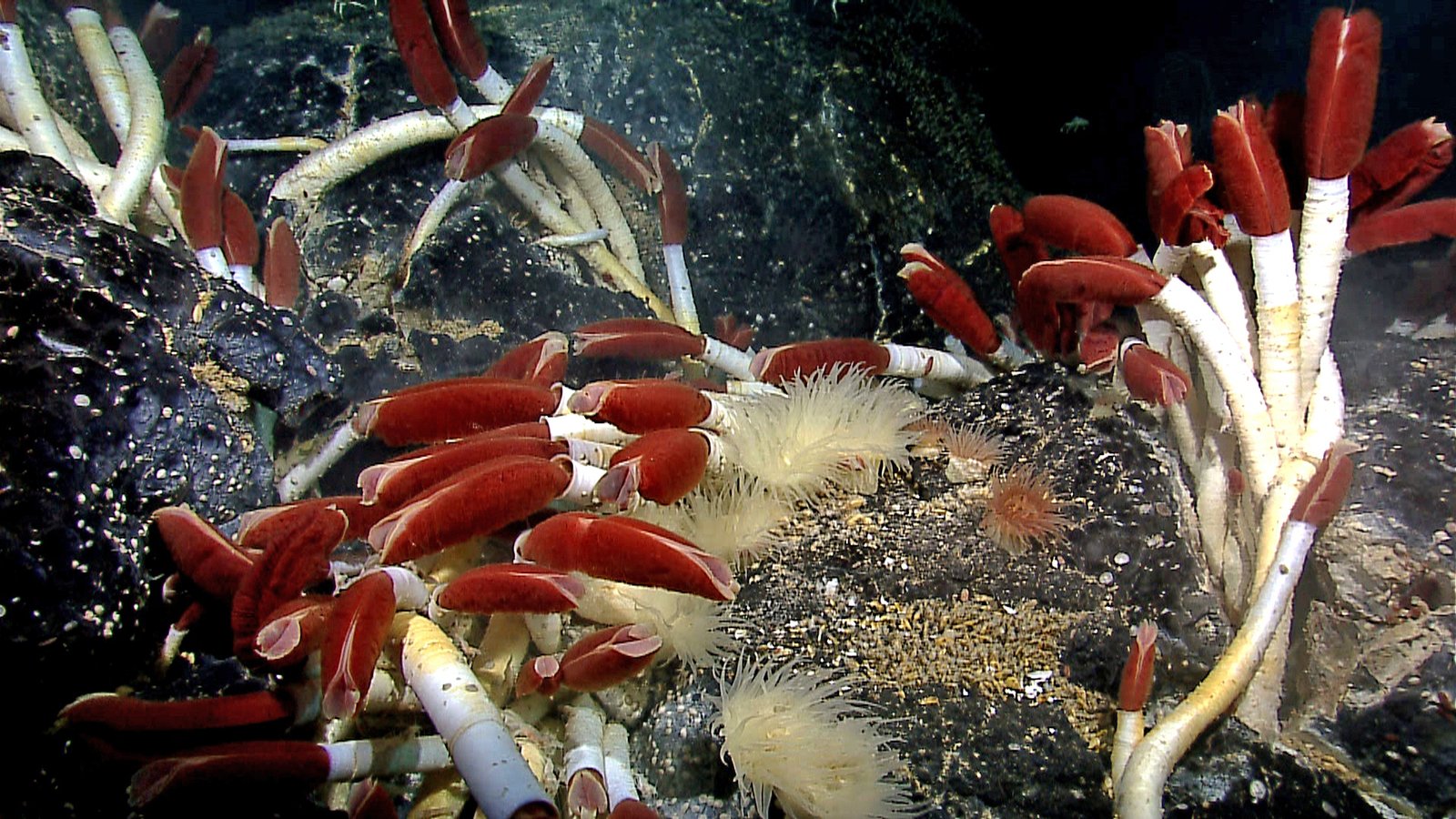
Marine snow supports an astonishing array of life on the ocean floor. Tube worms, sea cucumbers, brittle stars, and ghostly fish all rely on the steady supply of falling debris. Some animals, like the mysterious vampire squid, have adapted special ways to catch and eat marine snow. Others, such as deep-sea bacteria, break down the particles even further, recycling nutrients back into the ecosystem. This intricate web of life is built on the fragile foundation of marine snow, showing just how connected every part of the ocean truly is.
Surprising Impacts on Human Life

Even though marine snow drifts far from our daily lives, its effects are surprisingly close to home. By helping to store carbon deep in the ocean, marine snow plays a role in regulating the planet’s temperature. Scientists study this slow-motion blizzard to understand how the ocean responds to climate change and how much carbon it can safely store. In fact, the health of the ocean’s carbon pump could influence everything from weather patterns to the future of fisheries. The quiet fall of marine snow, invisible to most, is actually protecting our world in ways we’re only beginning to understand.
Threats to Marine Snow in a Changing World
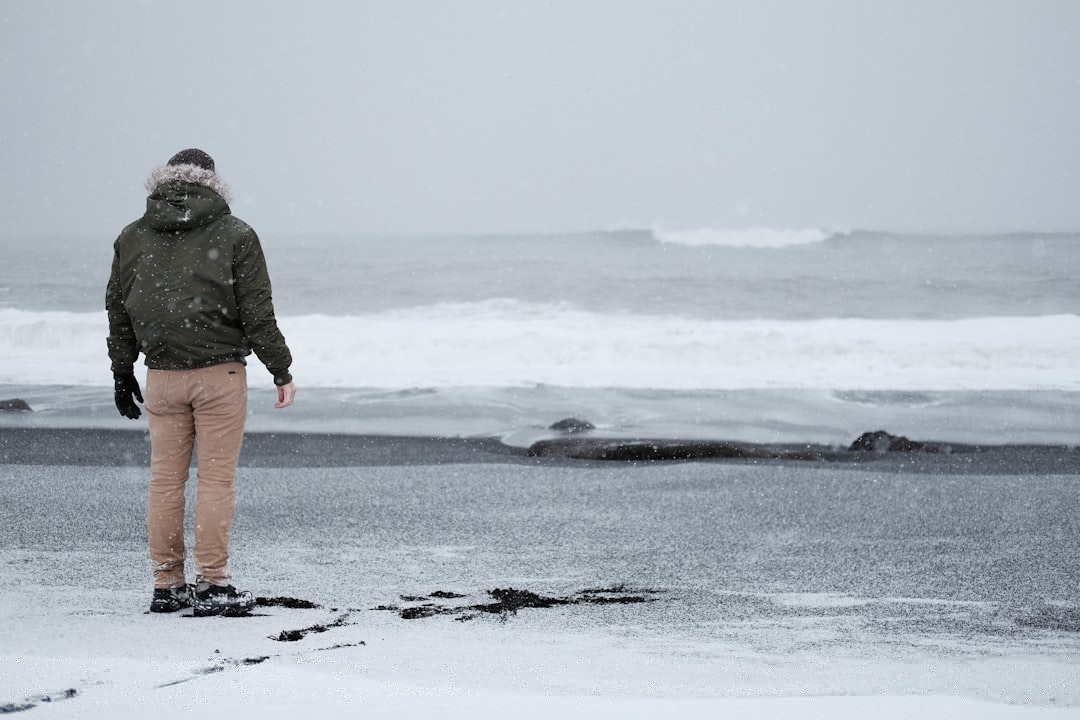
Sadly, marine snow isn’t immune to human impact. Pollution, overfishing, and warming waters can all affect how much organic material reaches the deep sea. When the balance is upset, deep-sea animals may face starvation or struggle to survive. Plastic pollution is especially troubling, as tiny pieces can become mixed in with marine snow, delivering harmful chemicals to deep-sea life. Scientists are racing to learn more about how these changes affect the delicate snowfall that the ocean depends on. The fate of entire ecosystems may hinge on our ability to protect this silent, unseen process.
How Scientists Study Marine Snow
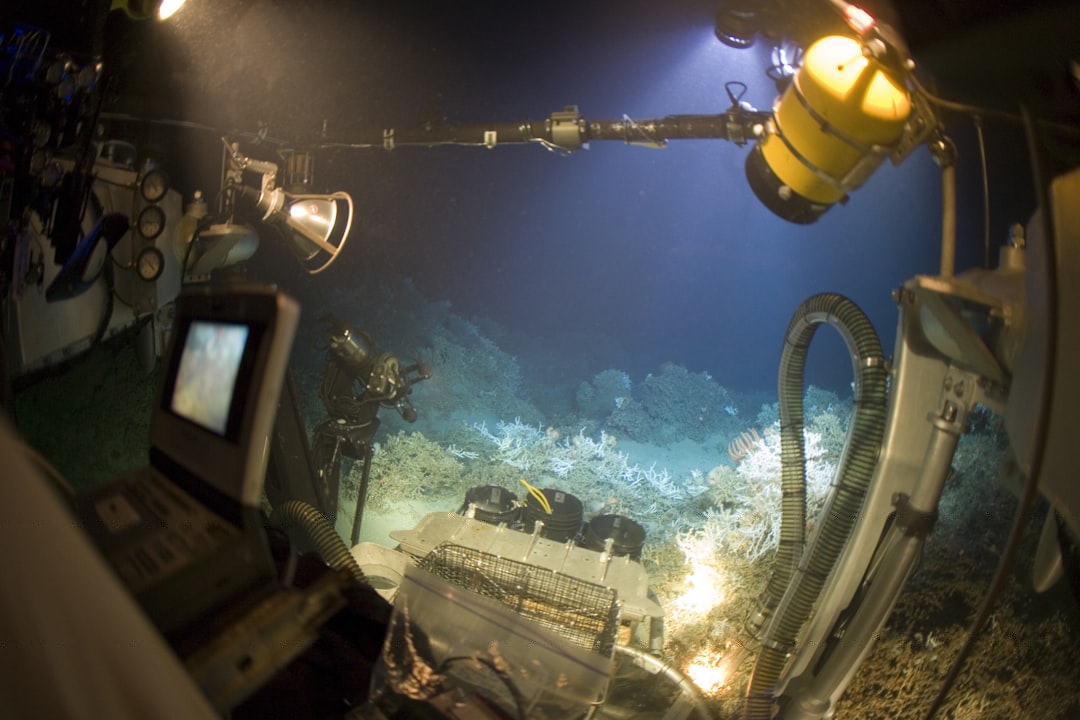
Studying marine snow is no easy task. Researchers deploy special traps and underwater cameras to catch and observe the falling particles. Some use remotely operated vehicles (ROVs) to film the blizzard in real time, revealing the incredible diversity of life that feeds on it. Laboratory experiments help scientists understand how quickly marine snow sinks and how much carbon it carries. Every new discovery brings more questions, highlighting just how mysterious and complex the ocean’s slow-motion blizzard really is.
Could Marine Snow Hold Secrets for the Future?
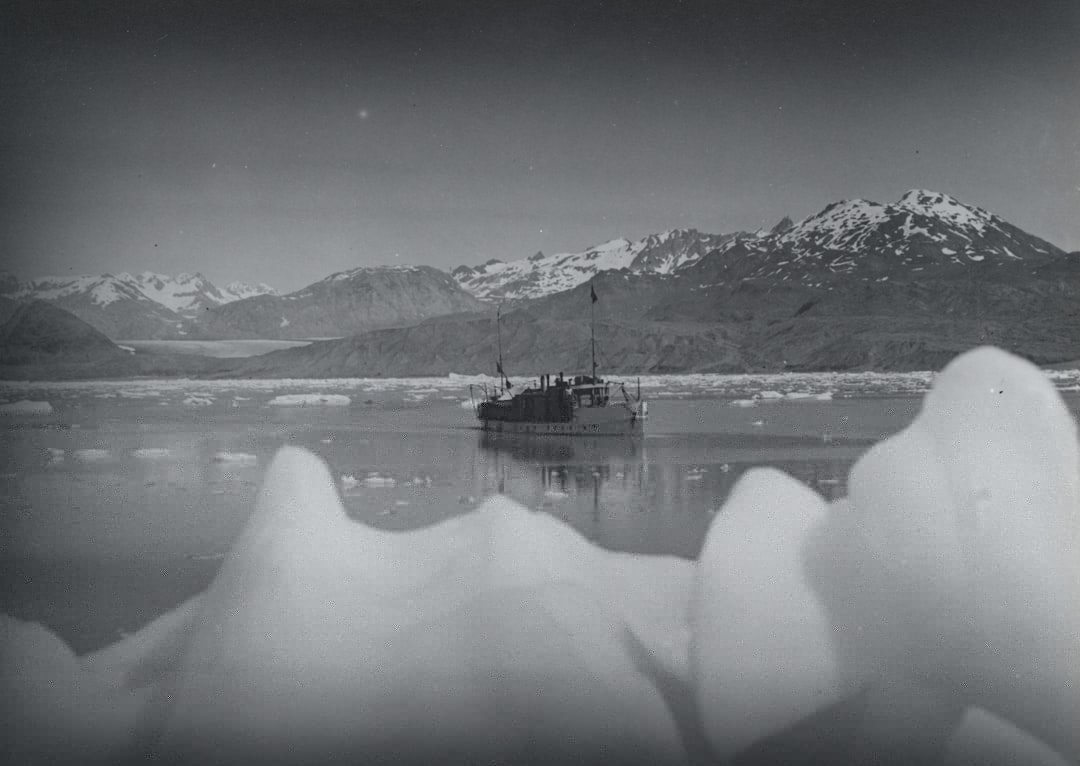
Marine snow isn’t just a curiosity—it could hold the key to understanding and protecting our planet. By learning how this constant snowfall works, scientists hope to find new ways to fight climate change and preserve ocean life. There’s even talk of harnessing the power of marine snow to capture more carbon from the atmosphere. The ocean’s ancient, silent blizzard may offer solutions to some of the biggest challenges we face. As we peer deeper into the abyss, the story of marine snow continues to inspire wonder and ignite our curiosity.