Imagine hearing the haunting song of a whale echo across a vast ocean, or watching dolphins leap with joy alongside a boat. Now imagine a world where these moments vanish forever. Marine mammals—whales, dolphins, seals, manatees, and more—are not just breathtaking wonders, but vital architects of ocean health. As pressures from fishing, pollution, and climate change grow, the laws we create to protect these creatures have become battlegrounds for our planet’s future. But here’s the twist: the rules that decide their fate are wildly different from one country to another. Why does this patchwork of protection matter so much, and what can it teach us about our responsibility to the blue heart of Earth?
Why Marine Mammals Matter More Than You Think
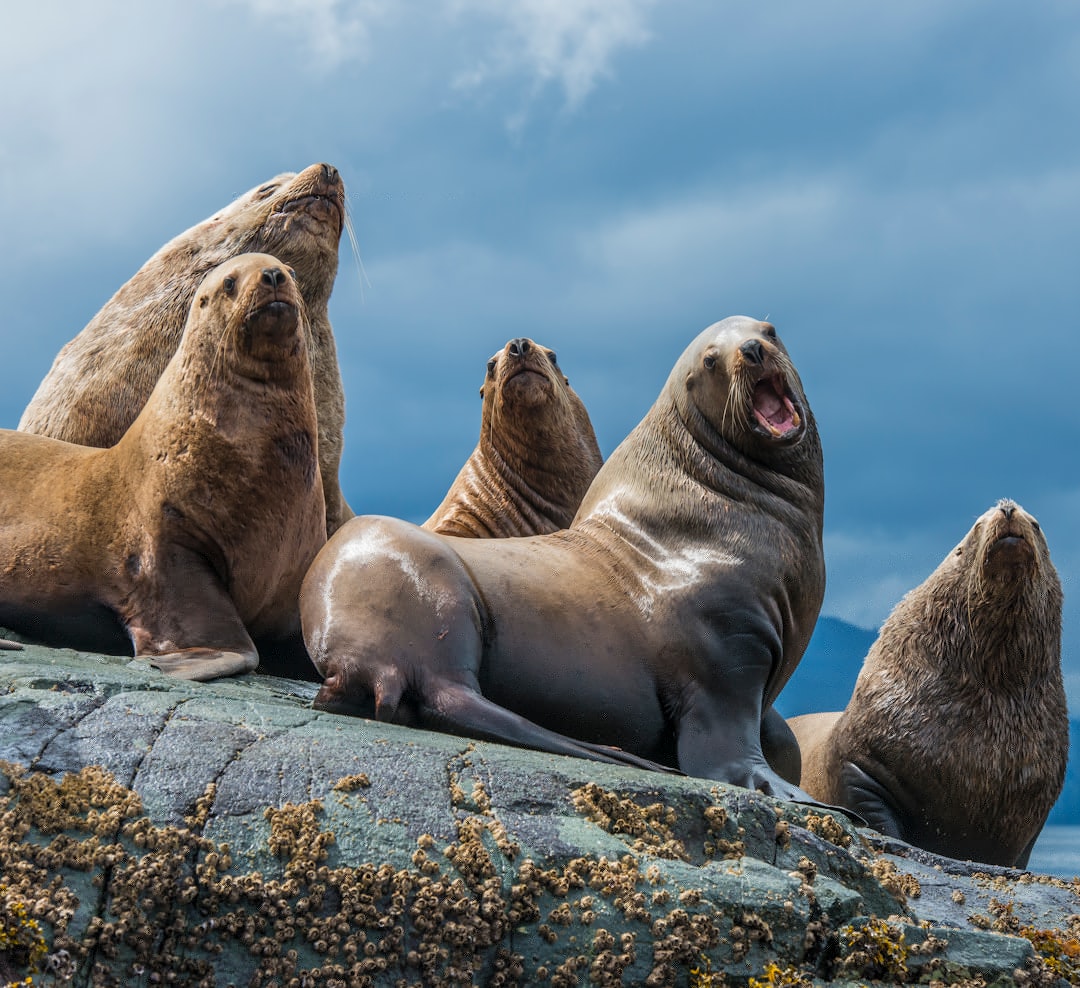
Marine mammals are more than just charismatic faces in nature documentaries. Their presence in the ocean keeps entire ecosystems balanced. For example, whales dive deep and bring up nutrients, helping tiny plants (phytoplankton) thrive—those same plants produce much of the oxygen we breathe. Seals and sea otters control fish and sea urchin populations, preventing underwater forests from disappearing. When we protect marine mammals, we’re really safeguarding the entire ocean web, and—believe it or not—our own survival.
The Birth of Marine Mammal Protection Laws
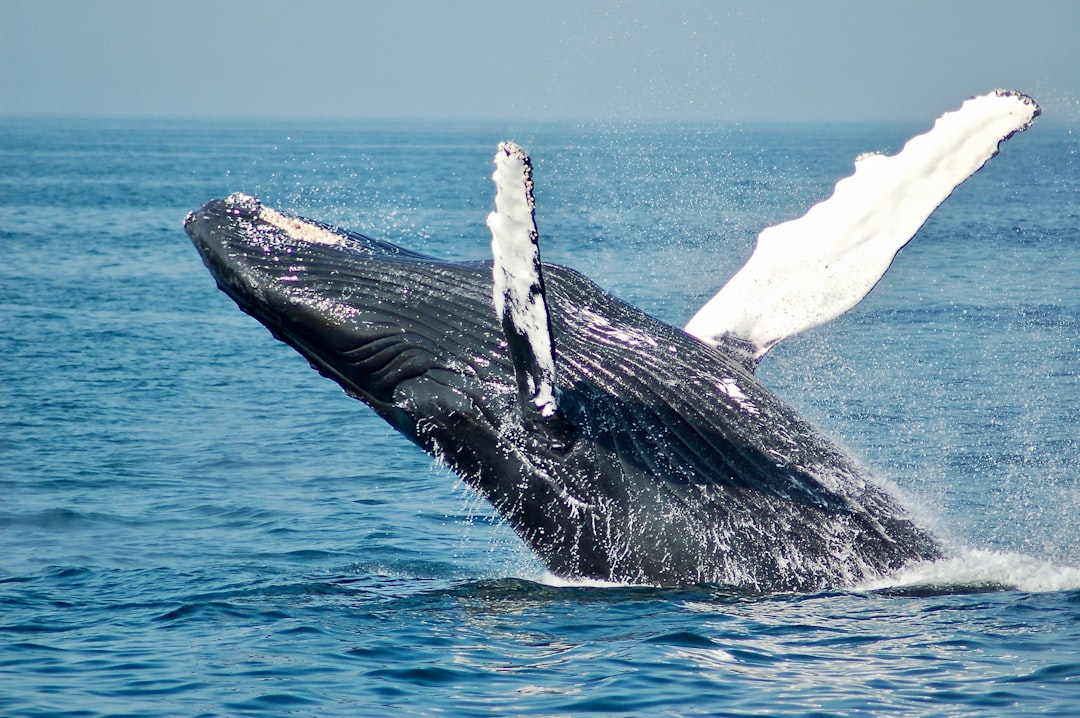
The first strong protections for marine mammals didn’t appear until the 20th century, spurred by shocking declines in whale and seal numbers. Before that, hunting was out of control—people saw these animals as endless resources. It took public outrage, scientific warnings, and a few brave lawmakers to start changing the tide. Today, almost every country has some form of marine mammal law, but the strength, focus, and enforcement of those laws can be as different as night and day.
The United States: A Pioneer with the Marine Mammal Protection Act
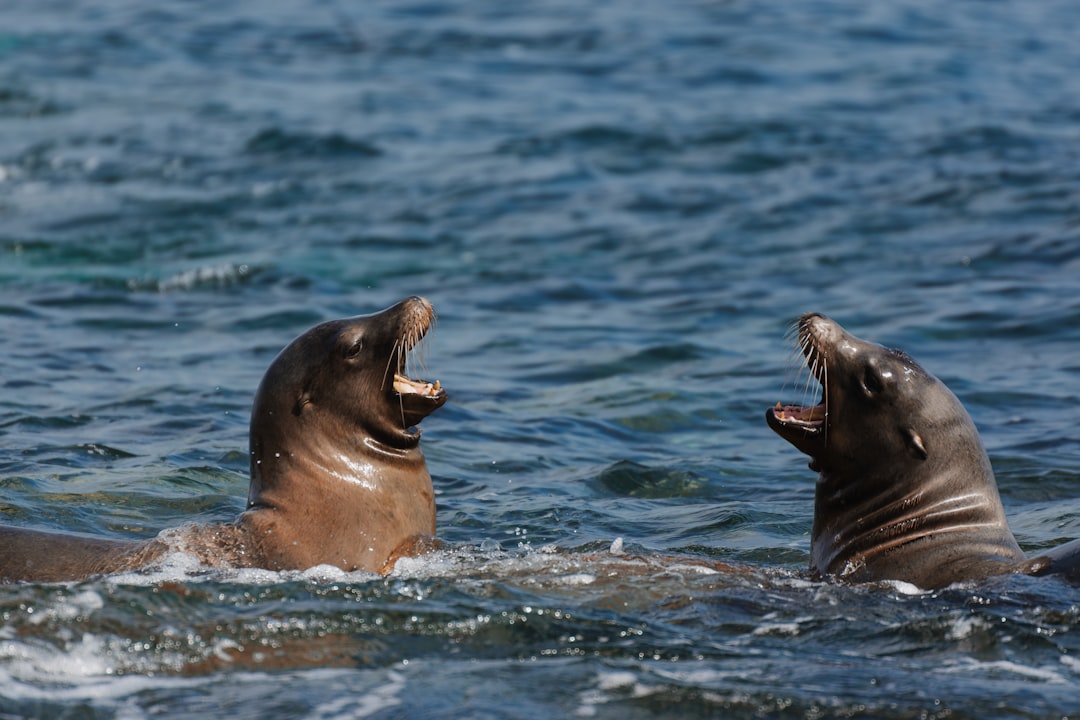
In 1972, the United States made history with the Marine Mammal Protection Act (MMPA). This groundbreaking law bans the killing, harassment, or capture of marine mammals in U.S. waters, unless you have a specific permit. The act also forces industries, like fishing, to take steps that reduce accidental deaths. What makes the MMPA unique is its bold “zero mortality” goal—meaning no marine mammals should die as “bycatch” (unintended capture in nets). While not perfect, this law inspired many others worldwide and showed that humans and marine giants could share the seas more respectfully.
Europe’s Patchwork: The EU Habitats Directive and Beyond
Europe’s approach is a bit like a patchwork quilt. The European Union’s Habitats Directive protects all cetaceans (whales, dolphins, and porpoises) in EU waters, making it illegal to kill or disturb them. But each country must write its own laws to meet these goals, so rules can vary widely. For instance, countries like Spain and the UK have additional protections for specific species or habitats, while others are slower to act. The EU also requires the creation of “Special Areas of Conservation” where marine mammals get extra help—but enforcement can be tricky, especially in busy shipping lanes.
Canada’s Evolving Commitment to Marine Mammals
Canada, home to some of the world’s most spectacular marine mammal habitats, has its own Marine Mammal Regulations under the Fisheries Act. These rules prohibit disturbing marine mammals, especially whales. In recent years, Canada has ramped up protection after tragic deaths of endangered North Atlantic right whales from ship strikes and fishing gear. New rules slow down vessels, close fishing zones, and urge boaters to keep their distance from whales. Still, balancing economic interests with conservation remains a constant challenge on Canada’s vast coasts.
Australia and New Zealand: Guardians of the Southern Seas
Australia and New Zealand are known for their tough stance on marine mammal protection, driven by their unique marine life. Australia’s Environment Protection and Biodiversity Conservation Act makes it illegal to harm or interfere with marine mammals, including imposing fines for getting too close to whales or dolphins. New Zealand has similar laws, and is famously protective of its native Hector’s and Maui’s dolphins, which are among the rarest in the world. Both nations also lead in scientific research, using satellite tracking and acoustic monitoring to keep tabs on their ocean neighbors.
Japan: Controversy and Cultural Complexity

Japan’s relationship with marine mammals is complicated and controversial. While the country has laws that regulate whaling and dolphin hunting, it continues to allow “scientific” whaling and coastal dolphin drives—practices that have drawn global protests. Japanese officials argue that whaling is a cultural tradition, but critics say it’s unnecessary and cruel. In 2019, Japan withdrew from the International Whaling Commission and resumed commercial whaling in its own waters, stirring fierce debate about ethics, science, and sovereignty.
Russia: Giants Under Threat
Russia’s waters are home to beluga whales, walruses, and rare whales like the western gray whale. While Russia bans commercial whaling, enforcement is often weak, and illegal captures for aquariums have made international headlines. The infamous “whale jail” incident in 2018—where over 100 belugas and orcas were confined in cramped pens—shocked the world and led to new rules. Still, poaching and lax oversight remain threats, and conservationists push for stronger protections and habitat conservation.
The International Whaling Commission: Successes and Struggles
The International Whaling Commission (IWC) is supposed to be the world’s watchdog for whales. Since 1986, its moratorium on commercial whaling has saved many species from extinction, and some populations have bounced back. But the IWC is not a global police force—countries can opt out of its rules, as Japan did. Some nations still hunt whales under “scientific” loopholes. The IWC does foster cooperation and funds vital research, but its power depends on countries’ willingness to play by the rules.
Marine Mammal Protection in Developing Countries
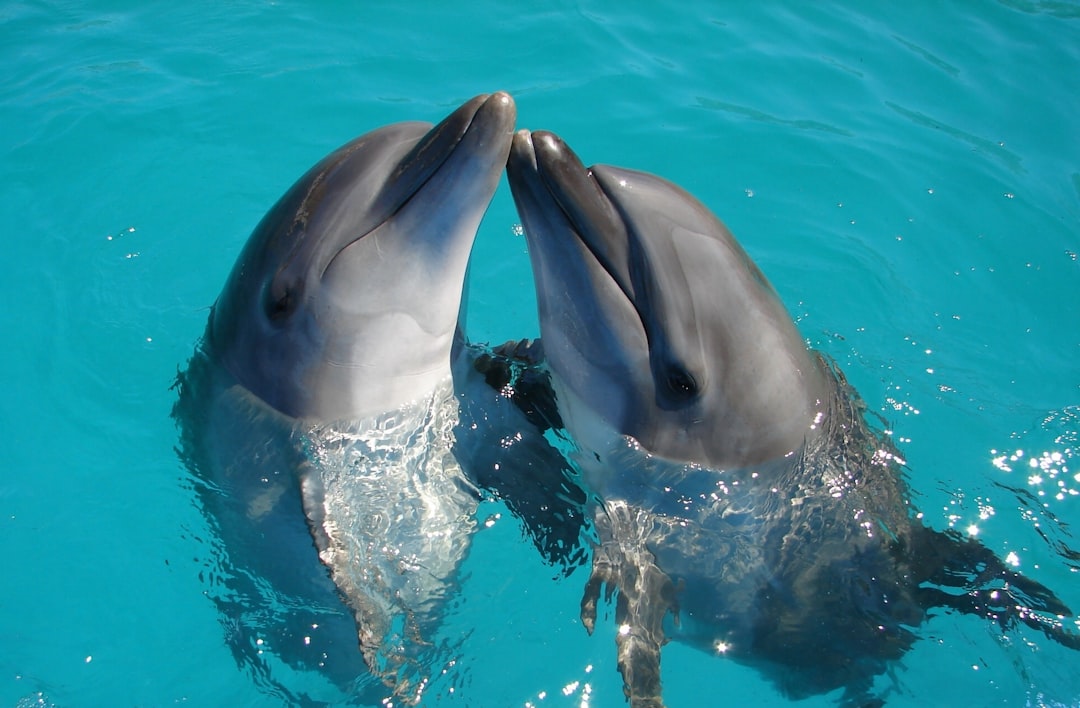
In many developing countries, marine mammal laws are weak or poorly enforced, often because of limited resources or more urgent human needs. In West Africa, for instance, manatees are hunted for meat, and dolphins are sometimes used as bait for shark fishing. Without strong laws and education, these practices put species at risk. However, grassroots conservation groups and international support are helping turn the tide, promoting community-led stewardship and eco-tourism as alternatives.
Indigenous Rights and Traditional Practices
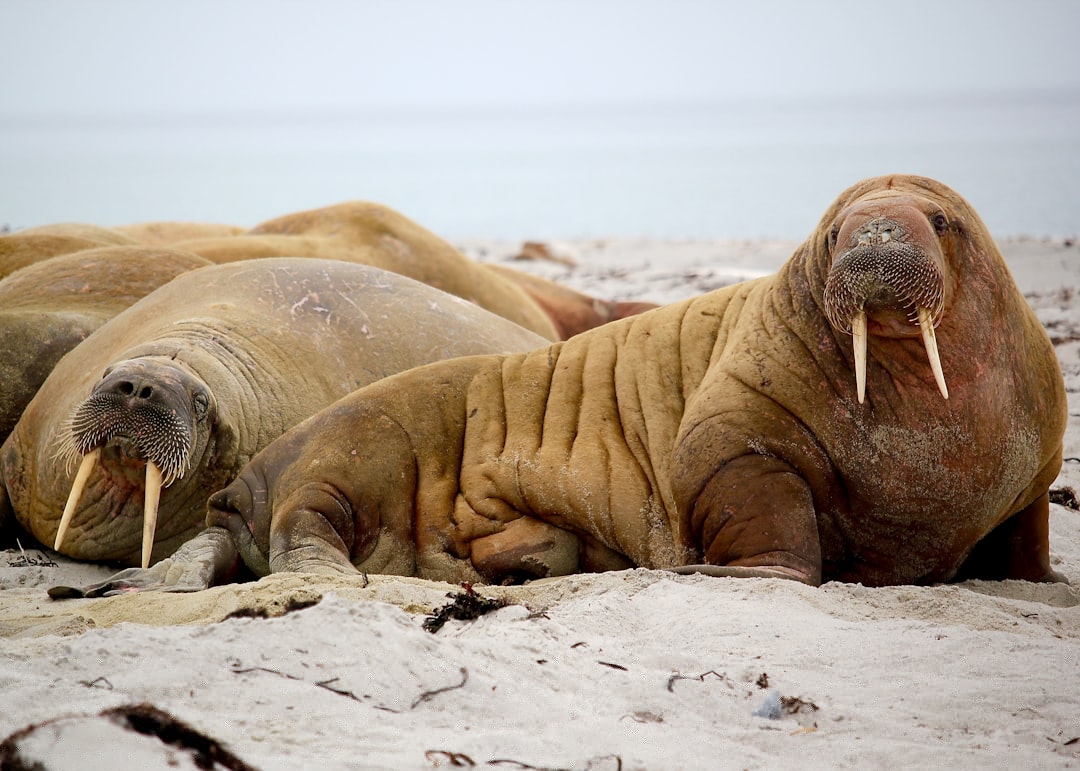
Protecting marine mammals doesn’t always mean banning all use. In places like Alaska and Greenland, Indigenous peoples have hunted whales and seals for thousands of years, using every part of the animal and honoring deep cultural traditions. Many modern laws make special exceptions for Indigenous subsistence hunting, recognizing that these communities have the knowledge and respect to keep populations healthy. The challenge is finding the balance between tradition and conservation in a rapidly changing world.
Enforcement: The Achilles’ Heel of Protection
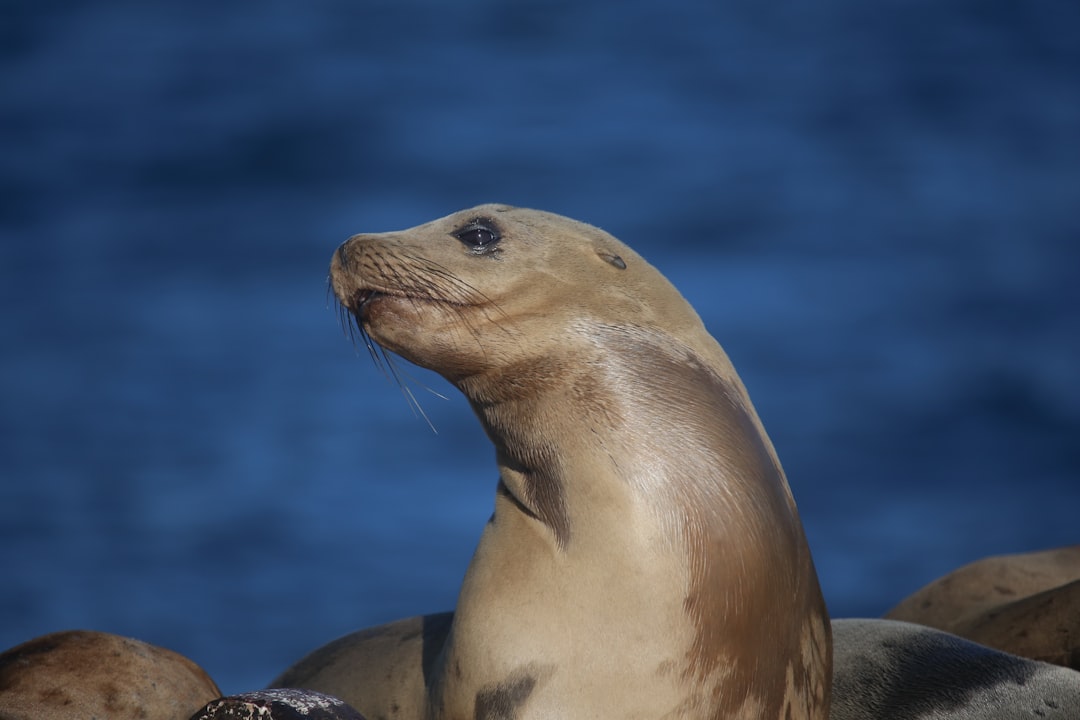
A law is only as good as its enforcement. In some countries, marine mammal protection is just words on paper—poachers, illegal fishers, and even big companies can slip through loopholes. Enforcement is tough because the ocean is vast, and animals often cross international borders. New tools, like drones and satellite tracking, are helping rangers spot illegal activity. But without funding, political will, and public support, even the best laws can fall flat.
Threats Beyond Hunting: Pollution and Climate Change
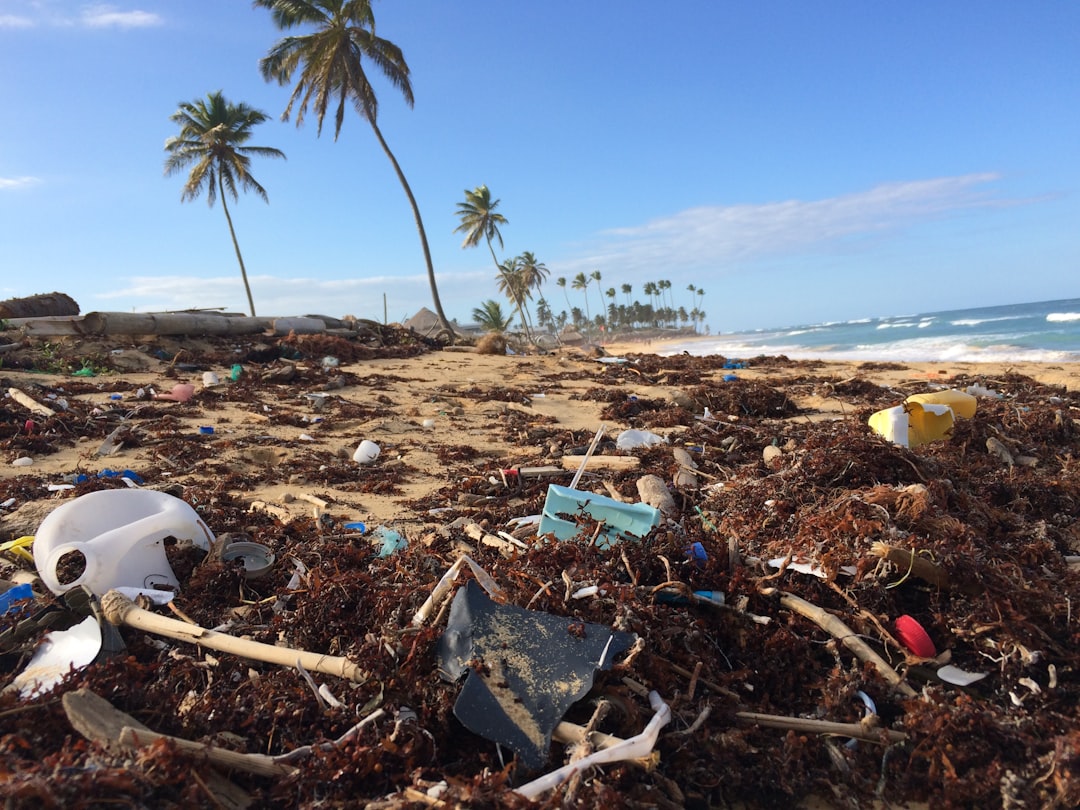
Even where hunting is banned, marine mammals face invisible threats. Plastic pollution chokes and entangles them. Chemical toxins build up in their bodies, causing illness and birth defects. Noise from ships and oil drilling disrupts their communication and navigation, sometimes driving them onto beaches. Climate change is making things worse—melting ice, altering food sources, and shifting migration patterns. Laws need to evolve to address these new dangers, not just old threats like harpoons.
Sanctuaries and Marine Protected Areas: Safe Havens or Paper Parks?
One way countries try to protect marine mammals is by creating marine protected areas (MPAs), like underwater national parks. In theory, these sanctuaries offer safe spaces for feeding, breeding, and migration. In practice, some MPAs exist only on maps—they’re poorly enforced or too small to matter. The most effective ones involve local communities, use science to pick locations, and adapt as animals’ needs change. When done right, sanctuaries can be lifelines for struggling populations.
Tourism: A Double-Edged Sword
Whale watching and dolphin tours can inspire awe and fund conservation, but they can also be a threat if poorly managed. Boats that chase or crowd animals can cause stress, disrupt feeding, and lead to injuries. Some places have strict rules—like speed limits, minimum distances, and limits on how many boats can approach at once. Responsible tourism supports protection by making marine mammals more valuable alive than dead, turning curiosity into conservation.
Science and Technology: Changing the Game

Modern science is transforming how we protect marine mammals. Acoustic recorders listen to whales in the deep sea, drones monitor seal colonies, and genetic tests reveal illegal trade. Tagging and tracking studies show where animals go, helping design better laws and sanctuaries. Citizen science—where ordinary people help collect data—adds a powerful boost. Technology can’t fix everything, but it gives us eyes and ears in places we could never reach before.
International Cooperation: The Ocean Has No Borders
Marine mammals don’t carry passports—they roam across oceans, ignoring political lines. That means real protection depends on countries working together. Treaties like the Convention on Migratory Species encourage this, but success requires trust, communication, and sharing resources. When countries unite for a common goal, from fighting illegal fishing to rescuing stranded whales, it’s proof that humanity can rise above its differences for the sake of our shared home.
The Role of Public Awareness and Activism
Laws often change because people demand it. Outrage over whaling, dolphin hunts, or stranded animals can spark global campaigns, push politicians to act, and fund rescue efforts. Social media has made it easier than ever to build movements and shine a light on injustice. When people realize that marine mammals are in trouble, they become powerful allies for change—whether by signing petitions, donating, or simply choosing sustainable seafood.
Why Consistency in Protection Matters
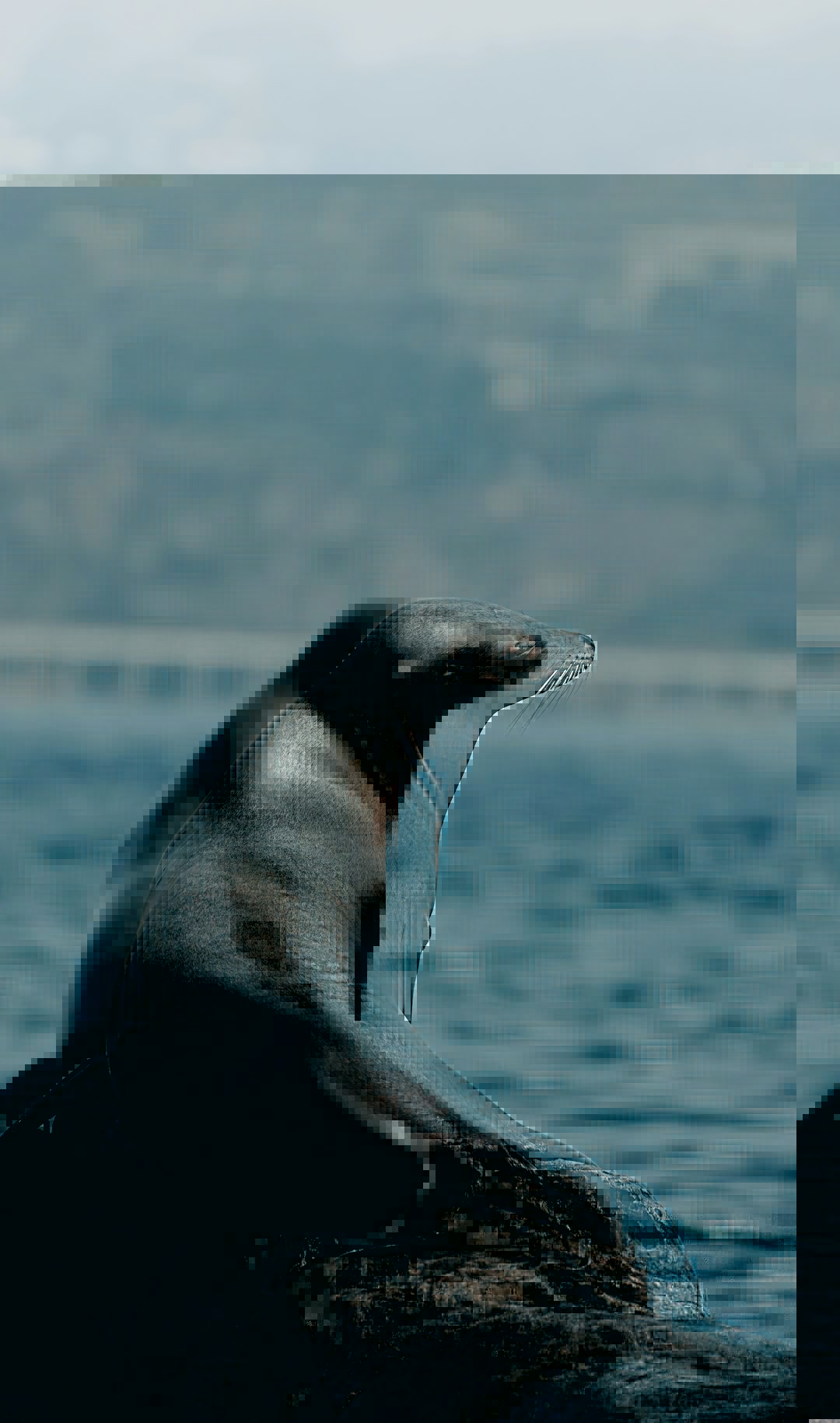
If one country bans whaling but its neighbor doesn’t, marine mammals remain at risk. Inconsistent laws create loopholes for poachers, traders, and even legal industries to exploit. Scientists warn that unless we harmonize protections, some species could still disappear. The world needs a united front—shared standards, real enforcement, and a commitment to put the ocean’s future above short-term gain. Only then can we hope to keep the ocean’s giants safe for generations to come.
Looking Forward: Our Oceans, Our Responsibility
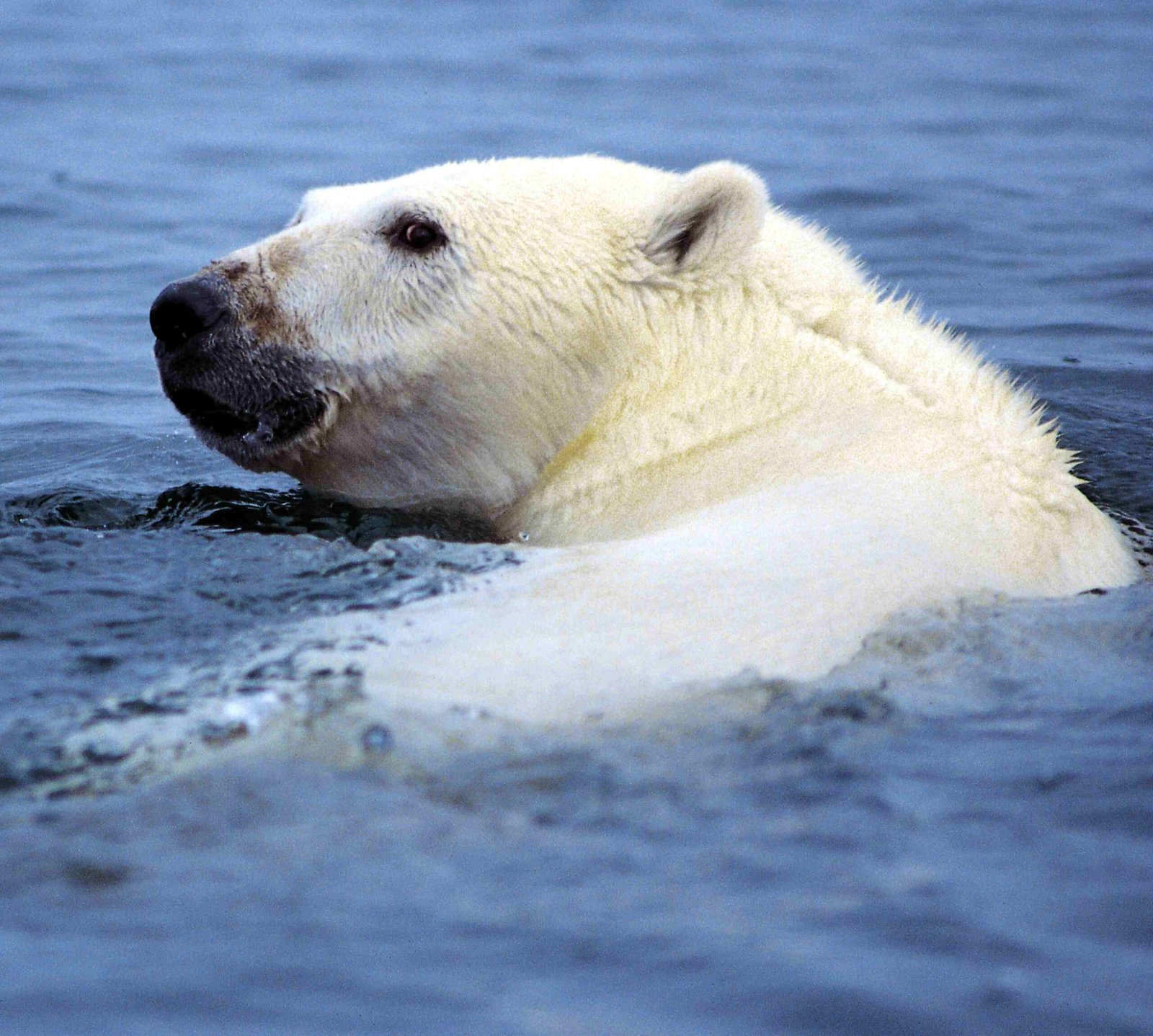
The story of marine mammal protection is still being written, shaped by new discoveries, shifting politics, and the unstoppable pull of the wild sea. Every law, every sanctuary, every act of courage or compassion matters. As we face a rapidly changing planet, the choices we make for whales, dolphins, and seals are really choices for ourselves. Are we willing to stand up for the silent singers beneath the waves? The answer, in the end, will define who we are as caretakers of Earth.