On moonless nights above the Atlantic, tiny songbirds slip through darkness with a confidence that seems impossible, while young sea turtles push into surf, as if listening to a map stitched into the planet itself. For decades, scientists puzzled over this long-distance certainty: how do animals cross hemispheres and return to the same beaches or forests without getting lost? The mystery has edged steadily toward an answer – an internal compass tuned to Earth’s magnetic field. That compass isn’t a single gadget but a layered sense, part physics, part biology, and all wonder. As the evidence sharpens, a bigger story emerges: the planet’s invisible lines are not just background scenery, they’re the highways of the wild.
The Hidden Clues
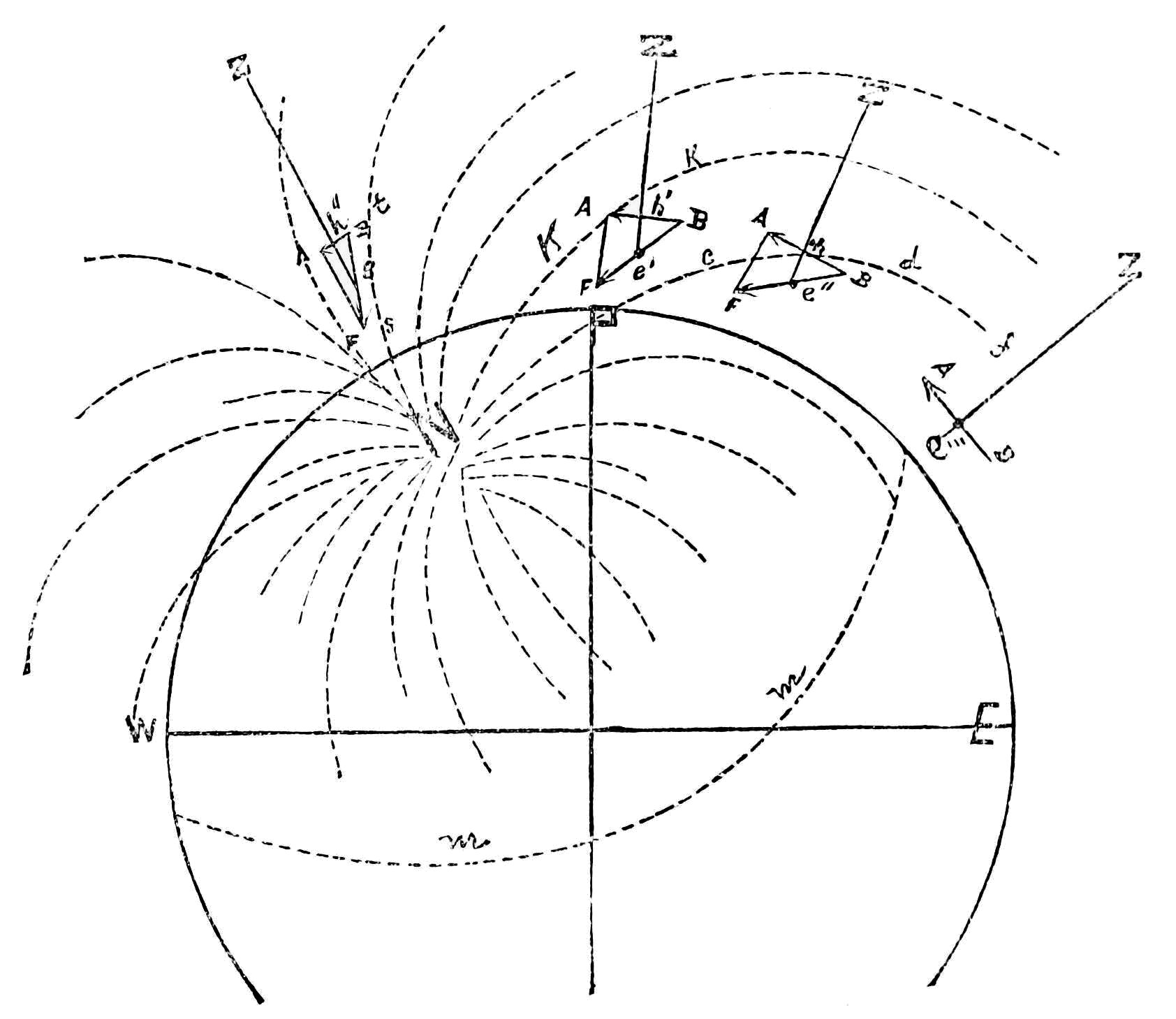
What if the sky itself whispers directions? Many migratory birds appear to sense the tilt and strength of Earth’s magnetic field, reading it like a subtle texture overlaying night and cloud. Turtles, meanwhile, memorize the magnetic “signature” of their natal beaches and use those cues years later to find their way home. The field’s two main features – inclination (the angle at which lines dive into Earth) and intensity (how strong the field is) – form a coordinate system that changes predictably across the globe. To animals built to notice it, those variations spell out north, south, and every bend in between.
This map isn’t static. The field drifts over decades and pulses during solar storms, nudging routes or adding navigational noise. Yet migrants keep arriving, a testament to a guidance system that’s both flexible and astonishingly precise.
The Compass in the Body
Biologists now talk about two leading ideas for how animals pull off this magnetic trick. One relies on microscopic crystals of magnetite – iron-rich particles found in tissues – that could tug on mechanosensitive structures, turning the entire body into a finely tuned needle. The other centers on light-sensitive proteins called cryptochromes in the eye, where chemical reactions might be influenced by weak magnetic fields, effectively letting birds “see” directional information when blue light is present. In some species, these two systems could work together: magnetite providing a map-like sense of place, cryptochromes offering a directional compass.
It sounds improbable until you realize evolution has solved stranger problems than navigation. If a salmon can smell its river from an ocean away, it’s not a stretch that a robin can perceive faint geomagnetic cues that we simply can’t feel.
From Ancient Tools to Modern Science
Early lab experiments showed that migratory birds shifted their orientation when scientists subtly altered magnetic fields around them, a hint that a hidden sense was at work. Over time, researchers traded simple cages for precision instruments: carefully calibrated coils that tweak magnetic lines, and light controls that isolate the visual conditions needed for the compass to function. Fieldwork then added proof from the open world, with tiny GPS loggers riding on the backs of birds and turtles like high-tech hitchhikers, capturing routes with breathtaking fidelity. When animals detoured after an experimental disturbance to the field, the tracks told a blunt story – the compass matters.
These tools transformed a philosophical question into a measurable one. Instead of asking whether magnetoreception exists, scientists now investigate where it lives in the body, how it develops, and how it interacts with stars, wind, waves, and scent.
Routes Written in the Sky and Sea
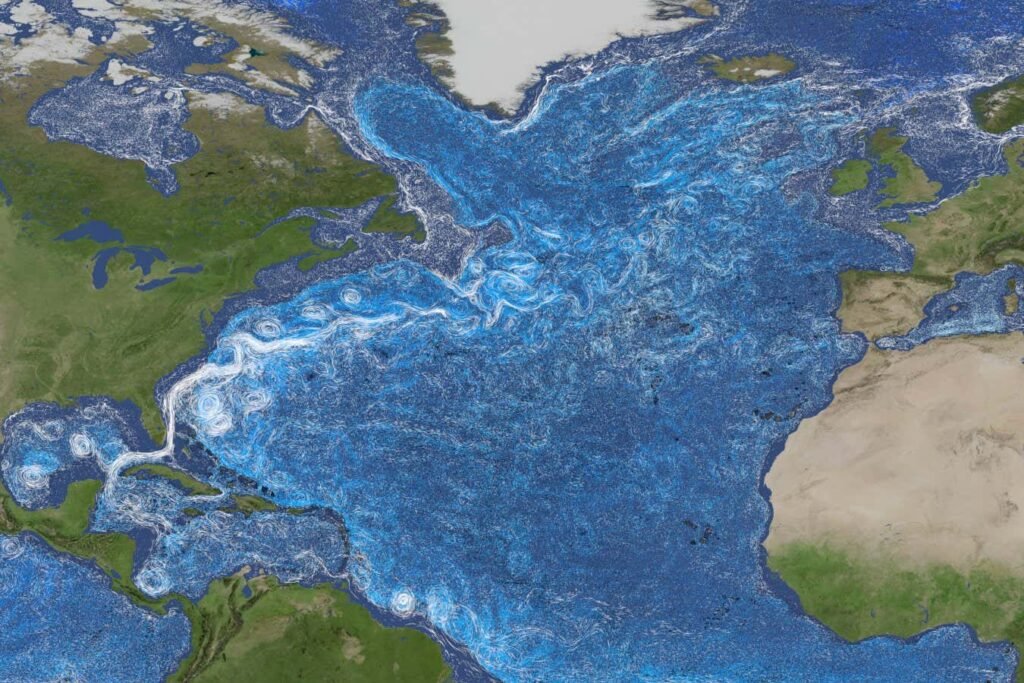
Consider the life of a loggerhead turtle in the North Atlantic. Hatchlings leave their beach and join a vast ocean gyre, steering with waves, temperature, and magnetic cues that shift predictably as they circle the basin. Years later, adults find their way back to spawn in roughly the same stretch of sand, apparently recognizing the beach’s magnetic signature like a hometown accent. Songbirds show a similar elegance: young migrants start with an inherited directional program, then refine it with experience, gradually blending magnetic information with stars and landmarks.
Even subtle changes in the field can matter. As Earth’s magnetic contours drift, nesting hotspots can shift, and some populations appear to track those changes, adjusting routes the way a river carves a new channel after heavy rain.
Why It Matters
Navigation is the beating heart of migration, and migration underpins ecosystems – seed dispersal, nutrient transport, and the timing of food webs that support everything from raptors to coastal fisheries. If magnetic information is a core layer of that guidance, then anything that scrambles it could ripple across entire landscapes. Traditional views leaned heavily on stars, sun, and smell; those cues remain vital, but the magnetic sense offers a dependable backup when clouds roll in or coastlines look unfamiliar. In an era of climate disruption and shifting habitats, redundancy isn’t a luxury – it’s survival strategy.
There’s also a practical angle for conservation. Protecting migratory corridors used to mean guarding stopover sites and migratory bottlenecks; now it also means considering the invisible lanes animals read in the sky and sea, and how our technology might interfere.
Global Perspectives
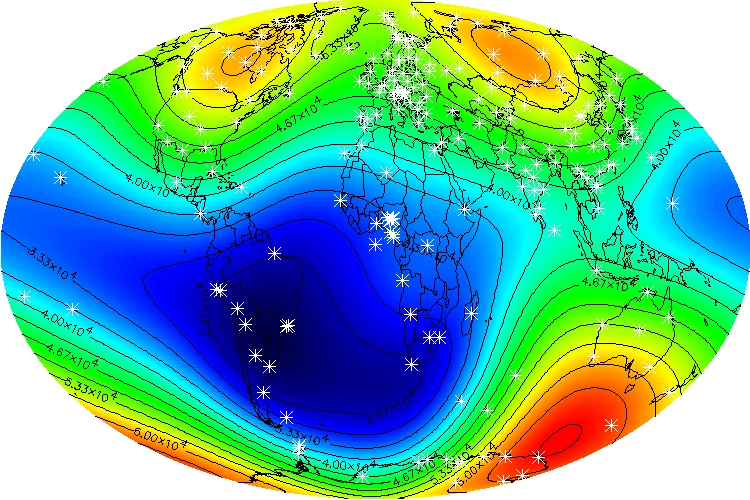
Earth’s magnetic field isn’t uniform, which means a bird crossing the Pacific and a turtle circling the Caribbean experience different gradients and potential confusions. Regions where the field is weak or unusually noisy can act like fog banks, increasing navigational error and energy costs. Solar activity can temporarily rattle the field, while human sources – from certain undersea cables to industrial sites – may add local interference that animals can’t easily ignore. Researchers are mapping these risk zones with the same vigor used to chart wind farms or shipping lanes.
- The field’s strength changes predictably from equator to poles, shaping species-specific maps.
- Geomagnetic disturbances can coincide with unusual detours or arrival delays in some migrations.
- Local electromagnetic noise, when intense, may reduce orientation accuracy, especially in urban environments.
The Future Landscape
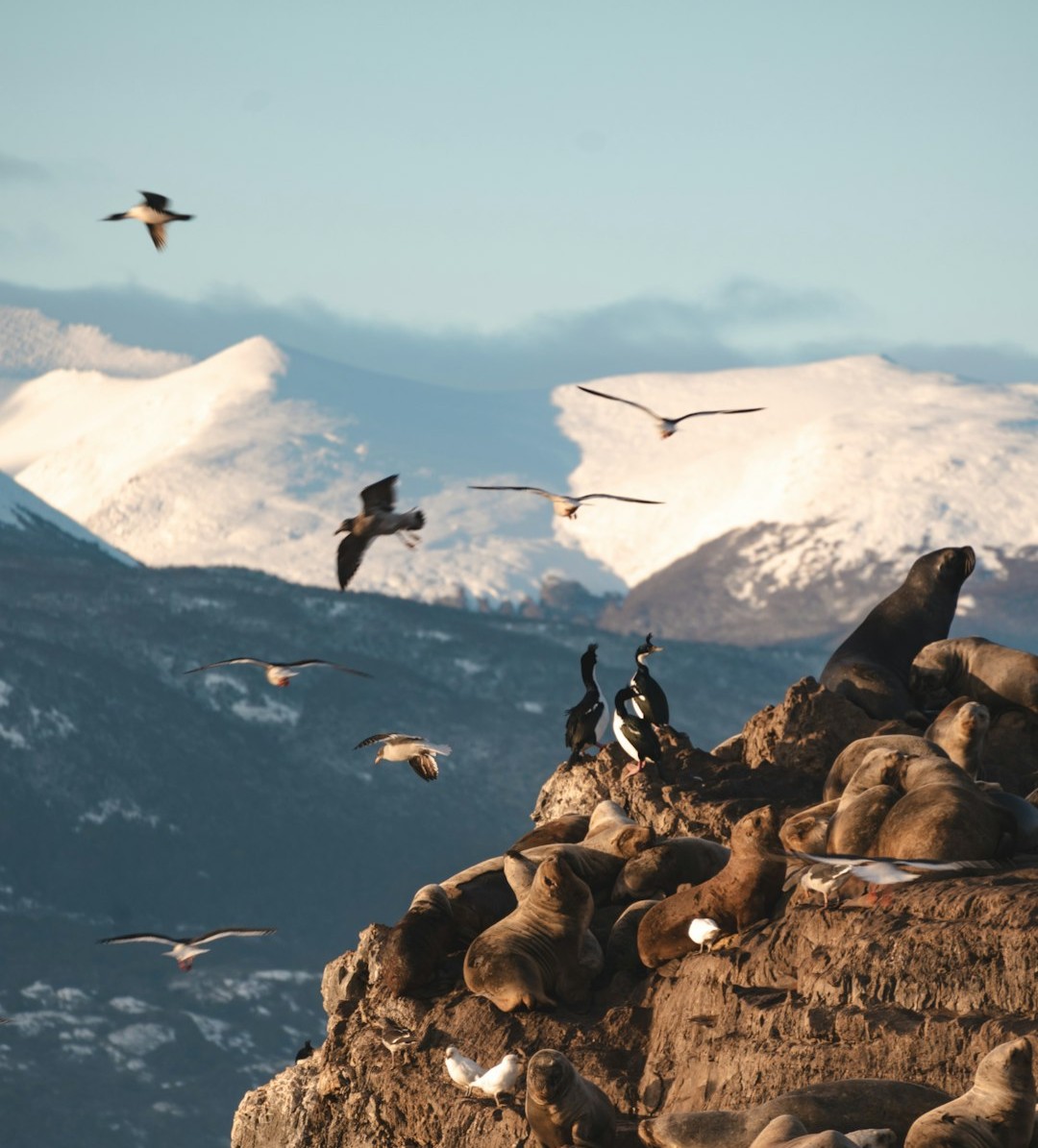
New tools are closing in on the mechanisms. Ultra-light biologgers now combine GPS with magnetometers, tracking not just where an animal goes but how the magnetic field changes along the way. In the lab, refined imaging and genetic approaches probe the cells that might hold magnetite or host cryptochrome reactions, edging toward a definitive map of the sensory circuitry. On the physics side, researchers are testing how weak fields influence specific chemical steps, building a bridge between quantum-scale effects and whole-animal behavior.
Policy will have to sprint to keep up. Expect guidance for marine construction, undersea infrastructure, and even urban lighting that considers magnetic and light cues together, aiming to keep the wild’s navigational scaffolding intact while development moves forward.
Connecting Mysteries Across Species
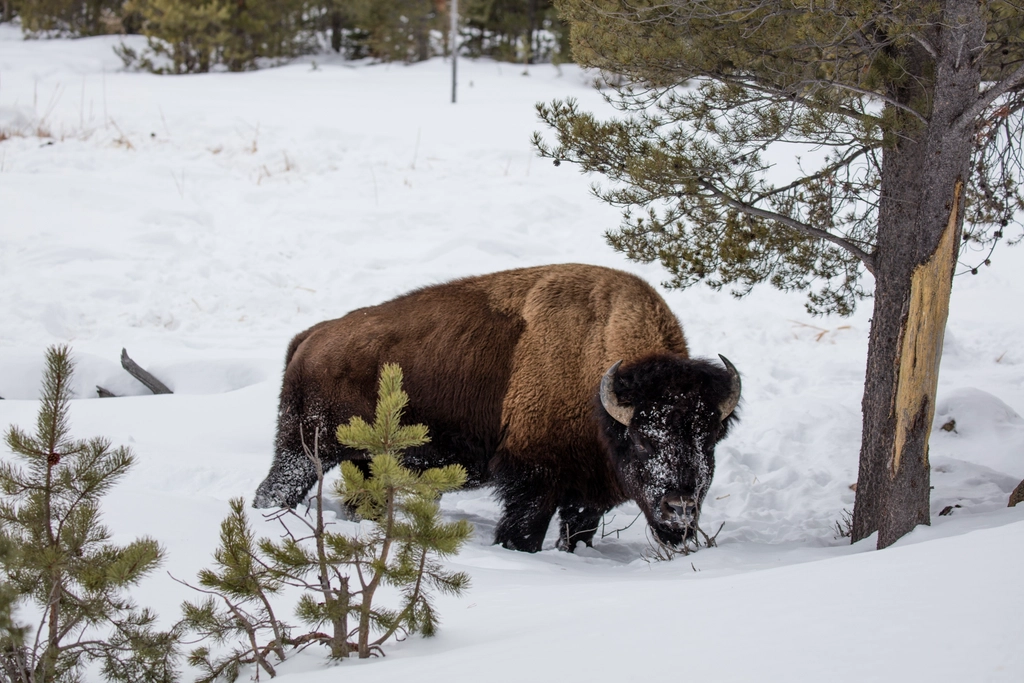
It’s tempting to frame magnetoreception as a bird-and-turtle story, but the cast list is wider: fish, lobsters, insects, and possibly some mammals show hints of magnetic sensitivity. Each lineage likely uses a tailored mix of cues, layering magnetic information with those better known to us – smell in salmon, polarized light in insects, coastlines and currents at sea. That diversity offers a scientific bonus: where one species is difficult to study, another might open the door, letting researchers cross-check ideas in parallel. It also means solutions must be flexible, tuned to species and place rather than one-size-fits-all.
I still remember watching a tagged shorebird lift off at dusk, a speck folding into the wind over a glittering bay. It felt like watching a secret handshake with the planet, practiced for millennia, and only now decoded in pieces.
What You Can Do Next
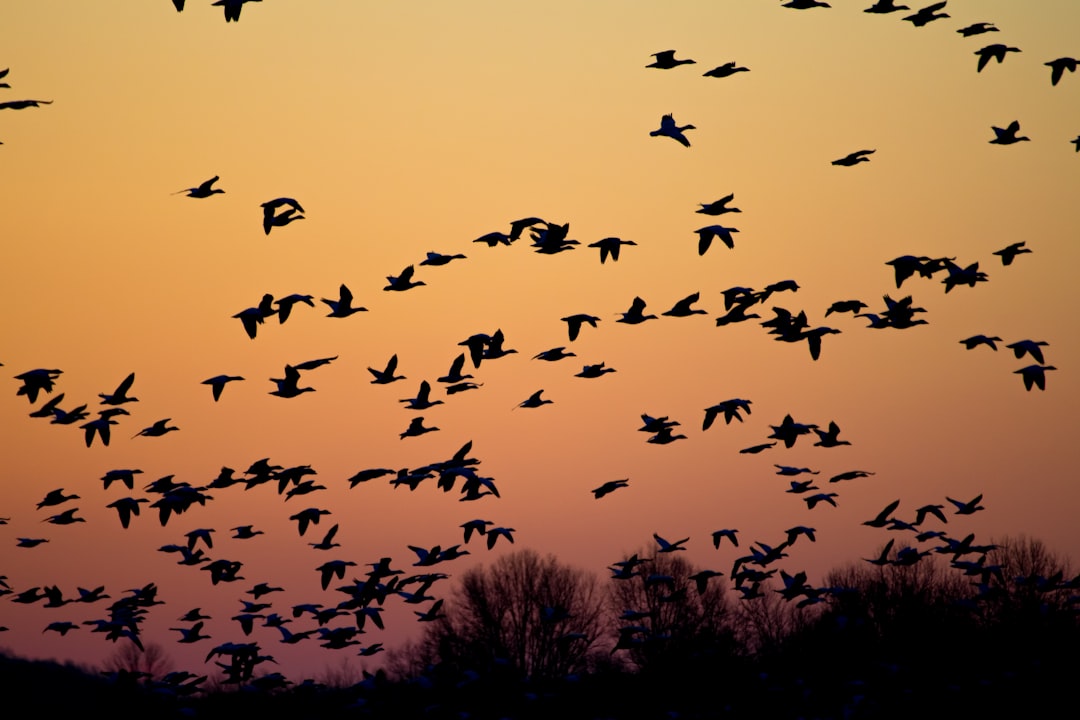
Support the science that keeps these maps readable. Back organizations that protect nesting beaches, migratory stopovers, and dark skies, and look for projects that add magnetic sensitivity to their planning alongside light and noise. If you live near coasts or flyways, advocate for designs that reduce electromagnetic and light pollution during peak migration windows. Citizen-science platforms can turn your observations into real data, and local beach patrols or bird-safe building programs almost always need more hands.
The compass is inside the animals, but the responsibility sits with us. Keep the invisible highways clear, and the travelers will keep arriving – on time, against the odds, and still capable of surprising us. Did you expect that?
Suhail Ahmed is a passionate digital professional and nature enthusiast with over 8 years of experience in content strategy, SEO, web development, and digital operations. Alongside his freelance journey, Suhail actively contributes to nature and wildlife platforms like Discover Wildlife, where he channels his curiosity for the planet into engaging, educational storytelling.
With a strong background in managing digital ecosystems — from ecommerce stores and WordPress websites to social media and automation — Suhail merges technical precision with creative insight. His content reflects a rare balance: SEO-friendly yet deeply human, data-informed yet emotionally resonant.
Driven by a love for discovery and storytelling, Suhail believes in using digital platforms to amplify causes that matter — especially those protecting Earth’s biodiversity and inspiring sustainable living. Whether he’s managing online projects or crafting wildlife content, his goal remains the same: to inform, inspire, and leave a positive digital footprint.