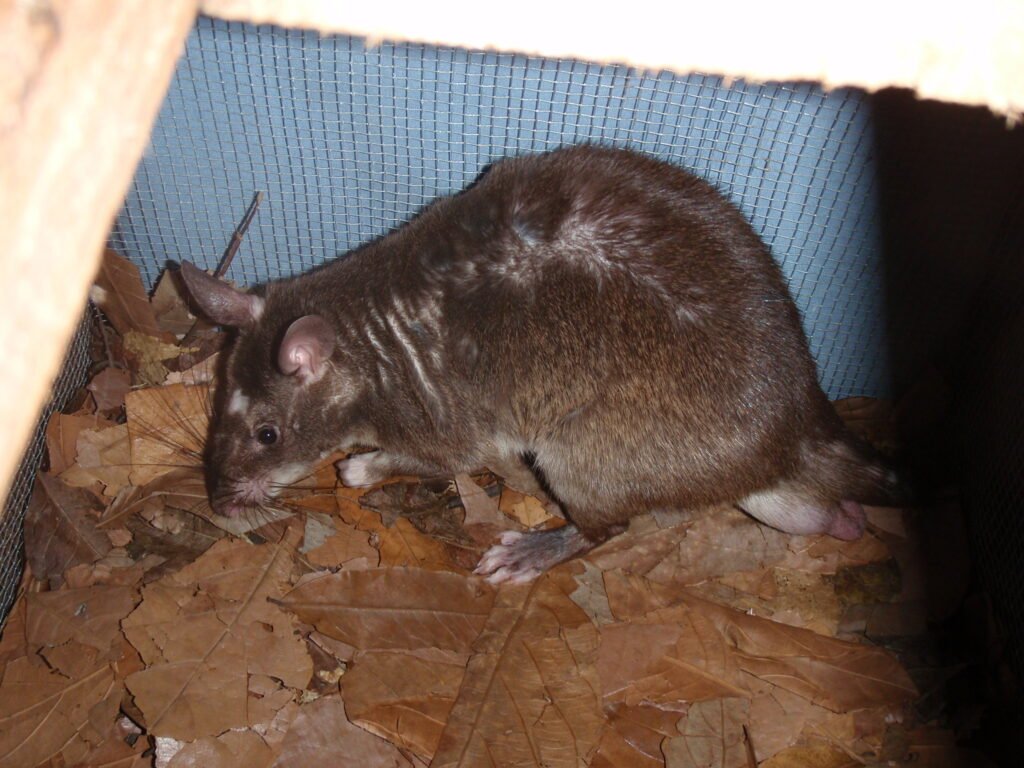

In the heart of Cambodia, where ancient temples stand as silent witnesses to history, millions of deadly landmines remain buried beneath the soil like sleeping serpents waiting to strike. These remnants of decades of conflict have claimed countless lives and limbs from innocent civilians who simply wanted to tend their crops or walk to school. But in this landscape of hidden danger, an unlikely hero emerged from the most unexpected place – a giant African pouched rat named Magawa who would go on to become the most decorated animal in modern history.
The Birth of an Unlikely Hero
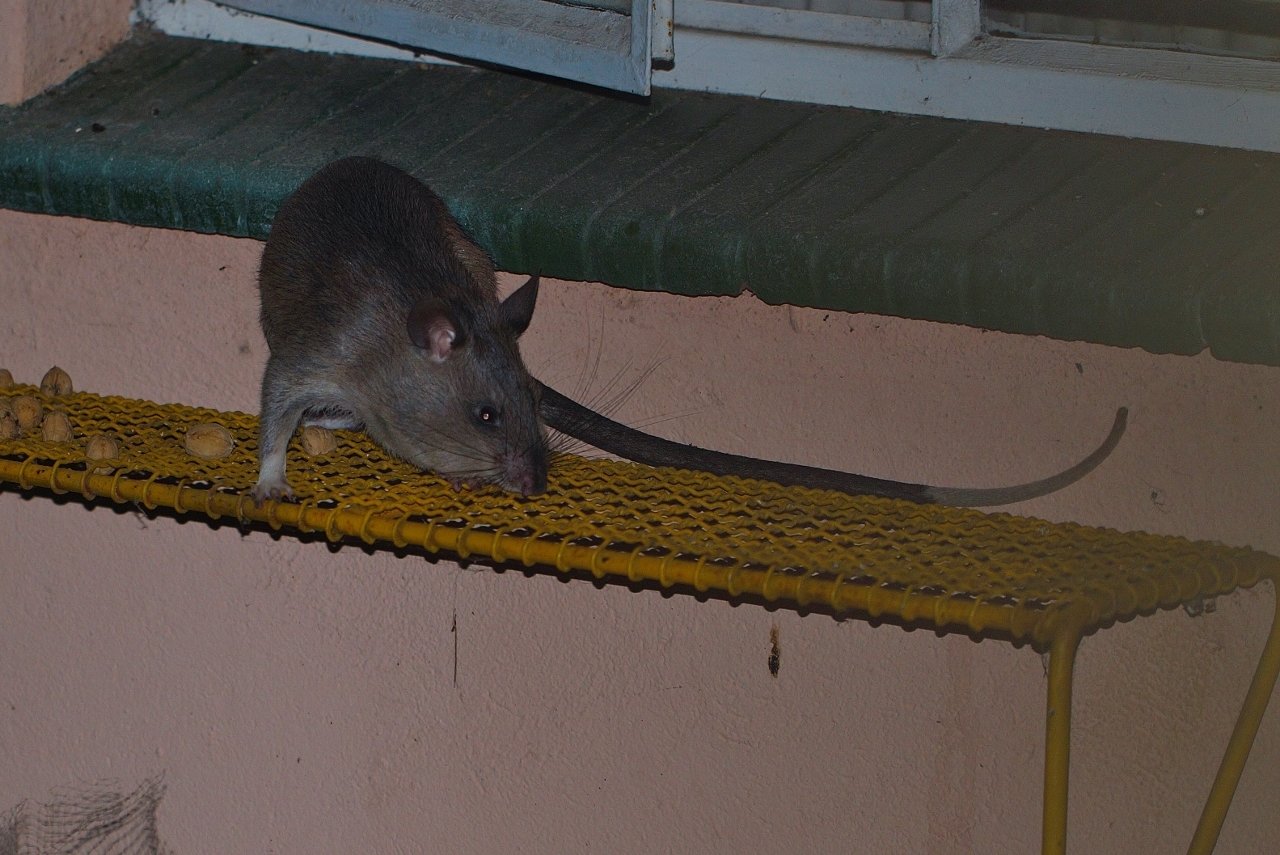
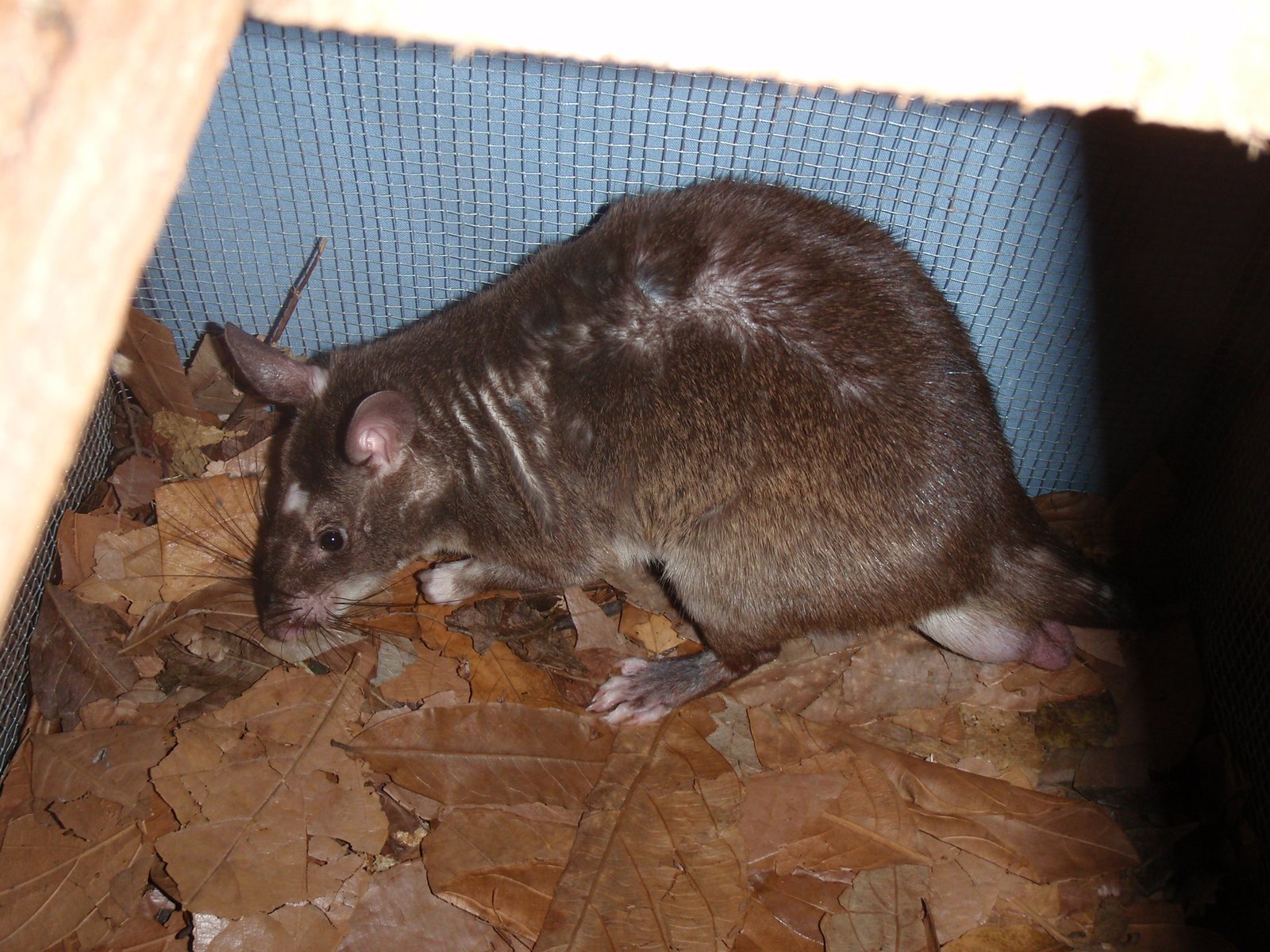
Magawa wasn’t born in Cambodia’s rice fields or bustling markets. This remarkable rodent entered the world in Tanzania, where he would spend his early days learning skills that would later save human lives half a world away. Born into a specialized breeding program, Magawa was destined for greatness from his first breath.
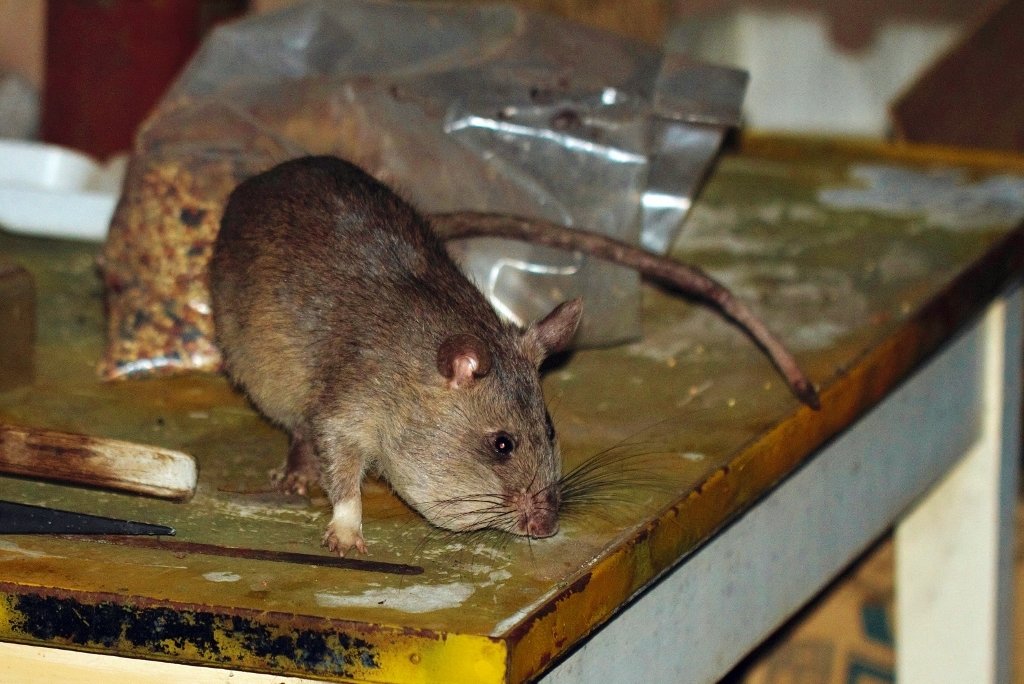
The giant African pouched rat, scientifically known as Cricetomys ansorgei, possesses natural abilities that make them perfect candidates for detection work. These creatures can live up to eight years and grow to impressive sizes, with some weighing over three pounds. Their keen sense of smell surpasses that of dogs in many situations, making them incredibly valuable for specialized tasks.
Training a Four-Legged Life-Saver
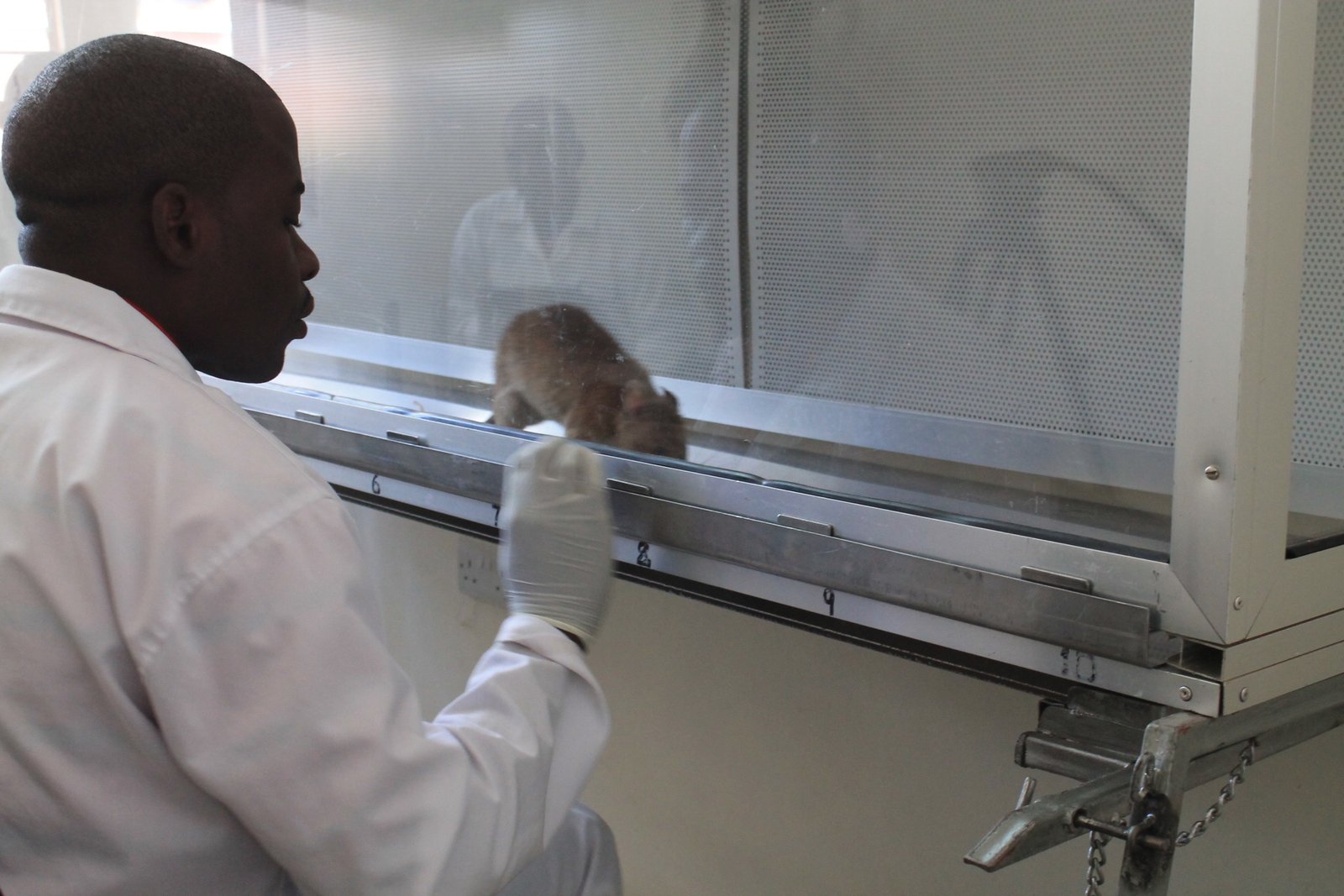
Magawa’s journey from ordinary rodent to life-saving hero began with intensive training that would make even the most disciplined military personnel proud. The training process started when he was just five weeks old, during those crucial early weeks when young minds are most receptive to learning. Every day brought new challenges and opportunities to develop his extraordinary abilities.
The training regimen involved teaching Magawa to associate the scent of explosives with positive rewards. Using a clicking sound followed by treats, trainers gradually introduced him to the distinct chemical signatures of various explosive materials. This process, known as operant conditioning, transformed natural behaviors into life-saving skills.
By the time Magawa reached nine months old, he had mastered the art of landmine detection with remarkable precision. His success rate during training exercises exceeded 96%, demonstrating an accuracy that would make him invaluable in real-world situations. The transition from training facility to active duty represented the culmination of months of dedicated preparation.
The Science Behind Rodent Detection

What makes a rat capable of detecting explosives buried underground? The answer lies in the remarkable sensory capabilities that evolution has bestowed upon these creatures. Giant African pouched rats possess approximately 1,200 genes dedicated to detecting odors, compared to humans who have only about 400 such genes.
Their olfactory system works like a sophisticated chemical analysis laboratory, capable of detecting trace amounts of explosive compounds even when diluted to parts per billion. When explosives decompose over time, they release volatile organic compounds that seep through soil and reach the surface. Magawa’s sensitive nose could detect these molecular signatures with extraordinary precision.
The lightweight nature of rats also provides a crucial advantage in landmine detection work. Most anti-personnel mines require at least 11 pounds of pressure to detonate, while Magawa weighed only 2.6 pounds even at his heaviest. This meant he could walk directly over buried explosives without triggering them, making the detection process both safer and more efficient.
Arriving in Cambodia’s Dangerous Landscape

When Magawa arrived in Cambodia in 2016, he entered a country still healing from decades of conflict. The Khmer Rouge regime and subsequent civil wars had left an estimated 4 to 6 million landmines scattered across the countryside. These deadly remnants continued to kill or maim approximately 100 people every year, with farmers and children being the most frequent victims.
The landscape that greeted Magawa was both beautiful and treacherous. Verdant rice paddies stretched toward distant mountains, while ancient temples dotted the horizon. But beneath this scenic beauty lay a hidden network of death that had claimed thousands of lives since the conflicts ended.
Cambodia’s mine-contaminated areas covered approximately 1,900 square kilometers, making it one of the most heavily mined countries in the world. Traditional detection methods using metal detectors were slow and often produced false positives, as the soil contained numerous pieces of harmless metal debris from decades of warfare.
A Revolutionary Approach to Landmine Clearance

Magawa’s arrival marked the beginning of a revolutionary approach to humanitarian demining in Cambodia. Working with the Belgian non-profit organization APOPO, he joined a team dedicated to clearing landmines through innovative methods that combined animal intelligence with human expertise.
The traditional method of landmine detection involved human deminers using metal detectors to slowly sweep suspected areas. This process was not only time-consuming but also dangerous, as it required people to work in close proximity to potentially deadly explosives. A single deminer might clear only 25 square meters in a full day of careful work.
Magawa’s method was dramatically different and more efficient. Attached to a lightweight harness, he would systematically search designated areas while his handler maintained a safe distance. When he detected the scent of explosives, he would scratch at the ground and wait for his reward, clearly marking the location for human deminers to investigate.
The Daily Routine of a Hero

Every morning, Magawa would begin his day like any dedicated professional reporting for duty. His handlers would conduct a brief health check, ensuring he was alert and ready for the demanding work ahead. The early morning hours provided optimal conditions for detection work, as cooler temperatures helped preserve scent signatures and reduced the physical stress of working in Cambodia’s tropical climate.
The search process itself was methodical and precise. Magawa would work in a systematic grid pattern, covering every square meter of designated area with careful attention to detail. His handlers used a system of ropes and markers to ensure complete coverage, preventing any potentially dangerous areas from being overlooked.
During his active career, Magawa typically worked for about 30 minutes at a time before taking breaks. This schedule maximized his effectiveness while preventing fatigue that could compromise his accuracy. The work required intense concentration, as even a moment of inattention could mean missing a deadly explosive device.
Record-Breaking Achievements
Magawa’s career statistics read like the résumé of a superhero rather than a rodent. Over his five-year career, he successfully detected 71 landmines and 38 unexploded ordnance items, directly preventing countless potential casualties. His detection rate averaged one explosive device for every 5,000 square meters searched, demonstrating remarkable efficiency.
The area cleared by Magawa during his career totaled approximately 225,000 square meters, equivalent to about 42 football fields. This massive area was transformed from dangerous, unusable land into safe space where families could farm, children could play, and communities could thrive without fear. His work directly impacted the lives of thousands of Cambodians who could now use previously contaminated land.
Perhaps most remarkably, Magawa accomplished this life-saving work in just 20 minutes what would take a human deminer using traditional methods up to four days to complete. This efficiency multiplier made him one of the most valuable assets in Cambodia’s ongoing effort to clear landmines from its territory.
International Recognition and Awards

Magawa’s exceptional service did not go unnoticed by the international community. In 2020, he became the first rat in history to receive the PDSA Gold Medal, often referred to as the “animals’ George Cross.” This prestigious award recognized his life-saving devotion to duty and courage in the face of danger.
The medal ceremony was a historic moment that captured global attention. Representatives from around the world witnessed this unprecedented recognition of an animal’s contribution to humanitarian work. The citation praised Magawa’s “life-saving bravery and devotion to duty” in helping to clear landmines from Cambodia.
Beyond the PDSA Gold Medal, Magawa received numerous other honors throughout his career. He was featured in documentaries, news reports, and educational materials that highlighted the innovative approach to landmine detection. His story became a symbol of how creative thinking and inter-species cooperation could address some of humanity’s most pressing challenges.
The Technology Behind the Method
The HeroRAT program represents a sophisticated blend of animal training, behavioral science, and practical engineering. Each rat wears a specially designed harness that allows handlers to maintain control while giving the animal freedom to move naturally. The harness includes a small bell that helps handlers track the rat’s movements through vegetation or uneven terrain.
Communication between rat and handler relies on a carefully developed system of signals and rewards. The clicking sound that marked successful detection during training became the primary communication tool in the field. This consistent signal system ensured that Magawa could clearly indicate his discoveries regardless of environmental conditions or distractions.
GPS technology played a crucial role in mapping cleared areas and documenting the precise locations of detected explosives. Every mine or unexploded ordnance item found by Magawa was recorded with precise coordinates, creating detailed maps that would guide future development and ensure long-term safety for local communities.
Life Beyond the Minefield
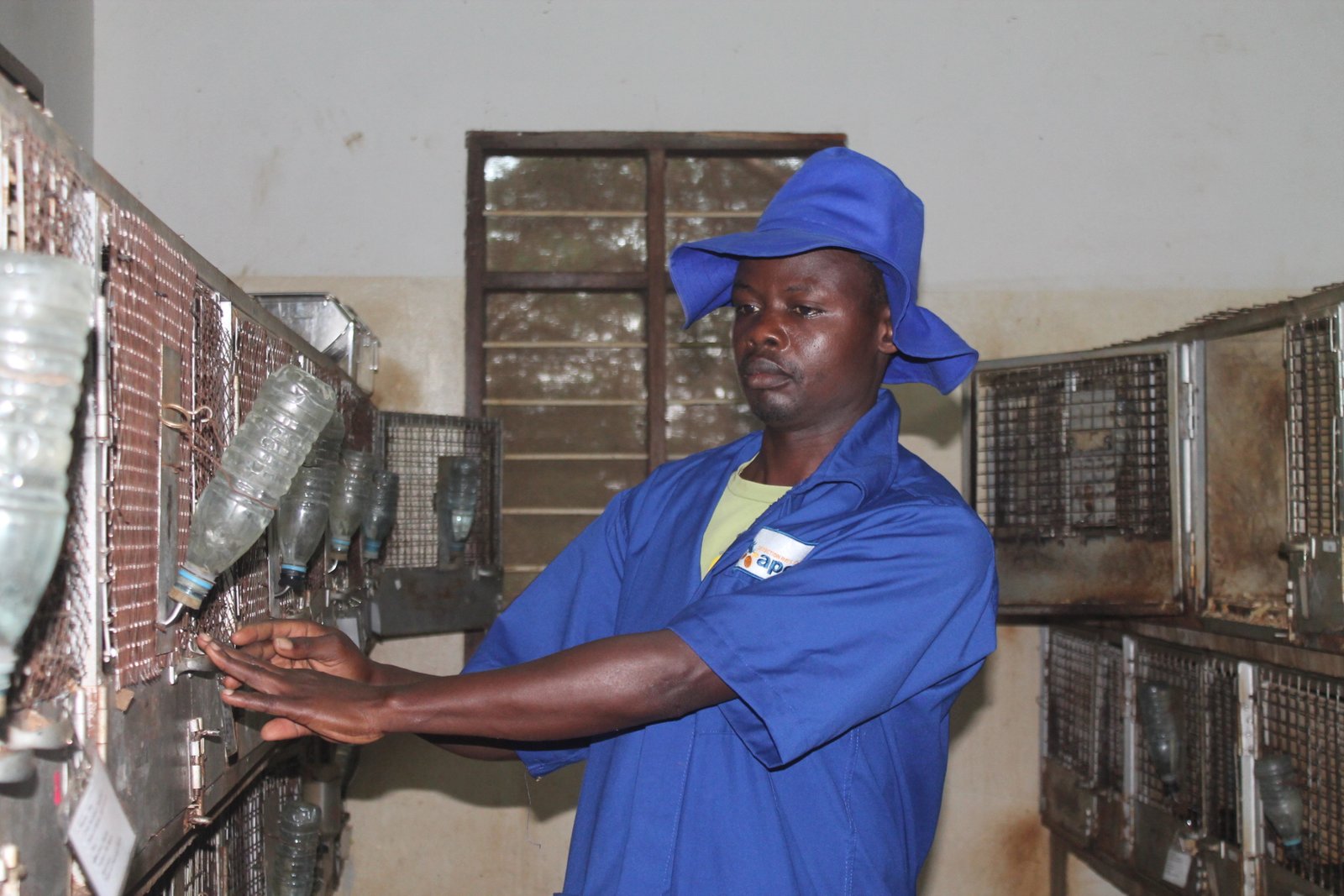
When Magawa wasn’t working, he enjoyed a comfortable life that balanced his professional responsibilities with natural behaviors. His living quarters included spacious enclosures that allowed him to exercise, play, and socialize with other rats in the program. This holistic approach to animal welfare ensured that he remained healthy and motivated throughout his career.
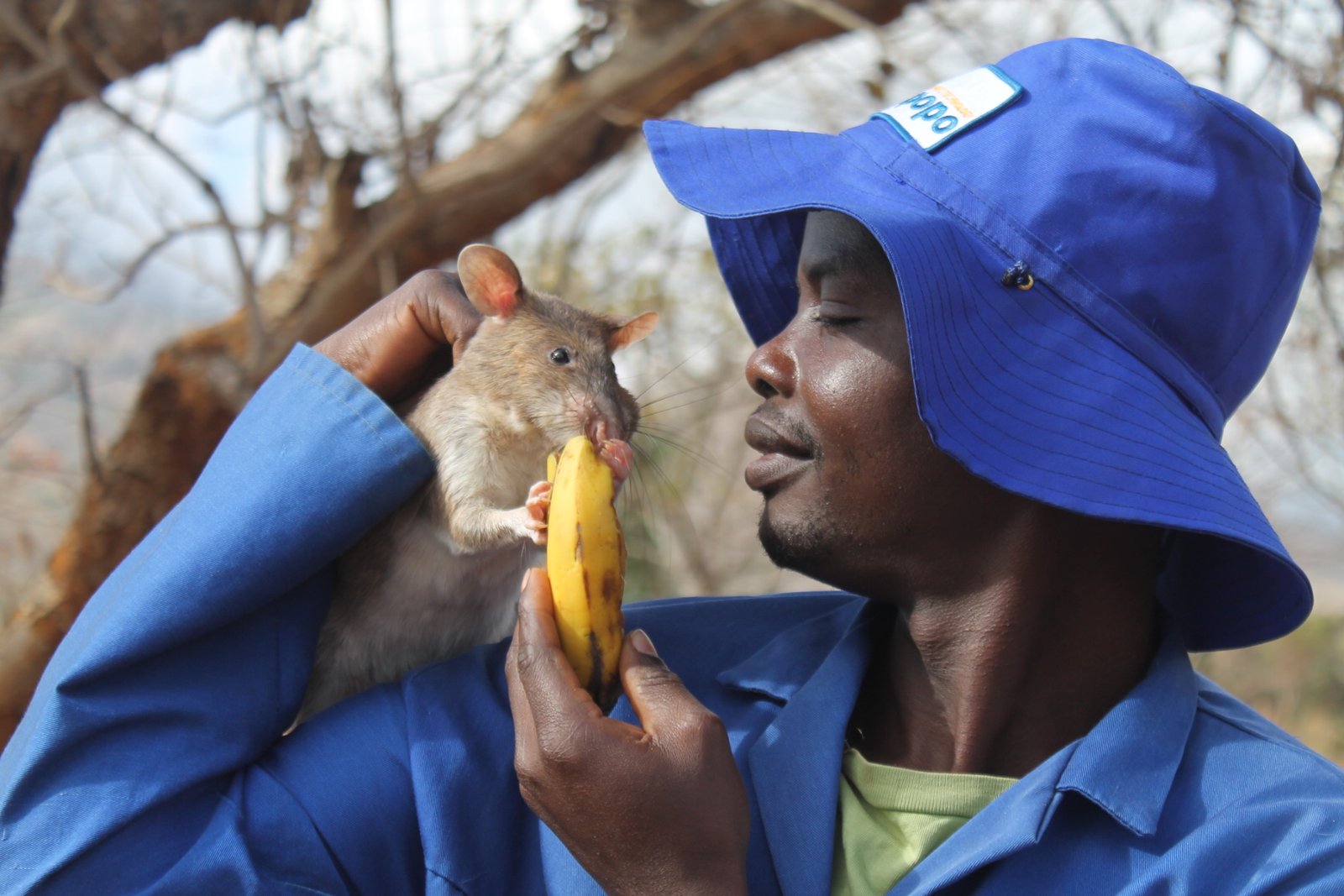
The diet of a working HeroRAT requires careful attention to nutrition and energy requirements. Magawa’s meals included a variety of fruits, vegetables, and specially formulated pellets that provided the energy needed for his demanding work. Bananas and peanuts served as high-value rewards during training and field operations.
Social interaction remained an important aspect of Magawa’s life, as these intelligent creatures thrive in the company of their own kind. The program maintained multiple rats to provide companionship and prevent the social isolation that could negatively impact their performance and well-being.
The Broader Impact on Cambodian Communities

The areas cleared by Magawa and his colleagues had profound impacts on local communities that extended far beyond simple safety considerations. Farmers could expand their agricultural operations into previously unusable land, increasing crop yields and family incomes. Children could walk safely to school along paths that had been dangerous for decades.
Economic development flourished in cleared areas as businesses and infrastructure projects could proceed without the constant threat of hidden explosives. Roads could be built, schools constructed, and health clinics established in communities that had been isolated by landmine contamination. This ripple effect of safety created opportunities for education, healthcare, and economic growth.
The psychological impact of landmine clearance cannot be overstated. Families who had lived in fear for generations could finally experience peace of mind when their children played outside. The constant anxiety of stepping on a hidden explosive was replaced by the freedom to move naturally through their own communities.
Training the Next Generation

Magawa’s success paved the way for training additional HeroRATs who would continue this vital work. The program expanded to include multiple rats working simultaneously across different areas of Cambodia, multiplying the impact of this innovative approach. Each new trainee learned from the established protocols developed through Magawa’s pioneering work.
The selection process for new HeroRATs involves careful evaluation of candidates’ temperament, intelligence, and physical capabilities. Not every rat possesses the combination of traits necessary for this specialized work, making successful candidates particularly valuable. The training process typically takes about nine months to complete, requiring significant investment in each animal.
Breeding programs ensure a steady supply of suitable candidates for training, while genetic research helps identify traits that contribute to detection success. This scientific approach to animal selection improves the overall effectiveness of the program while maintaining the highest standards of animal welfare.
Challenges and Obstacles

Despite his remarkable success, Magawa’s work was not without challenges. Cambodia’s tropical climate presented constant obstacles, from monsoon rains that could wash away scent signatures to extreme heat that made afternoon work impossible. The rainy season particularly complicated detection efforts, as water could disperse explosive compounds or create false readings.
Vegetation growth in cleared areas sometimes required repeated searches to ensure that newly accessible ground remained safe. Thick jungle growth could conceal dangerous areas that became accessible only after clearing, requiring multiple passes to ensure complete coverage. The dynamic nature of the environment meant that landmine detection was an ongoing process rather than a one-time solution.
Wildlife encounters occasionally interrupted detection work, as Cambodia’s forests are home to various species that could pose risks to both rats and handlers. From venomous snakes to territorial insects, the natural environment added another layer of complexity to an already challenging mission.
The Science of Scent Detection

Understanding how Magawa could detect explosives buried underground requires examining the complex chemistry of explosive degradation. Over time, landmines release chemical compounds that migrate through soil layers, eventually reaching the surface where they can be detected by sensitive noses. Temperature, humidity, and soil composition all influence how these chemical signatures develop and persist.
The molecular structure of explosive compounds determines their volatility and detection potential. TNT, for example, has a relatively low vapor pressure, making it challenging to detect, while other explosive compounds release more volatile signatures. Magawa’s training included exposure to the full range of explosive types commonly found in Cambodia’s contaminated areas.
Soil analysis revealed that certain geological conditions enhanced scent detection while others hindered it. Clay soils tended to trap explosive compounds, concentrating them near the surface where they could be more easily detected. Sandy soils, conversely, allowed compounds to disperse more widely, requiring more sensitive detection methods.
Retirement and Legacy

After five years of dedicated service, Magawa retired from active duty in 2021, having earned a peaceful retirement after saving countless lives. His retirement marked the end of an era in humanitarian demining, though his legacy continued through the rats he had trained alongside and the methods he had helped perfect.
The retirement ceremony was a bittersweet moment that celebrated his achievements while acknowledging the ongoing need for continued landmine clearance work. Magawa’s handlers reflected on the privilege of working with such an exceptional animal, whose dedication had made their dangerous work both safer and more effective.
In retirement, Magawa continued to live comfortably at APOPO’s facility, where he could enjoy his favorite foods and spend time with other retired working rats. His story continued to inspire new generations of trainers and handlers who carried forward the innovative methods he had helped develop.
The Future of Animal-Assisted Demining
Magawa’s success demonstrated the potential for expanding animal-assisted demining programs to other conflict-affected regions around the world. Countries like Angola, Mozambique, and Afghanistan faced similar challenges with landmine contamination, making the HeroRAT model applicable to diverse geographical and political contexts.
Technological advances continued to enhance the effectiveness of animal detection methods. GPS mapping, improved harness designs, and better communication systems all contributed to making the work safer and more efficient. These improvements built upon the foundation established by pioneers like Magawa.
Research into the genetics of detection ability promised to improve the selection and training of future HeroRATs. Scientists studied the specific genes responsible for enhanced olfactory capabilities, potentially leading to breeding programs that could produce even more effective detection animals.
Global Recognition and Media Coverage

Magawa’s story captured international attention, appearing in major news outlets, documentaries, and educational programs worldwide. His unique combination of heroism and adorability made him a perfect ambassador for the serious work of humanitarian demining. Media coverage helped raise awareness about the ongoing threat of landmines in post-conflict societies.
The global recognition brought increased funding and support for APOPO’s work in Cambodia and other countries. Donations from individuals inspired by Magawa’s story helped expand the program and train additional rats for detection work. This financial support was crucial for maintaining the high standards of animal care and training required for successful operations.
Educational institutions incorporated Magawa’s story into curricula covering topics from animal behavior to international humanitarian law. His example demonstrated how innovative thinking could address complex global challenges, inspiring students to consider creative solutions to persistent problems.
Measuring Success in Lives Saved

Quantifying the impact of Magawa’s work requires considering both direct and indirect effects on human safety and community development. The 71 landmines and 38 unexploded ordnance items he detected would have inevitably caused casualties if left undiscovered. Each prevented explosion potentially saved multiple lives and prevented devastating injuries.
The economic impact of his work extended far beyond immediate safety considerations. Cleared agricultural land increased food production and family incomes, while safe transportation routes facilitated trade and development. These economic benefits continued to accumulate long after the initial clearance work was completed.
Community confidence in cleared areas grew gradually as people witnessed the thoroughness of the detection process. Magawa’s systematic approach and proven track record helped convince skeptical residents that cleared areas were genuinely safe for normal activities. This confidence was essential for realizing the full benefits of demining efforts.
Cambodia’s mine-contaminated landscape has been forever changed by the dedicated work of an extraordinary rat who proved that heroism comes in all sizes. Magawa’s legacy extends far beyond the individual mines he detected, encompassing the innovative methods he helped develop and the lives he saved through his unwavering dedication to duty. His story reminds us that solutions to humanity’s greatest challenges often come from the most unexpected sources, and that courage and determination can overcome even the most daunting obstacles. What other unlikely heroes might be waiting to emerge from the most surprising places?