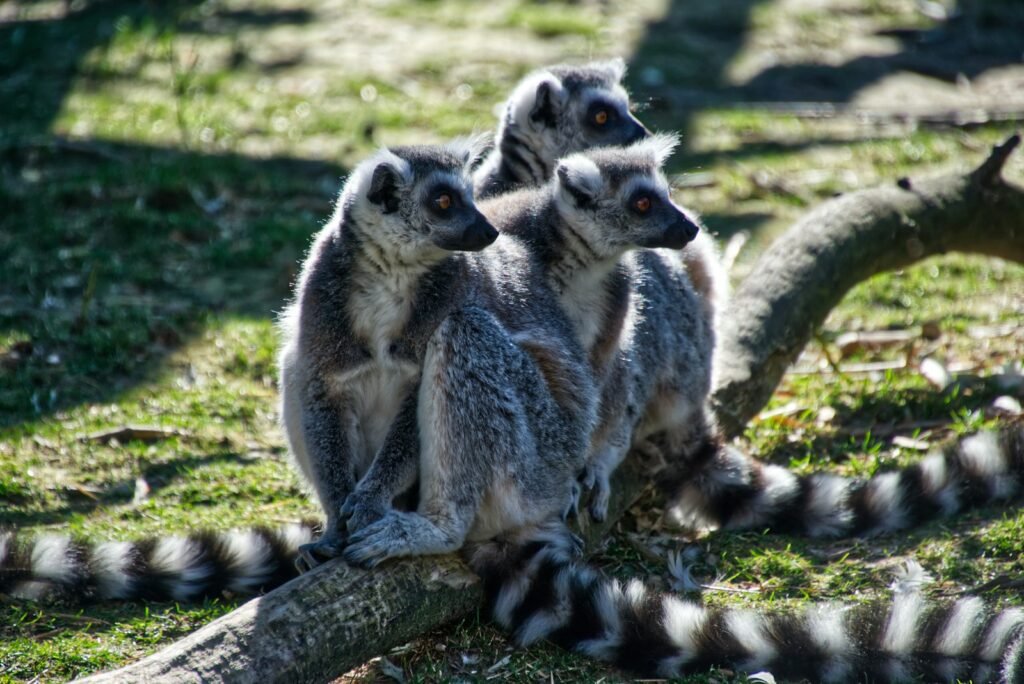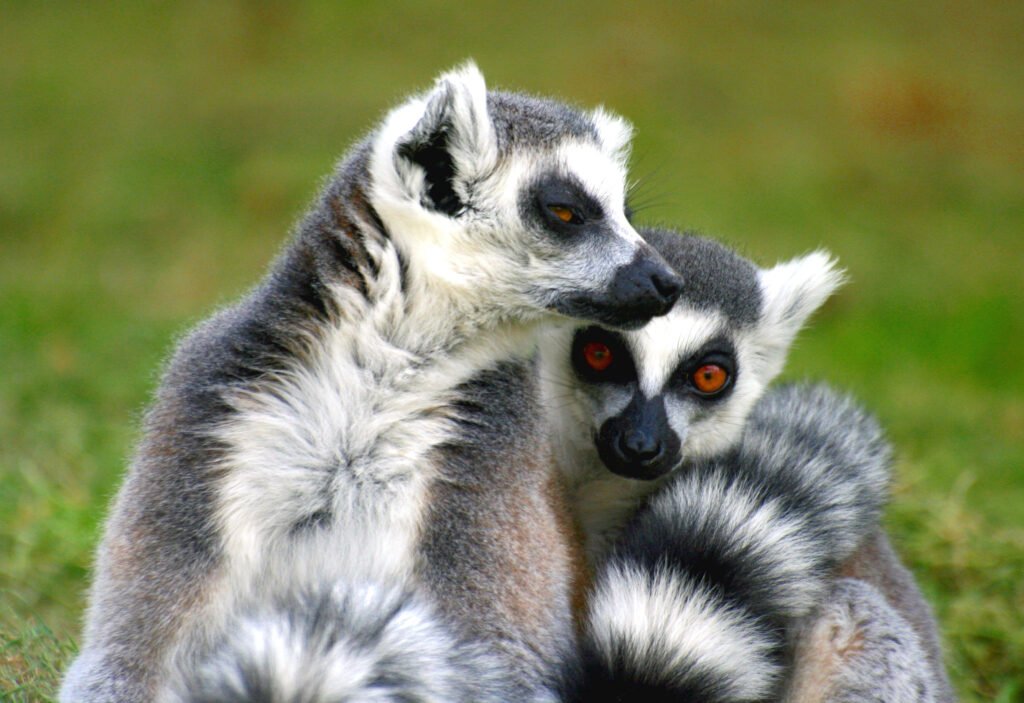

Madagascar, an island nation famed for its biodiversity, is home to some of the world’s most intriguing creatures. Among these are the elusive and enigmatic ghost lemurs, which have captivated scientists and animal enthusiasts alike. Often shrouded in mystery due to their nocturnal nature and remote habitats, these primates offer invaluable insights into evolution and adaptation. In this article, we will delve into the fascinating world of Madagascar’s ghost lemurs, exploring their distinct characteristics, behaviors, and what they reveal about the evolutionary tapestry of life on this remarkable island.
The Unique Habitat of Madagascar
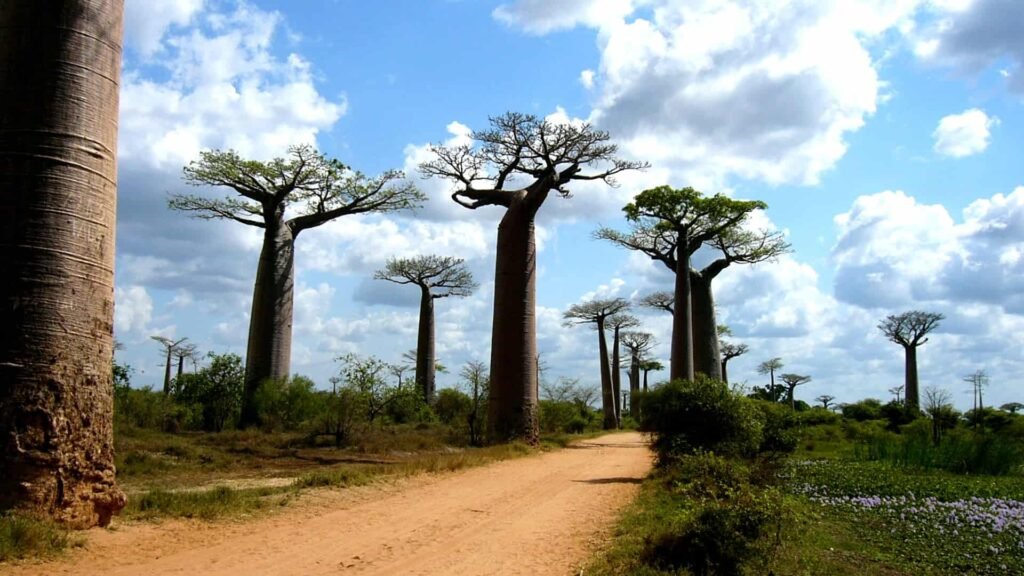
Madagascar is a biodiversity hotspot, with nearly 90% of its wildlife found nowhere else on Earth. This isolation has made it a living laboratory for evolution, allowing species like ghost lemurs to evolve unique traits. The lemurs’ primary habitats are the dense forests and rocky outcrops scattered across the island, which provide both refuge and resources in an ever-changing environment.
Who Are the Ghost Lemurs?
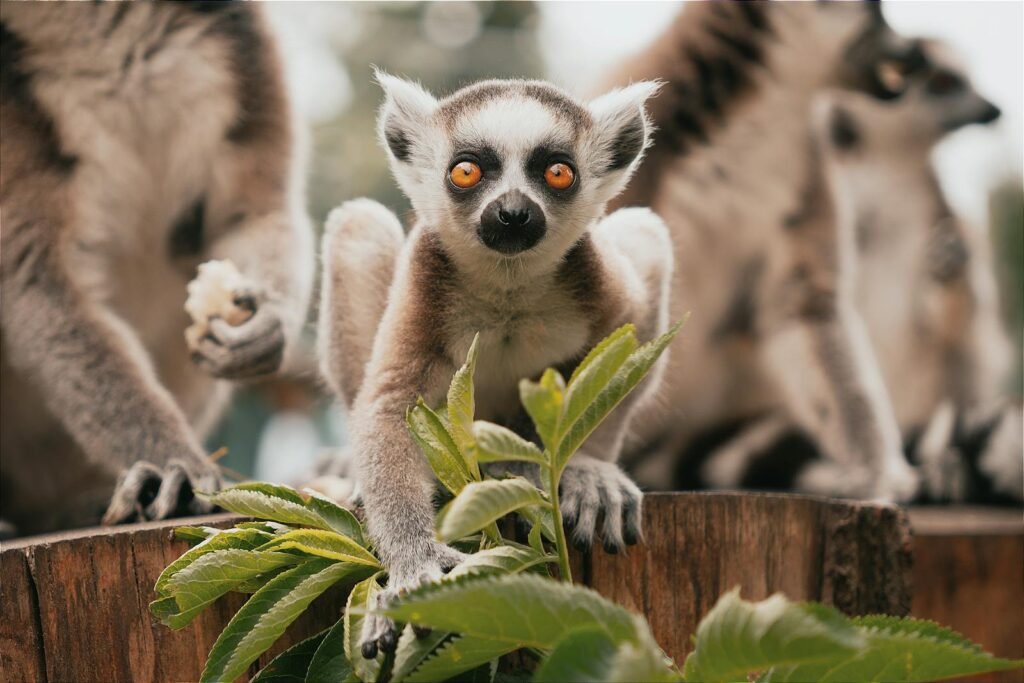
Ghost lemurs, often referred to as the “aye-aye” lemurs based on the most famous of the type, are a group of nocturnal primates belonging to the lemur family. They are especially known for their elusive nature and seemingly supernatural nocturnal activities, earning them their ghostly moniker. These creatures are part of the more extensive family of lemurs that exhibit remarkable diversity and adaptability unique to Madagascar.
Evolutionary Wonders
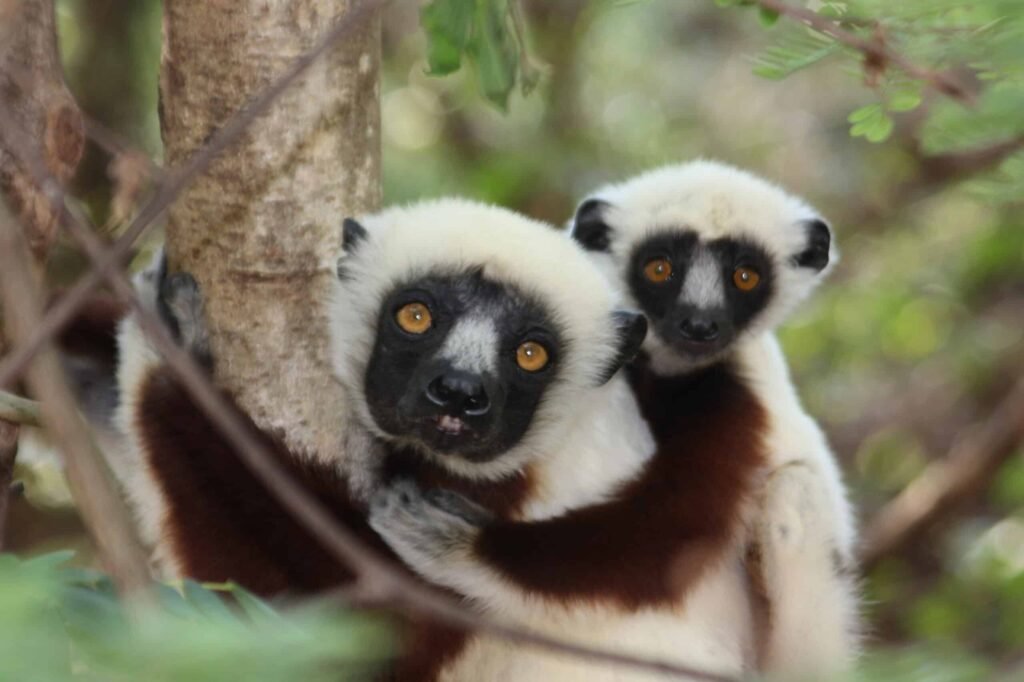
Lemurs are believed to have arrived in Madagascar around 60 million years ago, after drifting from the African continent. Due to the island’s isolation, they underwent an extraordinary adaptive radiation, evolving into various species that filled different ecological niches. This process of adaptive radiation is a quintessential example of how new species evolve to exploit available environments and resources.
The Nocturnal Lifestyle
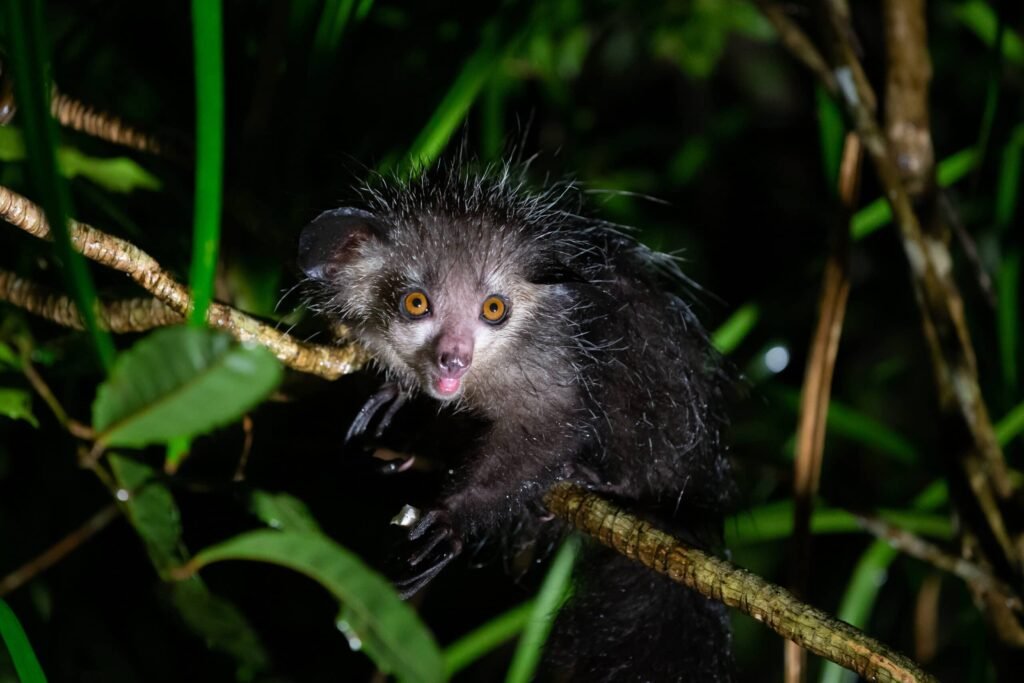
Ghost lemurs are primarily nocturnal, a trait that has enabled them to avoid many predators and competition from other diurnal species. Nighttime activity allows them to navigate through the forest using advanced sensory adaptations while harnessing resources that other animals might overlook.
Specialized Feeding Habits
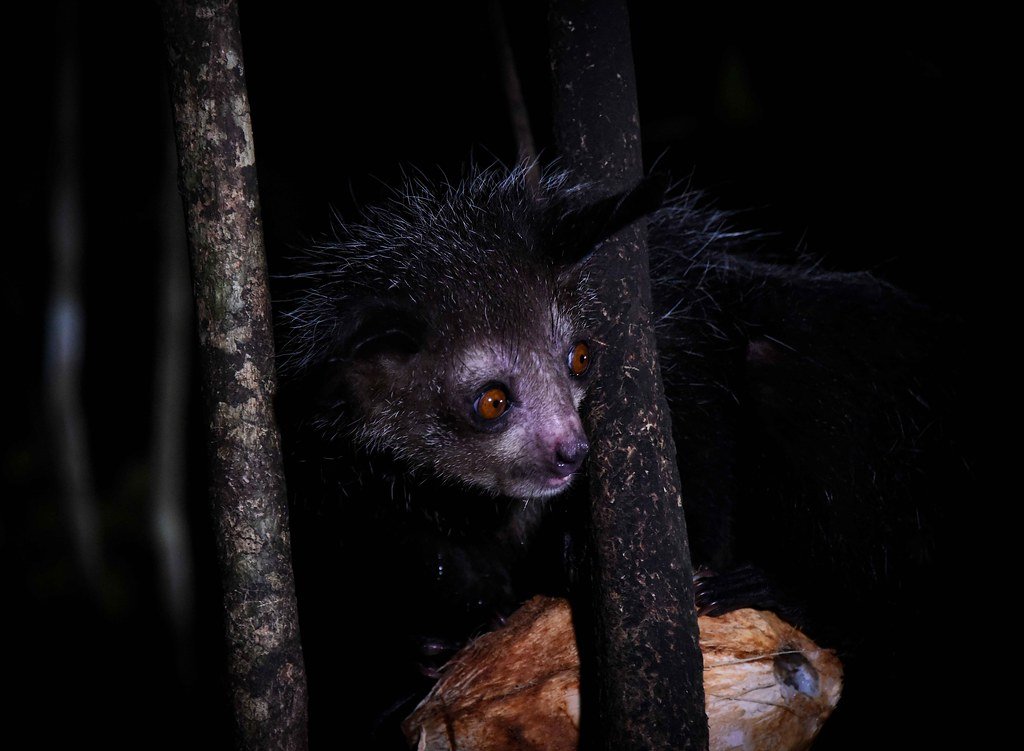
One of the unique aspects of ghost lemurs is their diet, which often includes insect larvae, fruit, and nectar. The aye-aye, for instance, has developed a specialized long middle finger to extract grubs from trees, showcasing an incredible example of evolutionary adaptation that maximizes its feeding efficiency.
Sensory Adaptations
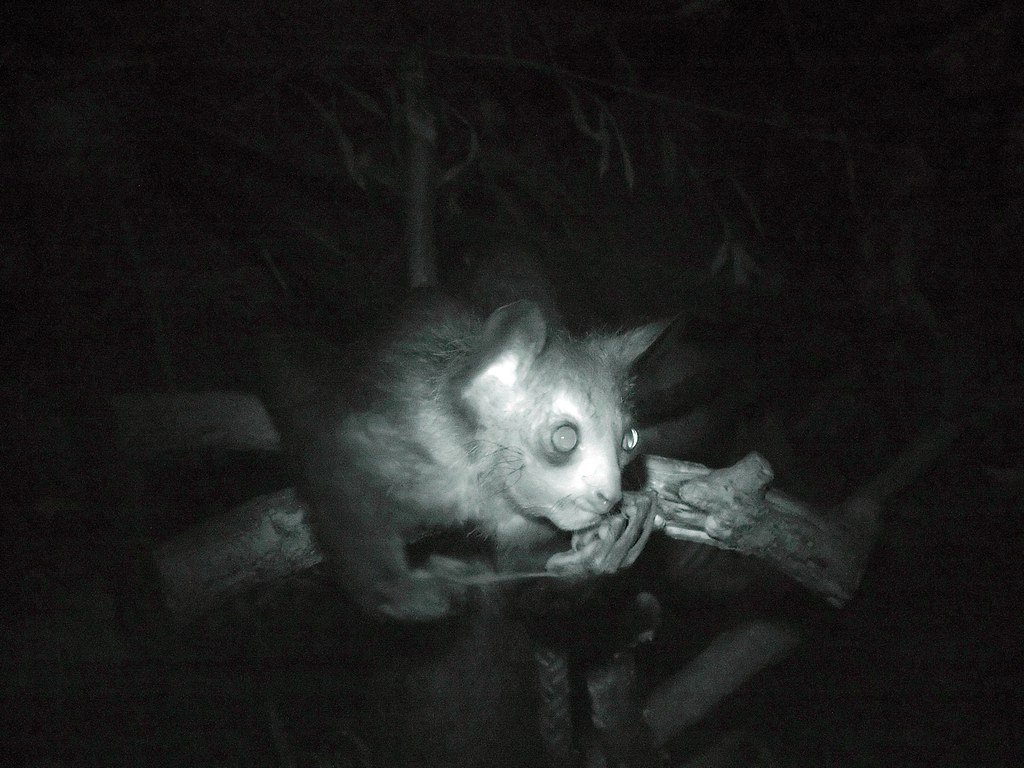
The ghost lemurs’ nocturnal adaptations include heightened senses of hearing and smell. These advanced sensory capabilities aid in their night-time foraging, allowing them to locate food sources and avoid predators efficiently. Their large eyes also suggest an adaptation to low-light conditions, optimizing their ability to navigate under the cover of darkness.
Social Structures and Behavior
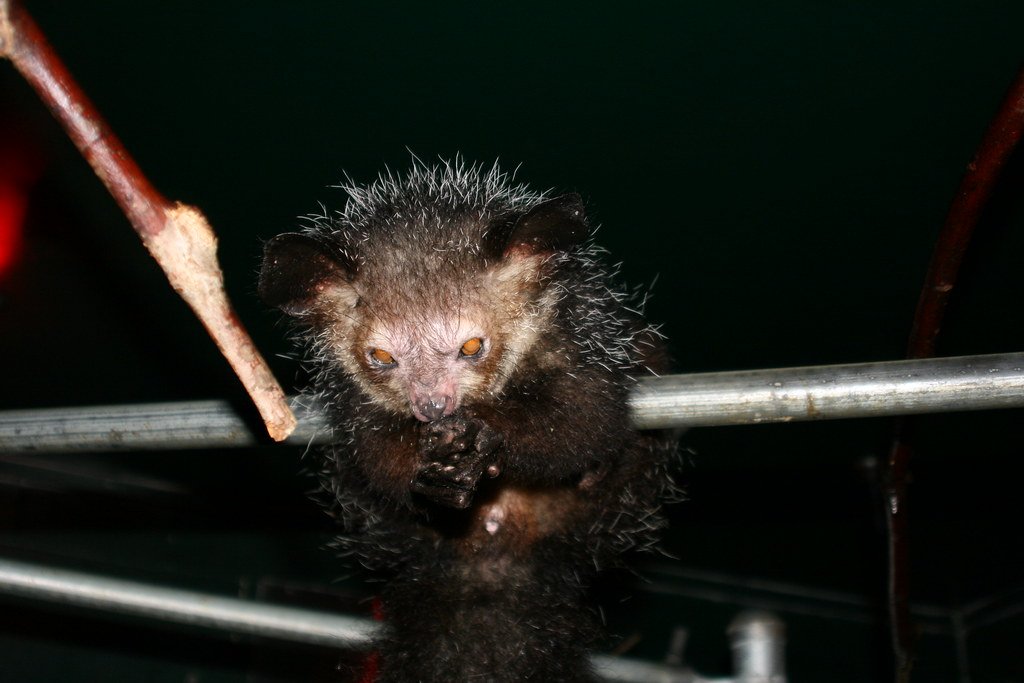
Although often solitary in nature, ghost lemurs exhibit fascinating social behaviors when they do interact. Their communication can include a range of vocal calls, scent marking, and physical gestures. Understanding these behaviors is crucial for comprehending how these animals thrive within their environment.
Role in Ecosystem
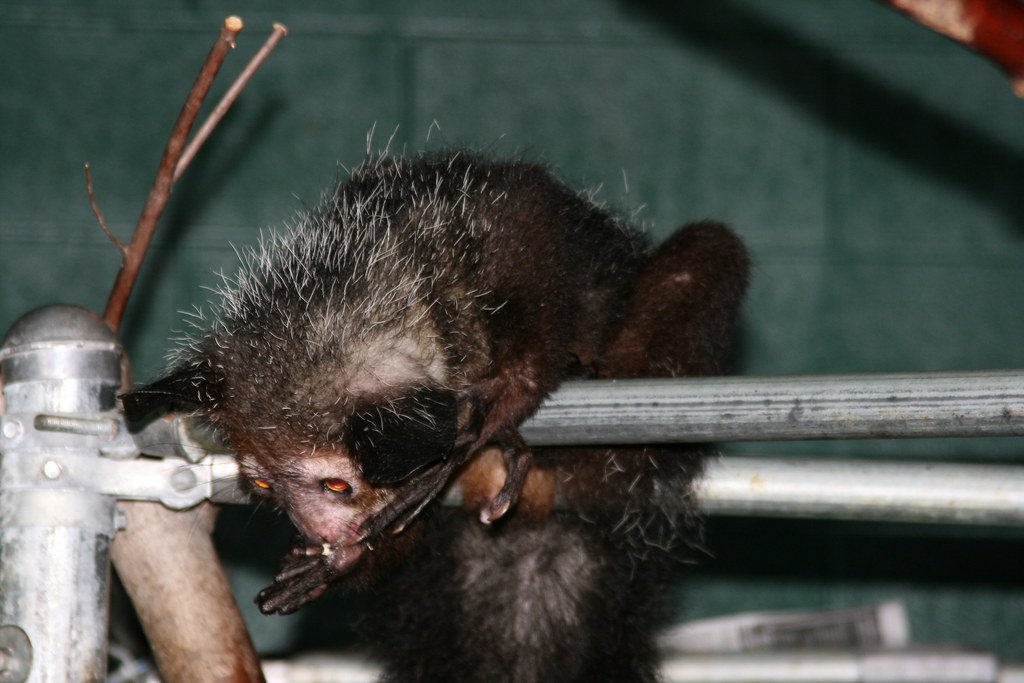
Ghost lemurs play a vital role in their ecosystems, contributing to seed dispersal and insect population control. Their interactions with the habitat help maintain the delicate ecological balance, showcasing their importance beyond their evolutionary intrigue.
Conservation Challenges
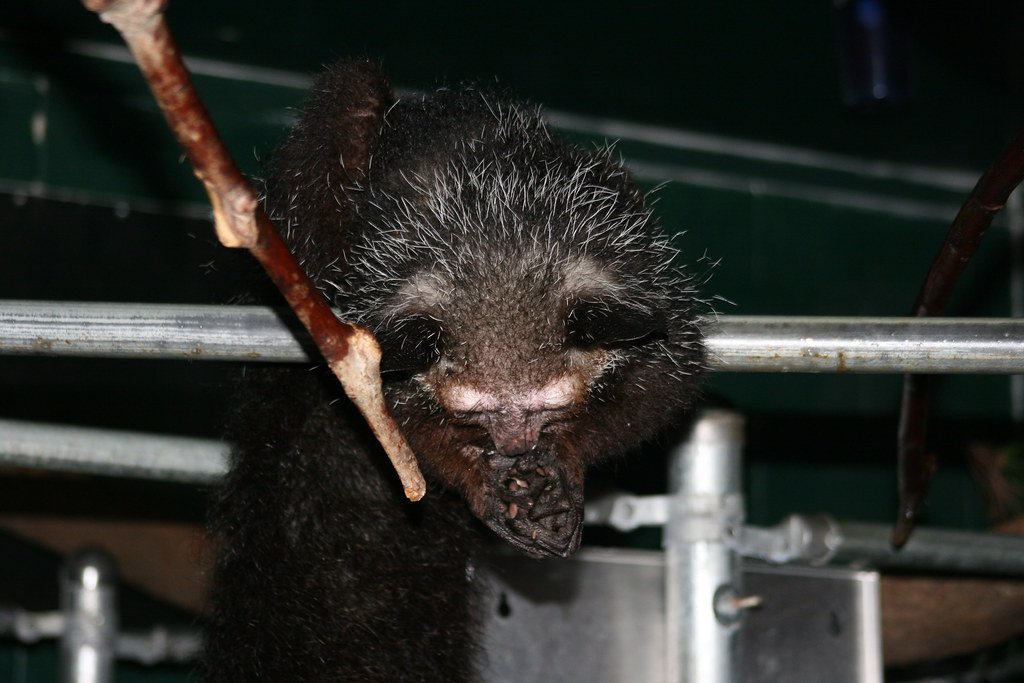
Despite their resilient adaptations, ghost lemurs face significant threats from habitat destruction, hunting, and climate change. Conservation efforts are crucial in preserving these remarkable creatures and their habitats, ensuring they remain a part of Madagascar’s rich biodiversity.
Importance of Preservation Efforts
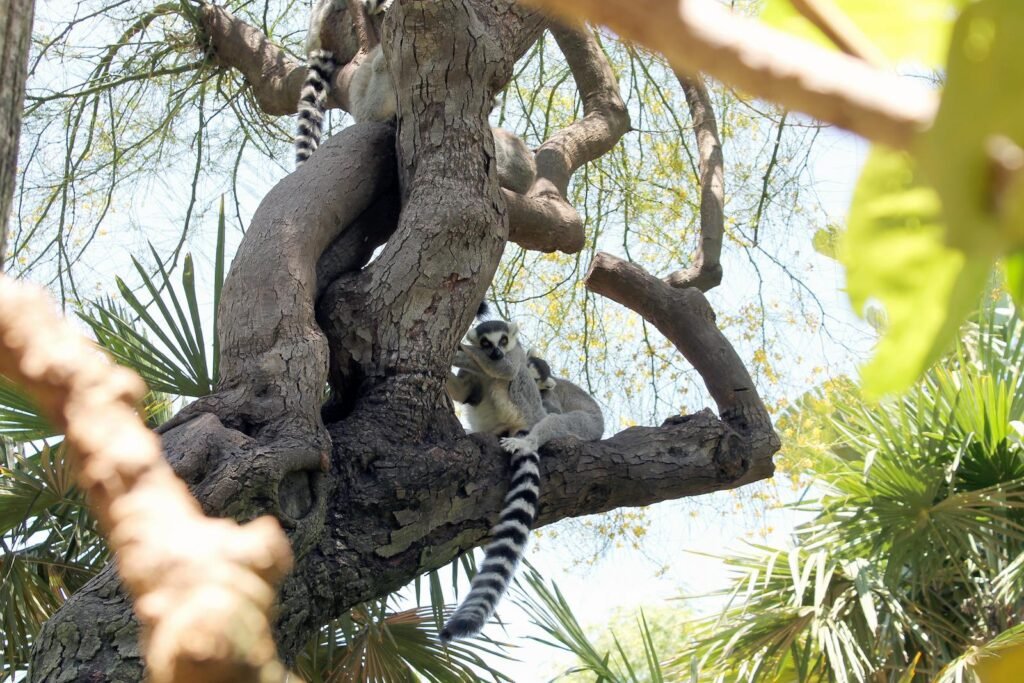
Efforts to preserve ghost lemurs involve habitat protection, research, and local community engagement. By understanding the challenges these primates face, conservationists aim to safeguard their future while preserving a piece of the evolutionary history that these lemurs embody.
Concluding Thoughts
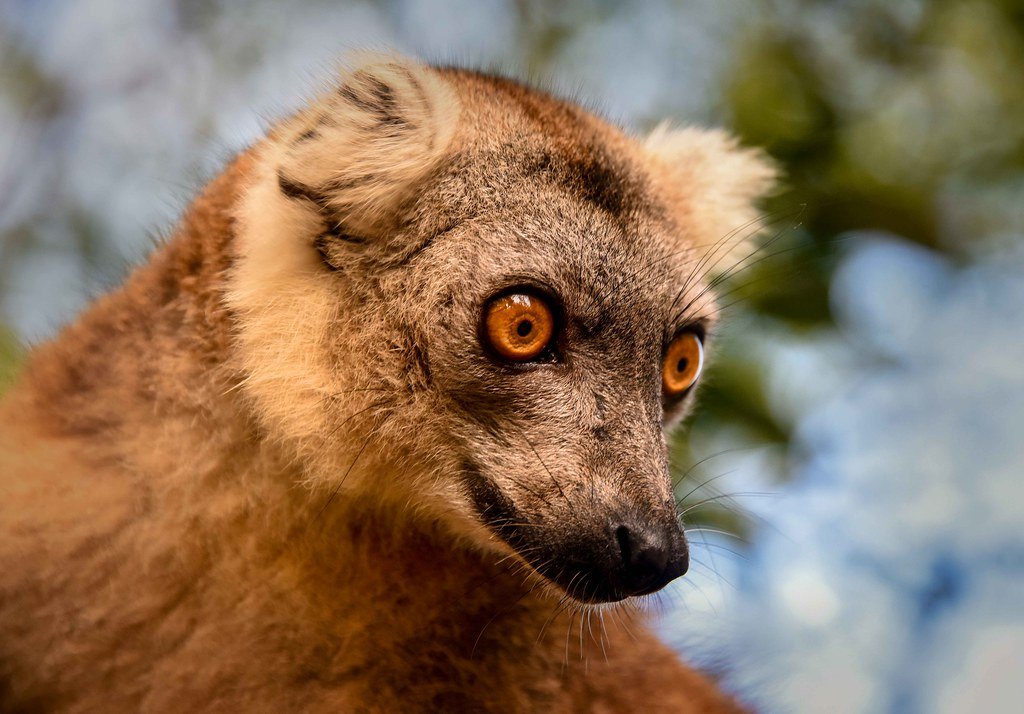
Madagascar’s ghost lemurs offer a unique glimpse into the pathways of evolution and adaptation. From their specialized feeding habits to their nocturnal lifestyles, these primates reveal the beauty and complexity of natural selection and survival in isolated environments. As we continue to uncover the secrets of these elusive creatures, it is imperative to protect and conserve them, ensuring that they continue to thrive and inspire future generations with their evolutionary stories.