Imagine watching a radiant blue-and-gold macaw perched high in the rainforest canopy, twisting and turning, trying to reach that one stubborn itch just between its wings. Suddenly, it grabs a stick with its beak and, with remarkable finesse, scratches the unreachable spot. This is not a scene from a fantasy or a cartoon—it’s an astonishing display of intelligence from one of nature’s most captivating birds. The use of tools, once considered the exclusive domain of primates and humans, is now being uncovered in the vibrant world of macaws, challenging our assumptions about animal intelligence and the boundaries of creativity in the wild.
The Stunning World of Macaws
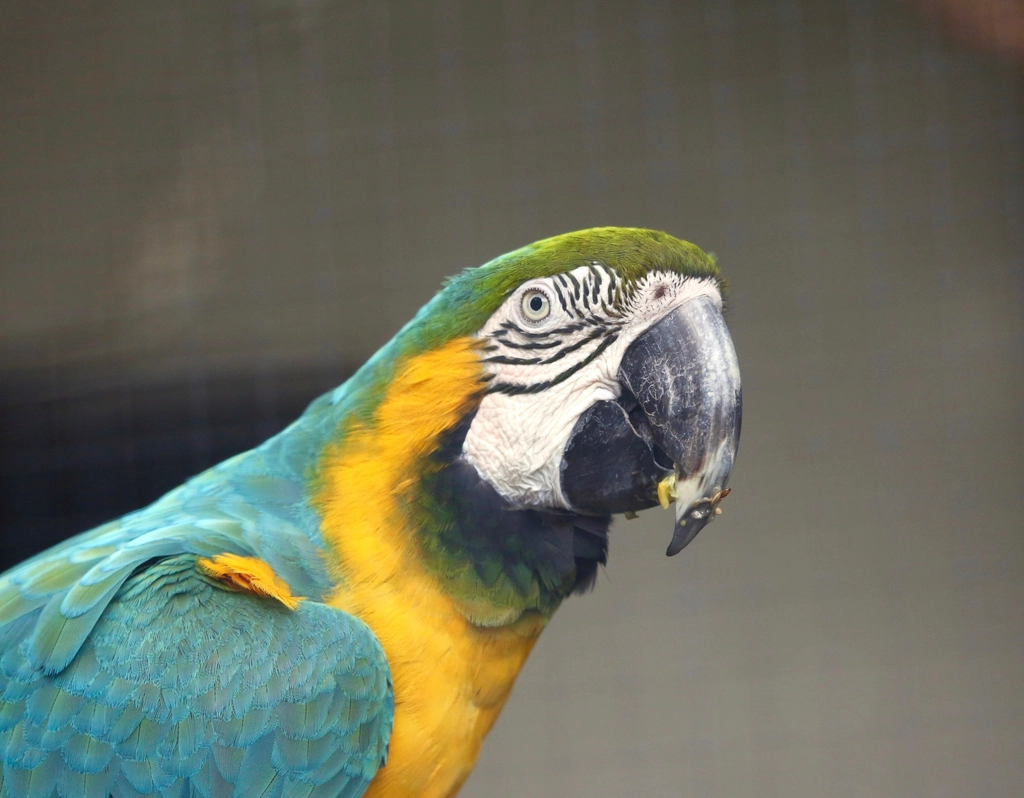
Macaws are among the most recognizable and breathtaking birds in the world, famous for their vivid colors and impressive size. Native to the lush rainforests of Central and South America, these parrots are a symbol of beauty and wild freedom. Their strong, curved beaks are not only perfect for cracking nuts but also reveal a surprising dexterity when it comes to manipulating objects. Living in complex social groups, macaws communicate with a symphony of calls and display a range of playful behaviors that captivate bird lovers everywhere. Their intelligence is often compared to that of young children, making them fascinating subjects for scientific study. Intriguingly, their vibrant feathers serve as both camouflage among the leaves and a means of attracting mates. These birds are not just pretty faces; they are innovators in their own right.
What Does Tool Use Mean in Animals?

Tool use in animals refers to the ability to select, modify, and employ objects from the environment to accomplish specific goals. Until recently, this behavior was believed to be rare and mostly associated with primates, particularly chimpanzees and humans. However, discoveries among birds—especially crows, parrots, and now macaws—have rewritten the narrative. For an animal, using a tool is a sign of advanced problem-solving skills and a flexible mind. It indicates the ability to plan ahead, learn from experience, and sometimes even teach others. In the wild, tool use can mean the difference between thriving and struggling, as it helps animals access food, build nests, or care for their bodies. The fact that macaws have joined this elite club of tool users has sent ripples through the scientific community, sparking new discussions about animal intelligence.
How Scientists Discovered Macaws’ Ingenious Scratching
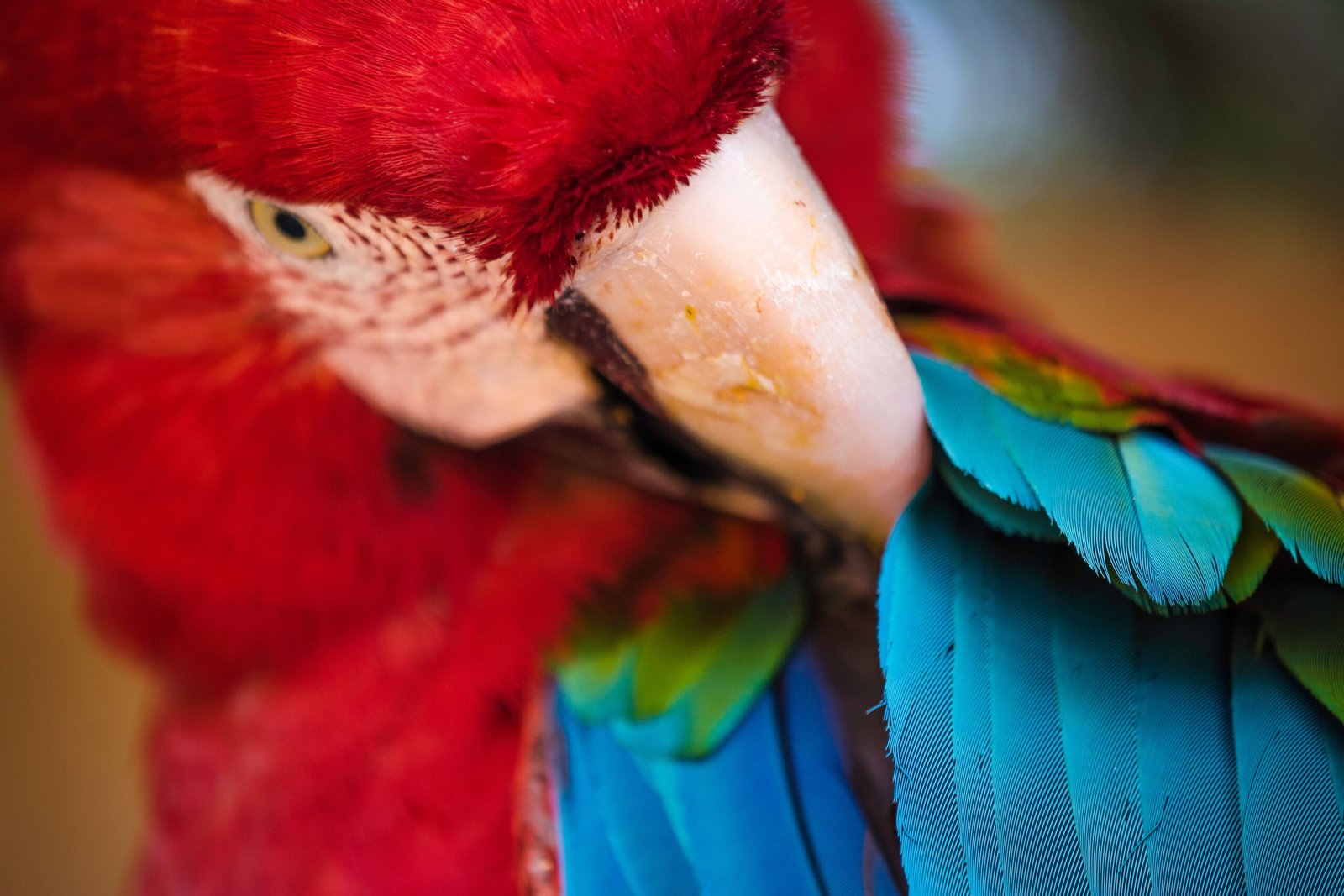
The revelation that macaws use tools to scratch themselves emerged from both careful observation in captivity and serendipitous encounters in the wild. Researchers noticed that, when given access to sticks and other objects, some captive macaws would pick them up and skillfully maneuver them to relieve itches in places their beaks or feet couldn’t reach. Cameras and detailed notes captured these moments, showing deliberate and repeated use of tools for self-care. In several documented cases, wild macaws were also seen using twigs or leaf stems to scratch hard-to-reach spots. These findings didn’t just happen overnight; they were the result of patient study, keen observation, and a willingness to be surprised by nature’s inventiveness. With each new observation, scientists became more convinced that this was not a fluke, but a genuine example of animal ingenuity.
Why Macaws Need to Scratch Those Itches
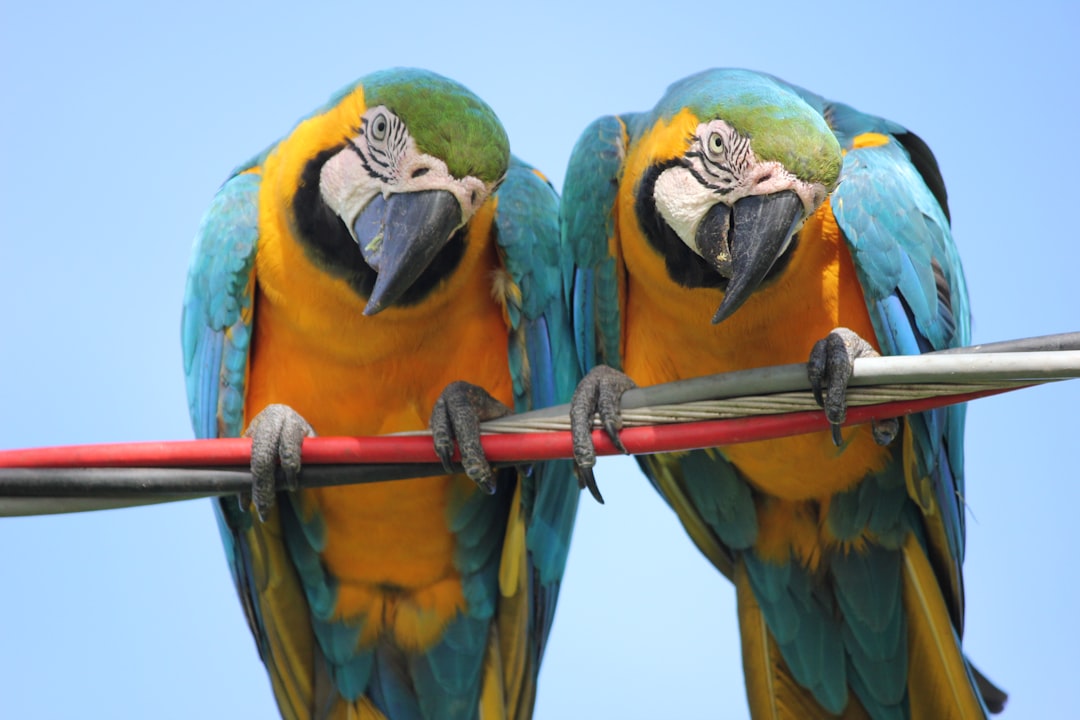
Scratching is more than just a simple reflex for macaws; it is essential for their health and comfort. Like all birds, macaws are prone to skin irritations caused by parasites, dust, and the constant growth of new feathers. Their powerful beaks and agile feet help with most grooming tasks, but some areas—especially between the wings and on the back—are almost impossible to reach. An itch left unscratched can become a source of distress, leading to discomfort or even injury. Using tools to reach these tricky spots is a clever solution, reducing stress and helping the birds maintain their magnificent plumage. This behavior also highlights their adaptability, as they find innovative ways to solve everyday problems in their environment.
The Science Behind Avian Intelligence

Birds, especially parrots, have surprised scientists for decades with their cognitive abilities. The brains of macaws are relatively large compared to their body size, packed with neurons that support complex thinking. Research shows that macaws can learn new tasks, remember solutions, and even work together to solve problems. Their tool use is a testament to their mental flexibility, as it requires foresight, creativity, and fine motor skills. Scientists have run experiments where macaws are presented with a variety of objects and tasks, revealing their ability to adapt strategies and persist in the face of challenges. These findings are part of a broader trend, as more birds demonstrate intelligence once thought to be the sole province of mammals.
Comparing Macaws to Other Tool-Using Birds

While crows and ravens have long been hailed as the geniuses of the bird world, macaws are quickly earning their own reputation. Crows are famous for using sticks to fish insects out of tree bark and even fashioning hooks from twigs. Similarly, the kea parrot from New Zealand is known for its playful manipulation of objects. Macaws, however, bring their own flair to the table, using sticks not only to access food but also to care for their bodies. This broadens our understanding of tool use, showing that it is not just about survival, but also about comfort and quality of life. The diversity of tool use among birds reveals a spectrum of intelligence, adaptability, and innovation that continues to astonish scientists.
Real-Life Stories: Macaws and Their Scratching Tools
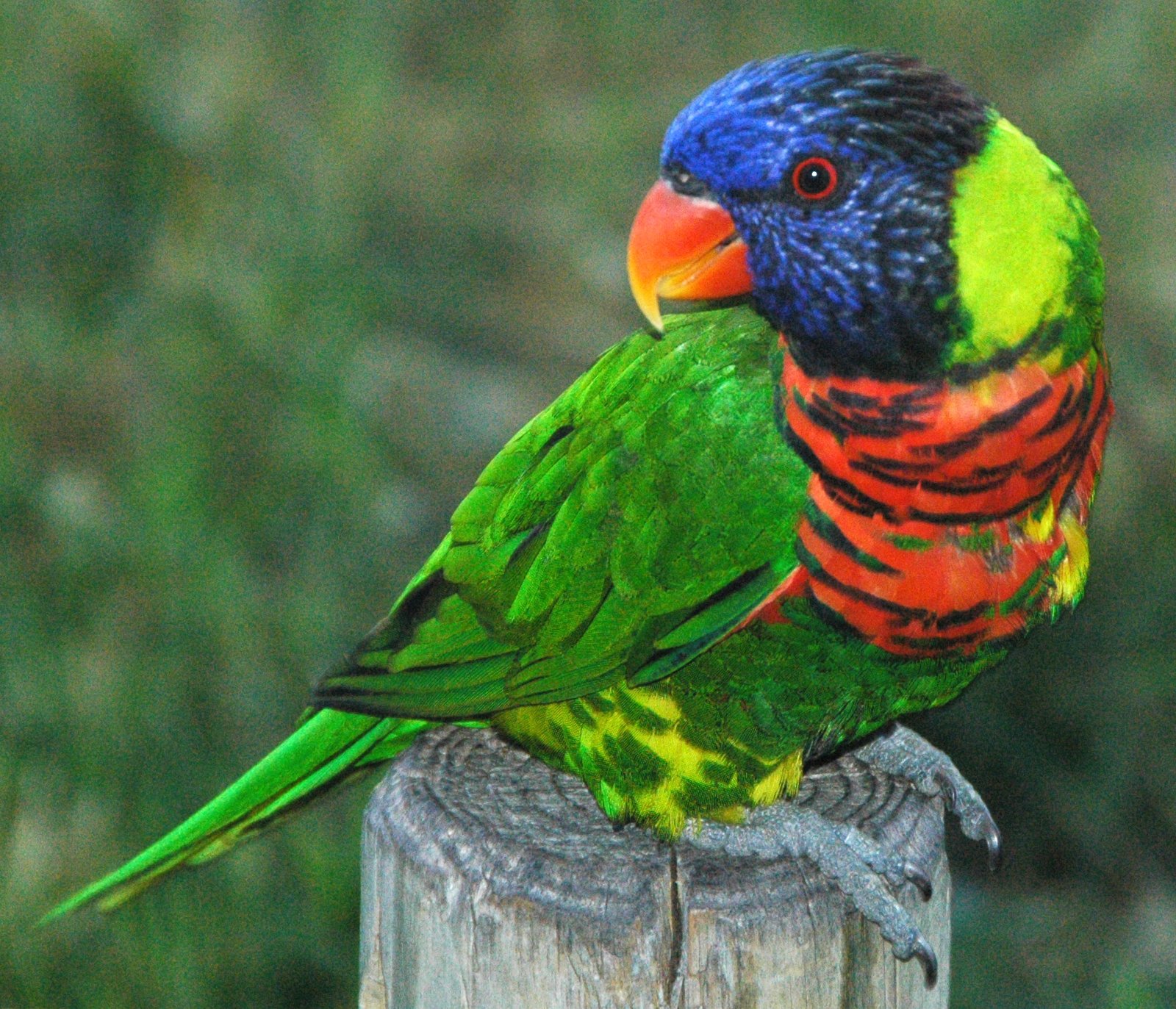
One particularly charming story comes from a sanctuary where a blue-throated macaw named Luna was observed selecting the perfect stick from a pile, grasping it with her foot, and expertly guiding it to the middle of her back. She seemed to relish the relief it provided, pausing to preen her feathers afterward with an air of satisfaction. Another keeper recalls watching several macaws in an aviary take turns with a favored twig, suggesting that these birds not only learn by watching each other but may even share tools when the need arises. These anecdotes breathe life into the scientific findings, reminding us that each bird is an individual with its own quirks and preferences.
Implications for Animal Welfare and Conservation

The discovery of tool use in macaws carries important implications for their care in captivity and their conservation in the wild. Understanding their need for mental stimulation can help zoos and sanctuaries design more enriching environments, offering objects for manipulation and problem-solving. Tool use also underscores the intelligence of these birds, supporting arguments for greater protection in the face of habitat loss and illegal trade. Conservationists hope that highlighting such remarkable behaviors will inspire more people to care about the fate of these colorful parrots, many of which are threatened or endangered. By appreciating their intelligence, we are reminded of our responsibility to protect them and their habitats.
What Makes Macaw Tool Use So Unique?
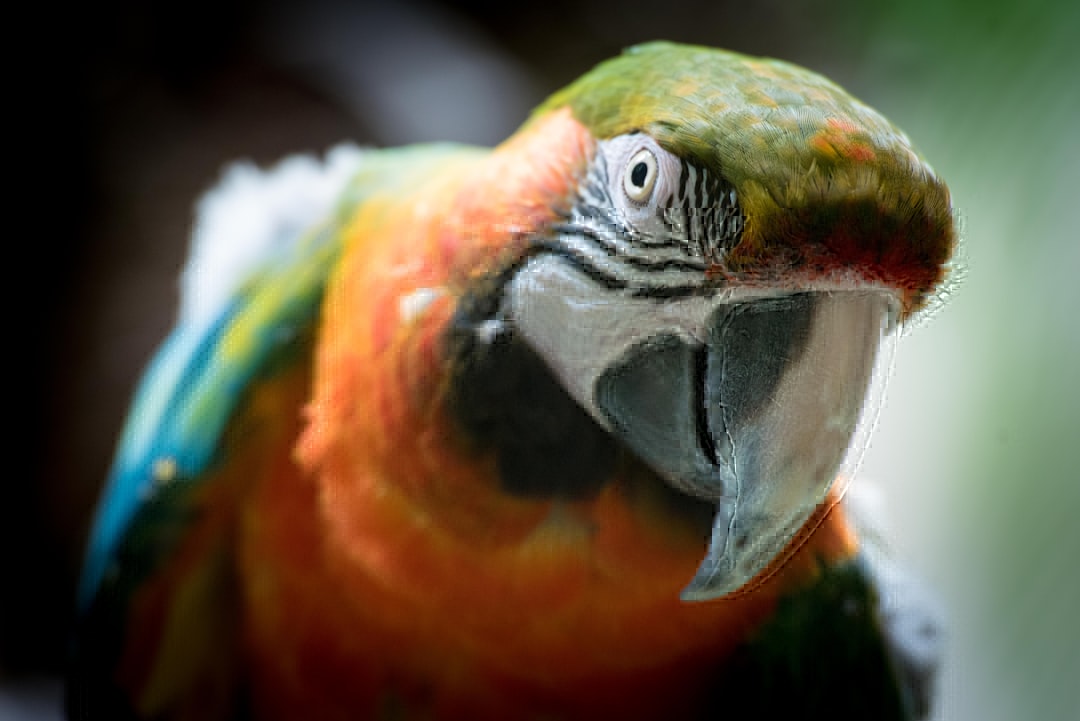
While many animals use tools to obtain food, macaws stand out for employing them in self-care. This behavior suggests a level of self-awareness that is rare in the animal kingdom. It is not just about solving a problem, but about recognizing a personal need and taking deliberate action to address it. Observing a macaw select, shape, and use a stick to scratch an itch is a powerful reminder of the mental lives of animals. Their inventive spirit challenges our assumptions and invites us to see the world from a new perspective.
The Future of Research on Parrot Intelligence
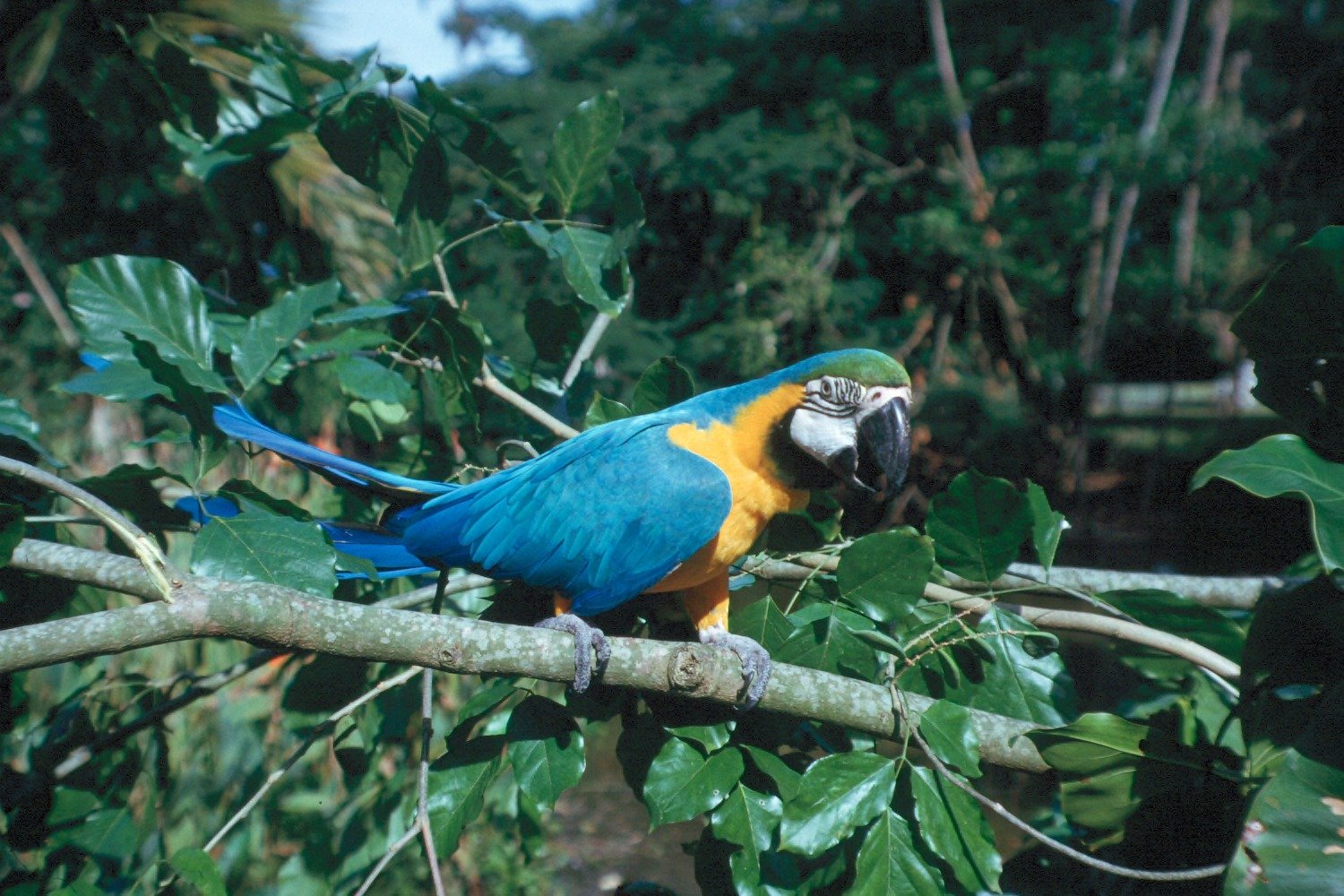
As interest in avian intelligence grows, scientists are eager to explore the full extent of macaws’ cognitive abilities. Future studies may examine whether young macaws learn tool use from their elders, or if this skill is the result of individual experimentation. Advances in technology, such as miniature cameras and tracking devices, promise to reveal even more about the secret lives of these birds in the wild. Each new discovery not only deepens our understanding of macaws but also sparks fresh questions about the nature of intelligence itself. The journey of discovery is far from over, and the next breakthrough may be just around the corner.
How Macaws Inspire Us

There is something deeply inspiring about watching a macaw solve a problem with creativity and determination. Their actions remind us that intelligence is not limited to humans—it is a spark that can be found in the most unexpected places. For birdwatchers, nature lovers, and scientists alike, these moments of ingenuity are both humbling and uplifting. They challenge us to look beyond appearances, to appreciate the inner lives of animals, and to nurture a sense of wonder about the natural world.
Uncovering the Secrets of the Rainforest
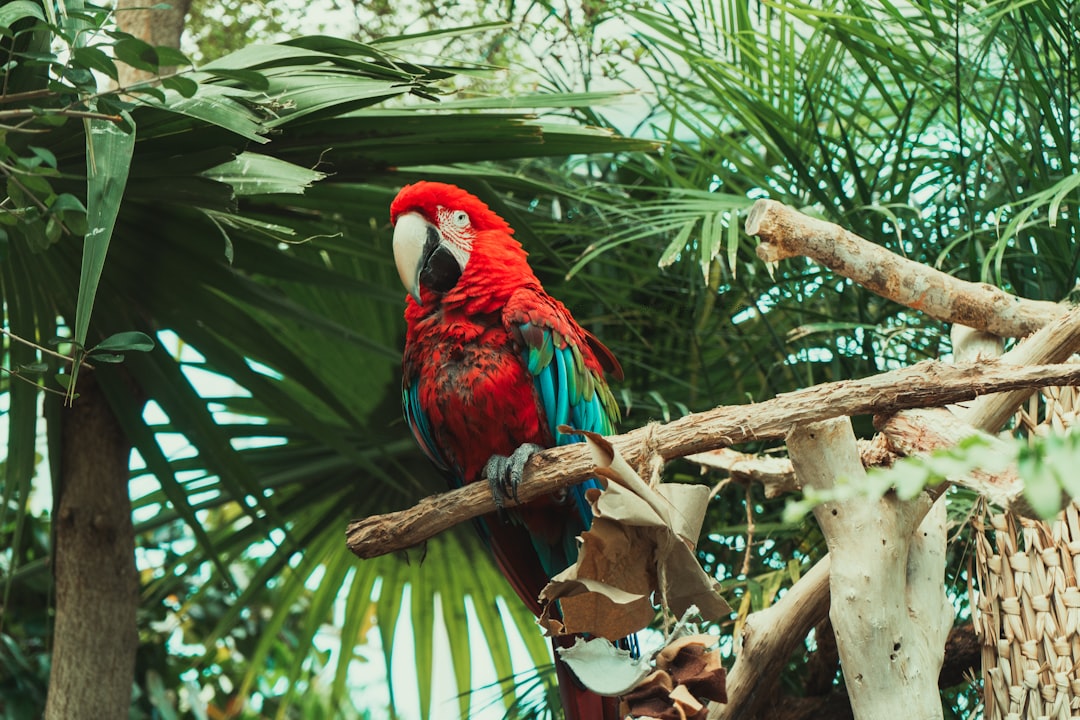
The rainforests where macaws live are filled with mysteries waiting to be discovered. Every twist of a branch or flutter of feathers holds the potential for a new revelation. Observing macaws using tools to scratch themselves is just one glimpse into the complexity of these ecosystems. It reminds us that, even in a world dominated by technology and rapid change, there are still marvels in nature that can surprise and delight us. As we continue to explore, protect, and learn from these environments, who knows what other secrets we will uncover?