
Solar Flare Breaks the Calm (Image Credits: Upload.wikimedia.org)
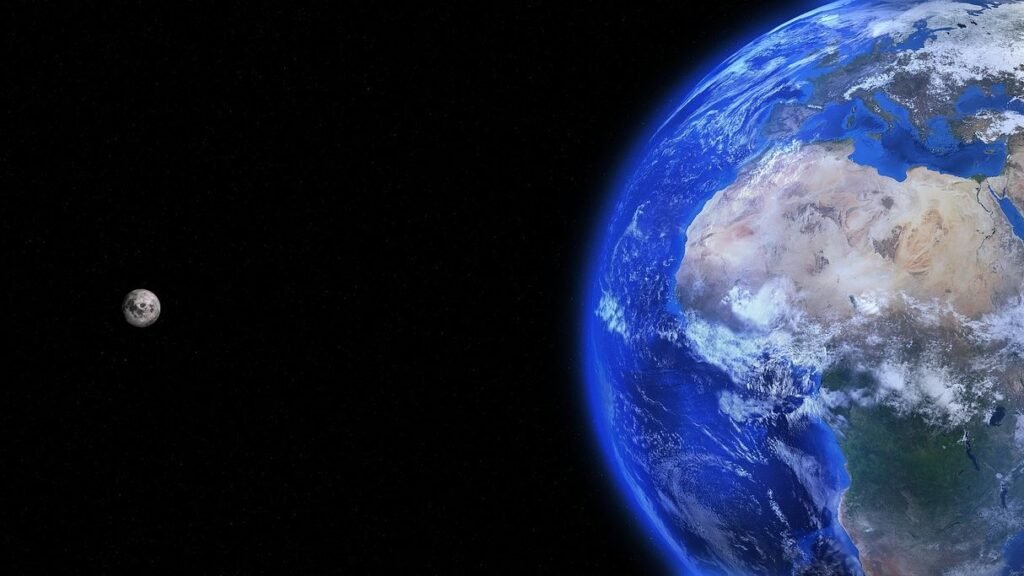
The Sun ended a quiet overnight period with a notable M1.3-class solar flare on March 28, 2026, originating from active region AR4405.[1][2] This event highlighted a gradual uptick in solar activity after days dominated by weaker C-class flares. Positioned at S22E77 on the southeastern solar limb, AR4405 demonstrated its potential as a beta-class region with mixed magnetic polarities. Forecasters now eye a high-speed solar wind stream from a coronal hole, due to reach Earth late on March 29, which could spark minor geomagnetic disturbances and colorful auroral displays.
Solar Flare Breaks the Calm
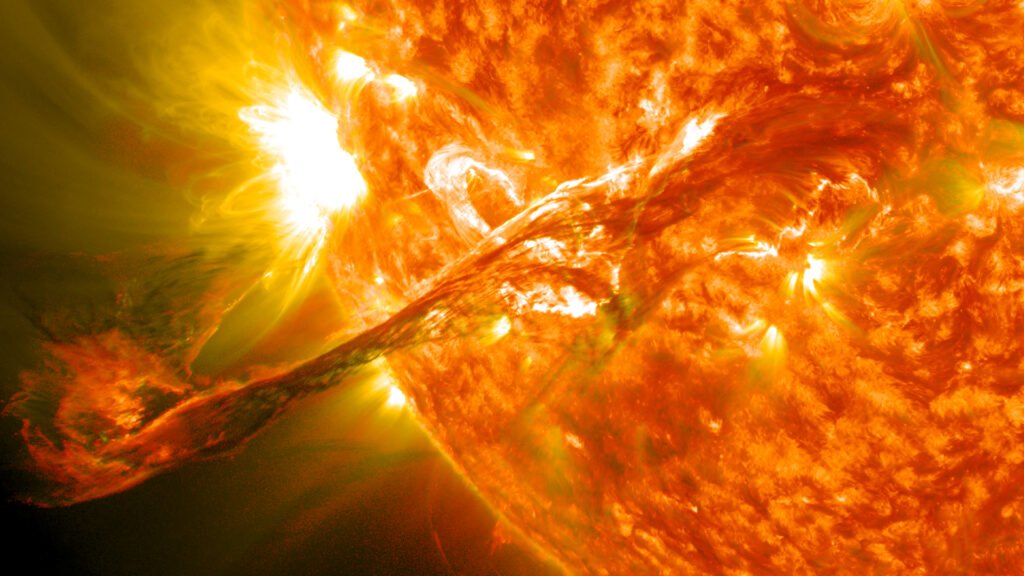
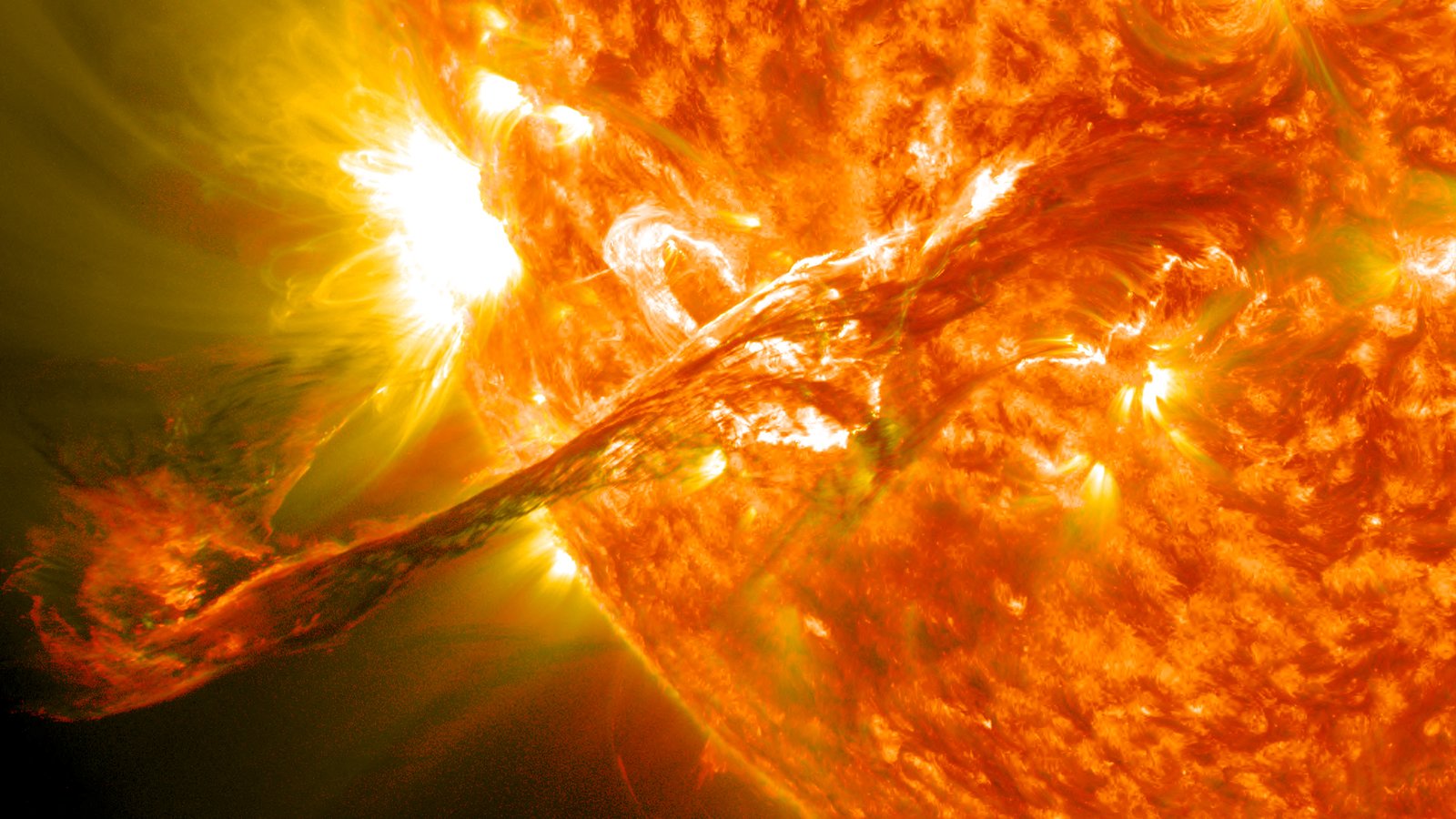
This M1.3 flare peaked at 2:13 UTC, marking the strongest solar eruption in the prior 24 hours. Active region AR4405, a sprawling magnetically complex area, produced seven of the day’s eight flares, including several C-class events such as a C4.0 earlier that morning. The outburst triggered an R1-level radio blackout, which briefly disrupted high-frequency communications over Malaysia. Observations from NASA’s Solar Dynamics Observatory captured the event’s bright ribbons surging into the corona, though no coronal mass ejections directed toward Earth accompanied it.
Solar flares like this one result from the sudden release of magnetic energy in sunspot regions. M-class flares represent moderate intensity on the scale that runs from A to X, with potential to affect radio signals but rarely causing widespread issues. AR4405’s activity followed a pattern of escalation, as the Sun transitioned from low-level events.
Recent Solar Events in Review
Solar activity had remained subdued leading up to March 28, with overnight quiet giving way to this flare. The previous day saw 11 C-class flares, the strongest a C3.6 from AR4403 and an unnumbered region. Earlier, on March 26, AR4403 delivered an M3.9 flare at 6:11 UTC, elevating activity to moderate levels temporarily. A faint CME from March 25 lingered in the background, expected to deliver only glancing effects.
- M3.9 flare from AR4403 on March 26 at 6:11 UTC, with R1 blackout over the Indian Ocean.
- C7.3 flare from an unnumbered northeast region on March 25.
- G3 geomagnetic storms on March 22-23 from prior CMEs and coronal hole influences, expanding auroras to mid-latitudes.
- Nine active sunspot regions visible on March 28, including evolving beta-gamma AR4401 near disk center.
Coronal Hole Stream Approaches Earth
A high-speed solar wind stream from a coronal hole will influence Earth’s magnetosphere starting late March 29. Coronal holes appear as dark voids in ultraviolet imagery, where open magnetic fields allow solar wind to escape at elevated speeds of 600 km/s or more. This stream may combine with residual effects from March 25 and 26 CMEs, pushing geomagnetic conditions toward unsettled levels.
Forecasters predict a Kp index of 3 to 5, indicating active geomagnetic activity. Quiet conditions prevailed on March 28, with solar wind speeds around 350-400 km/s and no major drivers. The transition builds through March 29, peaking on March 30 before waning by March 31.[1]
Prime Time for Aurora Chasers
G1 minor geomagnetic storms hold the highest probability, particularly on March 30. Such events often expand the auroral oval, making northern lights visible beyond high-latitude zones. Clear skies will be essential for optimal viewing during overnight hours from March 29-30 and March 30-31.
Potential viewing locations include traditional aurora hotspots as well as mid-latitude sites:
- Alaska and northern Canada.
- Northern Scotland, Iceland, and southern Scandinavia.
- Edinburgh and Seattle for expanded displays.
Solar activity overall stays low, with a 45 percent chance of additional M-class flares on March 28 and just 5 percent for X-class events. For the latest updates, check detailed reports from EarthSky.[1]
- AR4405’s M1.3 flare on March 28 caused minor radio disruptions but no Earth-aimed CMEs.
- Coronal hole stream arrives March 29, raising G1 storm odds for March 30.
- Auroras could grace mid-northern latitudes under clear skies this weekend.
Solar events like these remind observers of the Sun’s dynamic influence on our planet. While impacts remain minor, they offer spectacular natural shows for those who look skyward. What do you think about these solar stirrings? Tell us in the comments.