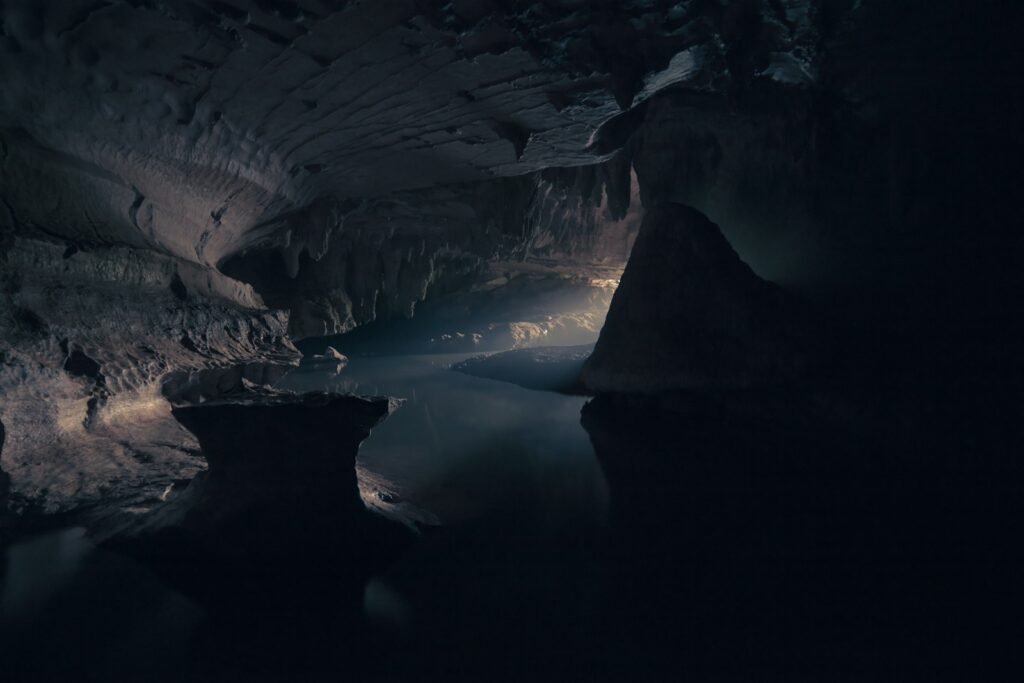

Imagine standing at the edge of a silent cliff, gazing down at a labyrinth of chambers carved deep into the living rock. The air is cool, the stone walls etched with ancient stories, and every shadow seems to whisper secrets from centuries past. Welcome to Luoyang’s subterranean cave temples—a breathtaking testament to human ingenuity and spiritual longing. These sanctuaries, hidden beneath the earth’s surface, are more than just relics; they are living witnesses to a civilization’s quest for meaning, artistry, and survival. Their existence challenges us to rethink what a city can be, and how humans have always found ways to connect with the sacred—sometimes by reaching for the sky, and sometimes by burrowing into the world below.
The Geological Canvas: Carving Temples from Stone

Luoyang’s unique geography is the first chapter in its underground story. The city sits atop layers of limestone and sandstone, rocks soft enough to carve yet durable enough to withstand centuries of weathering. This combination made the cliffs along the Yi River an irresistible choice for ancient builders. They saw not just a landscape, but a blank canvas waiting for transformation. Over generations, artisans and monks meticulously chiseled away at the stone, creating vast networks of chambers, corridors, and shrines. The sheer size and precision of these constructions still boggle the mind. Imagine sculpting a cathedral—not upwards, but inwards, into the heart of the earth.
Buddhism’s Journey to the Heart of China
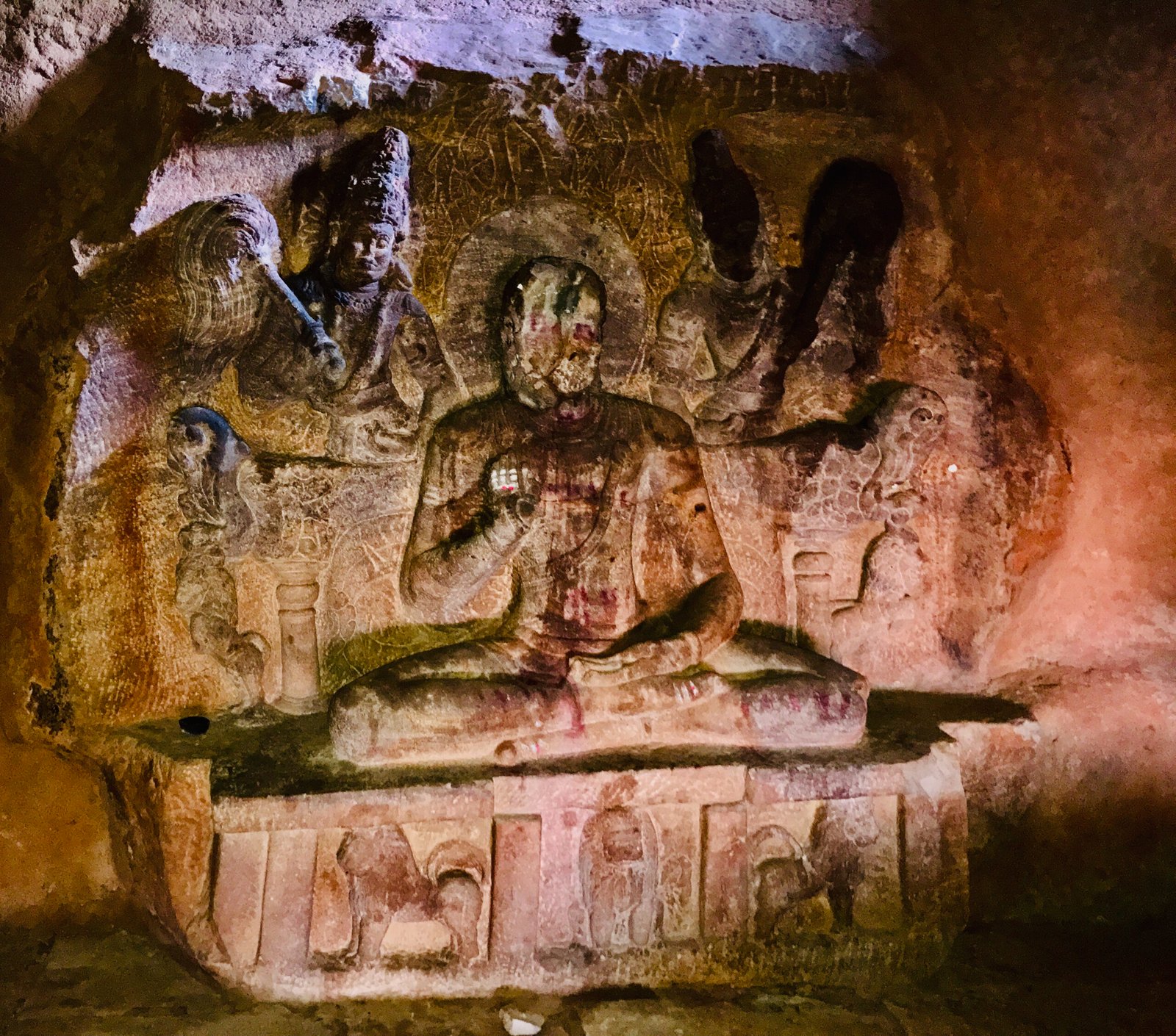
Luoyang’s cave temples are rooted in the spread of Buddhism across Asia. As Buddhist monks traveled the Silk Road, they brought not only scriptures but also a vision for sacred spaces. In Luoyang, these ideas took on a unique, subterranean form. The caves became safe havens for meditation and worship, away from the distractions of city life. Their isolation fostered a sense of peace and contemplation. Over time, the cave temples became pilgrimage sites, drawing seekers from every corner of China. Each visitor left their mark—an offering, a prayer, sometimes even a new chamber hollowed out in devotion.
The Longmen Grottoes: Luoyang’s Crown Jewel
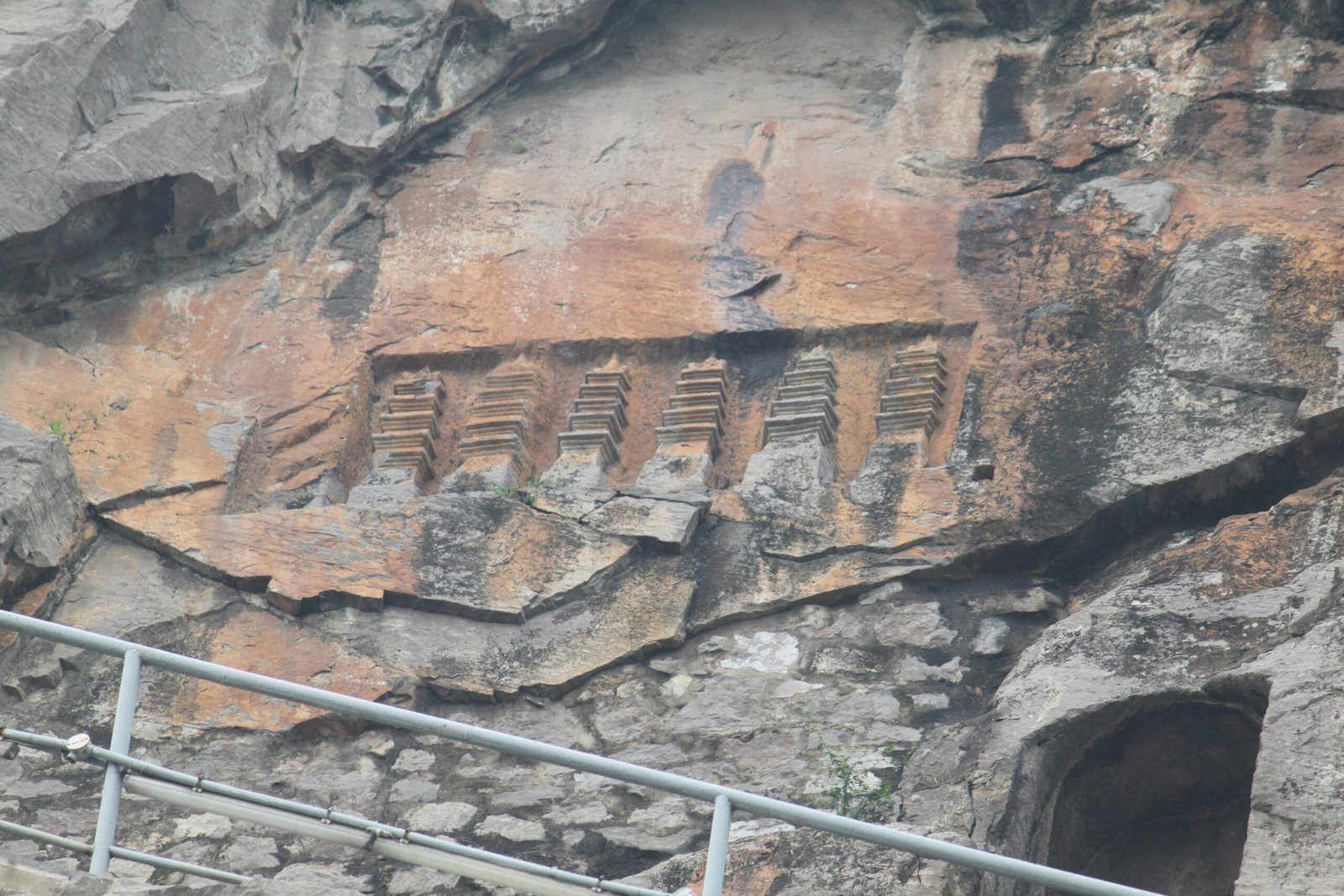
Perhaps the most famous of Luoyang’s underground marvels are the Longmen Grottoes. Stretching over a kilometer along the banks of the Yi River, these caves house more than 100,000 Buddhist statues and reliefs. Some are smaller than a fingertip, while others tower over visitors, their serene faces gazing out from the shadows. The artistry on display here is staggering. Every statue was painstakingly carved by hand, often under the patronage of emperors and wealthy families. The Longmen Grottoes aren’t just a cultural treasure—they’re a snapshot of an entire era’s artistic and religious fervor.
Engineering Wonders: The Science of Ancient Excavation
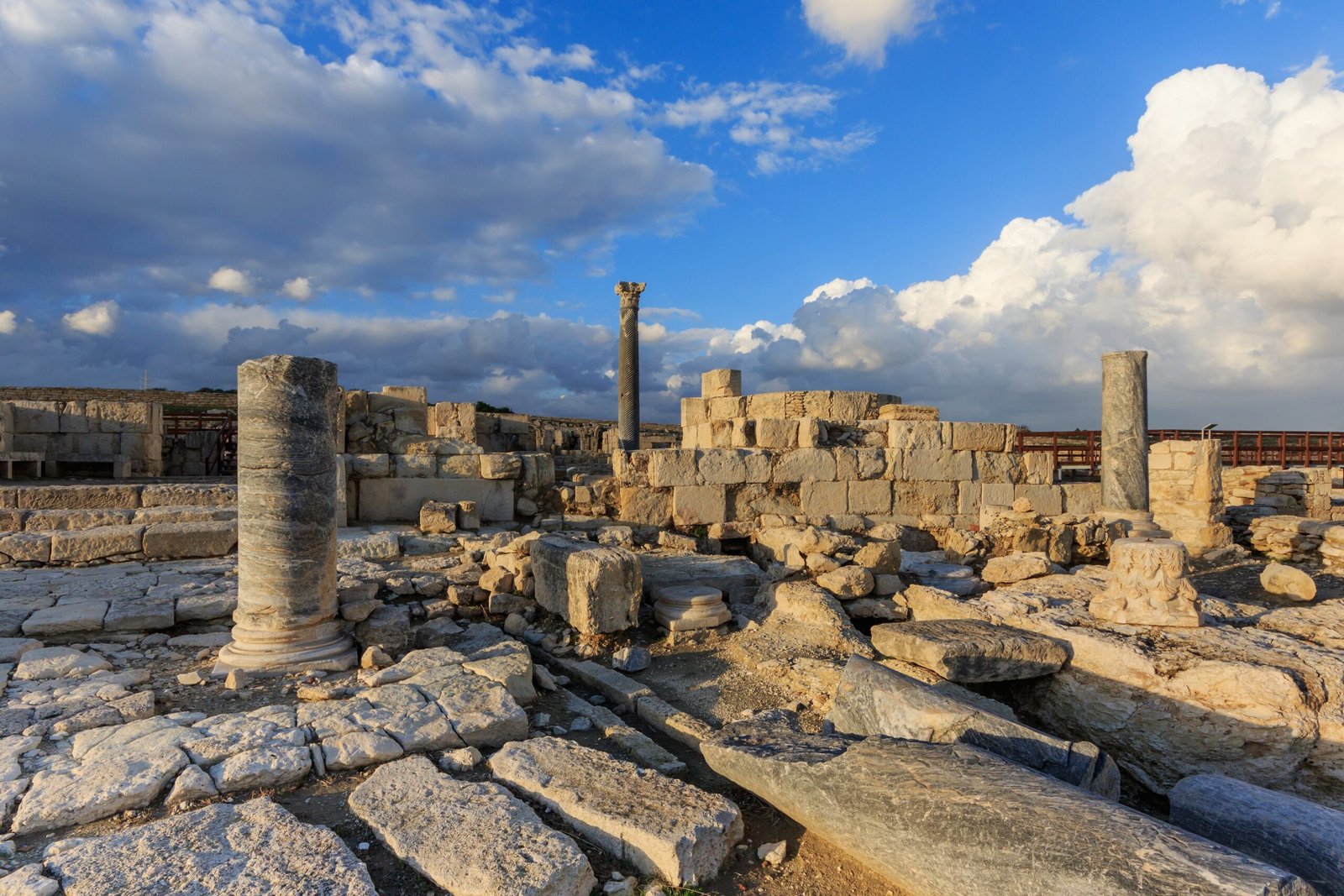
How did ancient builders carve such elaborate temples beneath the earth? It was a feat of both science and creativity. Builders relied on simple tools—chisels, hammers, and wooden scaffolds—but their understanding of geology was surprisingly sophisticated. They had to read the rock, identifying weak spots and natural fractures, working with the grain to prevent collapses. Ventilation shafts and cleverly angled doorways kept air circulating, making even the deepest chambers habitable. Modern engineers still marvel at the precision and foresight that went into each temple’s design.
The Role of Water: Life and Art Underground
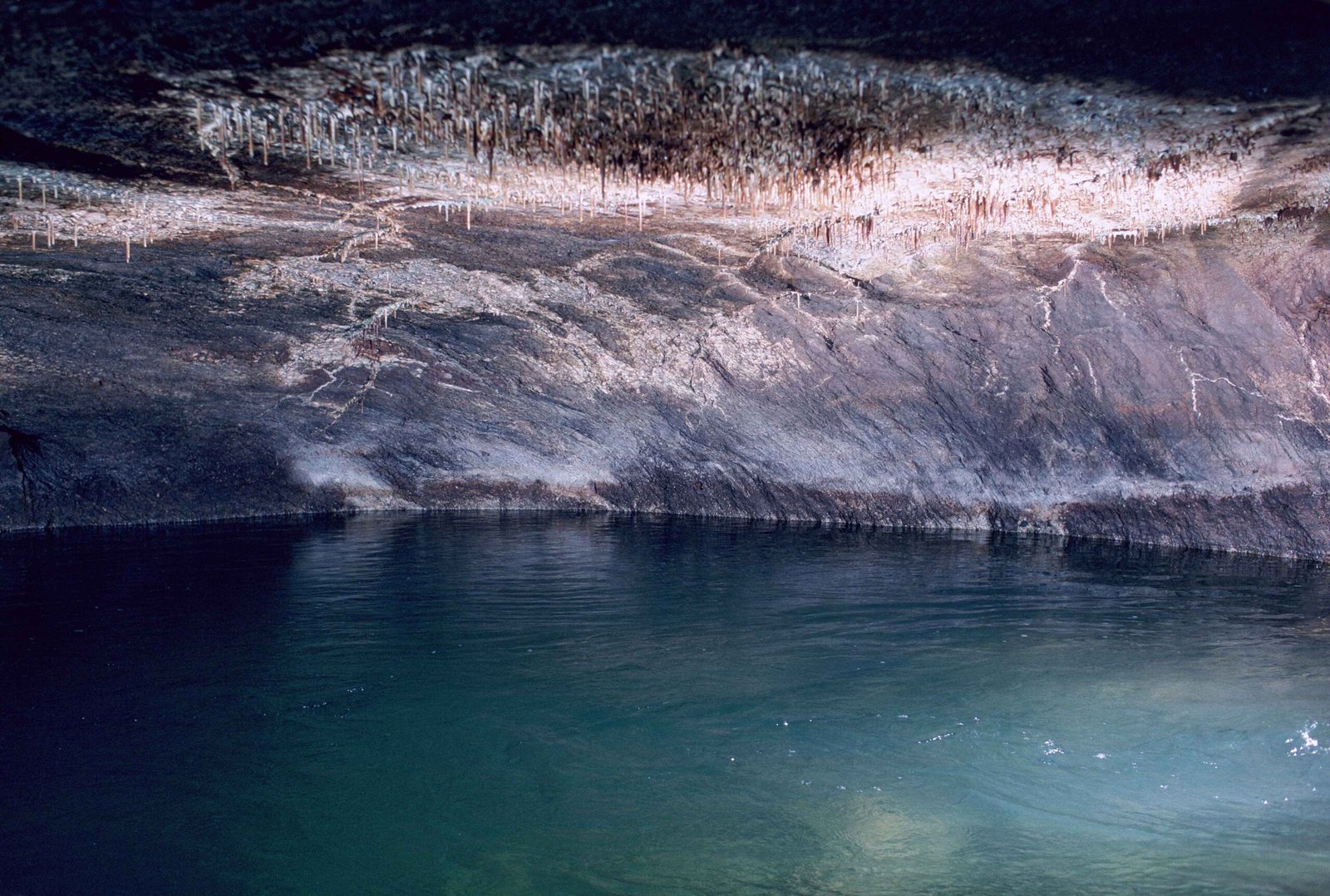
Water played a crucial, if often overlooked, role in Luoyang’s cave temples. The proximity to the Yi River wasn’t just scenic—it was practical. Builders needed a steady water supply for mixing mortar, carving stone, and sustaining the monks who lived and worshipped inside. Over time, water seeped through the rock, leaving behind mineral deposits that added to the caves’ beauty. Some chambers even feature intricate drainage systems, designed to channel rainwater safely away from sacred statues. The relationship between water and stone turned these caves into living, evolving works of art.
Iconography and Symbolism: Stories in Stone
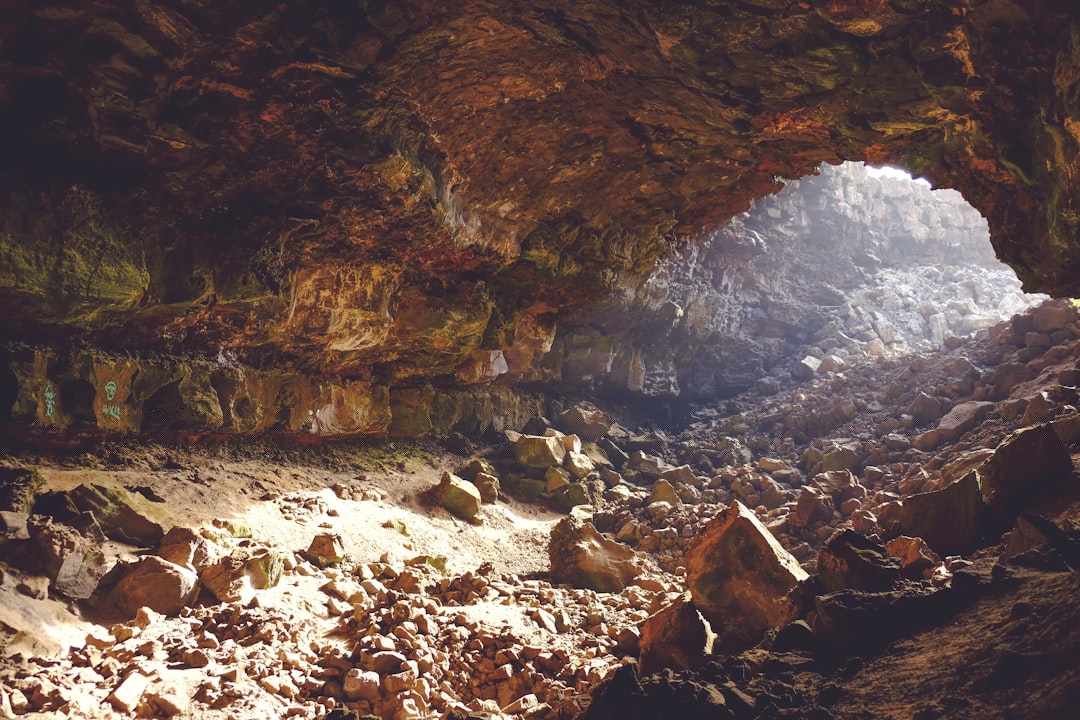
Every inch of Luoyang’s cave temples is alive with meaning. Carved onto the walls are stories from Buddhist scripture—tales of enlightenment, compassion, and cosmic struggle. Yet the symbolism goes deeper. The act of carving a temple into living rock was itself a metaphor for transformation—turning the mundane into the sacred. Lotus flowers, guardian lions, and bodhisattvas peer out from the shadows, each one inviting reflection and awe. Even the layout of the caves is symbolic, with central halls representing the spiritual heart and side chambers echoing the branches of enlightenment.
The Monastic Life: Living Below the Surface
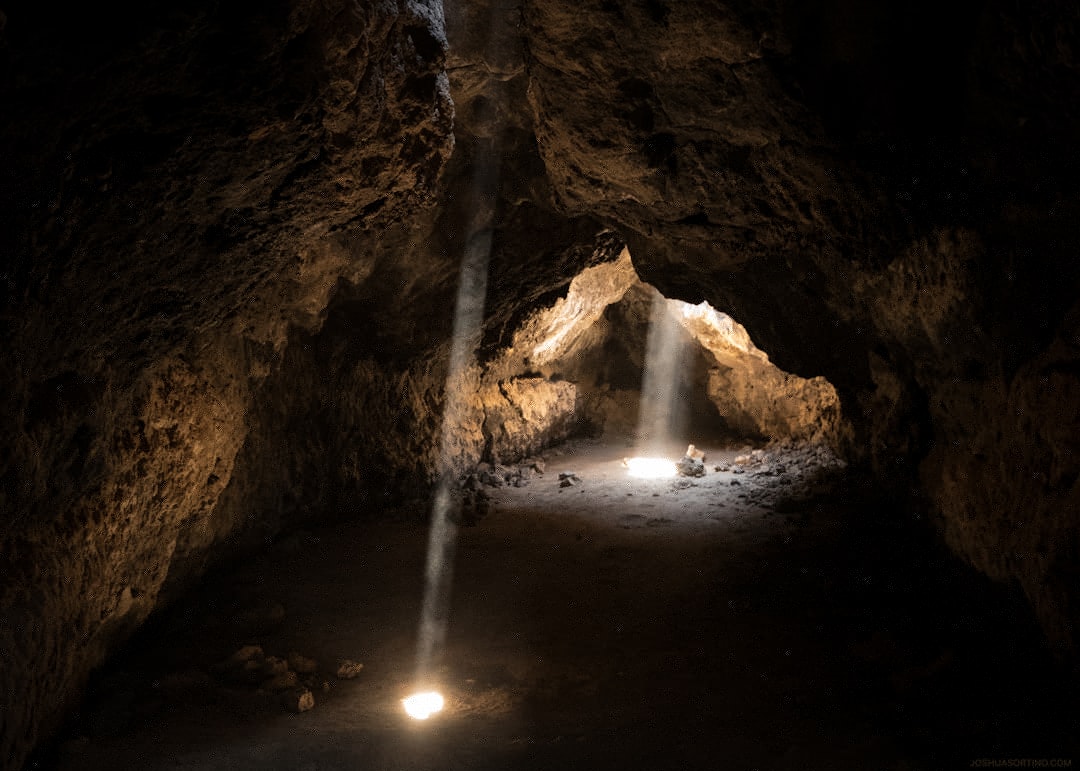
For the monks who called these caves home, life was simple but profound. They woke before dawn, meditating in candlelit chambers as the world above them slumbered. Meals were sparse, and conversation was rare, replaced by the soft hum of chanting. The caves offered both solitude and community—a delicate balance that fostered spiritual growth. Even today, traces of daily life linger: carved benches, faded murals, and the faint scent of incense that seems to cling to the stone itself. Living underground was more than a practical choice; it was a spiritual journey, one that shaped the very fabric of Luoyang’s history.
Artistry in Darkness: The Murals and Sculptures
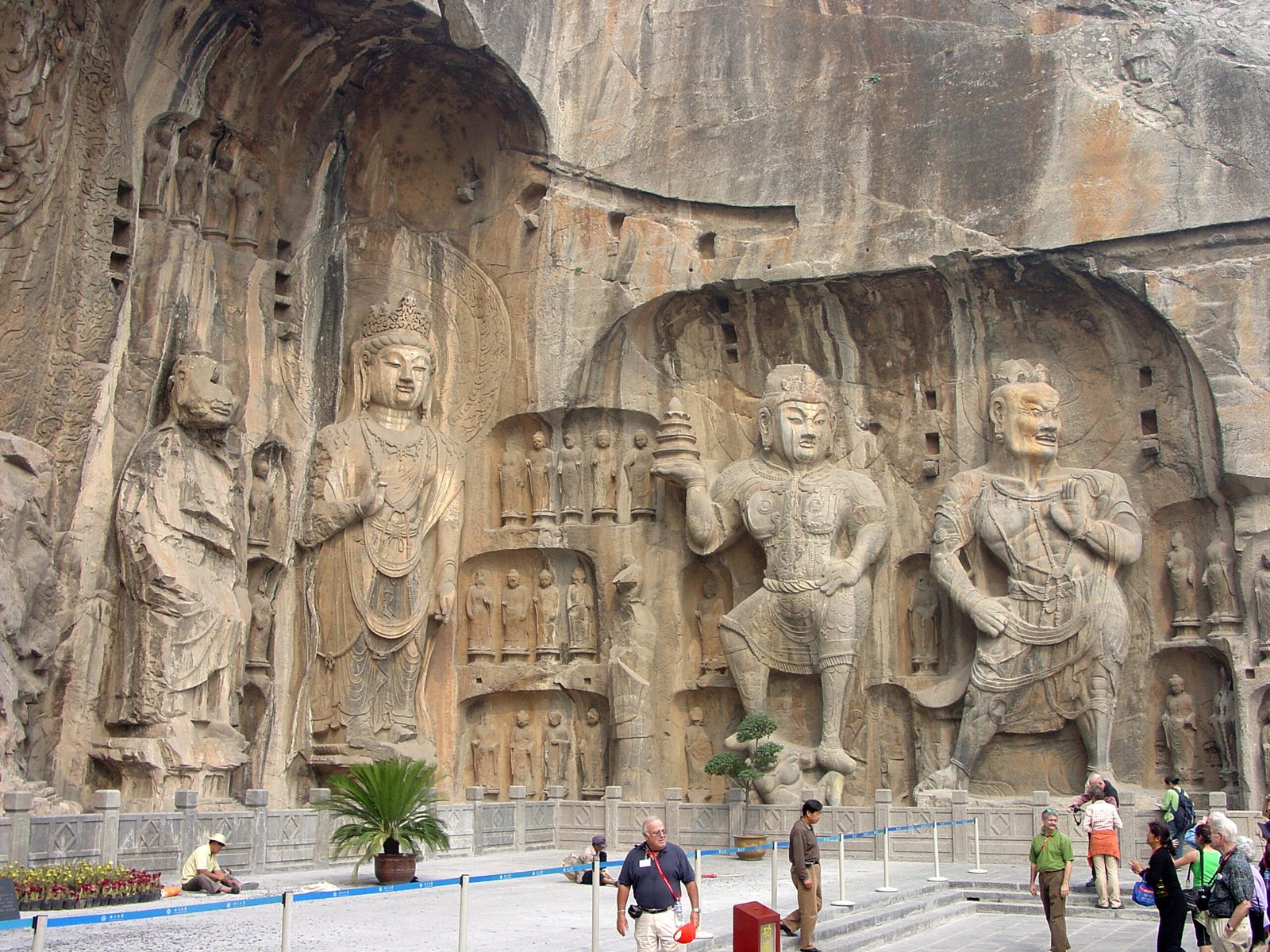
Step inside one of Luoyang’s cave temples, and you step into a world of color and light. Frescoes line the walls, their pigments still vivid after centuries underground. Scenes of paradise, celestial musicians, and dancing apsaras swirl in a riot of reds, blues, and golds. The play of torchlight brings these images to life, casting shadows that seem to move and breathe. Sculptors, too, left their mark—each statue imbued with a sense of gentle power. The caves became not just places of worship, but galleries where the highest ideals of beauty and devotion could be expressed in stone and pigment.
Echoes Through Time: Earthquakes, Erosion, and Survival
No underground city is immune to the passage of time. Earthquakes have rocked Luoyang, sending tremors through its foundations. Floods and erosion have worn away at the entrances, sometimes sealing caves off for centuries. Yet the temples endure. Their very construction—hidden from the elements and supported by solid rock—has helped them survive when many surface structures have vanished. Each crack and scar tells a story, a reminder of the resilience of both stone and spirit. Scientists and conservators now work tirelessly to protect these fragile treasures, using lasers and sensors to monitor every shift and tremble.
Ritual and Community: Festivals of the Underground

Even today, Luoyang’s subterranean temples are alive with ritual. During the annual Water and Lantern Festival, thousands of visitors descend into the caves, their lanterns flickering like fireflies in the darkness. Prayers echo through the chambers, mingling with the scent of incense and the soft rustle of robes. For many, these rituals are a way to connect with the city’s ancient heartbeat, to become part of a tradition that stretches back millennia. The caves are not relics—they are living spaces, where old and new ways of seeking meaning meet beneath the earth.
Archaeological Revelations: Modern Discoveries
Recent excavations in Luoyang have yielded astonishing finds. Archaeologists have uncovered new chambers, hidden statues, and even ancient scripts tucked into sealed alcoves. Each discovery adds another layer to the story. High-tech tools—ground-penetrating radar, 3D scanning, and chemical analysis—allow scientists to explore without damaging delicate surfaces. These advances are rewriting the history of Luoyang, revealing connections between the caves and trade routes, royal dynasties, and distant lands. The mysteries are far from solved, and every new find sparks fresh excitement.
Nature’s Embrace: Flora and Fauna Below
The caves of Luoyang are not just homes to monks and statues—they’re also habitats for a surprising array of life. Bats flutter through the darkness, their wings stirring the dust. Moss and lichen creep across damp stone, painting the walls with living green. In some chambers, rare cave insects thrive in the cool, humid air. Scientists study these micro-ecosystems, searching for clues to how life adapts to extreme environments. The caves remind us that even in the deepest darkness, nature finds a way to flourish.
Tourism and Preservation: Walking the Fine Line
With fame comes a new challenge—how to welcome visitors without endangering the caves. Luoyang’s subterranean temples attract millions each year, drawn by their mystery and majesty. But every footstep, every flash of a camera, takes a toll. Conservationists work tirelessly to balance access with protection. Some areas are closed to the public, while others are carefully monitored. Interactive exhibits and virtual reality tours offer alternatives, letting people explore without causing harm. The future of the caves depends on finding this delicate balance—honoring the past while safeguarding it for generations yet to come.
Scientific Mysteries: Unanswered Questions Underground
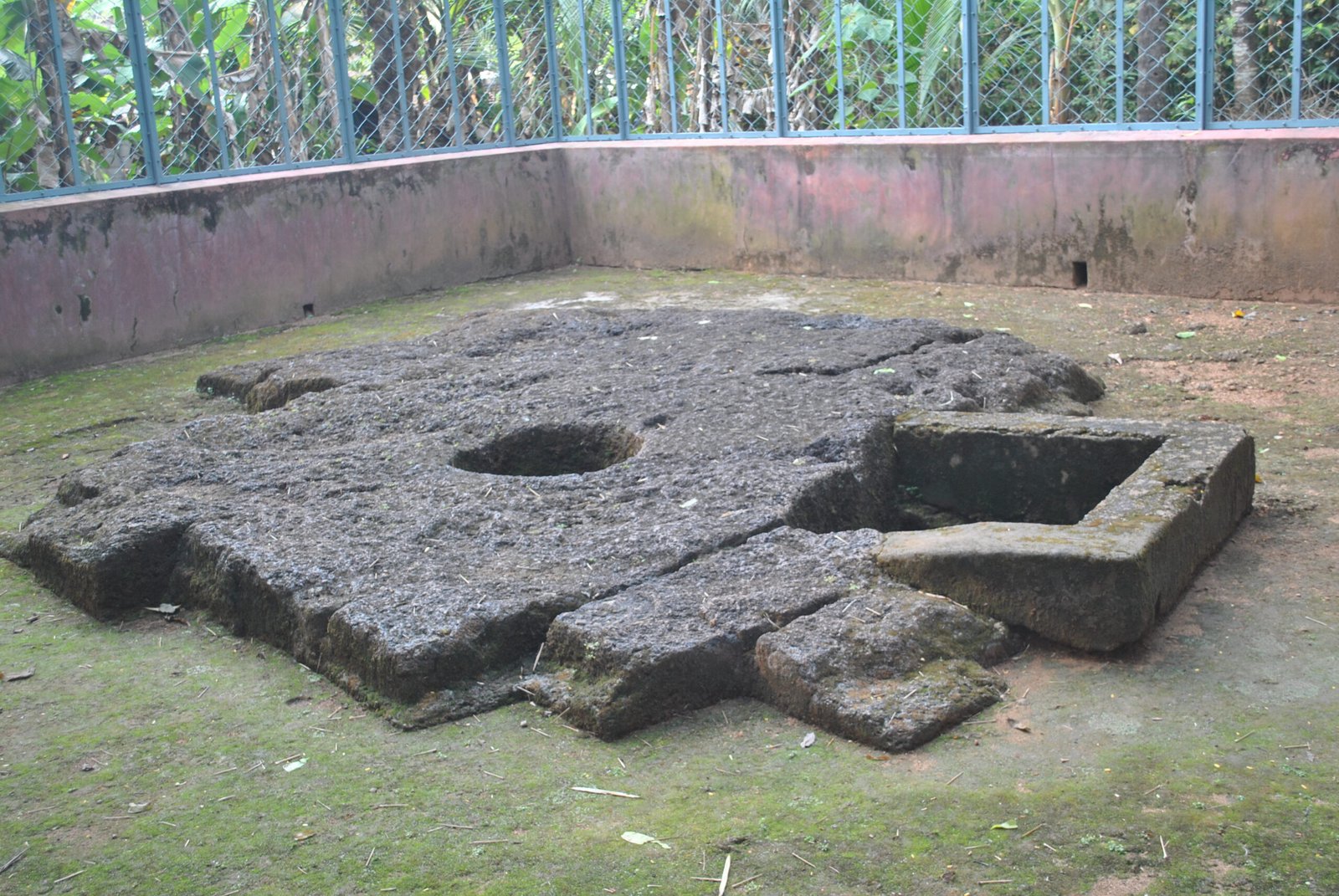
For all we know about Luoyang’s cave temples, many mysteries remain. How did ancient builders achieve such precision without modern tools? What secrets lie in the sealed chambers yet to be opened? Why were certain sites chosen over others? Scientists continue to probe these questions, piecing together clues from geology, art, and ancient texts. Each answer seems to lead to new puzzles, keeping the spirit of exploration alive. The caves are classrooms as much as sanctuaries, inviting curiosity at every turn.
Cultural Legacy: Inspiration Across Centuries
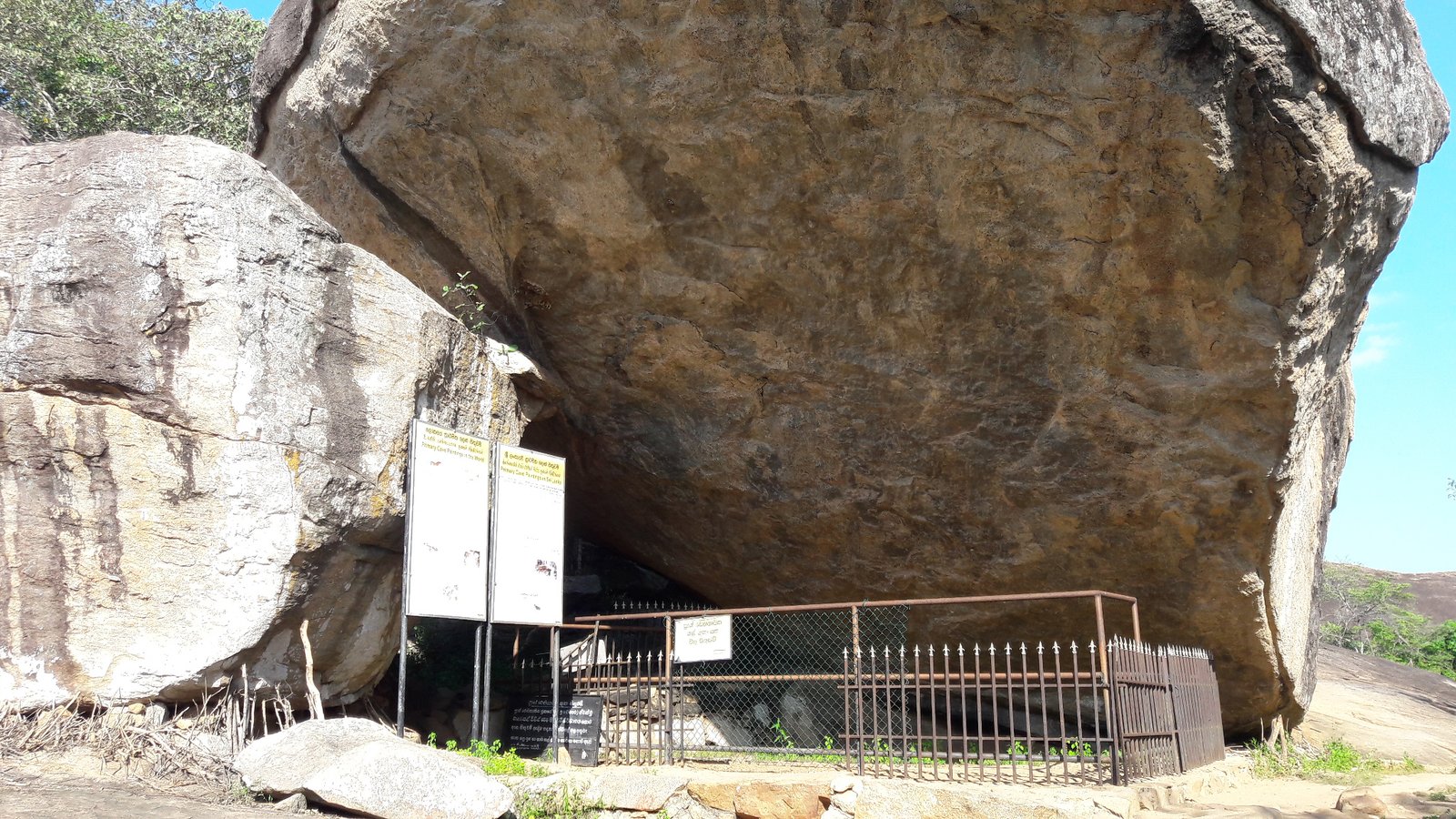
The influence of Luoyang’s cave temples ripples far beyond their stone walls. Artists, poets, and architects have drawn inspiration from their forms and stories. Modern buildings echo the curves and arches of the caves; contemporary artists borrow their motifs and colors. The idea of carving beauty from the earth resonates in unexpected places—from subway stations to concert halls. Luoyang’s legacy is a reminder that creativity knows no boundaries, and that even the darkest spaces can be filled with light.
Personal Reflections: A Journey Into the Depths
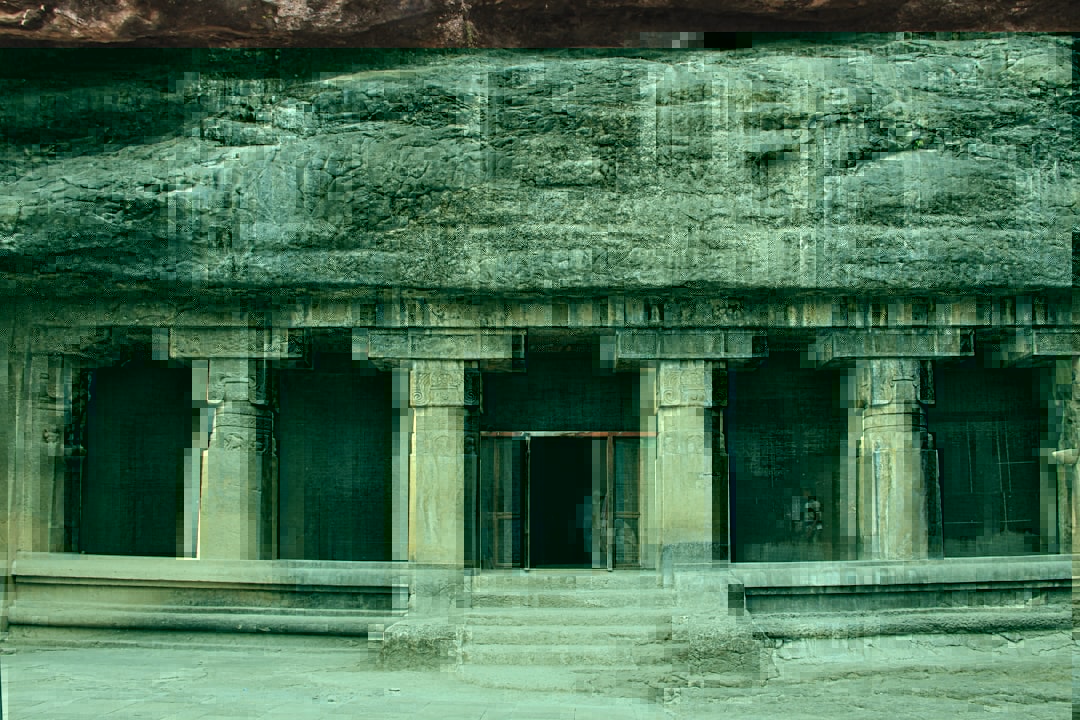
Visiting Luoyang’s subterranean temples is like stepping into another world. The silence is profound, broken only by the soft drip of water or the hush of footsteps. I remember tracing my fingers over the cool stone, feeling the grooves left by hands centuries before mine. There’s a sense of connection—to the past, to the earth, to something greater than myself. These caves are more than historical sites; they are places where time stands still, and every visitor becomes part of an unbroken chain stretching back through the ages.
The Enduring Allure of Luoyang’s Underground City
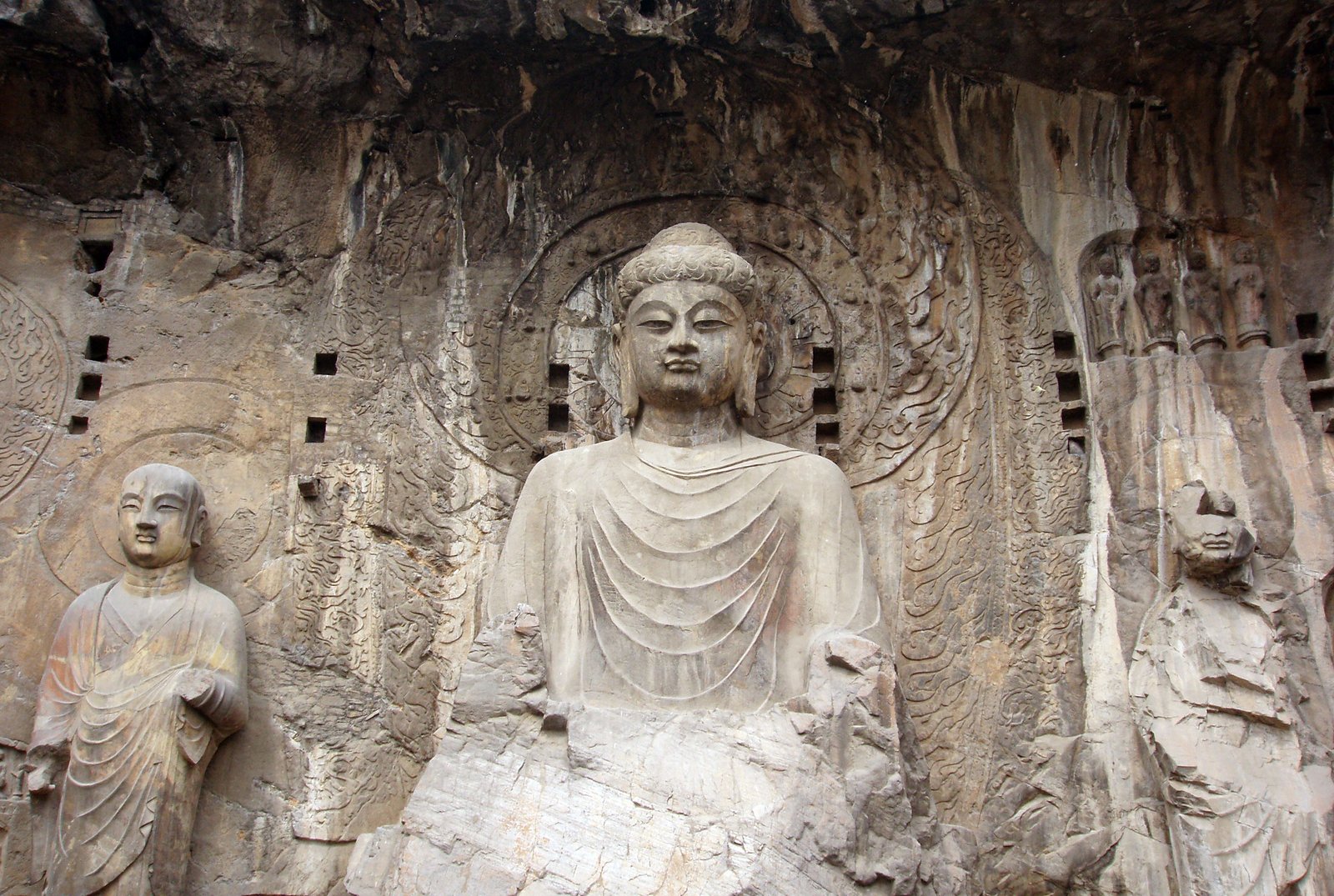
Luoyang’s cave temples continue to captivate all who encounter them. Their blend of natural wonder, human ingenuity, and spiritual depth creates a legacy that is as relevant today as it was a thousand years ago. These underground sanctuaries invite us to look beneath the surface—to seek wisdom in unexpected places, and to celebrate the beauty that can be carved from even the hardest stone. If you ever find yourself in Luoyang, pause at the edge of the earth and imagine the stories still waiting to be discovered below your feet. What hidden wonders might you find if you dared to dig a little deeper?