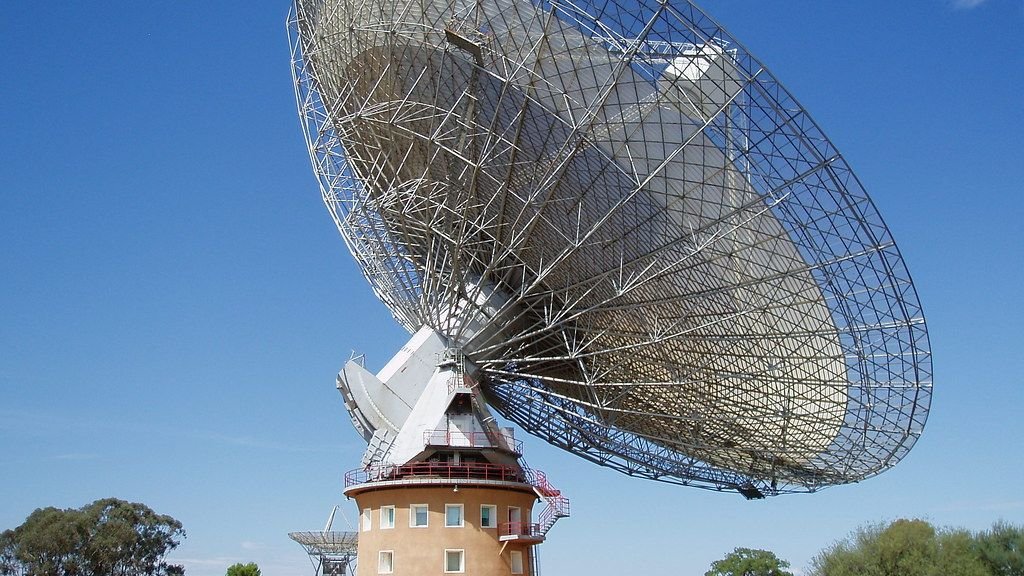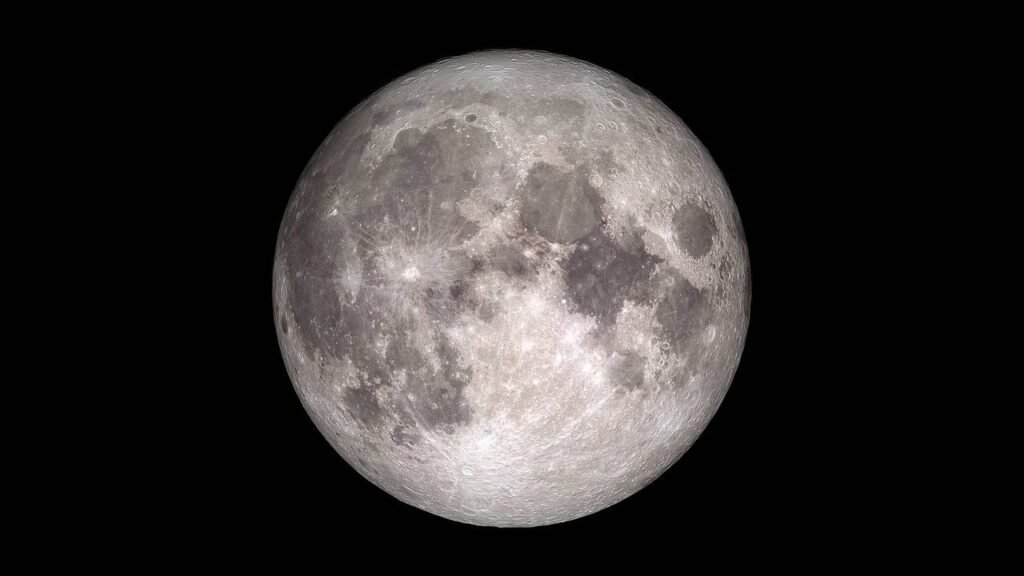

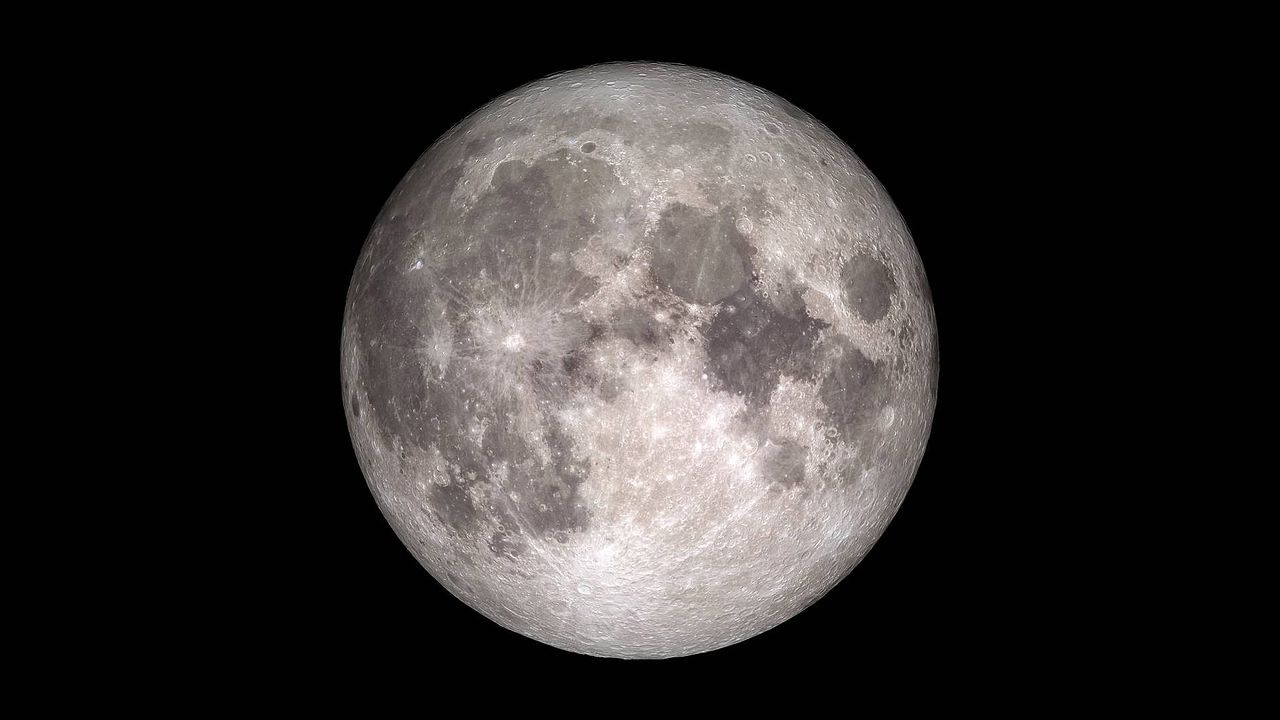
The Surge in Lunar Ambitions (Image Credits: Cdn.mos.cms.futurecdn.net)
As humanity’s gaze turns skyward, private enterprises and national agencies alike have accelerated efforts to harvest the Moon’s untapped resources, sparking debates over governance in this emerging frontier.
The Surge in Lunar Ambitions
Private companies worldwide signaled their intent to extract valuable materials from the lunar surface in 2025, marking a pivotal shift from exploration to exploitation. This momentum built on successful landings by commercial spacecraft earlier in the year, which demonstrated the feasibility of sustained operations beyond Earth’s orbit. Governments, too, ramped up involvement through programs like NASA’s Artemis initiative, which aimed to establish a permanent human presence near the Moon’s south pole.
These developments promised economic windfalls but also raised immediate concerns about coordination. Experts highlighted how uncoordinated activities could lead to conflicts over prime extraction sites, echoing historical resource scrambles on Earth. The push for lunar mining, therefore, evolved into a test of international cooperation amid growing technological capabilities.
Untapped Treasures Beneath the Lunar Dust
The Moon holds deposits of water ice, rare earth elements, and helium-3, materials that could fuel future space endeavors and terrestrial energy needs. Water ice, found in shadowed craters, offered potential for producing oxygen and hydrogen for rocket propellant, reducing the costs of deep-space missions. Meanwhile, helium-3 captured attention for its possible role in fusion energy, a clean power source that remains elusive on Earth.
Companies estimated billions in potential returns from these resources, though extraction posed immense challenges. Transporting heavy mining equipment to the surface required innovative landers and cost-effective launch systems, advancements seen in recent missions. Still, the sheer scale of investment underscored the high stakes, with projections indicating operational mines could emerge within the next decade if hurdles cleared.
Navigating the Existing Space Law Framework
The 1967 Outer Space Treaty forms the bedrock of current regulations, prohibiting national appropriation of celestial bodies while promoting peaceful use. This agreement, ratified by over 100 nations, emphasized that space resources benefit all humanity, yet it lacked specifics on private extraction. In response, the United States passed legislation in 2015 allowing citizens to own mined space materials, a move that influenced similar national laws elsewhere.
The Artemis Accords, signed by dozens of countries including recent additions like Sweden, built on this foundation by outlining principles for safe lunar operations. These non-binding guidelines addressed “safety zones” around activities to prevent interference, but critics argued they favored leading space powers. Without broader consensus, such frameworks risked fragmenting into competing standards, complicating multinational efforts.
Obstacles and the Path to Unified Rules
Key challenges included defining property rights for extracted resources and ensuring environmental stewardship on the Moon. Unregulated mining could disrupt scientific sites or generate debris, threatening future missions. International bodies like the United Nations called for binding agreements to clarify access and share benefits, drawing parallels to Antarctic protocols that balanced exploitation with preservation.
Discussions in 2025 intensified around creating a global regime, with proposals for stewardship principles that prioritize equitable development. Nations like Russia and China, often outside Western-led initiatives, advocated for inclusive talks to avoid a “space Wild West.” Progress hinged on bridging geopolitical divides, as experts warned that delayed action could escalate tensions in orbit and beyond.
In the end, the lunar mining race stands at a crossroads, where innovation meets the imperative for shared governance. Establishing clear international rules now could transform the Moon into a model for sustainable space progress, benefiting generations to come.
Key Takeaways
- The Outer Space Treaty bans territorial claims but needs updates for commercial mining.
- Water ice and helium-3 represent high-value targets driving private investment.
- Artemis Accords provide interim guidance, yet broader agreements are essential for equity.
What steps should nations take to regulate lunar resources? Share your thoughts in the comments.