
There’s something quietly unsettling about standing at the foot of a stone block that weighs more than a loaded passenger aircraft, knowing it was moved, lifted, and placed with millimeter precision thousands of years before the invention of the crane. Thousands of years before modern engineering, ancient builders raised structures so precise and so massive that we still can’t fully explain how they did it, and across every continent, unexplained ancient ruins stand as direct challenges to our assumptions about early human capability.
Ancient civilizations accomplished feats of engineering that continue to challenge modern understanding, and despite advances in archaeology, materials science, and experimental reconstruction, several monumental structures and the methods by which they were built remain a mystery. These mysteries persist not because the structures were poorly preserved, but because the technical knowledge behind them was never recorded. What you’re about to explore isn’t a collection of myths. These are real, standing monuments that have outlasted every empire that came after them.
The Great Pyramid of Giza: A Precision That Stops Engineers Cold

You can read every theory ever published about the Great Pyramid and still walk away with more questions than answers. Towering over the Egyptian desert, the Great Pyramid remains one of the most mind-boggling achievements in human history, built with millions of limestone blocks, some weighing as much as 80 tons, its alignment to true north eerily precise, and scholars still debate how such massive stones were quarried, transported, and stacked with a precision unmatched even by today’s standards.
At sites like the Great Pyramid of Giza, blocks are fitted with tolerances of less than 0.5 millimeters, a level of precision that would be impressive even by today’s standards. Think about what that actually means: not a fraction of a finger, not a sliver of daylight between stones that weigh tens of tons each. What makes these architectural achievements particularly mysterious is the absence of written records explaining the techniques used, and modern analysis reveals that many of these cuts would require advanced knowledge of geometry and mathematics, as well as sophisticated tools capable of working with extremely hard stone materials like granite and diorite.
Göbekli Tepe: The Monument That Rewrote Human History
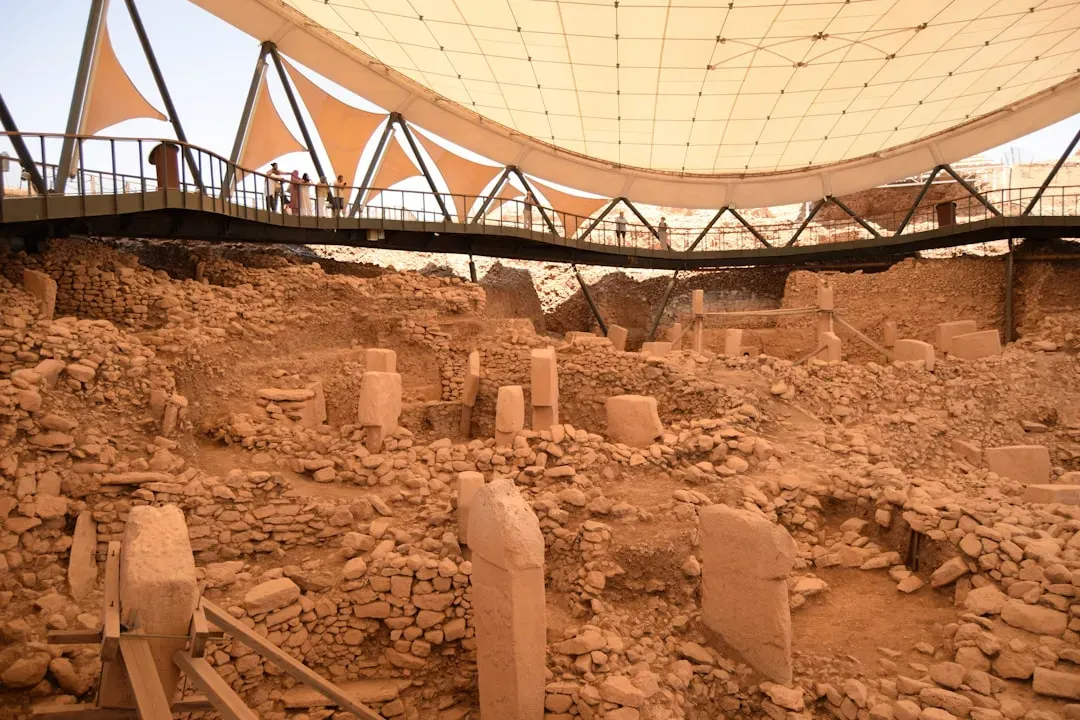
Discovered by German archaeologist Klaus Schmidt, Göbekli Tepe completely rewrote the history of human civilization, dating back to approximately 9500 BC, predating Stonehenge by over 6,000 years and the invention of agriculture itself, with the site consisting of massive T-shaped stone pillars arranged in circles, intricately carved with reliefs of foxes, lions, scorpions, and vultures. That’s not a minor revision to the timeline. That’s a complete demolition of it.
Before this discovery, historians believed that complex religion and monumental architecture could only develop after humans settled into farming communities, but Göbekli Tepe suggests the opposite: that the urge to worship brought people together, which then necessitated the invention of farming to feed the workforce, and the site was intentionally buried by its builders around 8000 BC, preserving it perfectly in the dry soil. The site’s construction required coordinated effort from hundreds of workers, implying a level of social organization previously unexpected in pre-agricultural societies, and recent excavations continue to uncover new circles and structures, suggesting that only a fraction of this ancient complex has been revealed.
Baalbek, Lebanon: Stones So Heavy Modern Cranes Would Struggle
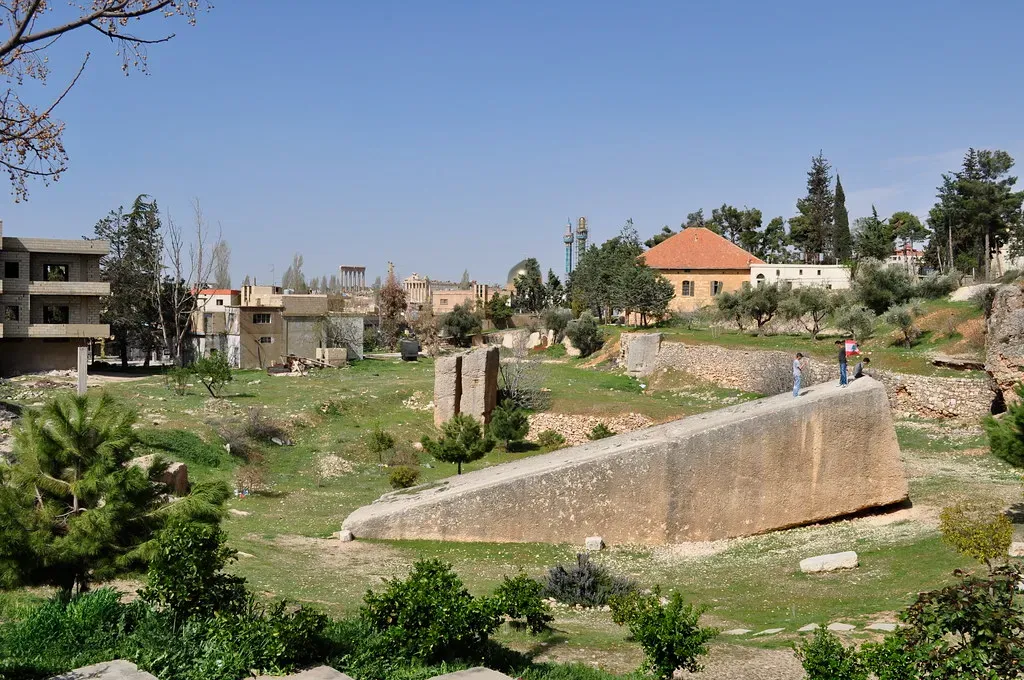
The Baalbek Stones, located in the ancient city of Baalbek in Lebanon, are some of the most awe-inspiring and mysterious megaliths in the world, with some weighing over 1,500 tonnes, defying our understanding of ancient engineering and construction techniques, and from the massive Trilithon stones that form the base of the Temple of Jupiter to the massive “Forgotten Stone” buried in a nearby quarry, Baalbek’s stones raise fascinating questions about how ancient builders could have moved and precisely placed such enormous blocks.
The Trilithon within the Temple of Jupiter comprises three colossal stones, each measuring about 19 meters long and weighing an estimated 750 to 800 tonnes, forming part of the temple complex’s podium wall with a supporting layer beneath featuring stones around 350 tonnes, and the precise fit of these massive blocks demonstrates the advanced construction techniques of ancient engineering, while despite extensive archaeological exploration, the methods used to transport and position these stones remain mysterious, as no modern explanation fully accounts for them. You’re looking at construction the ancient world left behind with no manual.
Stonehenge: A 150-Mile Delivery No One Can Fully Explain
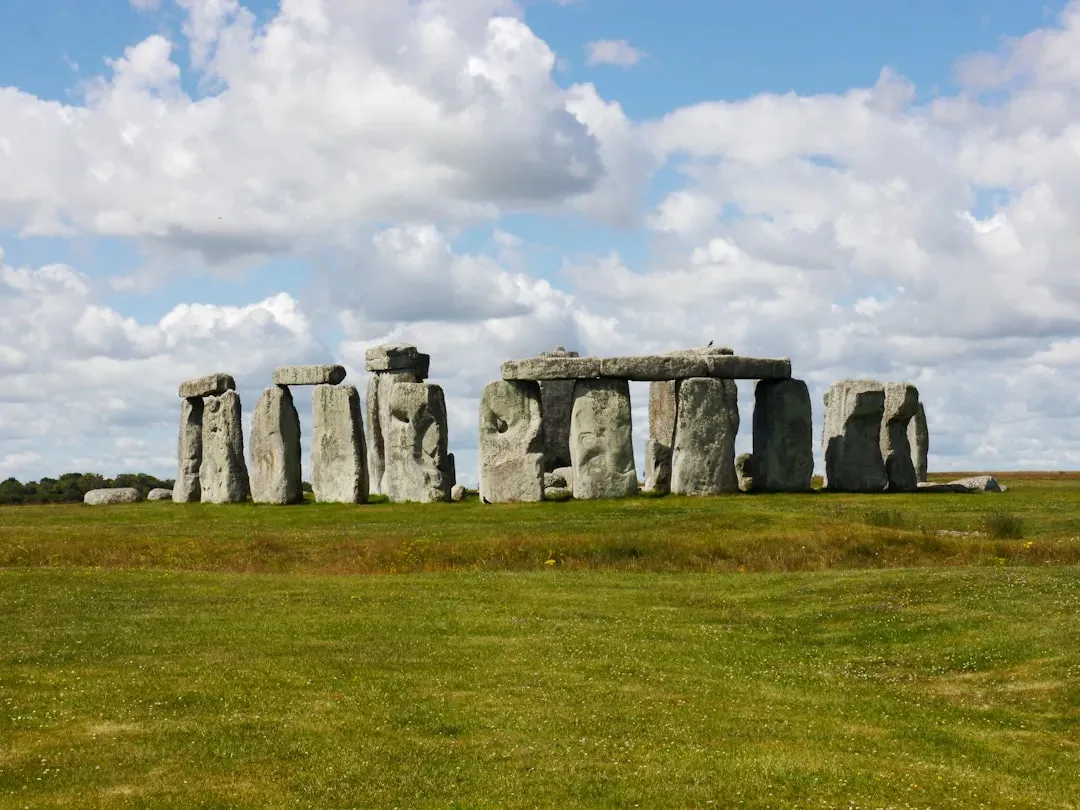
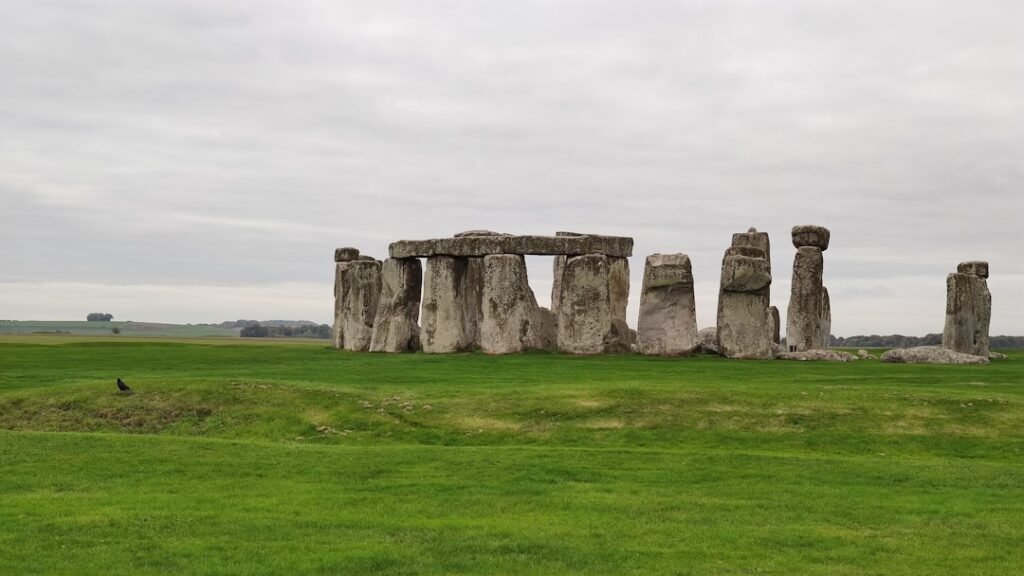
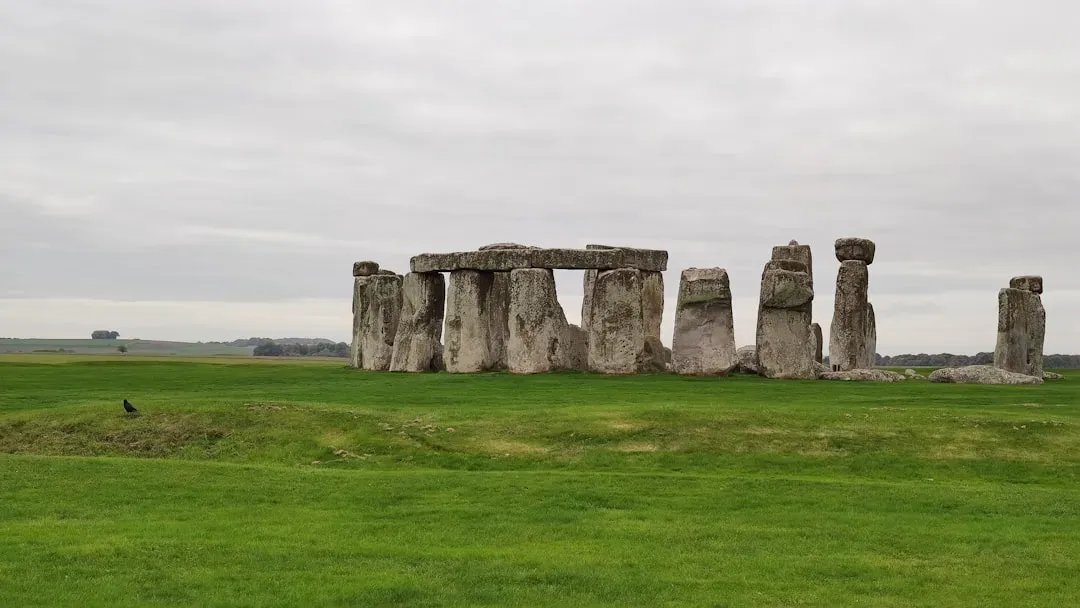
Built in multiple phases between roughly 3000 BCE and 1500 BCE, Stonehenge is a circular megalithic monument consisting of large upright stones capped with horizontal lintels, and the largest stones, called sarsens, were quarried from Marlborough Downs, about 25 miles north of the site, with some weighing up to 25 tons. That alone would be an impressive logistical challenge. The bluestones push the story even further.
The smaller “bluestones” in the inner ring were transported from the Preseli Hills in Wales, roughly 150 miles away, and researchers have confirmed that the site has a precise astronomical alignment, with its main axis pointing directly at the midsummer sunrise and the midwinter sunset, while the confirmed transport of multi-ton stones over 150 miles, without wheels or modern machinery, is a feat that modern engineers still struggle to replicate experimentally. A 2024 chemical analysis added one more layer to the mystery, revealing that the central Altar Stone was always a mystery, and chemical analysis delivered the answer: it came from Scotland, with a minimum transport distance of 750 kilometers.
Puma Punku, Bolivia: Geometry That Shouldn’t Exist in Stone
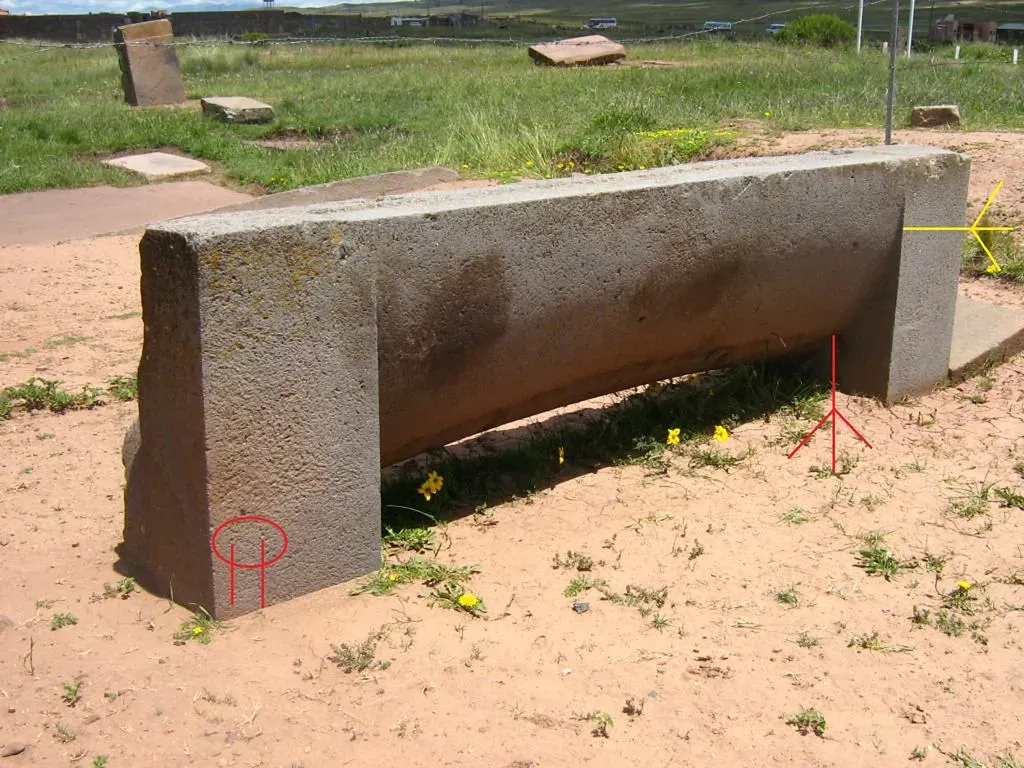
Puma Punku, located near Lake Titicaca, has a strong reputation as one of the most precisely carved stone structures in the ancient Americas, with some stones weighing over 131 metric tons and displaying complex shapes, including interlocking H-shaped blocks with drilled holes of remarkable uniformity. The shapes aren’t just unusual. They’re eerily consistent, as if cut from a template that no one has ever found.
High in the Bolivian Andes, the stone ruins of Puma Punku display a level of precision that shouldn’t have been possible with ancient tools, with gigantic blocks of andesite, one of the hardest stones on Earth, cut with perfect right angles and interlocking designs, and while some believe advanced machinery must have been used, no records of such technology exist, leaving how an ancient civilization created these perfectly shaped stones as a baffling mystery. Archaeological evidence suggests stone hammers, grinding stones, and sand were used, but the consistency of the finished blocks has led researchers to question whether standardized or prefabricated methods were employed.
Sacsayhuaman, Peru: A Jigsaw Puzzle Carved from Mountains
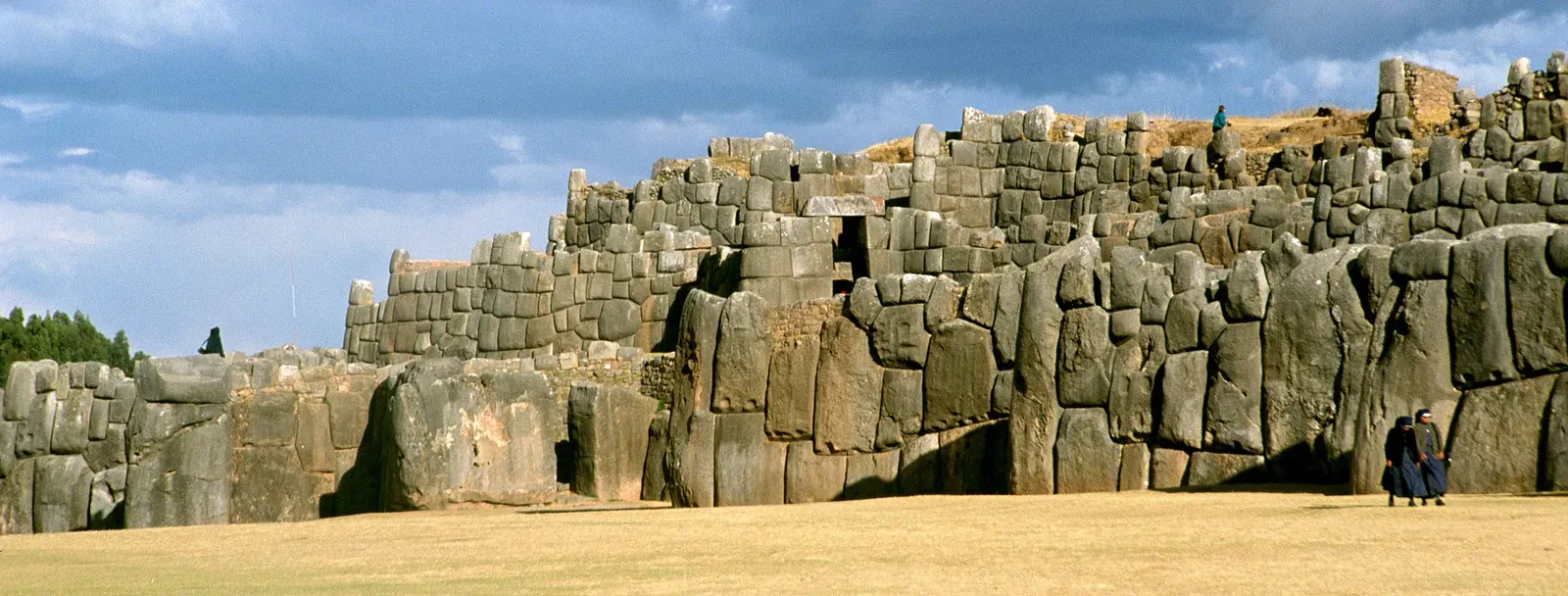
Located outside Cusco, Peru, the Saksaywaman stone structure consists of three stone boulder walls that interweave in a puzzle-like pattern, and the skill required to build this structure is impressive even by today’s standards because the stone boulders are so precisely interconnected that it is virtually impossible to push even something as thin as a piece of paper between them. When precision reaches that level, you start to question what tools could have produced it.
The stone boulders were excavated from a quarry located three kilometers away and moved to their current location using an unknown transportation system, and while this is not impressive in itself, the boulders are huge and heavy, with the largest tipping the scales at about 120 tons, while the ancient civilization responsible also built an aqueduct and road system linking Saksaywaman and Lake Cochapata. In Peru and Bolivia, sites like Sacsayhuaman, Ollantaytambo, and Tiahuanaco display masonry so precise that some researchers argue it exceeds what modern construction tools can achieve on-site.
Nan Madol, Micronesia: A City Built on the Open Ocean
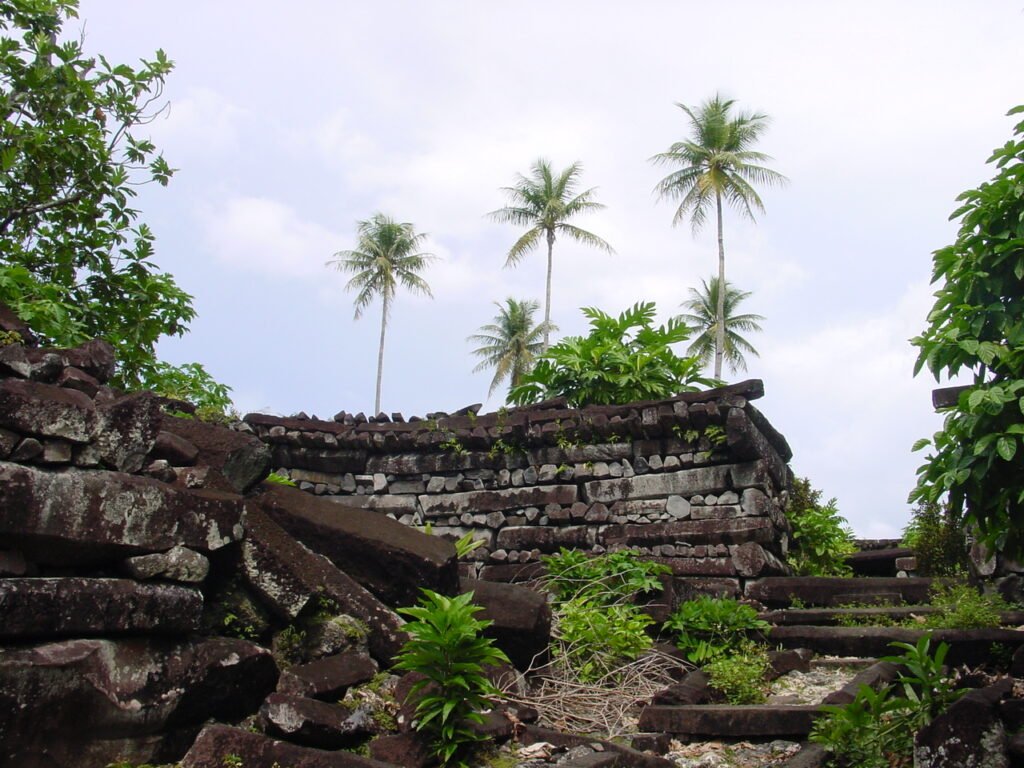
Nan Madol is an ancient ceremonial city built atop a coral reef off the island of Pohnpei, consisting of nearly 100 artificial islands separated by tidal canals, constructed primarily between the 12th and 13th centuries, and the site required millions of tons of basalt, with individual stones weighing up to 50 tons, while no definitive explanation exists for how the basalt was quarried, transported, or lifted into place.
You can imagine the logistical nightmare of building a city on dry land. Now imagine doing it on a reef surrounded by tidal water, using stones the size of small trucks. This lost city built atop a coral reef features giant basalt columns stacked like logs into mysterious ocean structures, and with no known way to transport the stone across open water, let alone lift it into place, Nan Madol challenges everything we understand about early engineering. It remains one of the most isolated and underexplored archaeological mysteries on the planet.
Newgrange, Ireland: A Solar Calendar Built 5,000 Years Ago
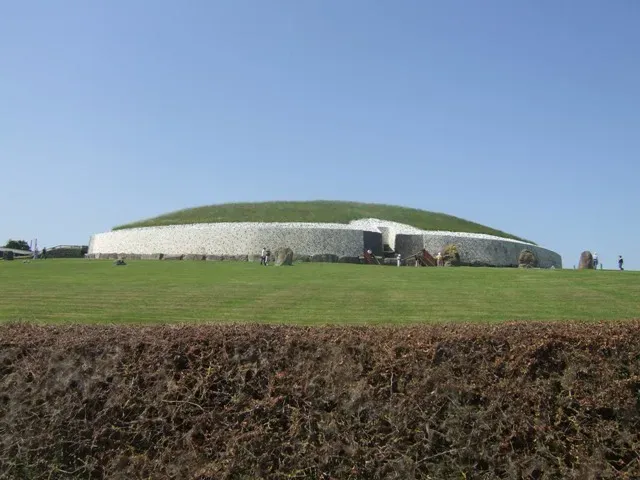
Newgrange is a prehistoric monument in County Meath, Ireland, built around 3200 BC, making it older than both Stonehenge and the Egyptian pyramids, and it is a large circular mound with a stone passageway and inner chambers that for thousands of years was dismissed as a simple hill until excavation in the 1960s revealed its true purpose as a passage tomb. What lies inside is even more remarkable than the exterior suggests.
The engineering brilliance of Newgrange is revealed once a year, and above the entrance is a perfectly aligned roof box, where at dawn on the winter solstice, a beam of sunlight penetrates the roof box and travels up the 19-meter passage, illuminating the central chamber for about 17 minutes, with this precise astronomical alignment indicating a sophisticated understanding of time and the cosmos by the builders. For that alignment to work today exactly as it did at construction, the original builders had to calculate with astonishing accuracy. No trial and error could have produced it.
The Hypogeum of Hal Saflieni, Malta: Sound Engineering Underground
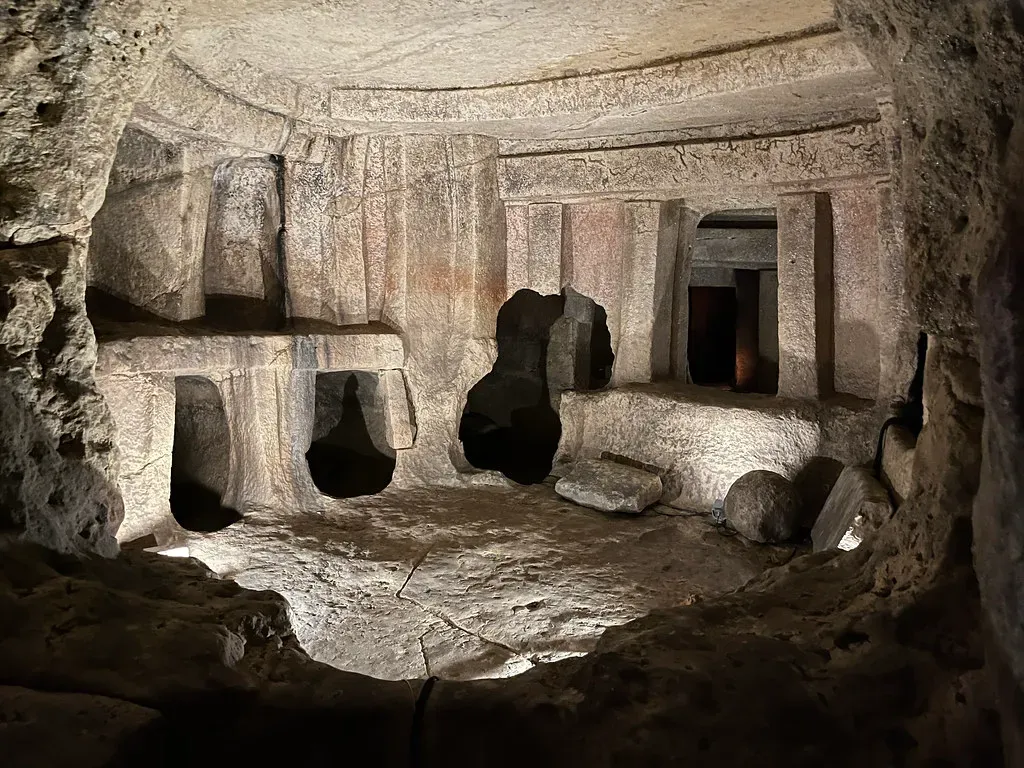
Beneath Malta lies the Hypogeum of Hal Saflieni, a vast underground necropolis featuring acoustically perfect chambers, and the design amplifies sound in ways modern engineers struggle to explain. You’d expect ancient builders to focus on physical structure. The fact that they engineered acoustics at this level, underground, suggests a sophistication that archaeology is still working to categorize.
Sound tests have shown the Oracle Room amplifies voices at around 110 Hz in ways that measurably affect brainwave activity, pointing to deliberate acoustic engineering, and researchers still cannot explain how builders achieved such acoustic precision using only basic stone tools, or why so many individuals were interred here over centuries without any written record clarifying the site’s original purpose, while the most credible interpretation is that the Hypogeum served as both a burial site and ceremonial space, with its acoustic properties used deliberately to enhance rituals intended to connect the living with ancestral dead. The precision isn’t accidental. That’s what makes it so difficult to dismiss.
What Modern Technology Is Finally Revealing
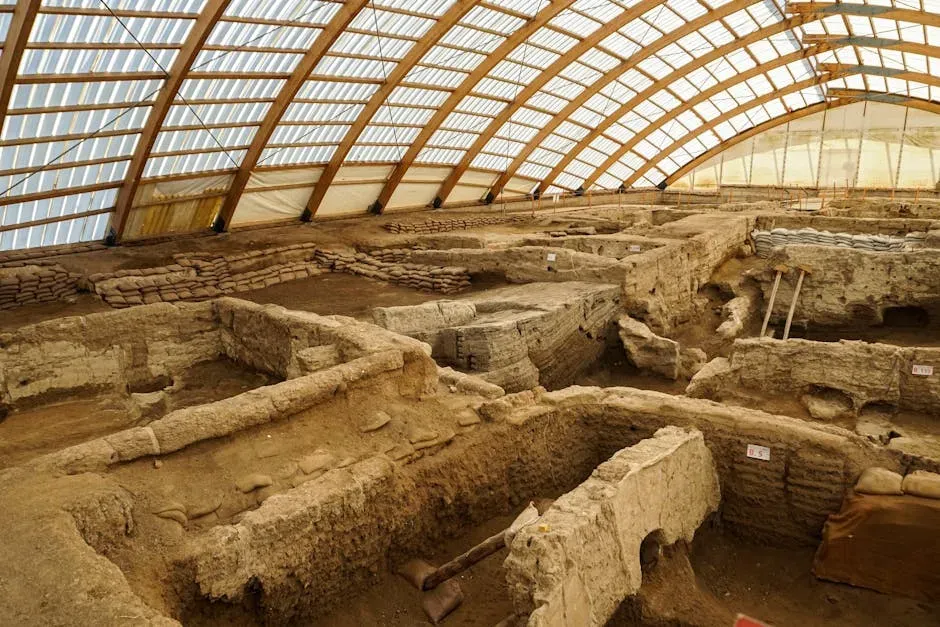
Modern technologies like 3D scanning, LiDAR mapping, and advanced materials analysis are finally giving us tools to study these structures with new precision, and researchers are beginning to reconstruct ancient techniques through experimental archaeology, attempting to replicate construction methods using period-appropriate tools and materials, with each discovery revealing that our ancestors were far more sophisticated than traditional narratives suggest.
Modern technological advances, including optically stimulated luminescence and advanced geological analysis, are helping archaeologists overcome some of the challenges of dating ancient stone monuments, though the mystery surrounding the precise age of many stone monuments continues to fuel scientific debate and research into more accurate dating methods. The knowledge encoded in these stones might hold lessons about sustainable construction, community organization, and engineering principles that remain relevant today. In that sense, these ruins aren’t just relics. They’re an open research project, still unfinished.
Conclusion
What you take away from these structures depends on what you’re willing to reconsider. Long before the invention of written language, ancient builders were creating structures that still puzzle archaeologists today, as these early civilizations carved, transported, and positioned blocks of stone weighing more than 100 tons using methods we still struggle to fully understand. That’s not a gap in the record. That’s a gap in our understanding of what human beings were capable of doing.
What makes these sites remarkable is not only their scale but also the precision, logistics, and coordination they entail, and in many cases, massive stones were quarried, transported, and assembled with accuracy that would strain even modern machinery. The honest position, for now, is that we don’t fully know how they did it. The structures stand as proof that they did. Perhaps the most accurate thing you can say about lost civilizations is this: they weren’t lost at all. They were simply ahead.