From a distance, they might seem like ordinary stones scattered across the ocean floor. Their rugged, unassuming appearance would deceive even the keenest eyes. Yet, beneath this deceptive exterior lies a world of wonder and complexity. Meet the tunicates, the remarkable marine creatures that challenge our perceptions and redefine what it means to be an animal. Often dubbed “living rocks,” these intriguing organisms inhabit the hidden corners of our oceans, quietly contributing to the delicate balance of marine ecosystems. As we embark on a journey to uncover the mysteries of tunicates, prepare to be astonished by their unique characteristics, biological significance, and the essential roles they play in the underwater world.
The Unassuming Appearance
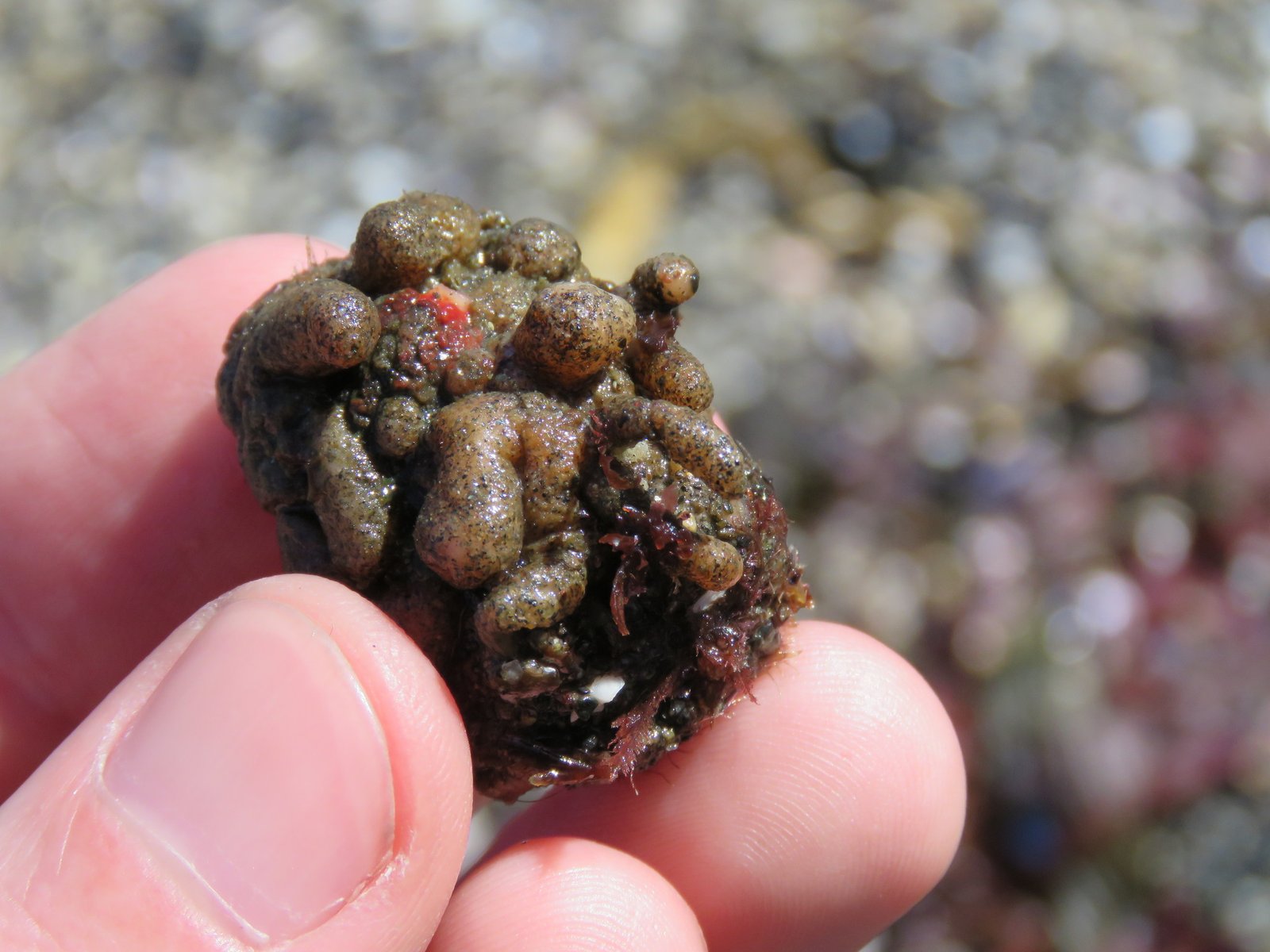
At first glance, tunicates appear to be nothing more than inert stones. Their exterior is often tough and leathery, resembling the rough texture of rocks found on the seafloor. This natural camouflage is not merely for aesthetic purposes; it serves as a vital defense mechanism. By blending in with their surroundings, tunicates deter predators and avoid unnecessary attention. However, beneath this stony facade lies a vibrant inner world. The tunicate’s body is encased in a protective covering known as a tunic, from which they derive their name. This tunic is composed of cellulose, a substance more commonly associated with plants, making tunicates unique among animals.
A Closer Look at Their Anatomy
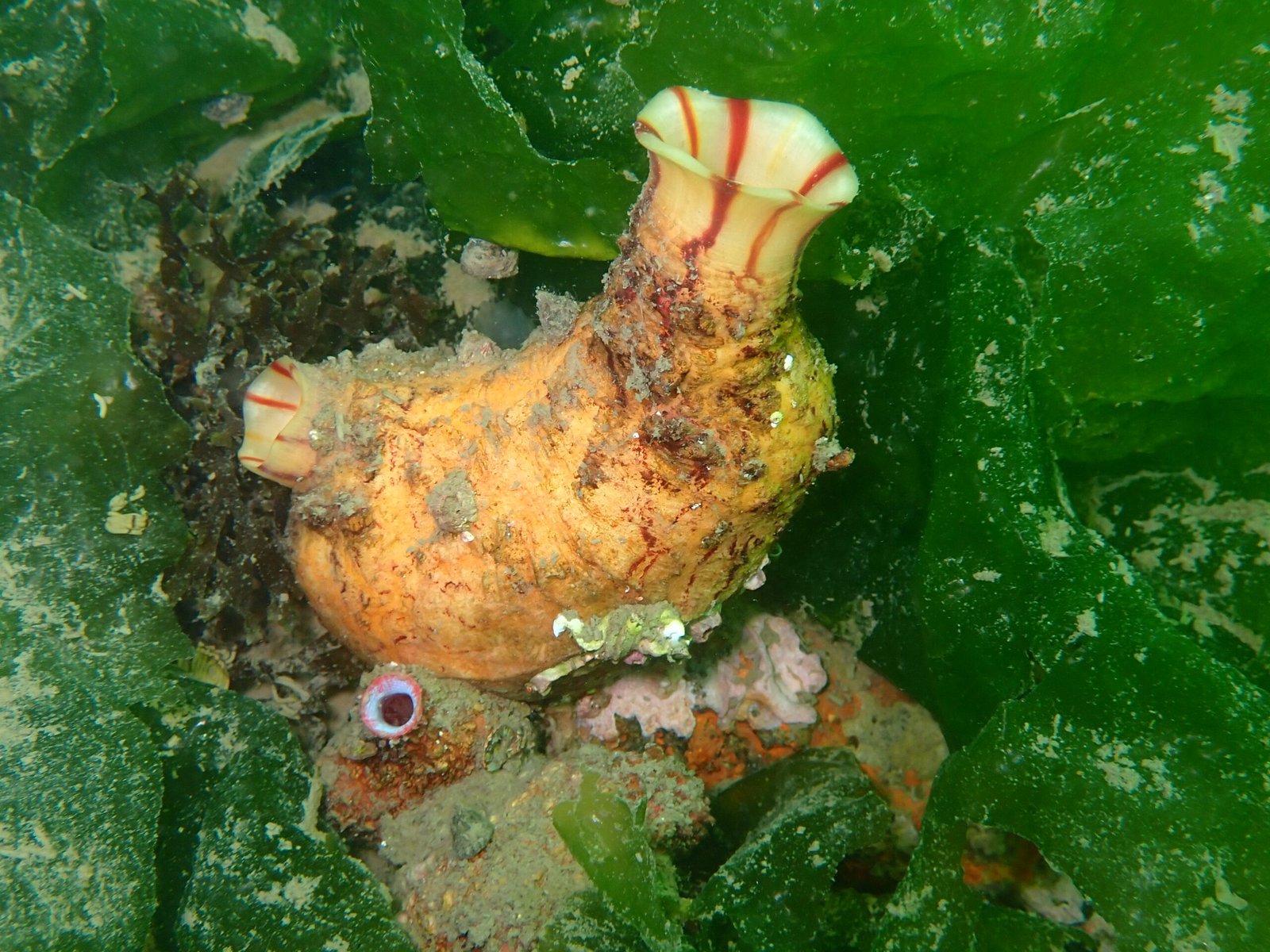
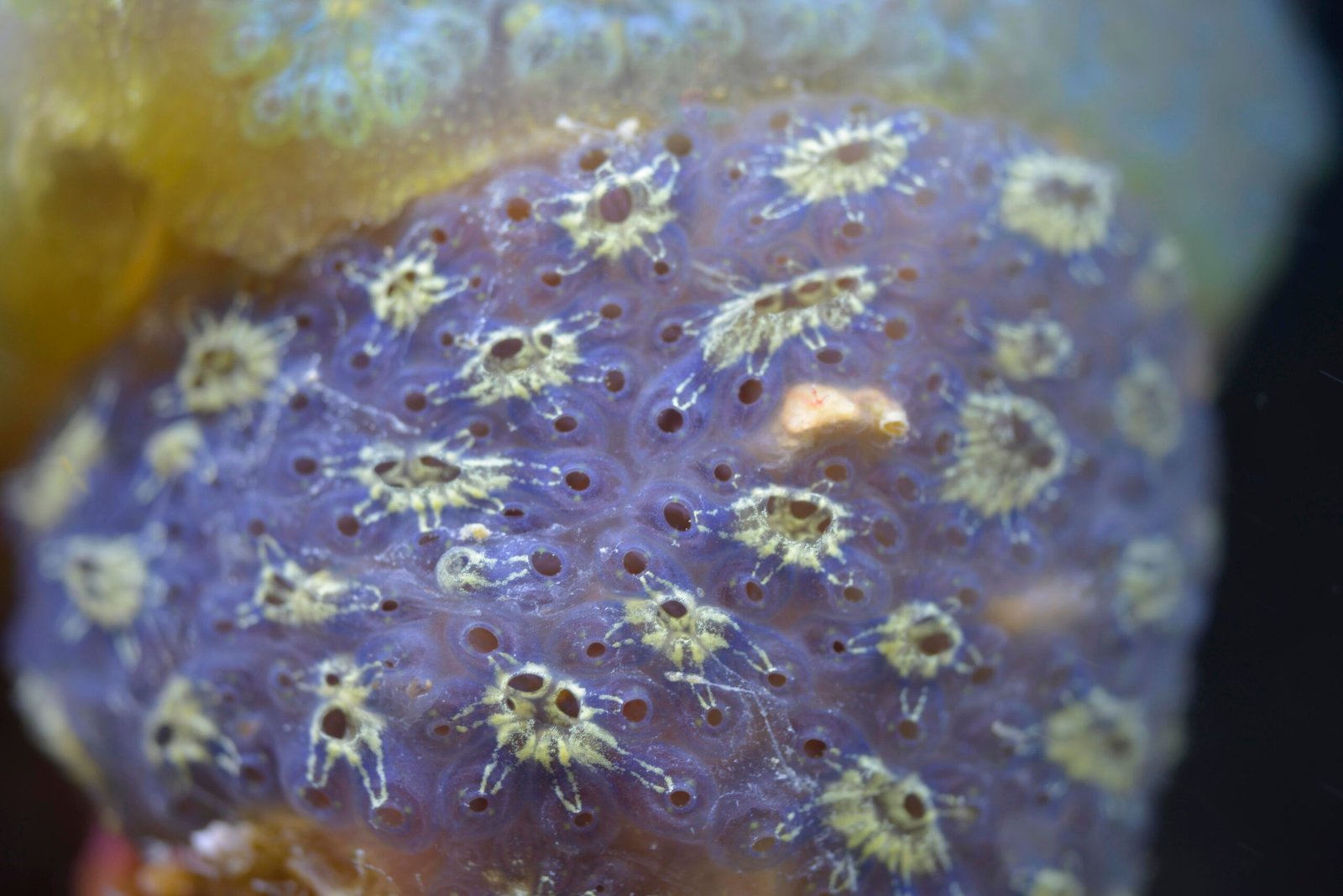
Delving deeper into their anatomy reveals an intricate structure that defies their simplistic appearance. Tunicates possess a sac-like body plan with two distinct openings: an incurrent siphon and an excurrent siphon. These openings facilitate the flow of water through their bodies, allowing them to filter-feed on plankton and other microscopic particles. Inside, a central pharynx lined with cilia aids in capturing food, while a simple digestive system processes nutrients. Despite their basic design, tunicates share a surprising evolutionary kinship with vertebrates, including humans. During their larval stage, they possess a notochord and a dorsal nerve cord, features that link them to the chordate lineage.
The Fascinating Life Cycle
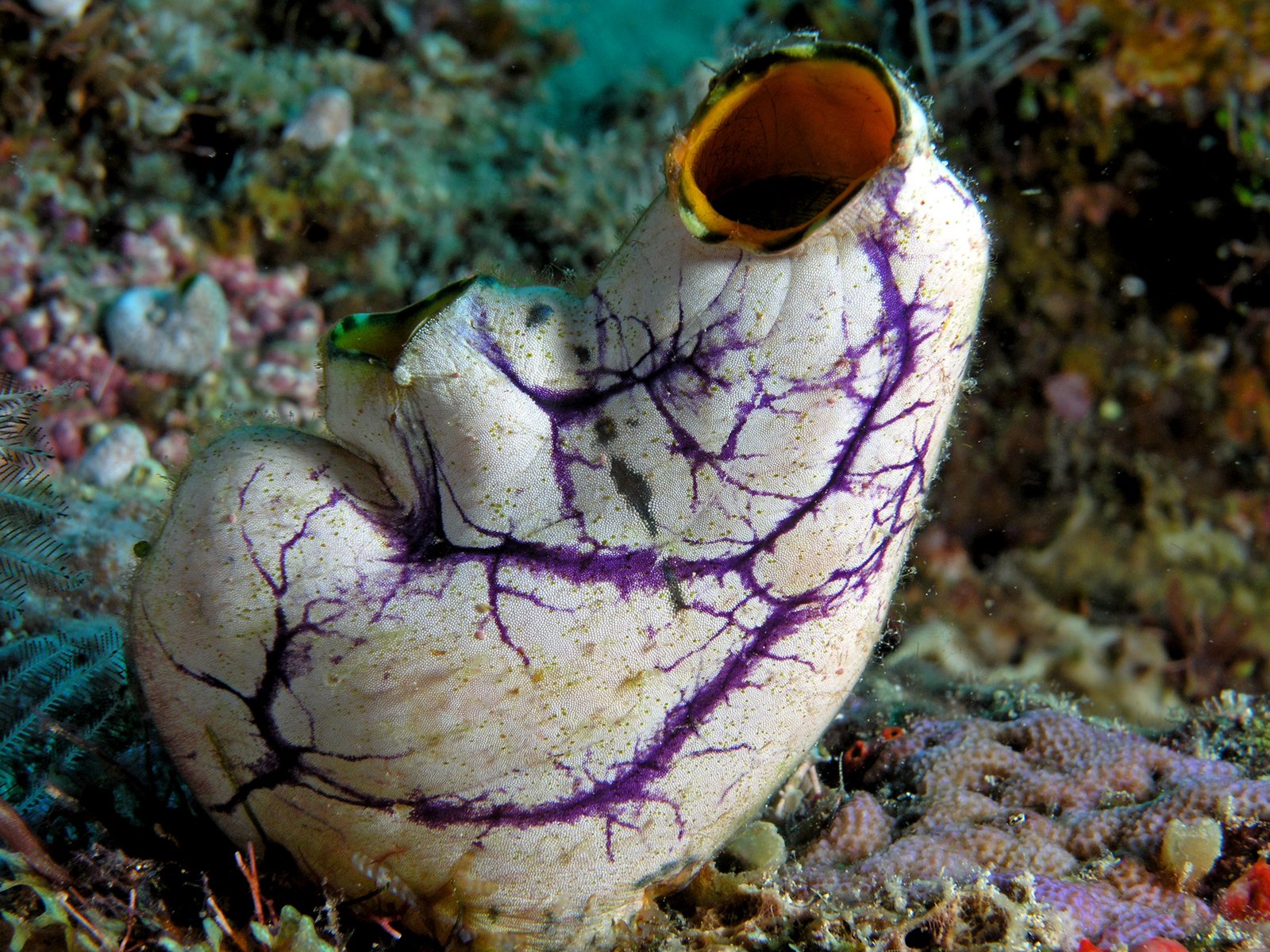
The life cycle of tunicates is a tale of transformation and adaptation. It begins with the release of free-swimming larvae, resembling tiny tadpoles, into the ocean currents. These larvae are equipped with a notochord and a primitive nervous system, attributes that connect them to the chordates. However, this stage is fleeting. Within hours, the larvae settle onto a suitable substrate and undergo a dramatic metamorphosis. The notochord and tail are absorbed, and the larva transitions into a sessile adult form. This remarkable transformation highlights the tunicate’s ability to adapt to different environments and lifestyle changes.
The Diversity of Tunicate Species
The world of tunicates is as diverse as it is captivating. There are over 3,000 known species, each boasting unique adaptations and characteristics. Some tunicates, like the sea squirts, are solitary, while others, such as colonial tunicates, form intricate, interconnected colonies. These colonies can take on various shapes, from flat encrustations to elaborate, branching structures. Each species has evolved to thrive in specific habitats, from shallow coastal waters to the deepest ocean trenches. This diversity not only underscores the adaptability of tunicates but also their significance in marine biodiversity.
The Ecological Role of Tunicates

Tunicates play a crucial role in marine ecosystems, serving as both filter feeders and habitat providers. By filtering large volumes of water, they contribute to the clarity and quality of marine environments. This process also helps regulate plankton populations, maintaining a delicate balance within the food web. Furthermore, the colonies of tunicates provide shelter and breeding grounds for a myriad of marine organisms, from small invertebrates to juvenile fish. Their presence enhances biodiversity and supports the overall health of oceanic ecosystems.
Tunicates and Human Connection
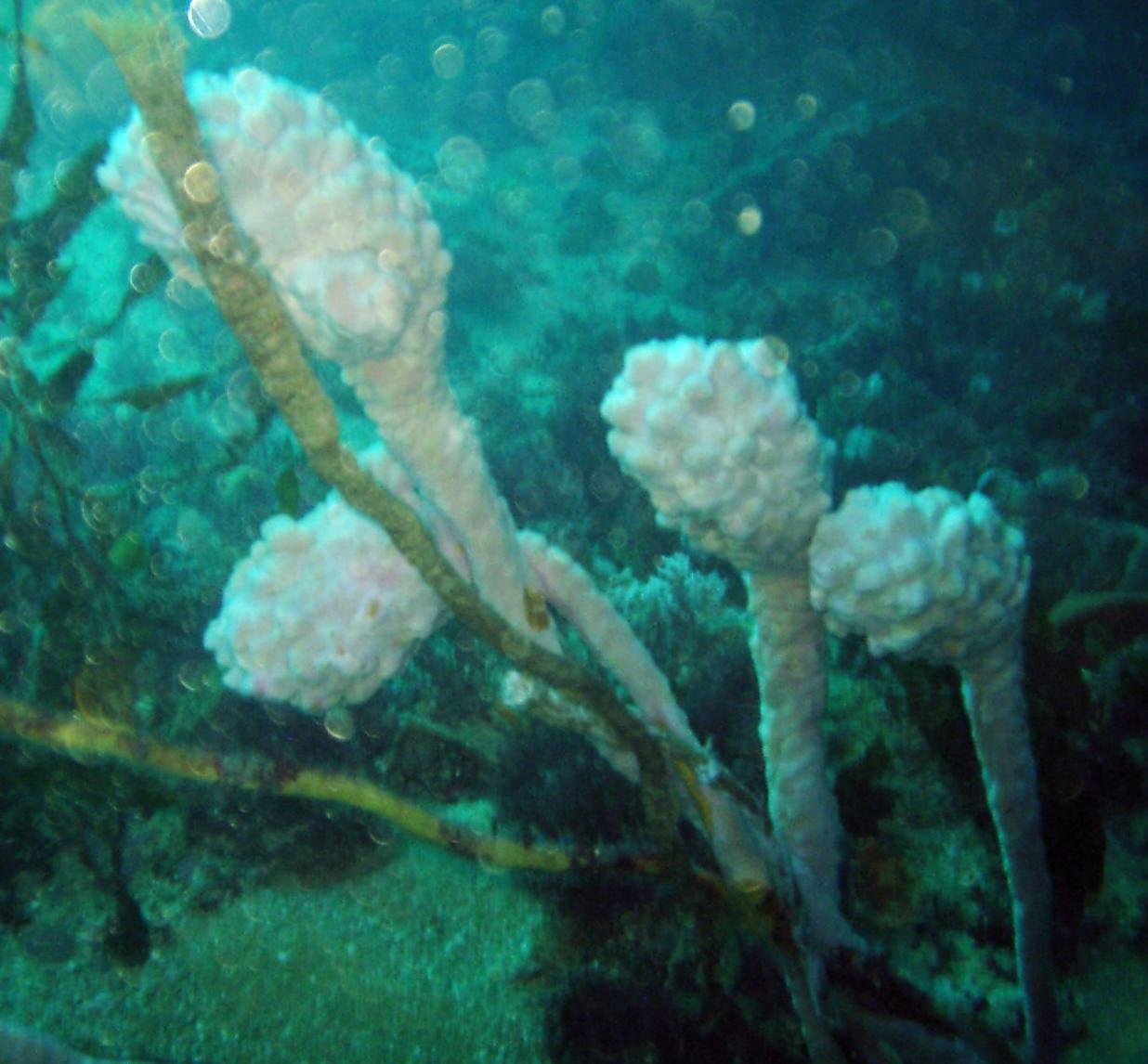
Beyond their ecological contributions, tunicates have captured the attention of scientists and researchers for their potential benefits to humanity. Their unique biochemistry has led to the discovery of compounds with promising medical applications. Some tunicate species produce bioactive molecules that exhibit anti-cancer properties, offering hope for future pharmaceutical developments. Additionally, their cellulose-based tunics inspire innovations in sustainable materials and bioengineering. The study of tunicates not only deepens our understanding of marine life but also opens new avenues for scientific exploration and human advancement.
The Challenges They Face
Despite their resilience, tunicates face numerous challenges in today’s changing oceans. Pollution, habitat destruction, and climate change pose significant threats to their survival. The accumulation of pollutants in marine environments can disrupt their filter-feeding processes and impact overall health. Furthermore, rising ocean temperatures and acidification alter the delicate balance of ecosystems, affecting tunicate populations and the organisms they support. Conservation efforts aimed at protecting marine habitats and reducing human impact are essential to ensuring the continued existence of these remarkable creatures.
Dispelling Myths and Misconceptions
Tunicates have long been shrouded in mystery, leading to various myths and misconceptions. One common myth is that they are lifeless rocks or simple plants due to their appearance. However, as we have explored, tunicates are complex animals with fascinating life cycles and ecological roles. Another misconception is that they are pests or invasive species. While some tunicate species can become invasive in certain environments, many are vital components of their native ecosystems. By dispelling these myths, we gain a deeper appreciation for the diversity and intricacy of life in the ocean.
The Future of Tunicate Research

The study of tunicates is an evolving field that continues to reveal new insights into marine biology and evolutionary science. Ongoing research explores their genetic makeup, reproductive strategies, and ecological interactions. Understanding these aspects can inform conservation efforts and enhance our ability to protect marine biodiversity. Additionally, advancements in biotechnology and genomics hold promise for unlocking the full potential of tunicates in medicine and industry. As we embrace the mysteries of these living rocks, we are reminded of the vast, untapped potential that lies within the natural world.
A Call to Action for Ocean Conservation
The enchanting world of tunicates serves as a poignant reminder of the beauty and complexity of marine life. As stewards of the Earth, we have a responsibility to protect and preserve these delicate ecosystems for future generations. By raising awareness and supporting conservation initiatives, we can ensure that tunicates and other marine species continue to thrive. Let us be inspired by the resilience and adaptability of these living rocks and commit to safeguarding the oceans that sustain us all.