
Life on Earth may have started not in a warm little pond, but in the cold darkness between the stars. That sounds like science fiction, yet a growing body of evidence has pushed some researchers to seriously consider that the ingredients of life – and possibly even fragile microbes – could have arrived here from space. This idea, known as panspermia, does not dodge the question of how life began; instead, it stretches that question across the Solar System and maybe even the galaxy. In the last two decades, advances in astronomy, planetary science, and chemistry have uncovered complex organic molecules on comets, meteorites, and distant interstellar clouds. The result is a picture of a cosmos that looks less like an empty backdrop and more like a sprawling biochemical factory with Earth as one of many possible test tubes.
From Fringe Notion to Testable Hypothesis
For much of the twentieth century, the thought that life or its building blocks came from space was treated as a curiosity at best and pseudoscience at worst. Early advocates lacked hard data, and the idea often attracted people more interested in wild speculation than careful experiments. That has shifted dramatically as modern space missions and lab techniques began to reveal just how chemistry-rich our cosmic neighborhood really is. What was once a hand-waving suggestion has turned into a set of concrete, testable questions: what organics are actually out there, how stable are they, and could they really survive a journey to Earth?
The change in attitude is not because panspermia has been proven correct, but because evidence has made it impossible to dismiss out of hand. Researchers have isolated amino acids and sugars from meteorites, simulated atmospheric entry, and measured how bacteria cope with vacuum and radiation. These are not abstract thought experiments; they are repeatable tests that put hard physical limits on what is possible. That kind of work moves the topic out of late-night debate territory and into mainstream astrobiology, even if many scientists remain skeptical of the most ambitious claims.
Cosmic Chemistry: Organic Molecules in Deep Space
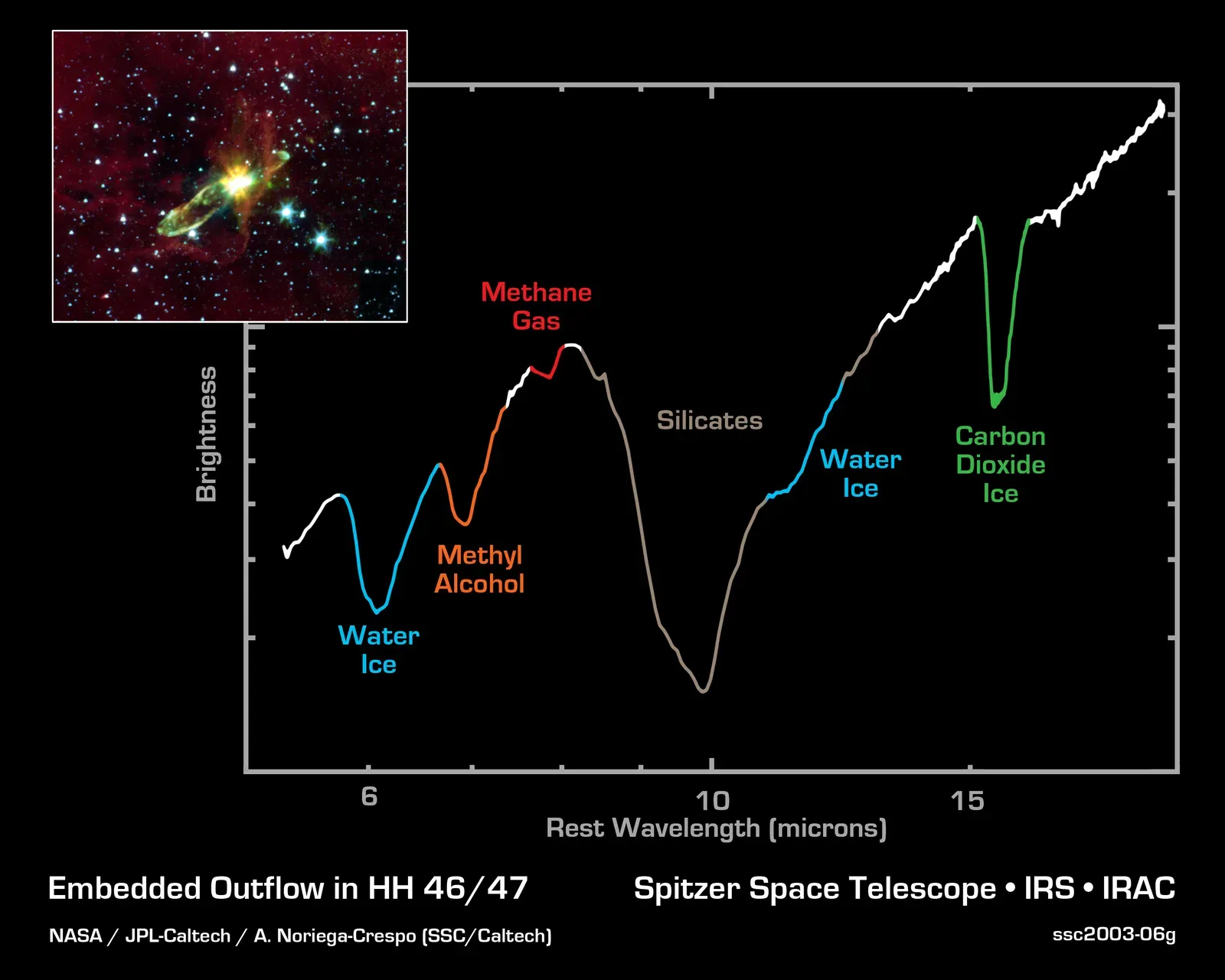
One of the quiet revolutions in astronomy has been the realization that space is not chemically simple. Radio telescopes and space observatories have detected a long list of organic molecules in interstellar clouds, including formaldehyde, methanol, and various complex hydrocarbons. More recently, astronomers have identified molecules related to amino acids and simple sugars in regions where new stars and planets are forming. These cold, dusty clouds act like slow-motion chemical laboratories, where radiation and dust grains help stitch simple molecules into more intricate ones over millions of years.
Closer to home, missions like Rosetta to comet 67P and analyses of meteorites recovered on Earth have found a zoo of organic compounds. Some carbon-rich meteorites contain amino acids, nucleobase-like molecules, and other building blocks of biochemistry. Researchers have shown that such meteorites can deliver significant amounts of organic material to a young planet, especially during heavy bombardment phases early in a planetary system’s history. The emerging picture is that prebiotic chemistry is not unique to Earth; instead, it seems to be a common byproduct of planetary formation itself.
Rocks From Space: Meteorites as Molecular Time Capsules
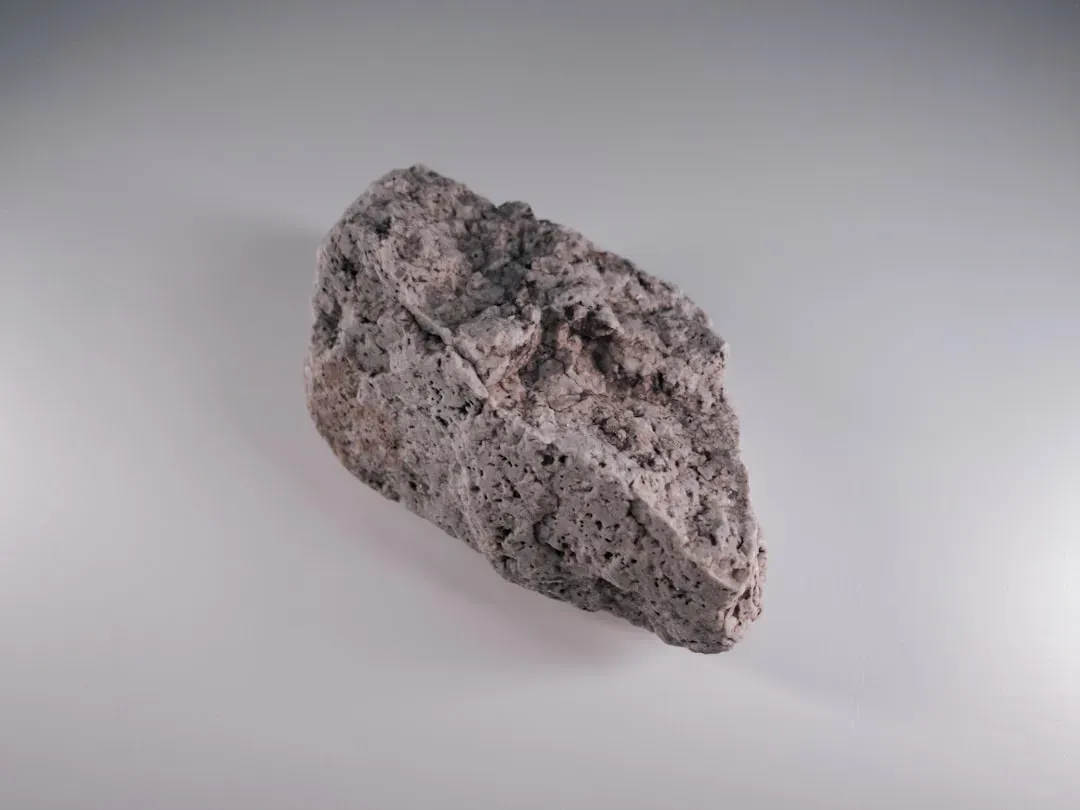
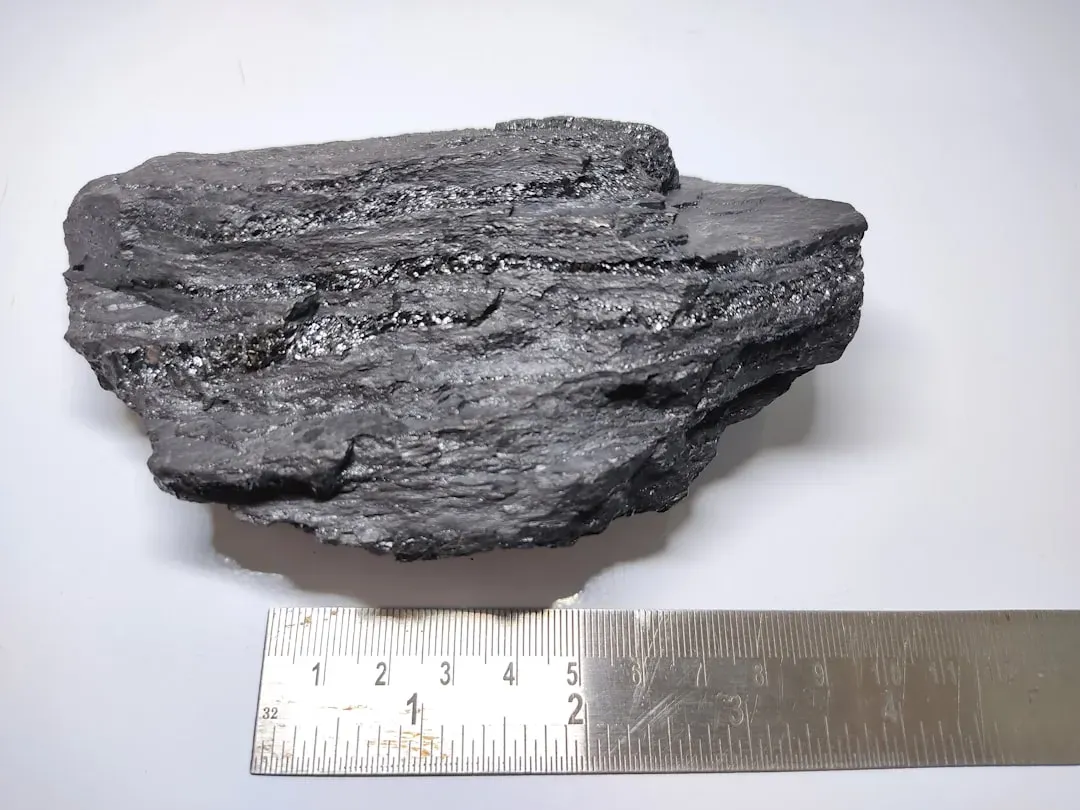
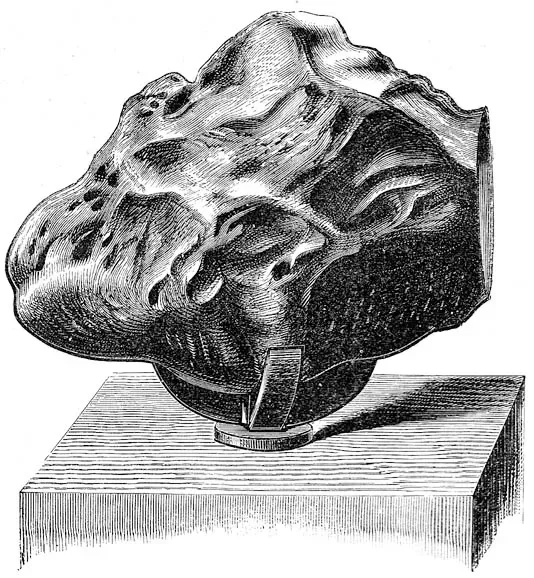
Meteorites are more than just space rocks; they are physical samples of the early Solar System delivered straight to our planet. Some, known as carbonaceous chondrites, have been preserved in deep time with minimal alteration, locking in the chemistry that existed before Earth fully formed. When scientists slice them open and perform careful chemical analyses, they find a rich mix of organics, including amino acids that form both left- and right-handed versions. That symmetry is different from life on Earth, which strongly prefers one handedness, suggesting an abiotic cosmic origin.
These meteorites act like time capsules, telling us that complex carbon chemistry was already underway long before Earth’s first oceans calmed. Laboratory studies show that such rocks, plunging through the atmosphere, can partially shield delicate molecules from destructive heat. While much material burns up, a fraction survives, especially in larger, slower fragments or those that break apart high in the atmosphere. Taken over millions of years, that trickle becomes a torrent, adding up to vast quantities of extraterrestrial organic matter falling into early seas, ponds, and hydrothermal systems.
Could Microbes Survive a Ride Between Worlds?
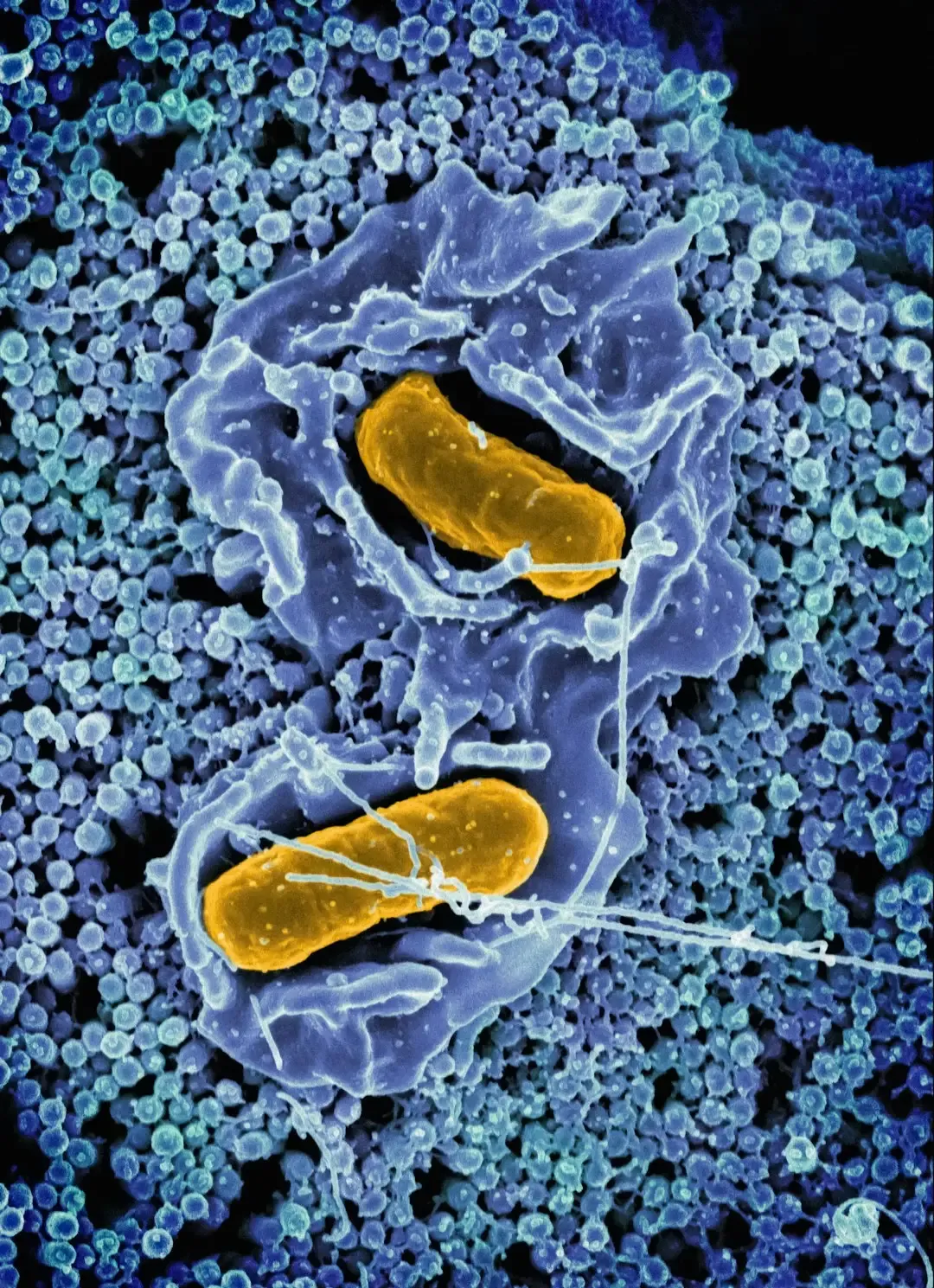
The more provocative version of panspermia argues not just for cosmic ingredients, but for actual living cells hitchhiking across space. At first glance, that sounds impossible: a lethal cocktail of vacuum, radiation, and extreme cold appears ready to sterilize anything exposed for long. However, decades of experiments with hardy microbes, especially bacterial spores and certain radiation-resistant species, have complicated that picture. Some microorganisms can survive intense ultraviolet light, dehydration, and even open space exposure for surprisingly long periods when shielded by dust or rock.
Researchers have placed microbes on the exterior of space stations, nestled them inside simulated meteorites, and blasted them with radiation to test their limits. The results show that while many cells die quickly, a small fraction can endure for years, and possibly longer, if buried deep within protective material. Impact simulations also suggest that chunks of rock ejected from a planet’s surface by a large collision can reach escape velocity without being wholly vaporized, potentially carrying trapped microbes with them. Survival over millions of years remains highly uncertain, but the strict impossibility that once dominated the conversation has softened into a cautious maybe.
Analytical Lens: How Panspermia Reshapes the Origin Story
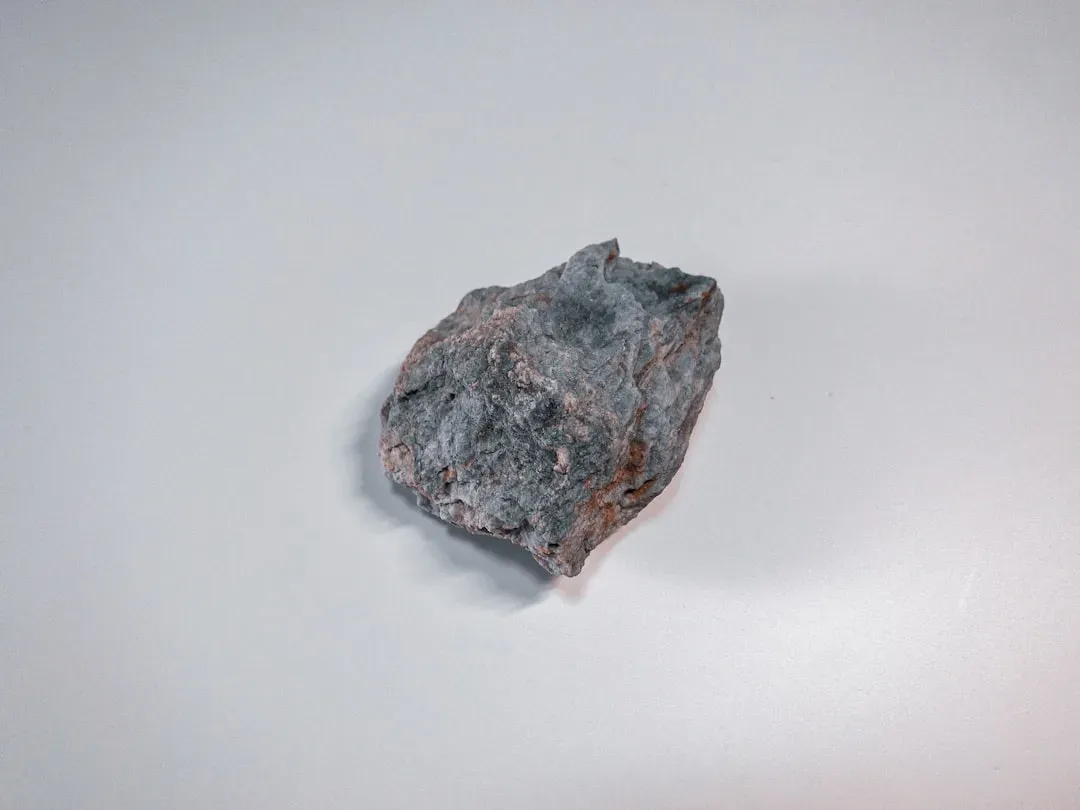
Thinking seriously about life’s ingredients arriving from space forces a shift in how we frame the origin of life on Earth. The classic picture imagines a kind of chemical bootstrapping that begins and ends entirely on our planet, with lightning, volcanic gases, and oceans doing all the work. Panspermia, in its more modest forms, does not reject that chemistry; instead, it adds an external supply chain of complex molecules that might have given early Earth a head start. That is analogous to baking: you still need heat and time, but store-bought flour saves you from grinding your own grain.
Comparing the two perspectives highlights an important point: origin-of-life research is no longer about choosing a single grand narrative. Instead, scientists weigh different contributions, from deep-sea hydrothermal vents to impact-delivered organics, and try to quantify their relative roles. Modern interpretations suggest a web of overlapping processes rather than a single magic location or event. In that context, panspermia is less a radical outsider and more one branch of a broader, data-driven effort to understand how chemistry transitions into biology. Whether or not life itself rode in on a meteorite, the idea has expanded our search area from one small world to an entire planetary system and beyond.
Planetary Neighbors: Mars, Icy Moons, and the Interchange of Life
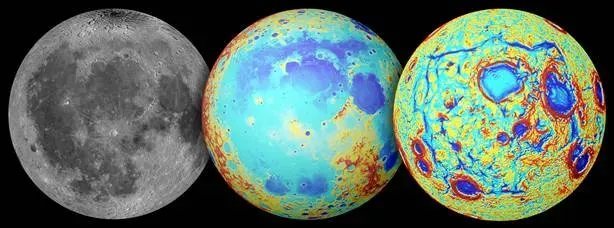
If life or proto-life can move around, our neighboring worlds suddenly look less isolated from one another. Mars, for example, once had rivers, lakes, and possibly oceans, and it has been trading rocks with Earth for billions of years. Meteorites knocked off Mars have been found on our planet, and the reverse process likely occurs as well, especially in the violent early era of the Solar System. That raises the possibility that life could have started on one world and then been seeded onto the other, blurring the line between independent origin and shared ancestry.
Farther out, icy moons like Europa and Enceladus host subsurface oceans and actively spew plumes of material into space. While current evidence for life there is purely circumstantial, the existence of liquid water, energy sources, and organic chemistry makes them strong candidates for further study. Any future discovery of microbes or biosignatures on these bodies will have to wrestle with the panspermia question: are we seeing a second genesis, or an echo of the same seed that gave rise to life on Earth? That is a profound distinction, and getting it right will require careful comparison of biochemistry, genetic structures, and environmental context.
Unanswered Questions and the Limits of the Evidence
Despite all the tantalizing data, the case for life itself coming from space is far from settled. One of the central problems is that we do not yet know how life began even in the most Earth-centered scenarios, so it is difficult to measure how much help, if any, was needed from beyond. There is also no confirmed example of an organism or fossil in a meteorite that cannot be explained as contamination, despite occasional claims that made headlines in past decades. Each time such a claim has been carefully dissected, mundane explanations have held up better than alien ones.
Another challenge is time: while organics can clearly survive interplanetary journeys, it remains uncertain whether fragile, evolving ecosystems could endure the long, harsh trip between star systems. Some researchers consider interstellar panspermia plausible only if life is extremely robust and space travel happens in protective niches, such as inside large, icy bodies. Others argue that the probabilities shrink so dramatically with distance and time that local origins remain much more likely. For now, the honest answer is that the evidence strongly supports cosmic chemistry, but remains agnostic on cosmic biology.
How Curious Readers Can Follow the Trail
Even if you never step into a lab, there are concrete ways to stay engaged with this unfolding story about life’s possible cosmic roots. Many space agencies and research institutions share open data, mission updates, and explanatory videos about comets, meteorites, and planetary exploration. Following upcoming sample-return missions, especially those bringing back material from asteroids and Mars, is a powerful way to watch the evidence sharpen in real time. Public talks at local universities, science centers, or planetariums often feature astrobiologists who can walk through new findings without drowning you in jargon.
If you like to dig deeper, you can explore introductory courses on astrobiology, attend citizen science projects related to meteor tracking, or simply keep an eye out for well-sourced coverage whenever a new organic molecule is found in space. The bigger point is to keep your sense of skepticism and wonder in balance: treat extraordinary claims with care, but do not turn away from extraordinary possibilities just because they sound unfamiliar. Whether life on Earth is ultimately traced to a local spark or a distant seed, following the search offers a rare chance to watch one of humanity’s oldest questions slowly bend toward a clearer answer.
Suhail Ahmed is a passionate digital professional and nature enthusiast with over 8 years of experience in content strategy, SEO, web development, and digital operations. Alongside his freelance journey, Suhail actively contributes to nature and wildlife platforms like Discover Wildlife, where he channels his curiosity for the planet into engaging, educational storytelling.
With a strong background in managing digital ecosystems — from ecommerce stores and WordPress websites to social media and automation — Suhail merges technical precision with creative insight. His content reflects a rare balance: SEO-friendly yet deeply human, data-informed yet emotionally resonant.
Driven by a love for discovery and storytelling, Suhail believes in using digital platforms to amplify causes that matter — especially those protecting Earth’s biodiversity and inspiring sustainable living. Whether he’s managing online projects or crafting wildlife content, his goal remains the same: to inform, inspire, and leave a positive digital footprint.