
You probably think you have a rough idea of how fragile life is. A warming climate here, a crumbling habitat there, and suddenly the headlines scream about mass extinction. Terrifying, sure. Yet here’s the thing – life on Earth has already stared into the abyss not once, not twice, but at least five times on a scale that would make today’s environmental crisis look like a minor inconvenience. We’re talking events that wiped out the vast majority of all species that ever existed, reshaped continents, boiled oceans, and froze the entire planet solid.
More than 99 percent of all organisms that have ever lived on Earth are now extinct. Think about that for a moment. Every single species you’ve ever seen in a museum, a documentary, or a biology textbook is part of a tiny surviving fraction. The story of life on Earth isn’t one of smooth progress. It’s a story of catastrophe, collapse, and stunning comeback. Let’s dive in.
The Meaning of True Catastrophe: What a Mass Extinction Actually Is
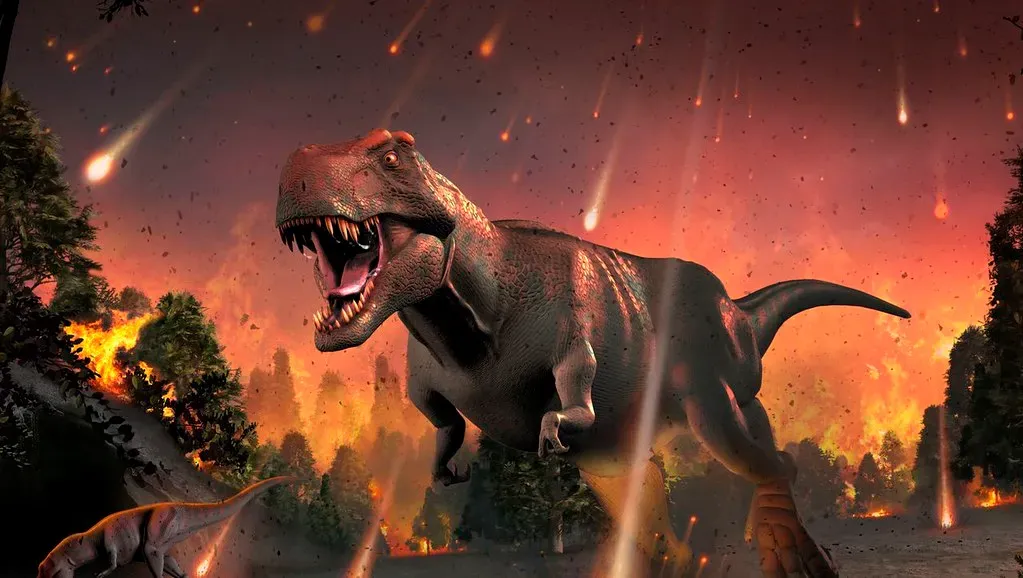
When scientists talk about a mass extinction, they don’t mean a bad century for wildlife. At least a handful of times in the last 500 million years, between roughly three quarters and more than nine in ten of all species on Earth have disappeared in a geological blink of an eye in catastrophes we call mass extinctions. That’s not slow decline. That’s planetary-scale annihilation happening almost overnight in geological terms.
Experts usually define mass extinction as events that are geologically rapid, resulting in widespread species loss of 70 percent or more, affecting organisms globally across multiple ecosystems. To put that in human terms, imagine waking up tomorrow and discovering that nearly every animal, plant, and ocean creature you’ve ever known simply no longer exists. That’s the scale we’re discussing.
Snowball Earth: When the Entire Planet Froze Over
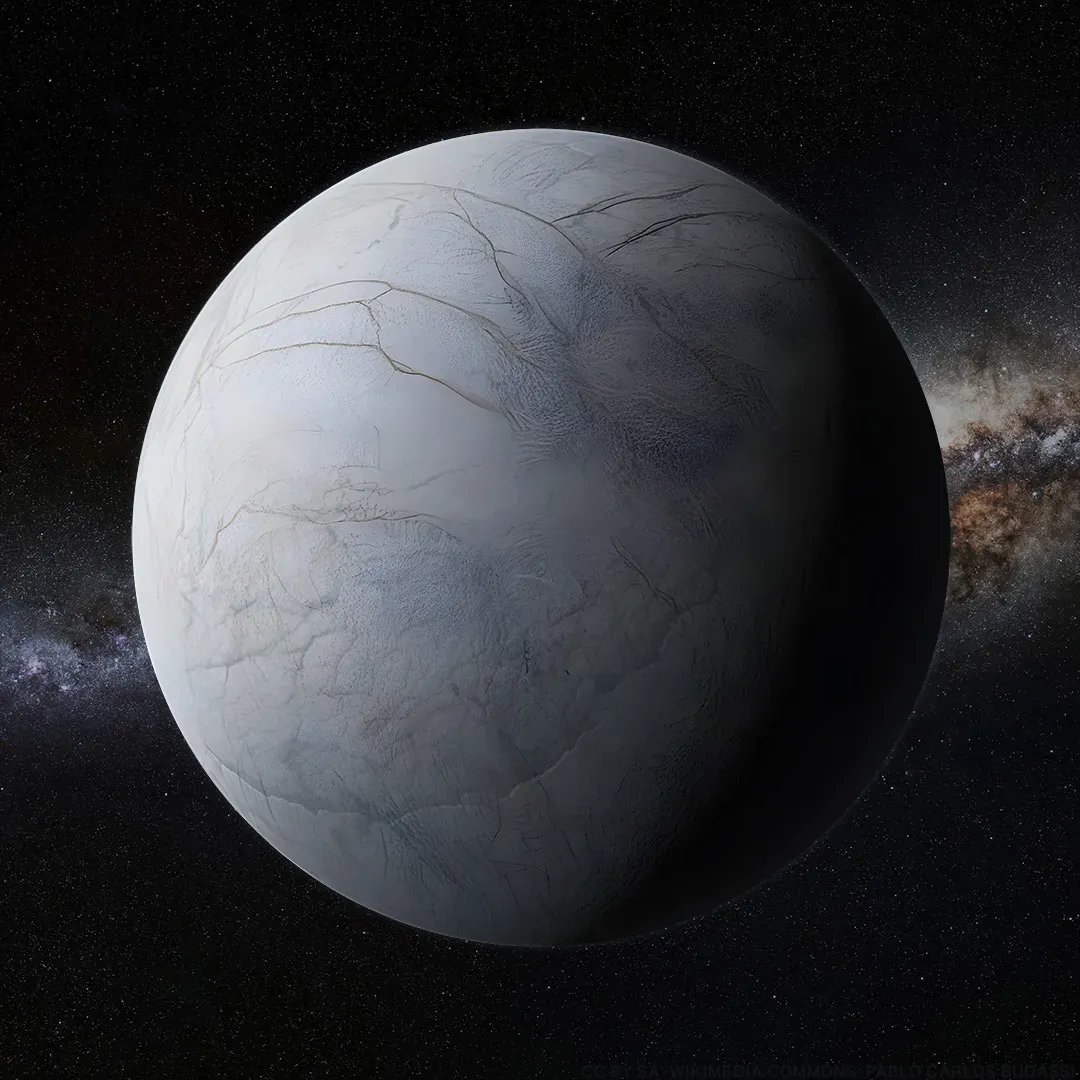
Long before the famous Big Five extinction events, Earth endured something that sounds almost like science fiction. Snowball Earth refers to a hypothesized period in Earth’s history during which the planet experienced extensive glaciation due to a significant decline in greenhouse gases, leading to the formation of a snow and ice cover that occurred multiple times between approximately 900 and 580 million years ago. You can try to picture it – a globe that looks like a giant white marble drifting in space, with no open oceans, no warm equatorial coastlines, just ice.
Honestly, it’s hard to say for sure how total the freeze was, but the evidence is extraordinary. During the Neoproterozoic and Paleoproterozoic eras, geological evidence points to several Snowball Earth episodes when most of Earth’s surface was covered in ice – global-scale glaciations that represent the most marked climate changes in Earth’s history. Yet life survived, clinging on in refugia near hydrothermal vents and beneath thin patches of ice. Not only did life survive Snowball Earth, but the massive glaciation that engulfed the planet could have played a role in the evolution of more complex lifeforms.
The Great Oxidation Event: When Oxygen Itself Was Poison
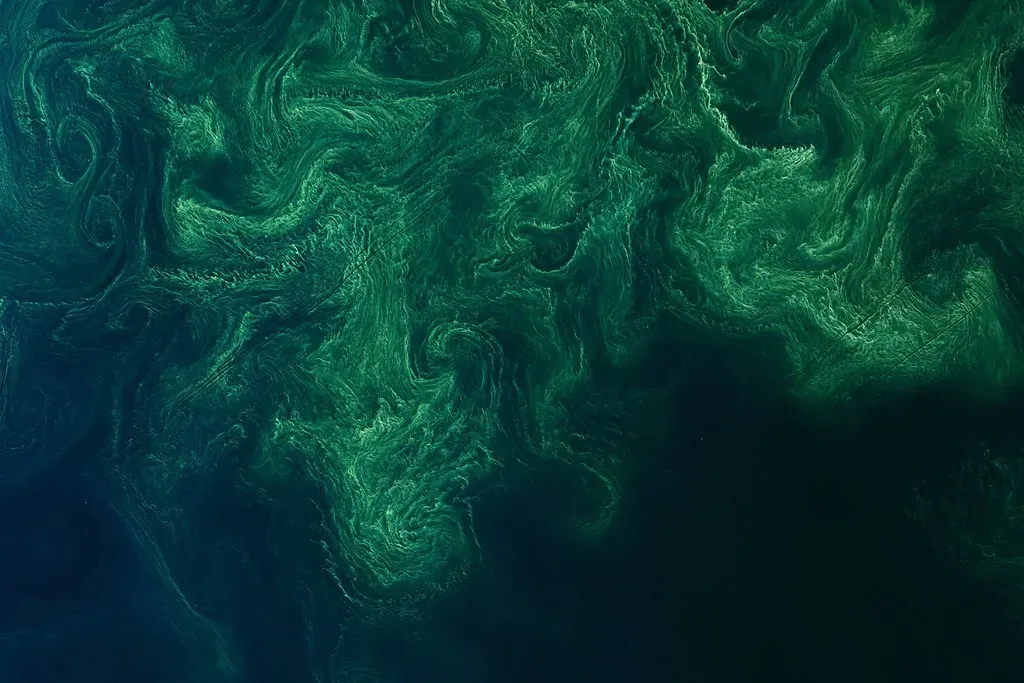
Here’s a plot twist that doesn’t get nearly enough attention. Around 2.45 billion years ago, tiny cyanobacteria began producing oxygen through photosynthesis. Sounds helpful, right? For the life that existed back then, it was apocalyptic. The Great Oxidation Event was caused by cyanobacteria, which evolved chlorophyll-based photosynthesis that releases dioxygen as a byproduct of water photolysis, and the continually produced oxygen eventually depleted all the surface reducing capacity from ferrous iron, sulfur, hydrogen sulfide, and atmospheric methane over nearly a billion years.
The organisms that had thrived in an oxygen-free world were essentially poisoned by the very atmosphere that you and I now breathe. Isotope geochemistry data from sulfate minerals have been interpreted to indicate a decrease in the size of the biosphere of more than four-fifths associated with changes in nutrient supplies at the end of the Great Oxidation Event. And yet, life adapted. It’s a stark reminder that what seems like catastrophe from one perspective can be a launchpad for everything that follows.
The End-Ordovician Extinction: A One-Two Punch of Ice and Heat
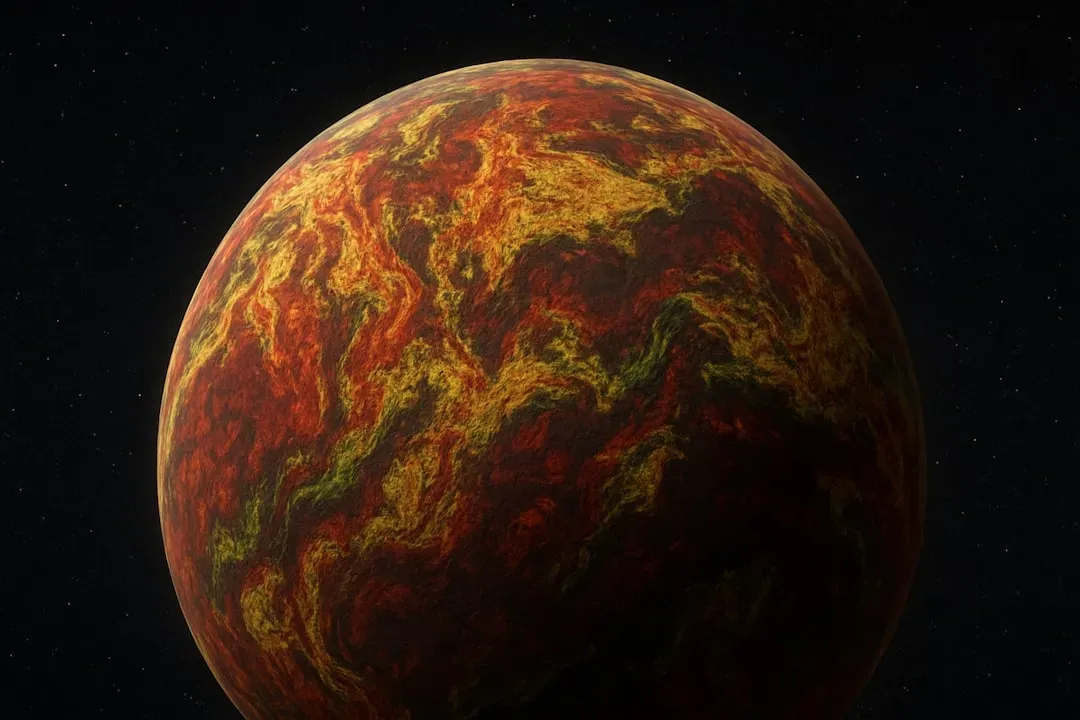
About 445 million years ago, life had been thriving beautifully in warm, shallow seas when the planet delivered a double blow that no one saw coming. The Ordovician–Silurian extinction events were a series of catastrophic events that occurred about 440 to 450 million years ago, leading to the second-largest mass extinction in history, at a time when almost all life on Earth was confined to the oceans, especially the warm, shallow waters near the tropics, and within a span of a few million years, the planet was hit with a one-two punch that killed more than 85 percent of all species on Earth.
First, massive glaciers formed and sea levels plummeted. Then, just as survivors adapted to the cold, temperatures spiked again. All of the major animal groups of the Ordovician oceans survived, including trilobites, brachiopods, corals, crinoids, and graptolites, but each lost important members. Diversity gradually recovered to pre-extinction levels over the first 5 million years of the Silurian period. Five million years. For context, that’s longer than the entire evolutionary history of our own species.
The Great Dying: Earth’s Closest Brush With Total Extinction
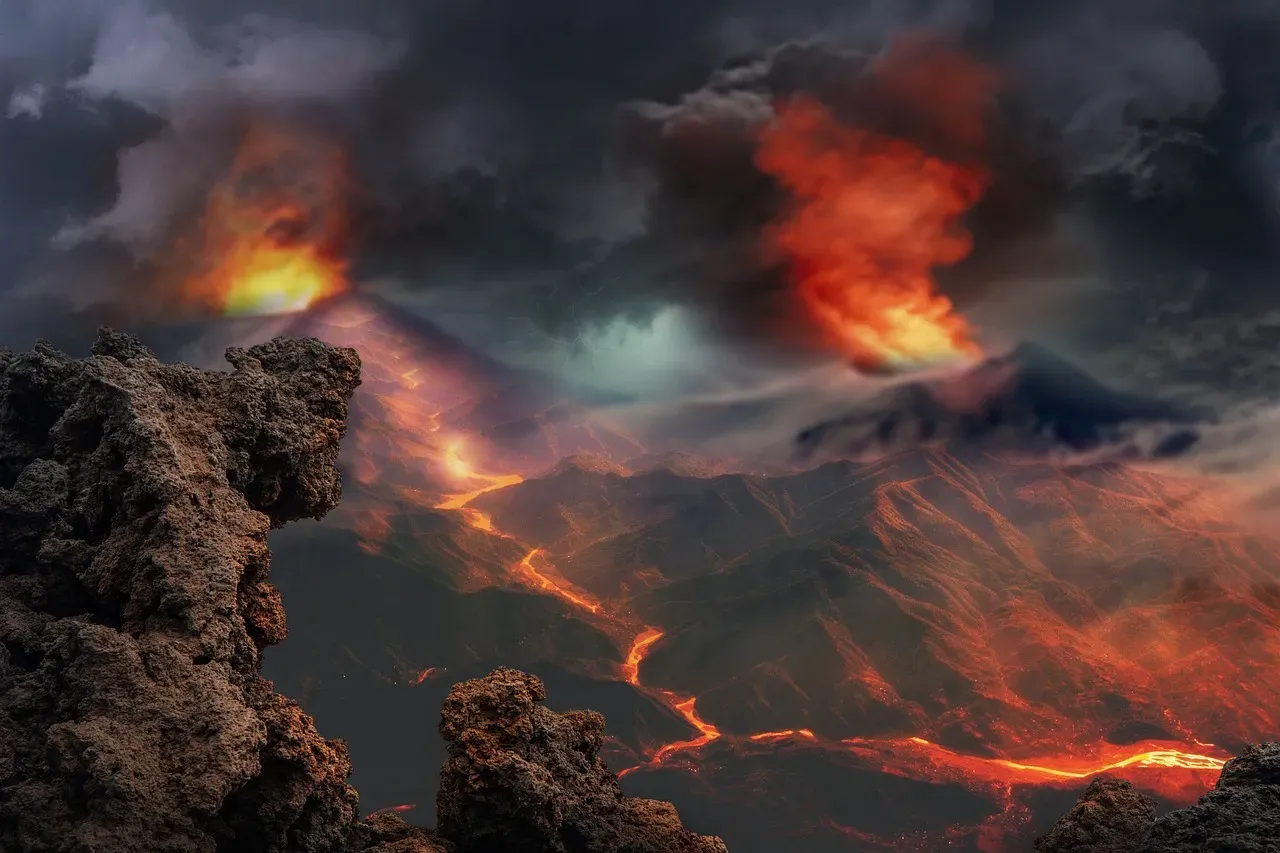
If any event deserves the title of “the worst thing that has ever happened,” this is it. Some 252 million years ago, life on Earth faced the “Great Dying,” the Permian-Triassic extinction, described as the single worst event life on Earth has ever experienced, over about 60,000 years, where 96 percent of all marine species and about three of every four species on land died out. Let that sink in. Nearly all life, nearly gone.
The trigger of the extinction, at least in the oceans, was likely massive volcanism in what is today Siberia. The Siberian volcanoes ejected about 3 million cubic kilometers of lava, as well as greenhouse gases like carbon dioxide. The end-Permian crisis was much more severe than any other mass extinction, wiping out 19 out of every 20 species – and with survival of only 5 percent of species, ecosystems had been destroyed, meaning that ecological communities had to reassemble from scratch. Reassemble. From. Scratch. Think about rebuilding an entire supermarket starting from a single grain of wheat.
Recovery After the Great Dying: Slow, Strange, and Spectacular
You’d think that after losing almost all life on Earth, recovery would take forever. It did – sort of. After the extinction, it took about 5 million years for animals at the top of the food chain to emerge, but it took about 50 million years for the underlying ecosystem to bounce back. Fifty million years. That’s twelve times longer than the time that has passed since the dinosaurs were wiped out.
What’s fascinating is which survivors made it, and why. A small percentage of species survived, like a class of marine filter feeders called bivalves. Bivalves, which were not a large part of Permian marine fauna, were able to dominate the oceans over other organisms as many gastropod and brachiopod species were killed – and bivalves are still very common in today’s oceans. Next time you eat a clam, you’re enjoying the evolutionary legacy of one of Earth’s greatest survivors.
The Asteroid That Killed the Dinosaurs – and Made Room for You
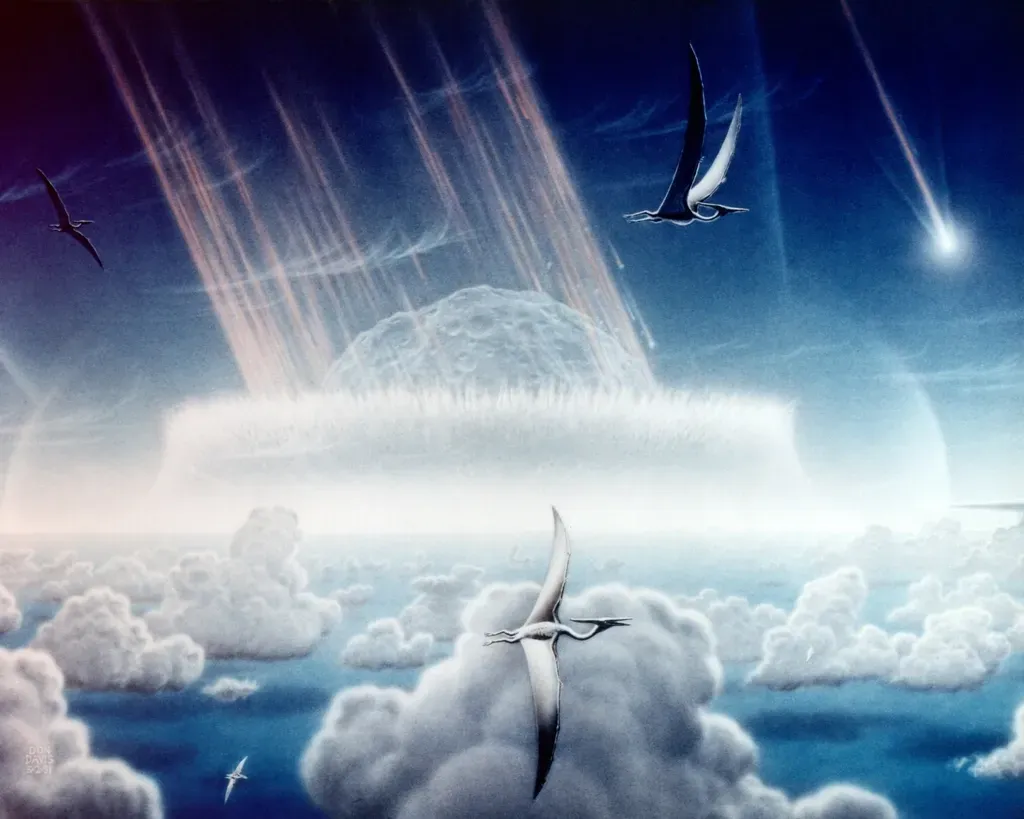
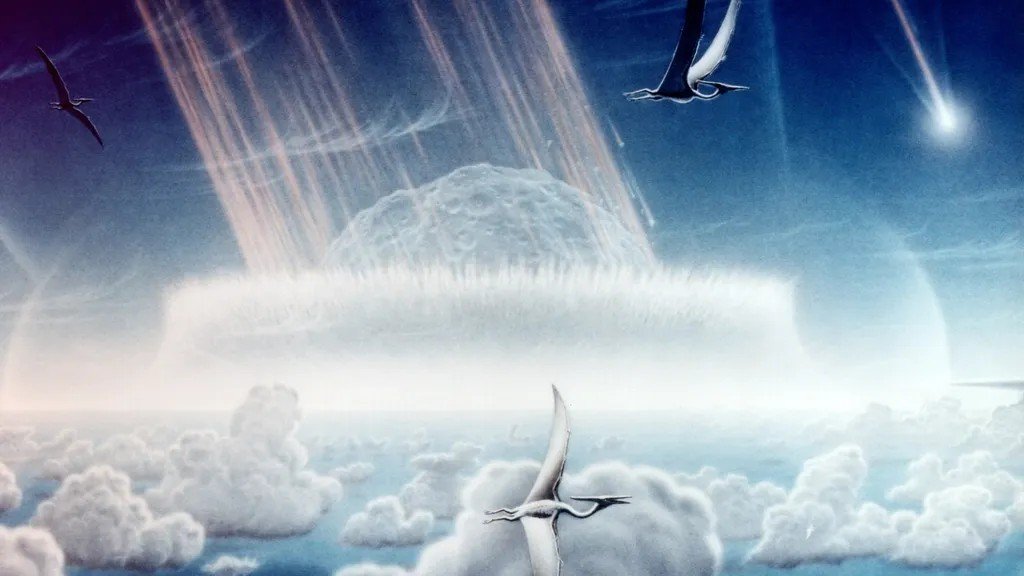
It is now generally thought that the K–Pg extinction resulted from the impact of a massive asteroid 10 to 15 kilometers wide, creating the Chicxulub impact crater and devastating the global environment 66 million years ago, primarily through a lingering impact winter which halted photosynthesis in plants and plankton. The skies went dark, temperatures plunged, and the food chain collapsed from the bottom up. Roughly three quarters of all species vanished.
Here’s the part that genuinely stops me in my tracks. Mammaliaformes and then mammals existed throughout the reign of the dinosaurs, but could not compete in the large terrestrial vertebrate niches that dinosaurs monopolized – and the end-Cretaceous mass extinction removed the non-avian dinosaurs and made it possible for mammals to expand into those niches. You are, in the most literal sense, alive today because a space rock obliterated the competition 66 million years ago. Though mass extinctions are deadly events, they open up the planet for new forms of life to emerge.
What All of This Means for Life’s Resilience – and Our Own Future
The baseline rate at which species normally go extinct has actually decreased over time – it may be that life has survived so much since its origins that new species have become more resilient. That’s a remarkable thought. Every catastrophe Earth has endured may have, in some ways, hardened the survivors. Like a species-wide forge, each crisis burned away the fragile and tempered what remained.
Still, let’s be real – that resilience has limits. Our planet has gone through at least five periods of mass extinction, with the planet likely now in a sixth wave of mass extinction, this one driven by humans. Under business-as-usual emissions scenarios, by the year 2100, warming in the upper ocean will have approached one fifth of the warming seen in the late Permian – and this highlights the potential for a mass extinction arising from a similar mechanism under anthropogenic climate change. We are, in effect, running one of Earth’s most dangerous geological experiments in real time.
Conclusion
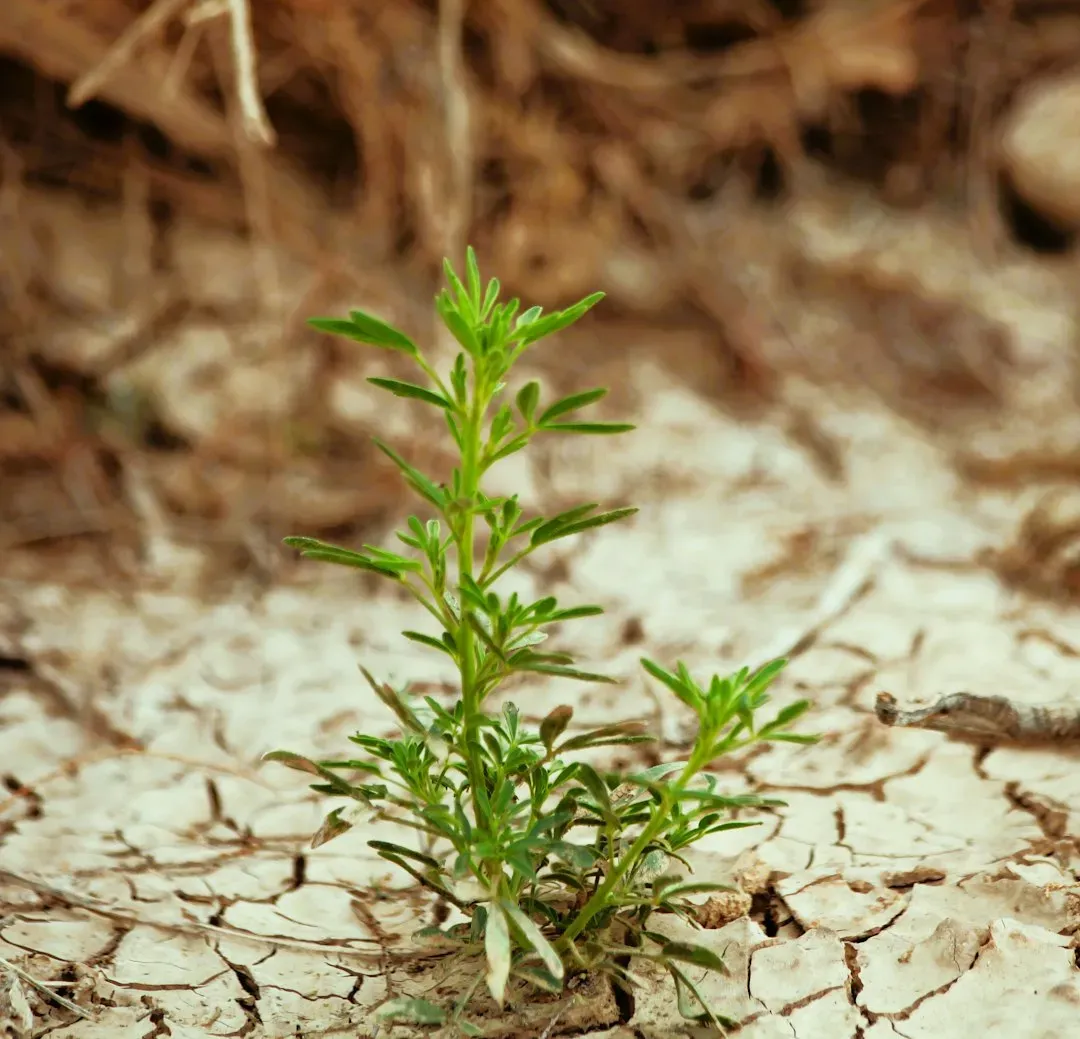
The story of life on Earth is ultimately a story of stubborn, almost irrational persistence. Frozen planets, boiling oceans, poisoned atmospheres, volcanic winters, and falling asteroids – and still, something survived every single time. Following each extinction, surviving species generally multiplied, and new species appeared that were better suited to the ever-changing environmental conditions of Earth. Life does not simply endure. It adapts. It fills vacuums. It invents entirely new ways to exist.
What’s humbling is that we are not separate from this story. We are its latest chapter – descendants of every survivor that ever scraped through the worst moments in Earth’s four-billion-year biography. The planet has endured catastrophes we struggle to even imagine, and each time, something extraordinary came after. The real question isn’t whether life will survive the current crisis. It’s whether we will be part of what survives. What do you think – does that change how you see our responsibility to the natural world? Share your thoughts in the comments.