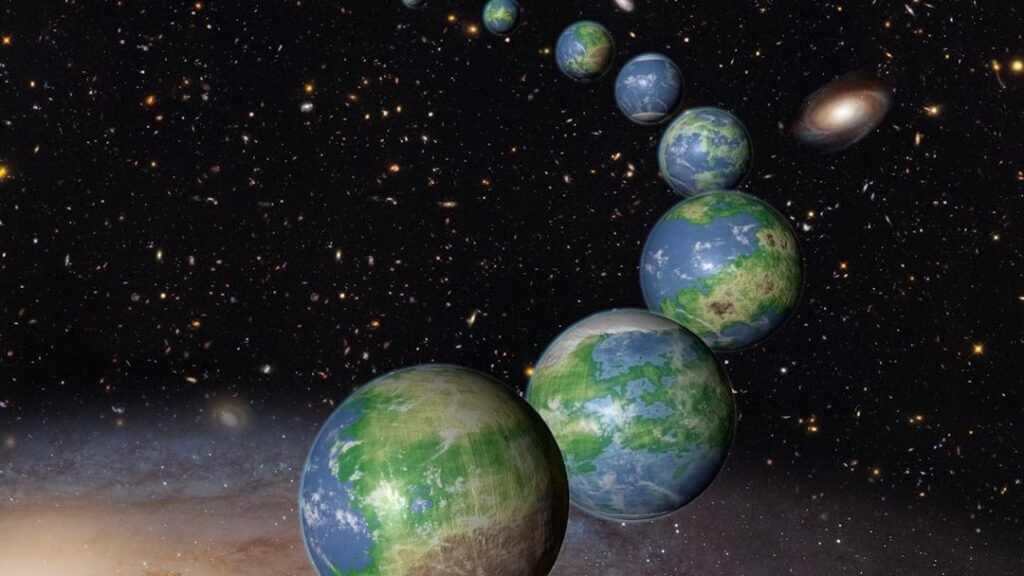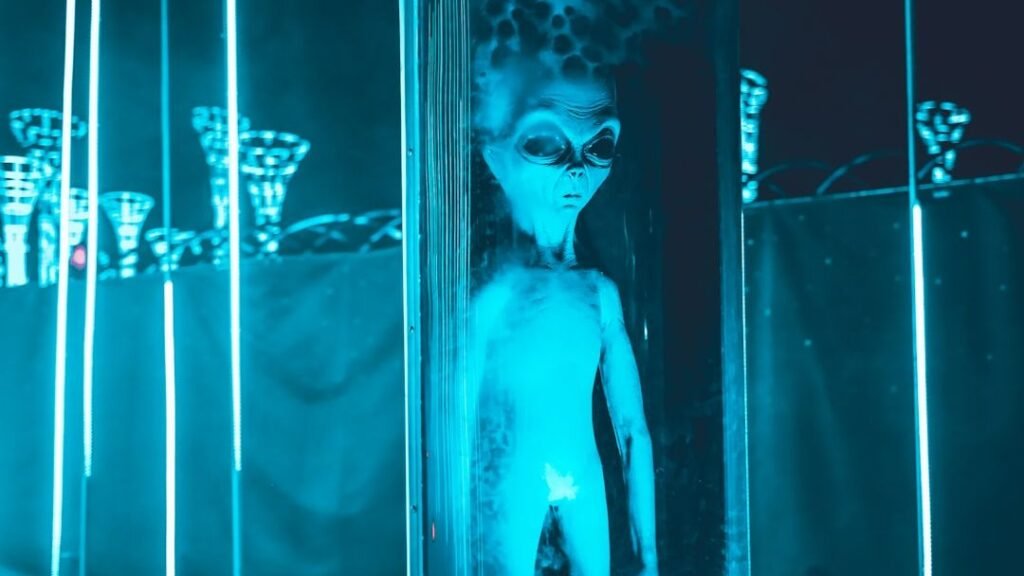

Think about the last time you stared up at the night sky and wondered whether something out there was staring back. It’s one of those ancient questions, the kind that makes you feel small and curious all at once. We’ve been asking it for centuries. Yet right now, in 2026, the scientific conversation around life in the universe has taken a radical and thrilling turn. Scientists are no longer just wondering if life exists beyond Earth. They’re beginning to ask something far more unsettling: what if life already exists out there, and we simply can’t recognize it?
The very definition of life we carry around in our heads is built entirely from one example. Earth. One planet, one chemistry, one template. That’s a dangerously small sample size for a universe containing billions upon billions of worlds. The deeper you look into the research being done today, the more you realize that life might not just be elsewhere. It might be everywhere, hiding in plain sight, wearing a disguise we’ve never had the tools or imagination to see through. So let’s get into it.
You’ve Been Thinking About Life All Wrong
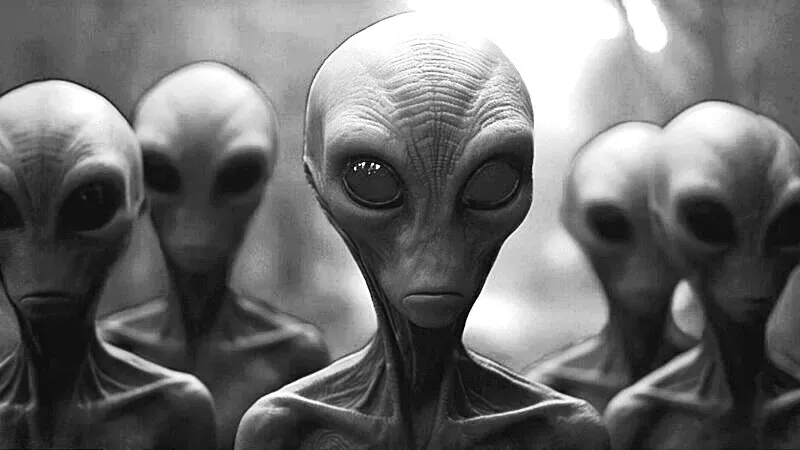
Here’s the thing most people don’t realize: every single assumption you have about what life looks like, what it needs, and how it behaves comes from a sample size of exactly one planet. You have only one example of biology forming in the universe, which is life on Earth. Yet the question remains open as to whether life can form in entirely other ways. That’s not a small caveat. That’s an enormous gap in what you actually know.
Every living organism you know of on Earth uses carbon compounds for structural and metabolic functions, water as a solvent, and DNA or RNA to define and control its form. Yet if life exists on other celestial bodies, it may be chemically similar, or it may involve entirely different chemistries, other classes of compounds, a different structural element, or a different solvent in place of water. The universe, honestly, doesn’t care about your assumptions. It has had roughly fourteen billion years to experiment.
The Carbon Bias That Shapes Everything You Search For
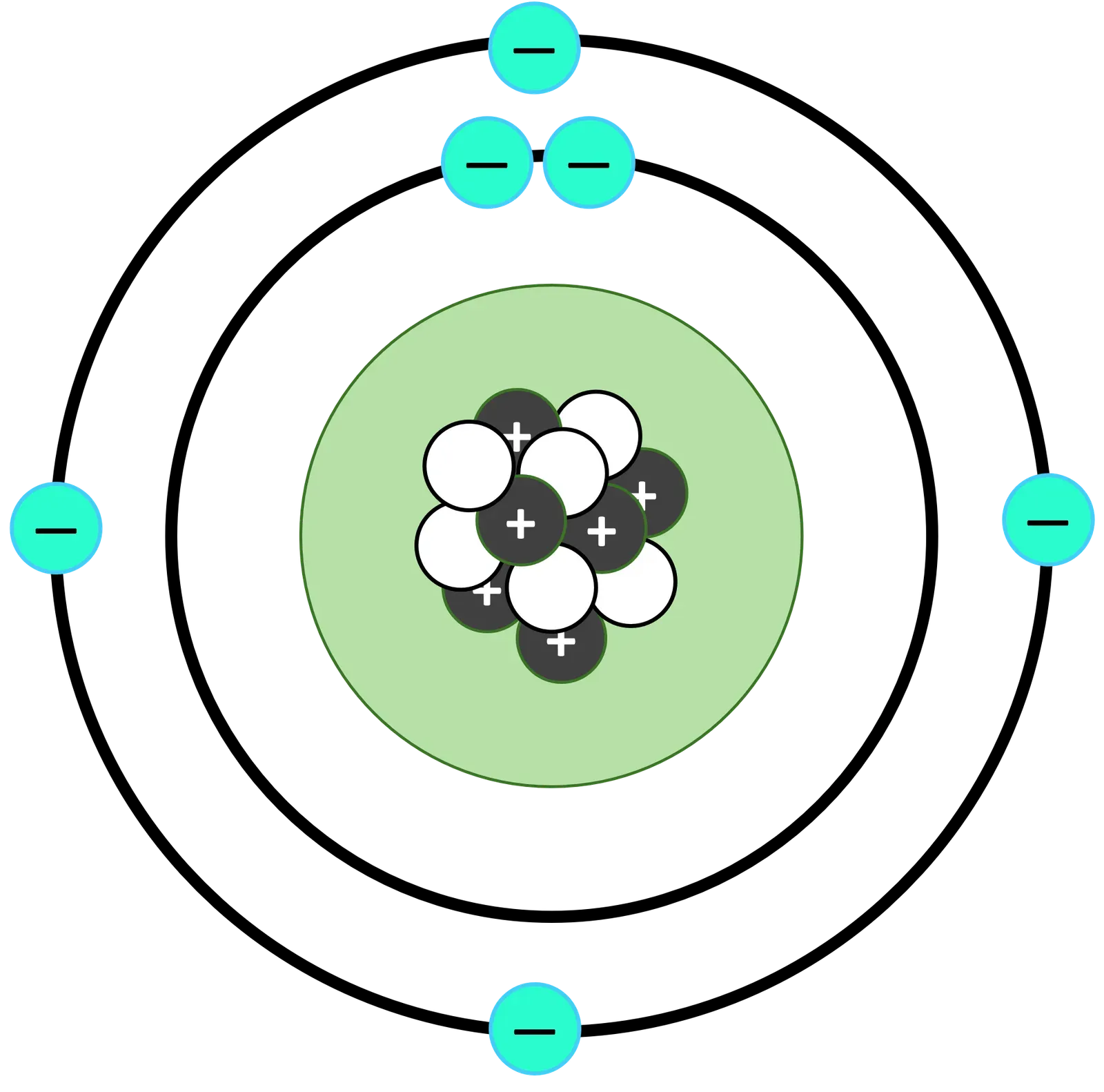
All known life on Earth is carbon-based. Carbon atoms form stable and complex bonds, allowing the creation of proteins, DNA, and cells. This versatility makes carbon ideal for building living systems. It’s understandable that carbon dominates the search for life. The chemistry really is remarkable. Think of carbon as the ultimate molecular building block, the LEGO brick of biology, flexible, strong, and wildly combinable.
Still, that bias may be quietly blinding you. Carl Sagan believed that the notion of carbon-based life being the only form might limit human exploration and imagination of extraterrestrial life. The vastness of the universe far exceeds our understanding, and perhaps in places beyond human imagination, silicon-based life forms once deemed impossible may thrive. It’s a humbling reminder that science’s greatest enemy isn’t ignorance. It’s overconfidence in familiar patterns.
Silicon, Ammonia, and the Chemistry of the Unimaginable

While carbon is clearly favored for Earth-based organisms, other hypothetical biochemistries have been considered by biochemists. One of the most frequently imagined alternatives is silicon-based life. Silicon is similar to carbon in that it also has four valence electrons. This structural similarity has made silicon the go-to candidate for hypothetical non-carbon life for decades. I think it’s a reasonable starting point, even if the practical chemistry makes things complicated quickly.
Water isn’t the only solvent worth considering either. The idea that an extraterrestrial life-form might be based on a solvent other than water has been taken seriously in recent scientific literature. Solvents discussed include ammonia, sulfuric acid, formamide, hydrocarbons, and at much lower temperatures, liquid nitrogen or hydrogen in the form of a supercritical fluid. You could picture entire ecosystems built around ammonia oceans on frigid worlds, running on chemistry that would dissolve everything you know as “alive” in seconds.
The Extremophiles on Earth That Are Already Rewriting the Rules
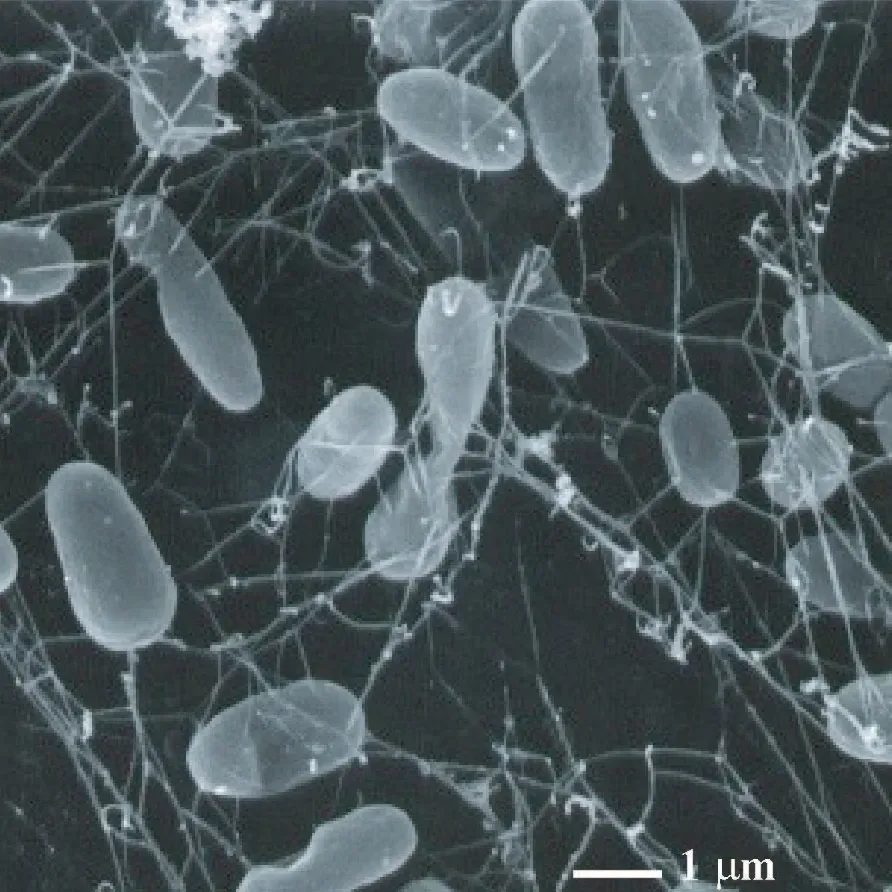
You don’t need to travel to another star system to find life that breaks the mold. Right here on Earth, organisms called extremophiles have been casually defying every assumption about what life requires. An extremophile is simply a lover of extremes. These are organisms adapted to survive and flourish in environments that would be instantly lethal to humans. They include thermophiles that love scorching heat near hydrothermal vents, psychrophiles that thrive in sub-zero ice, halophiles that live in water saltier than any ocean, and even radioresistants that can withstand doses of radiation thousands of times greater than what would kill a person.
These environments host an immense diversity of life forms, predominantly microbes that survive or even thrive under extreme conditions and energy scarcity. Life’s ability to endure and possibly evolve in Earth’s subsurface lends credence to the possible existence of life beyond our planet and provides a blueprint for the extraterrestrial life forms and biosignatures we might expect. In other words, the weird life down in Earth’s darkest corners is handing scientists a map. The question is whether they’re reading it boldly enough.
Hidden Oceans Where Life Could Be Waiting Right Now

This is where things get genuinely exciting. Saturn’s moon Enceladus and Jupiter’s moon Europa have become two of the most intensely studied targets in astrobiology, and for very good reason. Enceladus ticks all the boxes to be a habitable environment that could support life: the presence of liquid water, a source of energy, a specific set of chemical elements and complex organic molecules. That’s not wishful thinking. That’s chemistry speaking directly to possibility.
Although bombarded by Jovian radiation and encased in a thick shell of ice, Jupiter’s moon Europa could very well be a sanctuary for extraterrestrial microbial life. It is widely accepted that underneath the ice lies a deep, salty ocean, and despite possibly anoxic conditions, high pressures, and lack of sunlight, many physical and chemical properties of Europa are analogs of extreme environments on Earth, such as hydrothermal vents or subterranean radiogenic ecosystems. Think of it this way: if entire food chains on Earth can thrive without sunlight, using only chemical energy from volcanic rock, why couldn’t something similar do the same thing beneath miles of alien ice?
Life That Doesn’t Need a Planet at All
This is where the conversation gets truly strange, and I’d argue, truly interesting. Alien life might not be based on carbon, which forms the backbone of all life’s essential molecules, at least here on Earth. It might not even need a planet to survive. Advanced forms of life on alien planets could be so strange that they’re unrecognizable. No planet. No soil. No sunlight. Just pure chemistry or physics operating in the void of space or deep within an atmosphere.
Some researchers have seriously explored the idea of plasma-based life. Using numerical simulations, researchers showed that complex plasmas may naturally self-organize themselves into stable interacting helical structures that behave like DNA in organic living matter. These structures incorporate memory marks allowing for self-duplication, carry out metabolic activities in a thermodynamically open system. Researchers concluded that these complex self-organized plasma structures possess all the necessary properties to qualify them as candidates for primitive inorganic living matter that may exist in partially ionized plasma in space, provided certain conditions allow them to evolve naturally. Wild? Absolutely. But physics has a long history of being weirder than fiction.
The Framework Problem: How Do You Look for Life You Can’t Imagine?
This is the deepest puzzle of all, and it’s one that astrobiologists are wrestling with right now in 2026. The question of how you look for alien life when you don’t know what alien life might look like is preoccupying astrobiologists everywhere. Astrobiologists have attempted to come up with universal rules that govern the emergence of complex physical and biological systems both on Earth and beyond. It’s a bit like trying to write a rulebook for a game you’ve never seen played before.
About one percent of extrasolar planets are potentially habitable for life as we know it, implying that of the billions of planets in our galaxy, some may actually be inhabited, at least by microbes. However, recognizing signs of alien life forms is a major challenge for current technology, because of the wide range of conditions on extrasolar planets and because of the wide range of forms that life may take. The tools exist. The telescopes are pointed. The problem isn’t the looking. It’s knowing what you’re looking at when you finally see it.
Conclusion
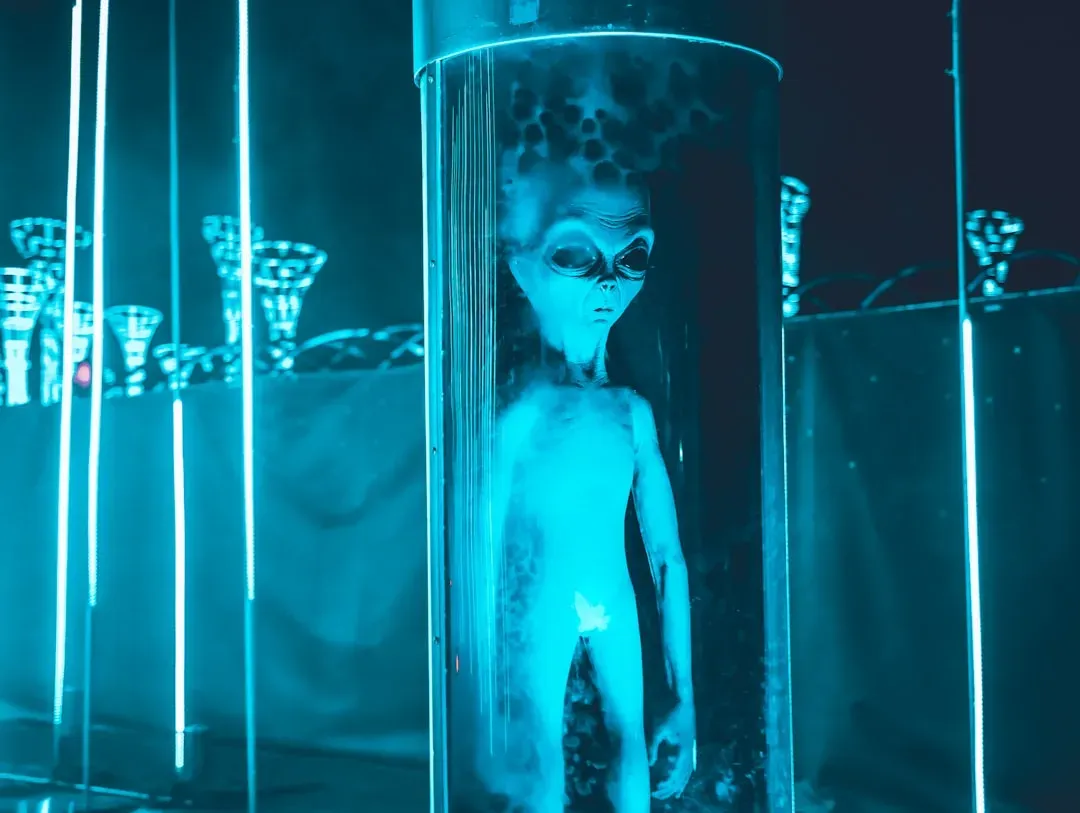
You’ve just scratched the surface of what may be the most profound question humanity has ever asked, and the honest answer in 2026 is that we still don’t know. What we do know is that life on Earth keeps proving, again and again, that it thrives in conditions we never thought possible. That silicon might work, that ammonia might serve as a solvent, that plasma structures might organize themselves like DNA. Every layer of certainty you thought you had gets quietly peeled back.
The universe is extraordinarily old, unspeakably vast, and almost certainly not designed with your expectations in mind. The most important shift you can make right now isn’t to find life elsewhere. It’s to expand what you’re willing to call life in the first place. The discovery, when it comes, might not look like anything you prepared for. And that, honestly, is the most thrilling part of all.
What form of life described here surprised you the most? Drop your thoughts in the comments.
Hi, I’m Andrew, and I come from India. Experienced content specialist with a passion for writing. My forte includes health and wellness, Travel, Animals, and Nature. A nature nomad, I am obsessed with mountains and love high-altitude trekking. I have been on several Himalayan treks in India including the Everest Base Camp in Nepal, a profound experience.