
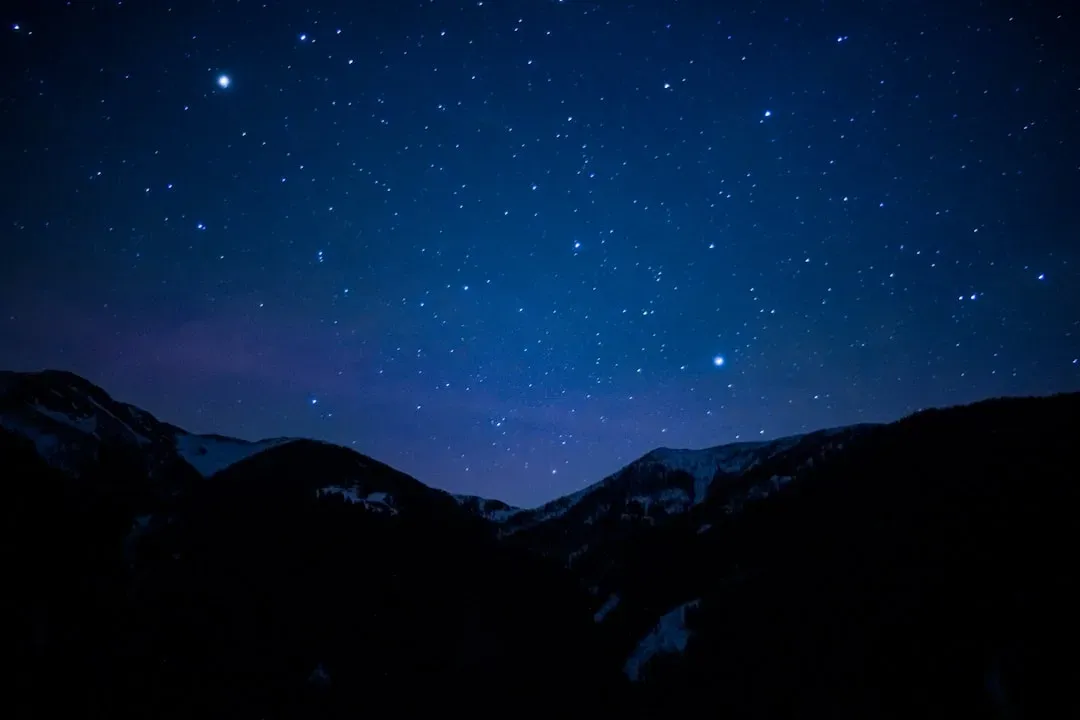
Imagine looking up at the night sky, realizing that every tiny point of light is another sun, and feeling that quiet, stubborn thought: there’s no way we’re the only ones. That gut feeling isn’t just poetic; it’s surprisingly well aligned with what modern astronomy, biology, and statistics are telling us in 2026. The universe looks less like a stage built only for us and more like an absurdly huge apartment complex where we’ve only checked one mailbox.
At the same time, there’s the uncomfortable reality: we still have zero confirmed proof of life beyond Earth. No microbes from Mars, no alien radio signals, no “we are here” cosmic postcards. That tension between overwhelming probability and complete lack of evidence is exactly what makes this question so gripping. The numbers and discoveries point one way, but the data in our hands point another.
The Sheer Scale Of The Universe Makes Lone Life Unlikely
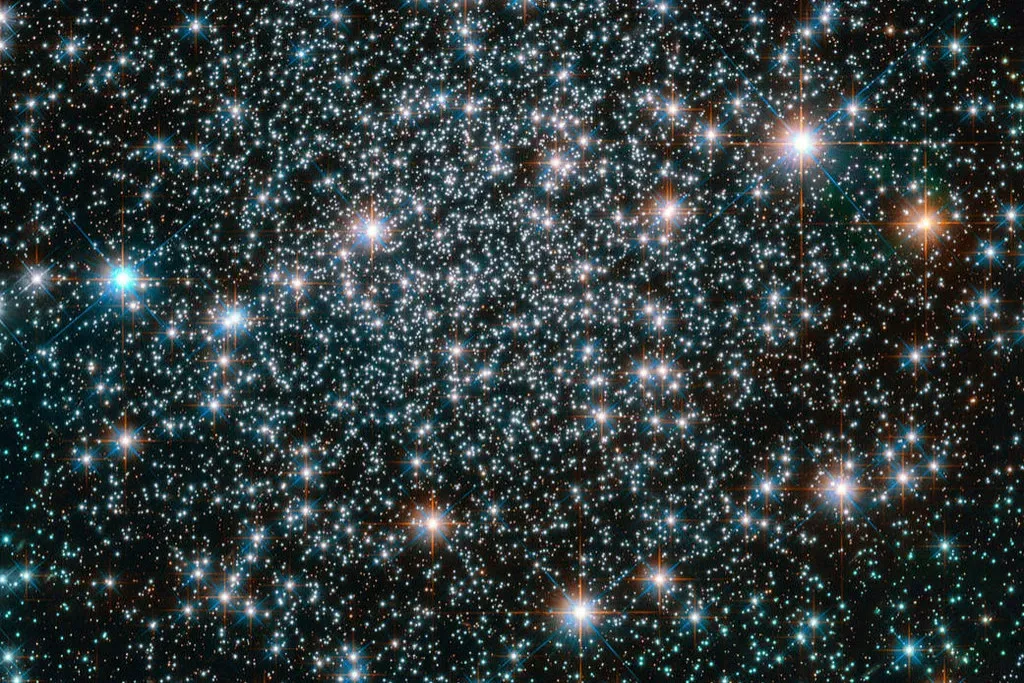
One of the most shocking facts about the universe is simply how big it is. Our Milky Way galaxy alone contains hundreds of billions of stars, and modern surveys suggest there are probably at least as many galaxies as stars in our galaxy. That’s a number so large that the human brain treats it almost like “infinite” by default, but the important thing is this: even if only a tiny fraction of those stars host habitable planets, you’re still left with an outrageous number of potential homes for life.
Astronomers use this scale to frame life as a statistical question, not a philosophical one. If you flip a coin only once and it lands on heads, you might shrug; if you flip it a trillion times and it’s always heads, something feels wrong. The universe is like that trillion‑flip experiment. With so many stars, planets, and billions of years of cosmic time, the odds that Earth is uniquely blessed start to look suspiciously small. The big mystery is not “Could life exist elsewhere?” but “Why haven’t we seen it yet?”
Exoplanet Discoveries Turn Sci‑Fi Worlds Into Real Places
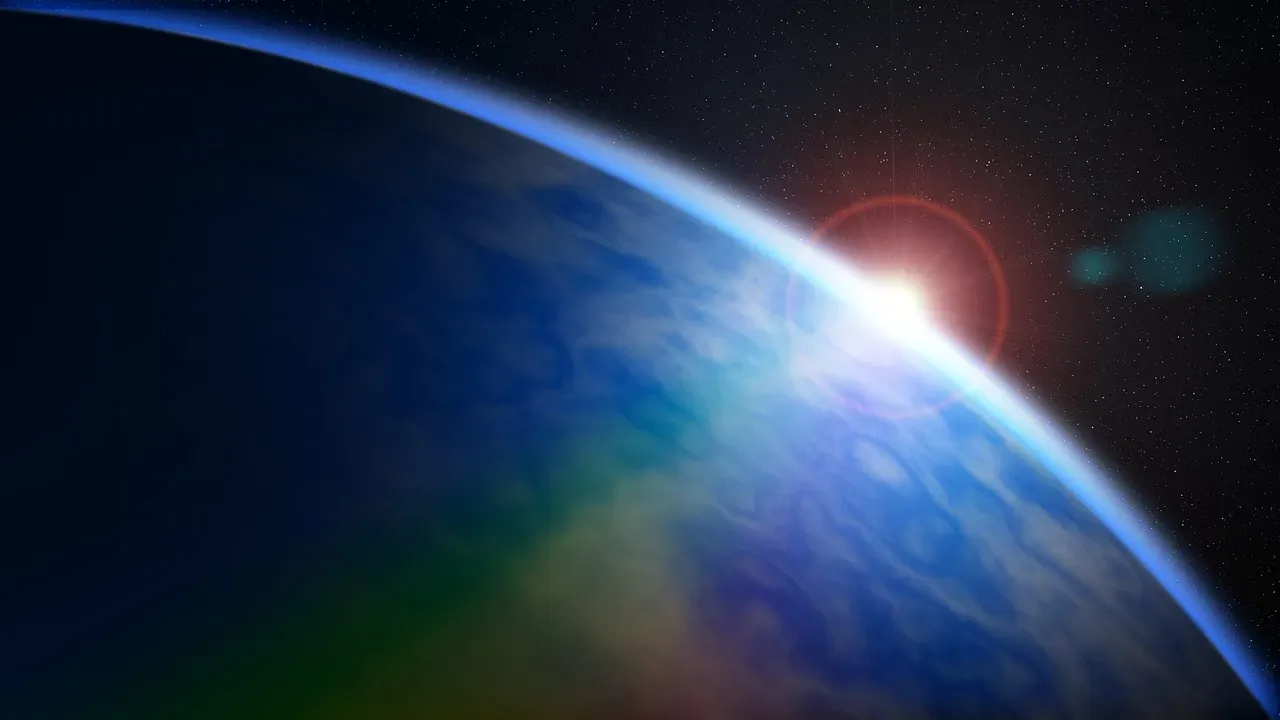
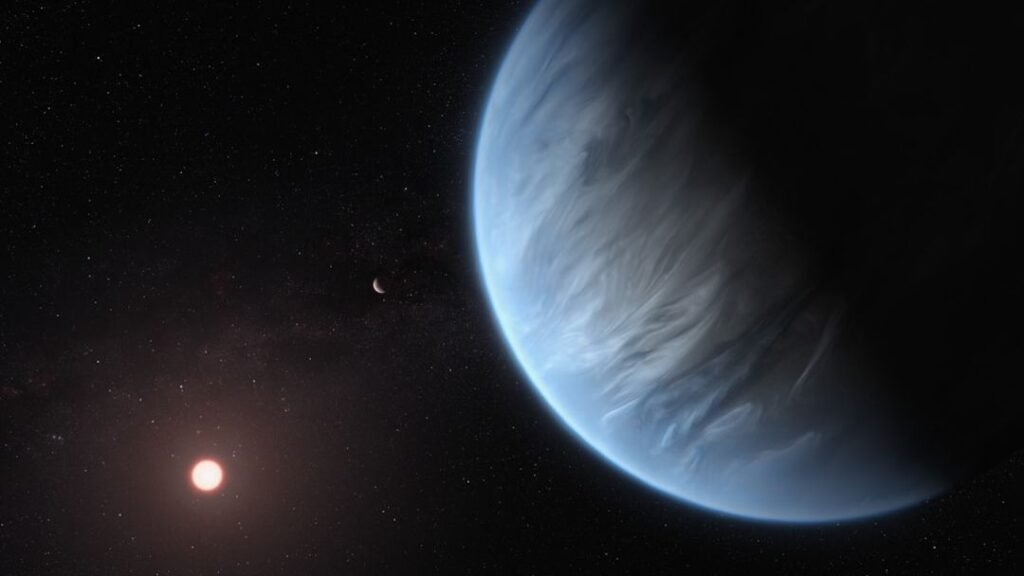
A few decades ago, “other Earths” were mostly science fiction. Today, they’re data in a catalog. Since the first confirmed exoplanets in the 1990s, astronomers have identified thousands of planets orbiting other stars, and the vast majority were found just in the thin slice of space we can currently survey with our instruments. That suggests planets are not rare cosmic accidents; they’re more like a standard feature whenever you get a star and a disk of gas and dust.
Even more compelling, a significant number of these exoplanets sit in the so‑called habitable zone of their stars, the region where water could exist as a liquid on the surface. Many are rocky, Earth‑sized or super‑Earth‑sized, and some orbit stars that are stable for tens of billions of years. When you put that together, it’s a bit like realizing that almost every city on Earth has homes with kitchens – it doesn’t prove anyone is cooking dinner, but it would be odd if nobody ever did.
Life On Earth Started Shockingly Fast Once Conditions Allowed It

One of the best clues about how likely life is elsewhere comes from the timeline on our own planet. Geological evidence suggests that Earth formed about four and a half billion years ago, and the earliest signs of life appear not terribly long after the surface cooled enough to support oceans. In cosmic terms, life showed up almost as soon as it possibly could. That speed hints that life may not need a ridiculous stroke of luck to get started when conditions are right.
What’s even more interesting is how stubborn life is once it appears. Microorganisms thrive in boiling hot vents at the bottom of the ocean, in acidic lakes, buried deep underground, and even clinging to rocks in Antarctica. If life can handle that range of extremes here, it stretches the imagination to think that only one small, blue planet ever pulled it off. Earth’s story makes it feel more like life is a natural outcome of chemistry, not a freak cosmic miracle.
We’ve Only Searched A Tiny Slice Of The Cosmic Haystack
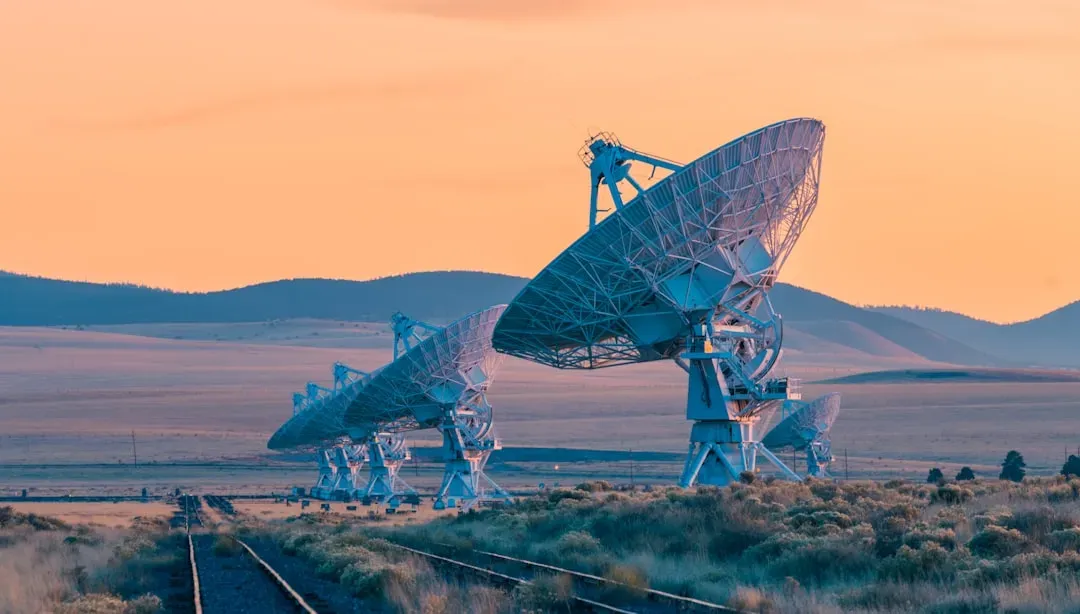
When people say “we haven’t found aliens,” it’s easy to imagine we’ve done some kind of thorough scan of the universe and come up empty. That picture is wildly wrong. Our searches for extraterrestrial signals have covered only a minuscule fraction of the possible frequencies, times, and sky locations where intelligent civilizations might broadcast or leak their presence. In practical terms, it’s like listening to a single radio station for a few minutes and deciding no one else in the country owns a radio.
Even closer to home, the Solar System still holds enormous unknowns. We have hints of potentially habitable oceans under the icy crusts of moons like Europa and Enceladus, and evidence that Mars once had rivers, lakes, and maybe long‑lasting seas. Robotic missions have scratched the surface, literally and figuratively, but we haven’t yet drilled deep into those subsurface oceans or fully explored buried layers where microbial life might hide. The search so far has been more of a quick glance than a full investigation.
The Fermi Paradox: If Life Is Common, Where Is Everyone?
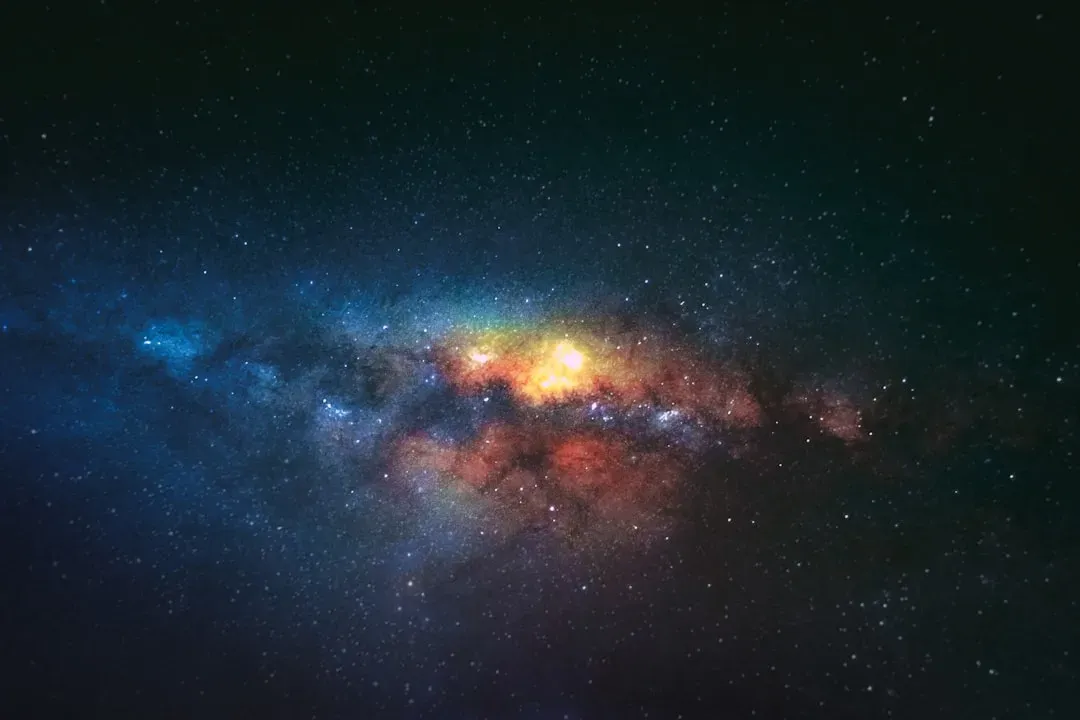
The Fermi Paradox sits like a stubborn knot in the middle of this conversation. On one side, you have the huge number of stars and planets and the early, robust appearance of life on Earth; on the other side, you have silence. If intelligent civilizations are at all common and have had millions of years to spread, why don’t we see star‑spanning empires, obvious engineering projects, or even undeniable signals? The gap between “it should be teeming” and “we see nothing” is what makes the paradox feel almost haunting.
There are many possible answers, and none of them are fully satisfying. Maybe most civilizations destroy themselves before they can explore the galaxy, or maybe they lose interest in shouting into the void and go quiet. Perhaps truly advanced species prefer subtle, low‑power communication we can’t yet detect, or they build in ways that blend into the natural background. It’s also possible we’re just very early in the universe’s “intelligent life timeline,” and the party has barely started. The paradox doesn’t kill the probability of life; it just reminds us how much we don’t understand.
Technological Limits Mean We’re Nearly Blind, Not Alone
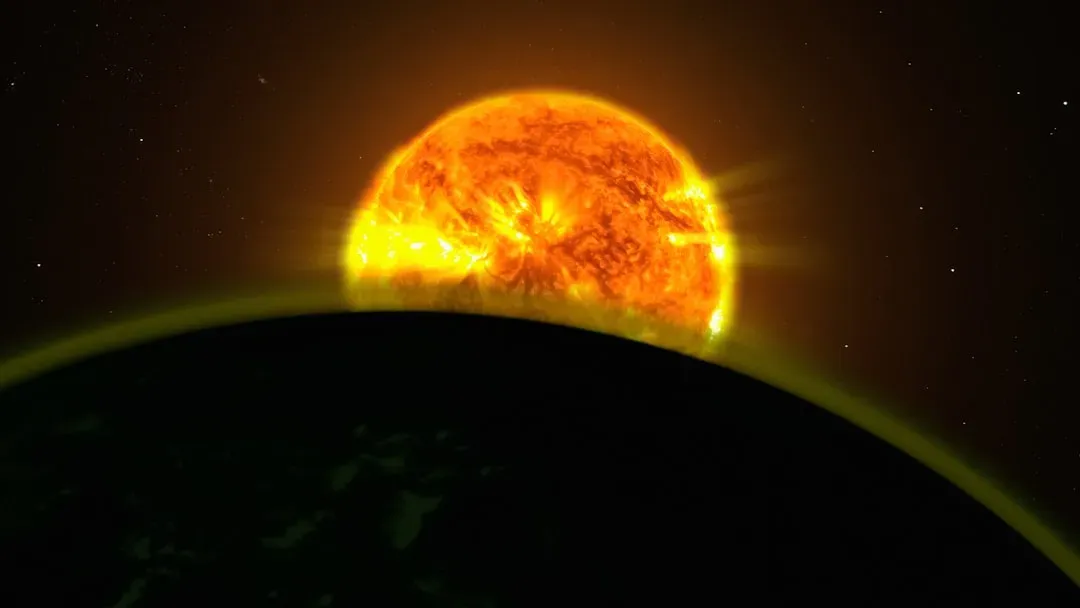
Our tools for finding life are powerful compared to a century ago, but embarrassingly primitive compared to what might be possible in the future. We’re only now starting to analyze the atmospheres of Earth‑sized exoplanets for chemical fingerprints like oxygen, methane, or other gases that could hint at biology. Even with the most advanced space telescopes available today, most distant planets are still just faint dips in starlight or tiny smudges in data, not detailed worlds we can map and study in depth.
On the communication side, the signals we send are weak, narrow, and not aimed at many stars for very long. The signals we could detect from others would have to be both powerful and lucky enough to cross our path at the exact time we’re listening. In a universe measured in billions of light‑years and billions of years of cosmic history, that overlap is incredibly tiny. It’s far more plausible that we’re technologically near‑sighted than cosmically alone.
Why The Search Matters Even If We Never Meet Anyone
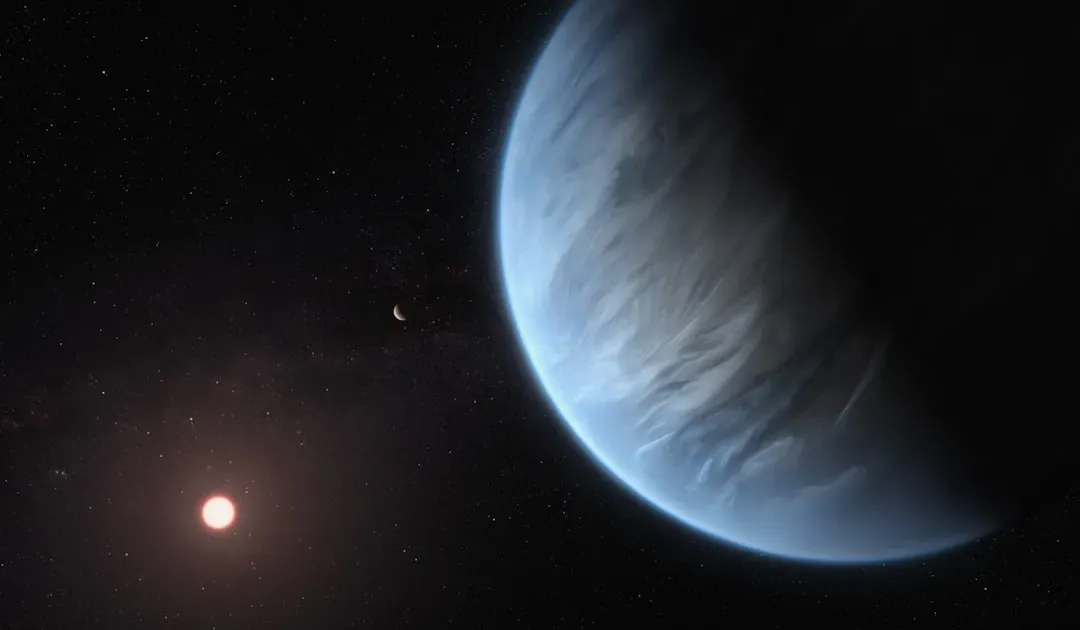
There’s a personal side to all this that the numbers don’t fully capture. Thinking seriously about life beyond Earth forces us to see our planet differently, like stepping back from a painting to realize it’s just one frame in a vast gallery. If life is common, then Earth is special but not singular, and that can be strangely comforting. If life is rare and we’re one of the few sparks in the dark, then our responsibility to protect and cherish this world becomes even heavier.
Either way, the search itself changes us. It drives new technologies, new telescopes, new missions, and new ways of asking questions about chemistry, biology, and intelligence. It pushes us to collaborate across borders and disciplines, because no single country or field can solve this alone. And maybe that’s the quiet, unexpected gift of the question: in trying to figure out whether we’re alone in the universe, we’re forced to think more deeply about who we are and what kind of civilization we want to be.
Conclusion: A Silent Sky Doesn’t Mean An Empty Universe
When you put all the pieces together – the staggering number of planets, the quick appearance and tenacity of life on Earth, and the extremely limited scope of our current searches – the scales tilt strongly toward life being statistically probable beyond our world. The absence of proof so far doesn’t overturn that; it mainly reflects how early we are in the game, and how clumsy our tools still are compared to the size and age of the cosmos. A quiet sky may say more about our own limitations than about the true state of the universe.
We might discover fossil microbes on Mars, strange chemistry in an exoplanet’s atmosphere, or biosignatures in the oceans of an icy moon, long before we ever face the question of communicating with another intelligence. Or we might go decades more with nothing but better data and deeper puzzles. For now, we live in a rare, fragile moment: we’re advanced enough to ask the question seriously, but not yet advanced enough to answer it. In a universe this large and this old, does it really make sense to bet that we’re the only story that ever started?